


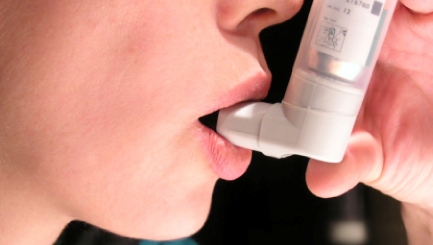
 Last month, the National Institute for Health and Clinical Excellence (NICE), published new standards on the diagnosis and treatment of asthma in England, which Asthma UK say ‘could change millions of lives.’ Over 5.4 million people in the UK, including 1.1 million children, receive treatment for asthma. The respiratory condition poses a major threat to your wellbeing, as asthma caused 1,131 deaths in 2009.
According to the new guidelines, a structured asthma review will be undertaken at least annually and people whose wellness has been affected by the condition will receive a written personalised action plan. Further, adults who develop asthma will be assessed for work or occupational causes, where removing the cause may help reduce symptoms, and those over the age of five, who see a healthcare professional with a severe or life-threatening acute exacerbation of their asthma, will receive oral or intravenous steroids within an hour of presentation. An assessment by a specialist multidisciplinary service will be offered to people with difficult to treat asthma, and everyone with the condition will be given specific training and assessed on inhaler technique before starting a new inhaler treatment.
NICE deputy chief executive Gillian Leng said in a statement, ‘Asthma is a common lung disorder in the UK and can have a significant, negative effect on a person’s quality of life. NICE is pleased to be publishing this new quality standard on asthma, which contains eleven statements that will contribute to improving the quality and experience of care for those with the condition.’
Professor Sue Hill and Dr Robert Winter, joint national clinical directors for Respiratory Disease, added, ‘Asthma is an area where we can, and should, be doing so much more. This new NICE quality standard is a great step forward as it reinforces those areas where best practice and guidelines should be applied. If we address the areas of care highlighted in this quality standard, then we should see significant improvements in outcomes for people living with asthma and their overall quality of life.’
Emily Humphreys, head of policy and public affairs at Asthma UK, noted that the organisation is particularly pleased to see the inclusion of personal asthma action plans. ‘They’re a fundamental component of self-management,’ she said. ‘Most of the time you are looking after yourself. You’re adjusting your medicines. You’re monitoring your symptoms. You’re making judgments all the time about whether you need to seek medical help, whether you need to be taking more of your asthma reliever inhaler. Without a personal asthma action plan, you are four times more likely to have an asthma attack that requires you to be admitted to hospital. They really do make a huge difference.’
Google+
NICE Releases new “Life-Changing” Asthma Treatment Standards


