Showing posts with label Heart Attack. Show all posts


The first successful heart transplant was done in 1967. Since that time, the procedure has been improved in a number of ways to allow patients to have a successful outcome. Heart transplants are generally done when patients fail to improve after all other medical procedures have been provided, but with good treatment and proper aftercare, these patients can enjoy greater longevity and quality of life. Heart transplants are usually suggested when three major signs are present:


1 – Imminent Heart Failure Despite Medical Treatment

Most heart transplant candidates have undergone a number of treatment options to improve their condition without success. In these cases, patients are carefully evaluated to determine if they are able to withstand the surgery and special treatment afterward that is necessary after a transplant procedure. Cardiomyopathy, which causes severe weakening in the heart muscle, is one type of condition that often does not respond to other treatments and may require a heart transplant.


2 – Severe Heart Pain

Patients with severe heart pain, called angina, may also require a heart transplant to relieve pain and allow them to engage in normal activities. This condition may be caused heart valve problems that cannot be corrected by other types of procedures. In these cases, medical conditions that could affect the outcome of surgery, such as liver, kidney or lung disease, may be a contraindication for heart transplant surgery. Cardiac specialists, such as those at ICE, Institute of Cardiac Excellence, administer echocardiograms, cardiac catheterizations, coronary angiograms and other diagnostic methods that are used to determine the severity of impairment.


3 – Heart Arrhythmias That Do Not Respond to Treatment

Another sign that indicates that a heart transplant may be necessary is chronic heart arrhythmias. Although a number of treatments are available to help regulate heart rhythm, such as medications and pacemakers, these may not be able to correct the underlying disturbance. These arrhythmias can occur in both the children and older people. Congenital heart defects in children that have not responded to other treatments may require heart transplantation to allow normal activities. A heart transplant may be the only way to ensure the child is able to live a normal life, free from the disability. Adults with severe arrhythmias must be free of severe vascular problems that might affect the outcome of heart transplant surgery.


If a patient has undergone a number of heart procedures and therapies and continues to have severe pain, fatigue, heart rhythm problems or physical defects in the heart that cannot be corrected by other means, a heart transplant may be necessary. Your cardiac specialist can advise you on the procedure, preparatory measures and what you will have to do after the transplant to continue your treatment.



Written by Jenny Catton


Do you regularly suffer from sore throats and breathlessness? Well, if you spend time walking, jogging or cycling alongside busy roads, traffic fumesmay be to blame.


Experts have found that high levels of air pollution may even increase the chances of having a heart attack for up to six hours after being exposed to traffic pollution. Researchers analysed almost 80,000 heart attack patients, looking at the level of pollution to which the individual was exposed before the heart attack. The study, conducted by researchers at the London School of Hygiene and Tropical Medicine, revealed that poor air quality was linked to a rise in heart attacks during the six hours after exposure.


Some people are more sensitive to air pollution than others and people with respiratory diseases or heart conditions should avoid exercising in areas where air quality is particularly poor, such as in cities or alongside busy roads.


Cyclists
One group which may experience the ill-effects of poor air quality more than others is cyclists as riding or sitting in amongst exhaust fumes can cause sore throats and shortness of breath. Of course one answer is to find a quieter route with less traffic but if this is not possible, there are many cycling masks on the market which may help ease the problem. These masks work by filtering the fumes that the cyclist breathes in. The colour of the filter can change from white to black with just a few days use – showing just how much dirt and fumes you would otherwise be breathing in.


Joggers
People jog in a bid to be healthier but if you are breathing in traffic fumes, you could be doing more harm than good. Some studies have even shown that jogging in busy areas with high volumes of traffic could cause mental decay.  For example, researchers in Belgium discovered that people who exercise outdoors in city environments scored more poorly on cognitive tests than those who exercised outdoors in the suburbs. They believe that the city environment’s high levels of air pollution prevent exercisers from benefitting fully from the positive effects of jogging.


In another study, scientists found that exposure to high levels of air pollution could result in decreased brain power in people aged 50 and over.


Babies
Many people are now questioning what effect traffic fumes could have on babies – even before they have been born. Studies have been conducted to look at the links between premature birth and air pollution as well as whether being exposed to exhaust fumes whilst in the womb could lead to an increase in autism.


And of course, with most pushchairs being at the same level as car exhausts, there’s little wonder that many parents worry about young children breathing in traffic fumes.


More research is being studied to analyse the risks but in the meantime, the message seems to be that whilst exercise and fresh air is undoubtedly good for our health, it’s best to exercise in quieter areas away from traffic fumes whenever possible.


If you’d like to walk, jog or cycle away from busy roads, look out for clubs in your local area which you could join to exercise with a group of people.


Energy drinks are part of the fasting growing area of the drinks market, but are they actually good for your wellness and wellbeing, or should you steer your family away from them as much as possible?


Energy drinks promise the user a quick burst of energy as soon as they down the liquid. Whilst this may be useful for various scenarios, such as a late night of studying or a challenging sports event, there is increasing concern that they could have worrying effects on the health of those who drink them on a regular basis. There is particular concern that these energy drinks may have a damaging effect on the health of the heart.


A team of researchers in Australia have been looking into this problem, using a group of participants. There were 50 participants in total and none of them had any underlying health problems. Each member of the research group was given either a can of an energy drink or the same amount of carbonated water. An hour after they had consumed these drinks, the group who had consumed the energy drinks were found to have experienced elevations in their blood pressure. Worryingly, the group who had had the energy drinks were also found to be experiencing something called endothelial dysfunction, which is a condition where the arteries of the heart are unable to relax properly and where there is an abnormal clumping of platelets. Both of these things increase the risk of the person suffering from a heart attack.


The researchers believe that the platelet clumping and the endothelial dysfunction are not down to the caffeine in the drinks (which is usually the ingredient that is suspected of causing harm) but down to the glucouronolactone that is contained in the drinks.


A long term addiction can damage nearly every system in the body. Some drugs cause more damage to some bodily systems than others. Here are only a few of the ways that an addiction can badly impact your health:


Damage to the Nervous System


Drugs cause intoxication because they bind surprisingly well to the receptors on the surfaces of the nerve cells in the brain. Over time, the number of receptors, nerve cells and even the structure of the nerve cells are changed. Sometimes, these changes are permanent. Depressant drugs like opioids and alcohol also slow down bodily functions like breathing. An overdose occurs when a function like respiration is slowed down to the point of unconsciousness or death.


Pregnancy Complications


Women who are addicted to drugs while pregnant run the risk of premature delivery and complications like breech birth. However, the baby suffers the brunt of the mother’s addiction. Alcohol can stunt the growth of the brain and lead to fetal alcohol syndrome. Amphetamines and opioids cause babies to be born with underdeveloped brains, and cocaine can cause the placenta to separate prematurely.


Negative Impacts To the Circulatory System


Addiction can produce effects on the heart and the circulatory system that are more insidious than a sudden heart attack or stroke. Drugs that cross the blood/brain barrier like heroin can influence both the heart rate and the blood pressure. If the drug is taken to the point of addiction, the damage to the cardiovascular system can be permanent.


Drugs like amphetamines can be responsible for blood clots, which can lead to heart attack and stroke. Alcoholic cardiomyopathy is a scourge of people addicted to alcohol. Over years, the alcohol scars the heart muscle, and the heart begins to fail. The symptoms of this are fatigue, edema in the legs and feet and swollen veins in the neck. Alcohol can also react badly with medicines that are prescribed to treat a patient’s heart disease. One of the benefits of a drug addiction rehab center is that the staff is knowledgeable when it comes to the comorbidities that often accompany addiction.


Cognitive Damage


Addiction to drugs like amphetamines and marijuana can also impair thought processes like the ability to concentrate, decision making and planning and locating and reacting to objects in space. Some of these impairments are permanent.


As can be seen, the impact of addiction on a person’s health can be devastating. The sooner an addict joins a drug rehabilitation center, the higher his or her chances are of returning to good health.

You may be trying to protect your wellbeing by reducing butter, cheese and red meat in your diet, but these things may not be as bad for your heart as wellness experts have previously suggested. This is according to Aseem Malhotra, interventional cardiology specialist registrar at Croydon University hospital, who has recently reported in the British Medical Journal that it is time to “bust the myth” of saturated fat. He also argues that the government’s obsession with lowering cholesterol in an attempt to reduce heart disease has led to an over-prescription of statins, which have more side-effects than benefits. According to Malhotra, ‘With 60 million statin prescriptions a year, it is difficult to demonstrate any additional effect of statins on reduced cardiovascular mortality over the effects of the decline in smoking and primary angioplasty.’


Malhotra further believes that the insistence that you remove saturated fat from your diet has, paradoxically, led to an increased risk of heart disease. He explains, ‘Recent prospective cohort studies have not supported significant association between saturated fat intake and cardiovascular risk. Instead, saturated fat has been found to be protective.’ However, Malhotra also says that you have wrongly embraced low-fat products, noting, ‘Last week I saw one patient in her 40s who had had a heart attack. She said she had gained about 20kg in the last six months. She had been drinking five low-fat drinks a day.’


However, neither Public Health England (PHE) nor the British Heart Foundation (BHF) have agreed with Malhotra’s argument. Peter Weissberg, medical director at the British Heart Foundation, comments, ‘Studies on the link between diet and disease frequently produce conflicting results because, unlike drug trials, it’s difficult to undertake a properly controlled, randomised study. However, people with highest cholesterol levels are at highest risk of a heart attack and it’s clear that lowering cholesterol, by whatever means, lowers risk. Cholesterol levels can be influenced by many factors including diet, exercise and drugs, in particular statins. There is clear evidence that patients who have had a heart attack, or who are at high risk of having one, can benefit from taking a statin. But this needs to be combined with other essential measures, such as eating a balanced diet, not smoking and taking regular exercise.’


Alison Tedstone, director of diet and obesity at PHE, notes, ‘PHE recommends that no more than 11% of person’s average energy intake should come from saturated fats, as there is evidence to show increased levels of saturated fats can raise blood cholesterol levels, in turn raising the risk of cardiovascular disease. The government’s advice is based on a wealth of evidence. The BMJ article is based on opinion rather than a complete review of the research. Evidence specifically linking sugar to cardiovascular disease is limited; however, on average the population needs to reduce its sugar intake. Eating more calories than we need, irrespective of whether they come from sugar or fat, over time leads to weight gain. Being overweight or obese increases the risk of heart disease, stroke, and type 2 diabetes.’


However, Malhotra did gain support from experts like Robert Lustig, paediatric endocrinologist at the University of San Francisco and author of Fat Chance: The Bitter Truth about Sugar, who asserts, ‘Food should confer wellness, not illness. Real food does just that, including saturated fat. But when saturated fat got mixed up with the high sugar added to processed food in the second half of the 20th century, it got a bad name. Which is worse, saturated fat or added sugar? The American Heart Association has weighed in – the sugar many times over. Plus added sugar causes all of the diseases associated with metabolic syndrome. Instead of lowering serum cholesterol with statins, which is dubious at best, how about serving up some real food?’

Of all the things that affect corporate wellness, and your overall well-being, occupational stress is the worst, and the most common. We accept it as a part of life, but workplace stress is not only taking its toll on your emotions, but also your wellness. There are a number of chronic health conditions linked to stress, and some in particular that are related to on-the-job strain, so what might your high-octane career do to you?


Diabetes – In 2012, a study published in the Journal of Occupational Medicine, found that women who have stressful jobs are at an increased risk of developing diabetes. Fortunately for the fellas, the researchers did not find the same effect in men – I guess that glass ceiling is lined with sugar.


Heart attacks – When researchers at University College London undertook a review of studies in 2012, they discovered that those who have high-pressure jobs are 23% more likely to have a heart attack than those who don’t have stressful jobs, if such jobs exist.


Depression – A 2011 PLOS ONE study noted that, if you work more than 11 hours a day, you’re twice as likely to suffer from a major episode of depression as those lucky people who work more regular hours. Seeing as depression can also lead to a shorter life expectancy, increased risk of stroke and heart attack, disrupted sleep and addiction, it might be wise to start knocking off at 5.30pm.


Accelerated ageing – Not only is job stress causing a few extra frown lines here and there, it’s actually ageing you prematurely. Recent evidence has shown that people who have the most workplace stress have the shortest telomeres. There are the sections of DNA that are linked to longevity.


Higher risk of death – Researchers at Tel Aviv University conducted a 20-year study in which they discovered that, if you work in a hostile office environment, you have a significantly increased risk of death than those who work in calmer, happier places. The next time you complain that your job is killing you, at least you can be safe in the knowledge that you’re not actually being over-dramatic.

While everyone is different when it comes to health and wellbeing, and different amounts of sleep work for different people, wellness experts assert that you need roughly seven to nine hours of sleep every night. According to researchers at the Sleep Disorder Clinic at Stanford University, any less sleep than this can lead to serious health concerns, such as heart disease. In fact, wellness experts believe that sleep deprivation is worse for your health than drinking or even smoking. If you have fewer than six hours of sleep a night, studies show that your risk of having a heart attack increases by 18% compared to those who get a regular seven to nine hours. However, that’s nothing compared to people who get fewer than five hours of sleep a night, as their heart attack risk is raised to 40%. Surely, it’s time to stand up and take notice of the importance of sleep.


During sleep, your body uses this time to repair itself. This is also when your stress levels drop, thus making it possible for your brain to become focused again. In fact, your sleeping habits have even been linked to your ability to maintain or lose weight, with regular, restful sleep correlating to better results. Plus, in the deepest stages of sleep, your body is better able to fight disease from the inside – much like some sort of health concern secret agent – and repair tissue damage and more. From all this, you can see that your body is a complex machine that needs constant care, with sleep acting as its own version of a reboot or self-overhaul. While you wouldn’t rush your mechanic when he or she is checking and fixing your vehicle, you do it to the “little mechanics” inside your own body.


Let’s unpack some of the more interesting and pleasant side effects of a good night’s sleep; weight loss. Research has shown that sleep deprivation causes your levels of ghrelin to rise and your levels of leptin to drop. In English? Leptin is a hormone produced by your body to make you feel satisfied or full after you eat. The less sleep you get, the lower your level of leptin which, in turn, means you feel less satisfied when you eat the next day and will end up eating more. The other sleep-food hormone your body produces is ghrelin, which is designed to stimulate your appetite. Therefore, not getting enough sleep packs a one-two punch to your waistline, with low leptin levels making you feel less full when you eat, and high ghrelin levels causing your body to get hungry, and consequently eat, more often.


Now we’ve covered the importance of sleep – although I could go on – it’s now time to look at how you go about getting enough sleep. If you have deadlines or an overly busy schedule, sometimes it’s not possible to get your seven to nine hours. When this occurs, try to remove any unnecessary obligations until you get your sleep routine back on track and, failing a seven- to nine-hour stretch, try to take naps when you can. If getting to sleep is difficult for you, you might find it easier to nod off if you’ve exercised during the day (as long as you avoid doing this less than three hours before bedtime). A bedtime ritual, such as having warm milk with honey, a warm bath or reading for a little bit before bed, can also help you get your body ready for sleep. Finally, make sure your room is the right temperature and well ventilated. Sweet dreams!

According to a shocking new health survey, where emergency doctors were asked for their opinions, around 90 percent believe that resuscitation practices aren’t effective enough.


This was carried out via a State of Resuscitation survey, which looked at the implications of current rescuscitation practices on the wellness and wellbeing of cardiac patients. Around 88 percent of those who responded felt that the intervention of bystanders (in the form of CPR) was a very important factor in improving a patient’s chances of survival if they are having a heart attack.


A further 77 percent felt that patients needed to be got to a doctor more quickly in order to boost their chances of survivial, while 73 percent felt that better sharing of information and data collection were needed in order to improve outcomes for patients. Of those surveyed, 66 percent also felt that automated technologies could be improved.


The survival rates for those who have a sudden heart attack are quite poor, and the doctors surveyed felt that this ws likely to be due to the fact that there is an aging population. About a quarter of the doctors also felt that obesity was an important factor in the low survival rate for heart attacks. Many of the doctors felt that CPR feedback devices should be available to more of the population to improve the outcomes of those who had to have CPR.


Having said all this, significant improvements have been made in terms of resuscitation, with more people understanding what they need to do in the event of being present when someone suffers from a heart attack.


To continue this understanding, doctors need to engage with communities more and encourage extensive CPR training. This will help more members of the general public to increase their awareness of what to do if someone they are with suffers from a sudden heart attack.

Air pollution can cause a myriad of health concerns, particularly with regard to your heart wellness. This is why a new field of medicine called environmental cardiology has emerged, aiming to reduce the impact that air pollution has on your wellbeing. According to a recent panel of health and environmental experts, if you focus on eliminating other risk factors for heart disease, you can counteract the damaging effects of pollution on your heart, so let’s take a closer look at what you can do to beat air pollution:


1. Work on your work stress: If you work in a high-stress environment, you’re at a disproportionately high risk of cardiovascular problems and heart attacks. This is particularly true of women under the age of 51, according to a study published in the journal Occupational and Environmental Medicine, as nurses in this age bracket who reported high levels of work pressure  had a 40% increase in heart attack risk. Another study, this time found in the European Heart Journal, noted that working overtime increases your heart attack risk by 60%. Therefore, you need to find ways to reduce stress at work, and better deal with the stress that you can’t eliminate. This may mean delegating some of your responsibilities and finding a relaxing hobby or exercise to try.


2. Breastfeed your baby: Even though breastfeeding is well-known to be good for babies, it’s also beneficial to you. It is recommended that you breastfeed for a year, and a study published in Obstetrics and Gynaecology found that women who do so reduce their risk of developing cardiovascular diseases by 10%. Other research has shown that breastfeeding for as long as 23 months can cause your heart attack risk to drop by as much as 23%, but even breastfeeding for a short period of time will do your heart good.


3. Don’t do the can-can: Canned food is high in salt, which is bad for your health anyway, but the can itself can also have a disastrous impact on your heart. Bisphenol A is a hormone-disrupting plastic used in the epoxy resins that prevent cans from rusting or making food taste metallic and it may cause heart disease in women. This is according to a study from the journal Environmental Research, which found that bisphenol A increases inflammation and oxidative stress in post-menopausal women, which can lead to a whole host of health concerns, including heart disease.


4. Manage your migraines: Not only are migraines irritating and painful; they also increase your risk of dying from cardiovascular problems. A British Medical Journal study has shown that if your migraines are accompanied by flashes of light, zigzagging patterns or other visual problems – known as migraine with aura – your risk of heart disease is raised by 27%. As such, it’s vital that you learn the triggers of your migraines, manage your stress more effectively and get plenty of exercise.


5. Get you to the Greek: A wealth of research extols the heart health-boosting benefits of the Mediterranean diet, especially for warding off cardiovascular disease and heart attacks. This is because the diet emphasises fruits, vegetables and health fats found in olive oil and nuts. The diet is light on red meat, a food which can increase your heart disease risk by up to 30%. Plus, it’s a meal plan that allows you to drink wine and has been shown to aid weight loss – what more could you ask for? For more information, visit the Oldways Food Alliance, a non-profit website devoted to preserving and promoting traditional diets.

Muscle-building supplements or other performance-enhancing drugs are often popular products in the fitness market, but could you be risking your wellbeing just to get that competitive edge? Before you take any supplements, you need to know exactly how they work and what they might do to your wellness.


Anabolic steroids: There are some athletes who take anabolic steroids such as testosterone to increase muscle mass and strength, but although there are approved medical uses for taking the synthetic hormone, improving athletic performance is not one of them. You also have a particularly dangerous class of anabolic steroids known as designer drugs, which have been designed to fly under the radar in the case of drug testing. These have no medical use, have not been tested or approved by the Food and Drug Administration (FDA) and represent a particular health threat to athletes.


If you are on anabolic steroids, you may be at risk to:


  • Baldness

  • Severe acne

  • tendinitis and tendon rupture

  • Liver abnormalities and tumours

  • Increased “bad” LDL cholesterol and decreased “good” HDL cholesterol

  • High blood pressure and problems with your heart and circulation

  • Prostate gland enlargement

  • Aggressive behaviour, rage or violence

  • Psychiatric disorders, such as depression

  • Drug dependence

  • HIV or hepatitis (if you’re injecting the drugs)


Plus, teenagers face the added risk of future health problems, as well as inhibited growth and development. Men specifically may experience the development of prominent breasts, testicle shrinkage, infertility and impotence, while women are at risk of developing a deeper voice, clitoris enlargement, increased body hair and infrequent or absent periods.


Androstenedione: You produce this hormone in your adrenal glands, ovaries and testes, and your body converts it into testosterone and estradiol. Although manufacturers claim using andro as a supplement can help you train harder and recover more quickly, it is illegal for use in the US, and studies show that the supplement doesn’t even work – so there’s no point taking it. In fact, andro increases your oestrogen, rather than your testosterone, production. Plus, you’re putting your wellbeing at risk to:


  • Acne

  • Decreased “good” HDL cholesterol, which raises your risk of stroke and heart attack

  • Diminished sperm production and testicle shrinkage (men)

  • Breast enlargement (men)

  • Voice deepening and male-pattern baldness (women)


Human growth hormone: Also known as gonadotropin, human growth hormone has an anabolic effect, meaning it is taken by athletes to improve muscle mass and performance. Science is yet to prove that human growth hormone actually does either of these things, and you can only get the injections on prescription. The adverse side effects of human growth hormone range in severity, but you may be at risk to:


  • Joint pain

  • Muscle weakness

  • Fluid retention

  • Carpal tunnel syndrome

  • Impaired glucose regulation

  • Cardiomyopathy

  • High cholesterol and blood pressure

  • Diabetes


Erythropoietin: If your wellness has been affected by severe kidney disease, this hormone may be used to treat your anaemia, as it increases your body’s production of red blood cells and haemoglobin. Epoetin, a synthetic form of erythropoietin, is commonly used by endurance athletes to give the muscles more oxygen, and cyclists in the 1990s famously used the supplement. However, it was alleged that this contributed to at least 18 deaths, as the inappropriate use of erythropoietin can increase your risk of thrombotic events, such as stroke, heart attack and pulmonary oedema.


Diuretics: These drugs are often used to lower your weight, but they change your body’s natural balance of fluids and salts (electrolytes) and can lead to dehydration. At any dose – even medically recommended ones – you may be putting yourself at risk to:


  • Dehydration

  • Muscle cramps

  • Exhaustion

  • Dizziness

  • Fainting

  • Potassium deficiency

  • Heart arrhythmias

  • Drop in blood pressure

  • Loss of coordination and balance

  • Heatstroke

  • Death

If your well-being has been affected by a heart attack, you may be too embarrassed to inquire about your sexual health. But when is it OK to have sex again? And what’s the safest way to go about it? Now, new guidelines, published in the journals Circulation and European Heart Journal, are urging doctors to help their patients resume a healthy love life, and provide – for the first time – specific advice on enjoying sex safely after a heart attack, stroke, heart transplant or other heart condition.


This isn’t the first time that guidelines have discussed how long you should wait before getting back between the sheets, the new advice details exactly which sexual positions and activities you can engage in if you aren’t ready for the physical exertion of intercourse. According to Elaine Steinke, lead author of the statement and professor of nursing at Wichita State University in Kansas, ‘Patients are anxious and often afraid sex will trigger another cardiac event – but the topic sometimes gets passed over because of embarrassment or discomfort.’


The paper also recommends that you undergo some type of sex counseling, and discuss with your doctor the health risks of embarking on an affair. As having an affair has been shown to increase the risk of dying from heart problems, the guidelines urge doctors not to be embarrassed about fully discussing the issue. Professor Steinke commented, ‘We deal with the intimate parts of the body in many ways as health care providers. Those who want information are very much relieved that the health care provider has brought up this topic.’


If you’ve had no complications after your heart attack, and can walk briskly without experiencing chest pain or other symptoms, the guidelines state that you can typically engage in sexual activity after one week. However, if you’ve undergone heart bypass surgery, you need to wait for your incision to heal fully, and can generally safely resume sexual activity after six to eight weeks. This should be done gradually, and you might want to consider more PG stuff before you move onto the main event, Professor Steinke advised.

If you’re under stress at work, you’re not only risking your emotional health, but your heart wellness too. This is according to new research, published in the Canadian Medical Association Journal, which says that putting down the beer bottle and going for a walk may help alleviate job strain.


Defining job strain as having a lot of demands at work, but little control, the researchers found it was linked to a 25% higher chance of having a heart attack or dying of heart problems. However, the researchers also found that people—stressed or not—who maintained a healthy lifestyle had half the heart risks of those who drank, smoked, or were obese. Lead researcher Mika Kivimaki, from University College London, explained, ‘For many people avoidance of work stress is unrealistic. Thus, we wanted to ask the question whether adopting an otherwise healthy lifestyle would reduce heart disease risk among those with job strain.’


For the research, the team looked at the results of seven European studies that surveyed 102,000 people about their general lifestyle habits and health. This included how much strain they were under at work, but none of those participants had heart disease at the start of the study. Across the trials, there were about 1,100 heart attacks or deaths from heart disease over the next seven years. The researchers worked out that 4% of all heart attacks and heart disease deaths could be attributed to job strain and about 26% to drinking, smoking, obesity, and lack of physical activity. Kivimaki commented, ‘We hope this message reaches those who want to reduce their heart disease risk but feel they cannot avoid work stress.’


According to cardiologist Dr. Vincent Figueredo from Jefferson Medical College in Philadelphia, the results are in line with past studies suggesting that chronic stress, including from job strain, can have negative effects on wellbeing. ‘With chronic stress, there’s activation of these systems that can have long-term effects on things like insulin resistance, central obesity, (and) high blood pressure,’ said Figueredo, who wasn’t involved in the new research. He noted that the study ‘does offer some hope for those people who do have that job strain they can’t do anything about at work. If you’re stuck being stressed at work, at least go out and exercise, don’t smoke, and eat healthy.’

They are one of the most delicious of fruits but it seems there’s more to strawberries and blueberries than simply a great dessert. Research shows that eating these two berries every week can prevent heart attacks in women.


The flavonoid plant compounds that are specific to strawberries and blueberries have been revealed to unblock arteries by an enormous US healthy study involving 93,600 women. They were involved in the Nurses’ Health Study II, which monitored their health over 18 years.


The analysis of the results of the study was led by the Harvard School of Public Health and revealed that women who reported eating the most strawberries and blueberries were 32% less likely to have a heart attack than women who only ate the berries occasionally. Other fruits and vegetables did not offer the same kind of protection seen from strawberries and blueberries.


The flavonoids seen in the berries are anthocyanins and these are thought to open up blocked arteries and stop fatty deposits building up on the walls of blood vessels. Other foods that contain the flavonoid may have a similar effect. The study included strawberries and blueberries as they are the most popular berries eaten in the US.


The findings of the research, published in the American Heart Association’s journal Circulation, concluded that eating red and purple berries every week could become an important preventative measure in the fight against heart disease in women.


The analysis of the study took risk factors such as family medical history, age, high blood pressure, weight, smoking and alcohol consumption into account when reaching its findings.


The next stage of any research will be into exactly how berries improve heart health. In the mean time, the researchers suggest that women – and indeed everyone – include berries in their 5 a day.


How Women Can Avoid a Heart Attack by Eating Strawberries

Statins, used to reduce cholesterol levels, may also protect patients who have suffered from a heart attack from a repeat event.


Statins are normally prescribed to lower the rate of so-called “bad” cholesterol in the blood by reducing the production of this low-density lipoprotein (LDL) in the liver.


However, a new Canadian study has revealed that statins can also play an important role in preventing repeat heart attacks.


Researchers from the Institute of Clinical Evaluation Sciences and Sunnybrook Health Sciences Centre, in Toronto, found that intensive doses of statins can stop older patients who have had a heart attack from recurring coronary events.


The study involved analysing the data of more than 17,000 patients over the age of 65 who had suffered a heart attack, comparing the details of those prescribed an intensive dose of statins with those prescribed a moderate dose when being discharged from hospital.


The five-year rate of death for acute coronary syndrome (ACS) was 44.8% for patients on high statin doses compared with a death rate of 46.5% for those on moderate doses. Both sets of patients faced a similar risk of developing type 2 diabetes in that five-year period.


The study concluded that doctors treating older patients with ACS should be more bold in prescribing high doses of statins to prevent those patients suffering a repeat heart attack.


Its findings were published in the journal Circulation Cardiovascular Quality and Outcomes.


You know that calcium is important for your bone wellness, but what about other aspects of your wellbeing? If you take calcium supplements, your heart health could suffer. This is according to the results of a new study, published in the journal Heart, which indicate that if you do take calcium supplements, you should take a second look at your regime.


Calcium is a popular supplement to take in our pill-popping world, as it helps to prevent fractures and brittle bone diseases like osteoporosis. Those who are particularly at risk to these consequences; namely the elderly and menopausal and post-menopausal women, are pushed into taking calcium supplements, but research indicates that this increased intake can put those individuals at risk of a heart attack.


To come to this conclusion, researchers evaluated nearly 24,000 individuals who participated in one arm of the European Prospective Investigation into Cancer and Nutrition (EPIC) study. When they enrolled on the study in 1994 to 1998, all the participants were aged between 35 and 64, filling out food frequency questionnaires to detail their dietary and supplementation habits. The researchers documented a total of 354 heart attacks, 260 strokes, and 267 deaths during the study’s 11-year follow-up.


The results of the study showed that calcium supplementers were 86% more likely to experience a heart attack than study participants who did not take any supplements. However, those who consumed a moderate 820mg of calcium daily from all food and supplements had a 31% lower risk of having a heart attack than subjects in the bottom 25% of calcium intake. The authors also discovered that there was no evidence to prove calcium was either positively or negatively linked to the risk of stroke.


The authors concluded, ‘increasing calcium intake from diet might not confer significant cardiovascular benefits, while calcium supplements, which might raise [heart attack] risk, should be taken with caution.’ Therefore, it seems as though there are clear benefits and risks of taking calcium, and if you want to determine the best course of action for you, you should discuss your calcium requirements with a doctor or knowledgeable professional.


Strong Bones, Weak Heart: What Calcium Supplements Do?

Clopidogrel (brand name Plavix) is an antiplatelet medicine. This means it reduces the risk of blood clots forming.


This cuts your risk of having a stroke or heart attack. Normally, when there is a cut or break in a small blood vessel, a blood clot forms to plug the hole until the blood vessel heals.


Small cells in the blood called platelets cause the blood to clot. When a platelet detects a damaged area of a blood vessel, it produces a chemical that attracts other platelets and makes them stick together to form a blood clot.


Clopidogrel reduces the ability of the platelets to stick together and reduces the risk of clots forming.


When is clopidogrel used?


You may be given clopidogrel if you have had:


  • a heart attack

  • a stroke or transient ischaemic attack (TIA)

  • acute coronary syndrome (minor heart attack or unstable angina)

  • a coronary stent (a device to open up a blocked artery to the heart)

Clopidogrel and low-dose aspirin


Sometimes, you may be given both low-dose aspirin and clopidogrel. Taken together, they are very effective, but there is a higher risk of bleeding, usually in the gut. This risk increases with age. The key question for your doctor is whether the benefits outweigh the extra risk.


This combination treatment should usually be taken for no longer than nine to 12 months. After this period, just take low-dose aspirin.


Things to consider


If you have certain health conditions such as a peptic ulcer or bleeding disorder you should not take clopidogrel.


Clopidogrel must not be given to anyone under 16 years old, unless under specialist advice. It is also not recommended if you are pregnant or breastfeeding.


You should use clopidogrel with caution if you have liver or kidney problems or are at risk of bleeding.


Read more about things to consider before taking clopidogrel.


Side effects


Although serious reactions are rare, clopidogrel can cause side effects including indigestion and nausea.


Read more about the side effects of clopidogrel.


Clopidogrel can also interact with other medicines. Always read the patient information leaflet that comes with your medicine to check it is safe to take with clopidogrel. If you are unsure, ask your pharmacist or GP.


Read more about how clopidogrel interacts with other medication.


Missed or extra doses


If you forget to take your dose of clopidogrel, take that dose as soon as you remember, then continue to take your course of clopidogrel as normal.


However, if it is almost time for the next dose, skip the missed dose and continue your regular dosing schedule. Do not take a double dose to make up for a missed one.


If you have to take two doses closer together than normal, there is an increased risk of side effects.


The patient information leaflet that comes with your medicine should also give you advice about what to do.


If you accidentally take an extra dose or doses of clopidogrel, contact your GP or call NHS Direct on 0845 4647 for advice.


Overview of Antiplatelets, clopidogrel

Non-steroidal anti-inflammatory drugs (NSAIDs) are a medication widely used to:


  • relieve pain

  • reduce inflammation (redness and swelling)

  • bring down a high temperature (fever)

NSAIDs are used to treat a wide range of conditions.


Common acute (short-term) conditions that can be treated with NSAIDs include:


  • headaches

  • painful periods

  • toothache

  • soft tissue injuries such as sprains and strains

  • infections, such as the common cold or the flu (NSAIDs do not treat the underlying infections, but can help to relieve symptoms; especially fever)

Common chronic (long-term) conditions that can be treated with NSAIDs include:


Things to consider when using NSAIDs


NSAIDs are associated with a small increase in the risk of a person experiencing a heart attack, stroke or heart failure.


NSAIDs are only used in people who have an existing high risk of developing these types of conditions if there are no suitable alternatives and the medications bring significant benefit.


High-risk groups include:


  • those with a history of previous heart attack, stroke or heart failure

  • people aged 75 or over

  • people with diabetes

  • smokers

  • people with high blood pressure

NSAIDs are also not usually recommended for people who:


  • are pregnant or breastfeeding

  • have a history of kidney disease

  • have a history of liver disease

  • have active stomach ulcers (a sore in the lining of the stomach), or are at risk of developing stomach ulcers

Read more about the things to consider when using NSAIDs.


For people who are unable to take NSAIDs for medical reasons, the painkiller paracetamol can be used as a safe alternative. For more severe pain, prescription painkillers, such as codeine or tramadol, can be tried.


Or in cases of severe inflammation an injection of steroids (corticosteroids) can often help.


Read more about alternatives to non-steroidal anti-inflammatory drugs.


Side effects


Most people take NSAIDs without having any side effects. Short term use is unlikely to cause significant problems, especially in younger patients.


If side effects do occur they usually affect the stomach and intestines (gastrointestinal tract) and can include:


In older patients (aged over 55), or those who have had previous stomach ulcers, but who need long term NSAID treatment, stomach acid suppression medications are often prescribed in combination with NSAIDs to reduce the risk of stomach ulcer complications.


Read more about the side effects of NSAIDs.


Interactions


It is very important to read the patient information leaflet that comes with your medication as some NSAIDs can either react unpredictably with other medications, or make them less effective.


For example, it is usually not recommended to take an NSAID if you are also taking medication to prevent blood clots such as low-dose aspirin or warfarin.


Read more about potential interactions that can occur with NSAIDs.


Dosage


NSAIDs are available in:


  • tablet or capsule form

  • as a topical treatment (a cream, gel or lotion rubbed into a specific part of the body)

  • eye drops – used to treat eye pain

Less commonly, NSAIDs are used as a suppository – a capsule inserted into the rectum (back passage).


It is important to strictly follow all of the instructions about the recommended dosage for your particular NSAID. If you exceed the recommended dose, you risk experiencing a wide range of adverse effects, some of which can be serious.


Read more about the recommendations on dosage for NSAIDs.


Names


In Europe, the most commonly prescribed NSAIDs are:


  • diclofenac

  • ibuprofen

  • naproxen

  • celecoxib

  • mefenamic acid

  • etoricoxib

  • indometacin

  • aspirin (in doses greater than 600mg)

Most of the NSAIDs listed above are generic medicines. This means that their production and distribution is not limited to a single company. Therefore, they are available under a range of different brand names.


Some NSAIDs are available over-the-counter, without the need for a prescription, such as aspirin, diclofenac, naproxen and ibuprofen.


However, because a medication is available over the counter it does not mean it is safe or suitable for everyone. Again, it is important to read the patient information leaflet that comes with your medication.


It is generally accepted that naproxen is the safest NSAID with regard to heart attacks and strokes and celecoxib is the safest with regard to stomach problems.


Note: Aspirin must NOT be given to children unless directed by a doctor. Also, some people with asthma get attacks triggered by aspirin or NSAIDs.


Anti-inflammatory:Anti-inflammatory medicines reduce swelling and inflammation.
Fever:A fever is when you have a high body temperature (over 38C or 100.4F).
Inflammation:Inflammation is the body’s response to infection, irritation or injury, which causes redness, swelling, pain and sometimes a feeling of heat in the affected area.
Joints:Joints are the connection point between two bones that allow movement.
Migraines:A migraine is type of recurring headache. It is usually accompanied by nausea, vomiting and sensitivity to light and sound.


Overview of Anti-inflammatories, non-steroidal

When your heart muscles are not getting enough oxygen, your wellbeing can be affected by angina. When this happens, it means a big concern for your heart health as angina is a sign of heart disease. One in 10 of those whose wellness is affected by angina will go on to have a heart attack within a year of diagnosis.


Your coronary arteries deliver oxygen-rich blood to the heart muscle, and so when these narrow or start becoming blocked, angina and heart disease can occur. If these arteries become fully blocked, your muscles of your heart can’t gain access to the blood supply, and this is what causes a heart attack. Angina may be an occasional problem or may rapidly worsen until a heart attack occurs.


Pain in the chest is the main symptom of angina, although you can also feel short of breath, anxious or nauseous. The pain usually begins as a vague discomfort or ache in the centre of your chest, but it varies and may be described as tightness, burning, crushing, pressure or heaviness. You may experience a choking sensation, or find that the pain radiates or moves to your neck, shoulder, jaw or down into your left arm. However, this pain usually only lasts a few minutes and responds to treatment quickly.


Angina can be caused by atherosclerosis, high cholesterol (especially if you have an inherited tendency to high cholesterol or a strong family history of heart disease), cigarette smoking, diabetes mellitus and high blood pressure. Angina can also occur due to other conditions in which your blood supply cannot get to your heart muscle. These include abnormal heart rhythms, heart valve disease, structural abnormalities of your coronary arteries and severe anaemia. Other factors can make angina worse, such as obesity, fever, infection and serious illness, emotional stress, an overactive thyroid gland and sudden extreme exertion.


Lifestyle changes are a major part of angina treatment, as weight loss, exercise, quitting smoking and a healthy diet can help manage your risk factors. You can also take a drug called glyceryl trinitrate or GTN which comes in spray form, or as a tablet you put under your tongue. If you’re worried you may be at risk of angina, or coronary heart disease, contact your doctor as soon as possible.


Everything You Need to Know About Angina

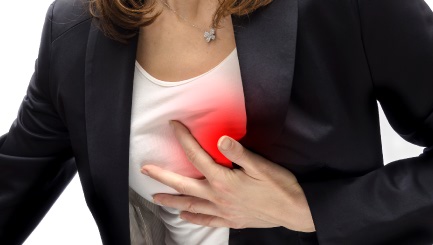
woamn heart attackThink you know what happens when someone has a heart attack? Well, did you know that a cardiac event affects men and women in different ways?


The classic cardiac arrest, as portrayed on film and TV, shows an individual struggling with chest pain or pressure in the chest area. However, women – and in particular younger women – don’t present with those atypical symptoms when suffering a heart attack. In fact, they don’t usually have chest pain and because of the lack of an obvious sign of a cardiac event, the mortality rate among women is higher than for men of the same age.


Research involving the medical records of more than 1.1 million treated at almost 2,000 American hospitals from 1994-2006 revealed that 42% of female patients came to hospital without any of the chest pain or pressure typically regarded as symptomatic of a heart attack. The figures for women under the age of 45 showed they were a third more likely than men of the same age to seek medical treatment without any pain.


The symptoms that women did have included upper body pain, nausea, light-headedness and shortness of breath. Other women reported vomiting and coming out in a cold sweat. The study showed that young women hospitalised without reporting any chest pain were 20% more likely to die from a cardiac arrest than men of a similar age.


There are four typical symptoms, aside from chest pain, that can indicate if someone is suffering from a heart attack – indigestion; pain in the stomach, neck or jaw; headaches; and fatigue.


Indigestion is a common problem but when combined with jaw, chest or back pain, it can indicate something more serious. If the individual is also anxious or sweating excessively, it’s time to seek medical help.


Unexplained pain in the stomach, neck or jaw, combined with fatigue, is another warning sign. Migraines make an individual at higher risk of a heart attack while fatigue and shortness of breath that cannot be explained should be checked out as soon as possible.


How to Recognise When a Woman is Having a Heart Attack