Showing posts with label New Drug. Show all posts


Millions and millions of people take prescription drugs every day, but few actually think about where they come from or the steps that it takes to make these medicines available. There are four steps in the development of pharmaceuticals; these include three initial phases and finally an approval by the FDA. The entire process takes between eight to 12 years.


1. Preclinical Phase


In the preclinical phase, the goal is to find an agent that can be used to treat a certain disease or condition. This involves three to four years of research, the synthesizing of compounds, the testing of those compounds in a non-clinical setting with the help of companies like Nelson Laboratories, and, often, computer simulations on how the new investigational drug may help to slow the progression of a disease or treat its symptoms.


2. Application to the FDA for Investigational Drug


If the preclinical phase is deemed successful, meaning that the compound is promising and shows an ability to treat a disease or ailment, then an application to the FDA as a new investigational drug is in order. The time it takes for the FDA to approve or deny the investigational drug trials varies, but may take up to a year.


3. Clinical Phases 1, 2 and 3


There are three clinical phases for all investigational drugs, and they must be tested on animals prior to their introduction to the human population. After animal (usually rodent) testing is completed, the three clinical phases for humans include:


  • Phase 1 – Investigational drug is given in small doses to volunteers who are healthy in order to test its pharmacology and safety.

  • Phase 2 – The efficacy of the investigational drug is studied. This involves a clinical trial with 100 to 300 patients who have the condition that the drug is designed to treat.

  • Phase 3 – The drug is given to a larger population in an attempt to back up safety and efficacy findings and to titrate the right dosage.

These phases take one, two and three years, respectively. It should be mentioned that nearly half of the medications submitted to the FDA for investigational drugs will fail in the clinical phases.


4. New Drug Application with FDA


Finally, if the drug passes through all of the clinical phases, the manufacturer will submit an application for a new drug. The FDA will complete its own review at this point, and since 1992, the FDA has worked to complete these reviews in 12 months or less. Sometimes, drugs are denied; in other cases, the drugs may be approved conditionally. The manufacturer is required to keep track of results for the first three years after approval and report adverse reactions quarterly.


Because of the processes involved in developing new drugs and getting them approved through the FDA, these medications can often be quite expensive. A vast amount of research and testing must be done long before these drugs are available to consumers.

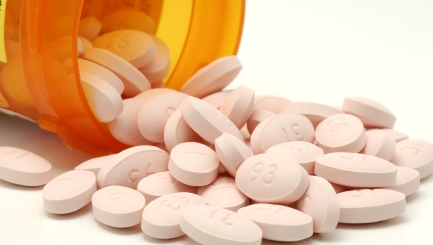
It was good news this week for Sanofi, as the French pharma company received separate European approvals for drugs to treat diabetes and cancer. The drug Lyxumia was granted marketing authorisation for use in adults with type 2 diabetes to achieve glycaemic control in combination with other treatments, while the European Commission (EC) also approved Zaltrap for use in the treatment of previously treated metastatic colorectal cancer (mCRC).


Sanofi has invested a lot of resources into expanding its diabetes activities in recent years, and so the news about Lyxumia – which is approved for use as a single daily injection alongside an oral glucose-lowering medicinal products and/or basal insulin in patients with inadequate glycaemic control – is especially important. Lyxumia is able to complement huge-selling basal insulin Lantus as an add-on therapy.


The GetGoal clinical programme is what clinched the approval for Sanofi, as it demonstrated the effectiveness of Lyxumia, as well as the drug’s limited risk of side effects. In patients with type 2 diabetes, Lyxumia was able to reduce blood sugar levels and had a beneficial effect on body weight, with only a narrow risk of hypoglycaemia. Bo Ahren, professor at the faculty of medicine, Lund University, Sweden, explained that the drug works by simulating your GLP-1 hormone, which your body usually releases following a meal. This hormone suppresses your glucagon secretion – and therefore your glucose levels – while stimulating your secretion of insulin (a hormone to reduce blood glucose levels).


Professor Ahren also clarified why there is a real need for extra treatments to help control people’s blood sugar levels. He noted some studies in several European countries, which have found that up to half of people with type 2 diabetes are unable to reach HbA1c targets. According to Professor Ahren, ‘That could be for several reasons; like the insulin causes hypoglycaemia so that the patient cannot increase the dose.’ He commented that Lyxumia has its maximum benefit for these insulin-using patients, as it helps them to control their glucose without increasing the risk of hypoglycaemia.


‘Severe hypoglycaemia can cause serve acute symptoms, and it has also been shown that repeated hypoglycaemia can cause negative effects on cardiovascular function so it can be a risk factor for heart disease,’ Professor Ahren warned. ‘So to have a treatment with very low risk is a real advantage.’ He added that Lyxumia’s ability to reduce body weight by affecting brain function to induce satiety is another plus point, noting, ‘GLP-1s are actually the first class of therapy we have that has those two effects.’

Could This Newly Approved Drug Improve Your Type 2 DiabetesAsthma is one of the most common lung problems across the UK. It is most common in childhood, but can strike anyone at any time. While it’s not necessarily worried about as a life-threatening condition, asthmatics who suffer an attack but don’t have an inhaler can find themselves with very serious breathing difficulties. That means that there is a huge focus on finding drugs and treatments that can alleviate the worst symptoms.


With that in mind there is some very good news as a team of British scientists are in the midst of developing an anti-viral drug that could protect sufferers from the most problematic asthma symptoms. The team of researchers from the University of Southampton, and respiratory drug development company Synairgen have worked on the anti-viral drug known as SNG001. They are hopeful that additional research could even lead to a cure.


The SNG001 drug has been designed to protect asthma sufferers from respiratory virus infections like the common cold. Such infections can spread to the lungs, and this is a major cause of worsening asthma symptoms. It is estimated that viral infection is associated with up to eight out of ten asthma-related emergency hospital visits.


The team tested SNG001 on 134 adult asthma sufferers with mild to severe symptoms. They discovered that the drug stopped two-thirds of the patients from developing worse symptoms after catching a cold. The drug was tested against a control group using a placebo. The authors also discovered a 65 percent reduction in asthma symptoms for the patients, causing a significant number of sufferers to reduce the amount of times they inhaled a bronchodilator.


Scientists are hoping that this drug can soon be turned into a commercial product which would be a genuine help to millions of asthma sufferers throughout the UK.


Could New Asthma Drug Prevent Life-Threatening Symptoms?

Media Hype and Medical Reality in Asthma TreatmentsChronic hives is a serious problem that affects a huge number of people all around the world. But there may be some good news as a new study has shown that an asthma drug called omalizumab could be able to help treat the debilitating symptoms of the condition. Chronic hives is also known as chronic idiopathic urticaria, or chronic spontaneous urticaria.


The clinical trial study of 323 patients looked at and analysed three different doses of the drug. It was found that the highest dose, injected once a month for three months, showed the most promise for the improvement in the patients’ symptoms. The subjects of the study, which was published in the New England Journal of Medicine, were recruited from around the world, from 55 different institutions.


It is known that chronic idiopathic urticaria hives affect approximately 3 million people in the United States of America alone. Interestingly, twice as many women as men get the condition. There are a wide range of symptoms and people with chronic hives might develop swelling of their eyes, hands, face, lips and throat. This can cause trouble with breathing.


During flare-ups, the disease can be severe enough that patients struggle to feel well enough to even leave their homes. This can cause the secondary problem that they feel socially isolated and may result in lost time from work.


Current treatment for the condition includes using antihistamines, steroids and immunosuppressive drugs. However these do not always work and this can leave a gap in how to help these patients. All of the patients in the study had suffered with chronic hives for over six months where antihistamines had not helped after one week of treatment.


Can Chronic Hives Be Treated With Asthma Drug?

The Food and Drink Administration (FDA), an organisation which protects the wellness of consumers in the USA, has just approved the use of a new drug to help arthritis sufferers. This new drug is called Pfizer’s Xeljanz (tofacitinib) and is different to anything used in arthritis treatment to date. This could be used for long-term arthritis sufferers who are not responding to typical treatment – for example, if you have been prescribed methotrexate (the usual treatment for rheumatoid arthritis) and have not found that it is having a positive effect. The new drug comes in pill format and has to be taken twice a day. This gives new options previously unavailable, to help the wellbeing of those suffering from the debilitating disease, rheumatoid arthritis. Sufferers who have previously not had a very good success rate with the typical drugs will welcome this opportunity to try something new. In fact, as many as 70 percent of patients who are on the methotrexate drug actually stop responding to it eventually, leaving them with very few places to turn in their search to beat the horrible pain caused by inflammation and swelling of the joints. Arthritis is a condition that 1.5 million Americans suffer from. The new drug, Xeljanz, does have some downsides, though. Due to the fact that it inhibits immune responses, the drug will increase your risk of getting serious infections and of contracting certain types of cancers and lymphoma. It also increases the cholesterol levels in the body and increases liver enzyme levels as well as lowering blood counts. For all these reasons, packs of the pills will come with a strongly-worded warning about the serious side effects and some safety information to help the sufferer to make a decision about taking this treatment. Other, less serious, side effects are common, such as headaches and diarrhoea. Could new drug be the answer for arthritis sufferers?

The Food and Drink Administration (FDA), an organisation which protects the wellness of consumers in the USA, has just approved the use of a new drug to help arthritis sufferers. This new drug is called Pfizer’s Xeljanz (tofacitinib) and is different to anything used in arthritis treatment to date.

This could be used for long-term arthritis sufferers who are not responding to typical treatment – for example, if you have been prescribed methotrexate (the usual treatment for rheumatoid arthritis) and have not found that it is having a positive effect. The new drug comes in pill format and has to be taken twice a day.

This gives new options previously unavailable, to help the wellbeing of those suffering from the debilitating disease, rheumatoid arthritis. Sufferers who have previously not had a very good success rate with the typical drugs will welcome this opportunity to try something new.

In fact, as many as 70 percent of patients who are on the methotrexate drug actually stop responding to it eventually, leaving them with very few places to turn in their search to beat the horrible pain caused by inflammation and swelling of the joints. Arthritis is a condition that 1.5 million Americans suffer from.

The new drug, Xeljanz, does have some downsides, though. Due to the fact that it inhibits immune responses, the drug will increase your risk of getting serious infections and of contracting certain types of cancers and lymphoma. It also increases the cholesterol levels in the body and increases liver enzyme levels as well as lowering blood counts. For all these reasons, packs of the pills will come with a strongly-worded warning about the serious side effects and some safety information to help the sufferer to make a decision about taking this treatment. Other, less serious, side effects are common, such as headaches and diarrhoea.


Could new drug be the answer for arthritis sufferers?