Showing posts with label drug abuse. Show all posts

The mental wellbeing of soldiers is often a cause for concern, and it’s not hard to see why; between PTSD and substance abuse, many soldiers face serious wellness risks both during their time in the army, and in the years that follow. Alcohol and drug abuse are frequently linked to record suicides plaguing the military. This is why a blue ribbon committee has released a report urging the Pentagon to acknowledge a “public health crisis” in the growing abuse of alcohol and prescription drugs by US troops. The Institute of Medicine panel have also called for stronger leadership in dealing with the crisis.


One of the key aspects of the report is that it highlights how behind the times the Pentagon is in dealing with the mental health problems of troops. Some of the treatment programmes offered to soldiers haven’t evolved since the Vietnam War, and the report calls for these to be brought into the 21st century. ‘Rather than continuing to use a 20th-century workforce to treat [substance abuse disorders],’ the report says. ‘[The Pentagon] is challenged to structure and staff treatment services for alcohol and drug use disorders for the 21st century.’ The panel has also encouraged the Pentagon to consider better policing of underage drinking and reducing access to alcohol on bases.


This follows Defence Secretary Leon Panetta’s recent interview with USA Today, in which he said that stronger leadership is required to reduce abuse-related suicides in the military. The panel allows that some military programmes have worked well in encouraging soldiers to seek help, such as an Army experiment in which soldiers were given access to confidential counselling. However, as this programme is only available at 10% of Army installations (six out of 60), the committee has urged that it be expanded to all bases and adopted by the Navy, Air Force and Marines.


However, even without the report’s or Panetta’s recommendations, the statistics speak for themselves: new Pentagon figures show that, since the Afghanistan War began in 2001, the rate of prescription medications handed out by military caregivers has skyrocketed. While 2001 saw fewer than a million prescriptions for pain medication, tranquilizers, muscle relaxants, stimulants and barbiturates being handed out to troops, Pentagon data shows this number soared to nearly five million last year.


The report also contains some shocking statistics. According to the panel, from 2005 to 2008 (which is the latest data available) opiate pain medication abuse increased in the military from 2% to 11%. As the Army has borne the brunt of the fighting in Iraq and Afghanistan, the problem in this branch of the military is much worse. In 2008, one in four soldiers admitted to abusing prescription drugs during a one-year period. Alcohol abuse is likewise a problem, with binge drinking (defined as the consumption of five drinks or more in one setting) was found to be 50% higher among service members aged 18-35 than among civilians. Nearly 60% of Marines engage in binge drinking.


The question remains, however, is the military ready to make the changes? Dennis McCarty, a public-health expert on the panel, asserted, ‘I think they’re ready to acknowledge that they can do better.’ Commenting on the report, Pentagon spokeswoman Cynthia Smith said military health officials ‘are in the process of analyzing [the committee"s] findings and recommendations. But most importantly, we want to do the right thing by the service member. If there are areas in need of improvement, then we will work to improve those areas. The health and wellbeing of our service members is paramount.’

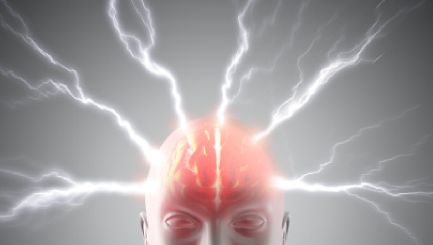
A few moments of pleasure can easily turn into a lifetime of pain for unsuspecting drug addicts.Even after an addiction has been treated, the health effects of drug addiction can linger. Sadly, many drug users will inject, ingest or inhale a substance without giving any serious thought to the consequences. Outside of lost jobs and ruined relationships, drug addicts will also face setbacks when it comes to their health.


Weakened Immune System


Drugs that are inhaled will cause damage to the nose, throat and lungs. This will lead to increased risk of lung infections and upper respiratory tract infections. Methamphetamines contribute to decreased immune function by drying out the mucous membranes. Defective mucous membranes are not able to help the body in its removal of harmful bacteria. This will allow foreign bacteria to wreak havoc on the addict’s body. Even when a drug is used just a few times, the health effects of drug addiction are plentiful, and chilling.


Brain Dysfunction


A number of drugs contain chemicals that are structured similarly to those created by the brain. Using such drugs will send those chemicals to the brain and activate nerve cells under false pretenses. Other drugs trick the brain into releasing high amounts of neurotransmitters that stimulate the reward center of the brain. In order to compensate for this release, the brain begins producing less and less of these chemicals. As a result, it becomes increasingly difficult for drug addicts to experience feelings of joy and pleasure.


Damage to the Cardiovascular System


Drugs like marijuana and cocaine will create an irregular heart rate and constrict the blood vessels. This will force the heart to work at an elevated intensity. If the heart is forced to work too hard for too long, then it will not be able to supply adequate amounts of oxygen to the rest of the body. This can result in chronic muscle fatigue, stroke and cardiac arrest.


Infertility


Long-term drug use can have an impact on a couple’s ability to conceive children naturally. Male addicts may experience low sperm count, poor sperm mobility and low amounts of seminal fluid. Female addicts may experience disruptions in their menstrual cycles and destruction of mature eggs in the ovaries.


Tooth Decay


Drugs like ecstasy and meth can cause dry mouth. Without enough saliva in the mouth, harmful bacteria will have free reign on tooth enamel. In other cases, tooth decay occurs in response to cravings brought on by drug use. For example, marijuana use produces cravings for junk food. The additional sugar will eat away at enamel.


Toxic Neuropathy


Putting drugs into the body will interfere with how the body communicates with itself. When nerves are unable to communicate, it is often the result of toxic neuropathy. This disorder produces tingling and numbness in various parts of the body.


Addicts who receive treatment may be able to regain some nerve functions. Treatment centers like the Action Recovery Group, for example, will be able to implement a safe 12-step recovery program that will help restore the mind and body of drug addicts.


Addicts are constantly chasing the euphoric feeling of their very first high. As they continue to search, they end up taking their bodies down in the process. Once they decide to get help, they can begin taking steps towards reversing some of those damages.

Could A Buzz To The Brain Destroy Your DepressionIn a new statement released by the American Academy of Neurology, a number of doctors have warned about the ethical and medical implications of prescribing attention-boosting and mood-altering drugs and chemicals to healthy kids and teens.


The statement focused on stimulants typically used to treat attention deficit hyperactivity disorder, or ADHD. Researchers have said the number of diagnoses and prescriptions have risen dramatically over the past two decades.


It was emphasised by the authors that young people with the disorder definitely benefit from treatment but the medicines are increasingly being used by healthy young people who believe they will enhance their concentration and performance in school. This is a worrying trend that could make it very dangerous.


According to the National Institute on Drug Abuse, 1.7 percent of children in the eighth grade and 7.6 percent of children in the 12th grade have used the popular stimulant Adderall for non-medical reasons. Some of those misused medicines are known to be bought on the street or from peers with prescriptions; others may be obtained legally from doctors.


In the statement, which was published in the journal Neurology, the authors advise that doctors should not give prescriptions to teens who ask for medication to enhance their concentration levels against their parents’ advice.


It’s a simple fact that prescribing mind-altering drugs for healthy children cannot be justified either medically or ethically. Also, the issue regarding children buying the drugs from sources where they don’t need prescriptions needs to be looked at as well. It clearly shows that there needs to be more control over who is getting these drugs, and that parents who find their children are taking them without prescription should look into the matter more seriously.


Why We Should Be Cautious Of Mind-altering Drugs