Showing posts with label eating disorder. Show all posts


While most of us have heard of common eating disorders such as anorexia and bulimia, another similar condition that has been around for decades is only just now beginning to gain recognition, and it can be as destructive as its more well-known counterparts. While it has yet to be included in the DSM-IV (the Diagnostic and Statistical Manual used by mental health practitioners to diagnose mental health issues), orthorexia was coined by physician Steven Bratman back in 1979.  And as the world we live in becomes one that is more and more obsessed with searching for the “right” type of diet, this type of condition becomes more commonly found amongst those who suffer.


How does orthorexia differ from anorexia and bulimia?


Unlike anorexia nervosa, where the sufferer wants to eat as little as possible, and bulimia nervosa, where the sufferer binges and purges their food in order to prevent gaining weight, with orthorexia those suffering become obsessed with what they believe to be (but what may not be) “healthy eating”.


According to Emmy Gilmour, Clinical Director at London-based eating disorder recovery clinic The Recover Clinic, “Orthorexia is when a way of eating shifts from being a choice and temporary measure to becoming part of who you are and how you live”.


In the past this condition has been confused with both anorexia nervosa and bulimia, seen as just a slightly different version of the two. But while all three are characterized by an obsession with food, it is the nuances of orthorexia that set it apart. Take for instance, a run of the mill vegan or gluten-free diet. The eater in question does need a certain amount of diligence and focus to be sure that the food they ingest is in keeping with their lifestyle diet of choice. But when it comes to orthorexia, that diligence and focus takes a dangerous turn and becomes a fixation on the purity and so-called properness of the food itself. This fixation allows them to assert authority and power in an area of their lives that they have complete control over, unlike, potentially, many other areas of life.


The line between being mindful of what you eat and being obsessed with it, to one’s own detriment, is a very thin one indeed, and one that can make recognition of orthorexia difficult. Like with other obsessive conditions, those who suffer from orthorexia often isolate themselves in order to make space for the planning and preparing of meals. They may avoid eating out or eating with others, avoiding the temptation by bringing their own food everywhere they go. Orthorexic eating has even been described as being “like a religion” where “it becomes a position and not a preference”. So while there is nothing wrong with trying to eat “clean”, the extreme side of the single-mindedness involved with healthy eating can potentially come full circle to a very dangerous place.


What is the treatment for orthorexia?


It is important to get treatment for orthorexia as one would for any other type of obsessive condition and/or eating disorder. Specialist centers can help those who can no longer help themselves but are ready to make a change.




Many people struggle constantly with eating disorders. Perhaps the most famous of them are anorexia and bulimia, which get a lot of media coverage thanks to the propensity of teenage girls to have difficulties with them. The reality of eating disorders is that they are a mental health issue that tells people that their bodies don’t look the way that they should and so they need to eat nothing or throw up their food in order to achieve the look that they want. For many people, trying to overcome these eating disorders is very difficult and they don’t really know how to do it, because facing mental challenges is not something most people have a lot of experience doing.


It may seem like suffering from an eating disorder will consume your life and that there is no way for you to fight against it. But the truth is that the disorder is in your mind and you have the power to control it. Happiness and levels of self-esteem are important factors in the fight against eating disorders – once you are happy with the person that you are, that is the time that you will be able to battle back against the conditions and lead a normal life again.


In an effort to help you to fight against your eating disorder (or disorders) we have come up with a great list of important steps and tips that you can rely on. Everyone is different and must face their condition in different ways but most people feel troubled by the same issues and therefore you can take this advice on board and really use it to help combat the problems. Once you have gained self-confidence and self-belief you’ll be able to fight off your eating disorder for good.


The first step in fighting off your eating disorder is admitting that you have a problem. For many people this can be extremely hard as they have preconceived notions about eating disorders holding them back. Remember that eating disorders can affect anyone – regardless of age, sex and any other factor. For many people, they just believe that weight loss is the only way that they’ll be able to achieve happiness, and it’s important to free yourself from this notion. If you are unhappy about yourself, it’s likely that your actually more worried about something else and you’re just using weight as a way to take out your frustrations.


There is good news – just as you have learned to believe certain things about your body, you can unlearn them as well. But it’s also important you to remember that getting rid of your eating disorder is more than about getting rid of the bad eating habits you have been going through. It is more about understand about you, your size and shape and learning about the person that you are underneath.


So what are the best things to do when fighting against eating disorders? Well, firstly you have to get ready to ask for help. This might be hard for many people, but facing eating disorders is not something that is easy to do on your own. Whether you are enlisting the help of your family and friends, or going to the doctor for professional help on the issue, the fact remains that you’ll need to get help from somewhere it order to combat the conditions properly. It’s worth getting in contact with a specialist who’ll be able to put you on the right path to recovery. This is the best way forward in order to get over your problems.

Modern society places a lot of emphasis on the way people look, especially in terms of the constant pressure to stay slim. It’s this pressure that causes people to spend so much money on diets, health foods, supplements and gym subscriptions – we all want to look good. For celebrities this pressure is magnified many times as they are constantly in the public eye and are naturally judged for the way that they look more than other people. This means that many celebrities succumb to eating disorders in an effort to stay slim and be judged to be one of the beautiful people. Many struggle with problems with their eating habits including eating less, extreme overeating, purging and abuse of laxatives, but some also have issues with over-exercising. The following seven celebrities have had issues with eating disorders in the past.


Nicole Richie


A classic name in the famous-for-being-famous category of celebrity, Lionel Richie’s adopted daughter placed her life constantly in the spotlight with a seemingly endless run of reality TV shows. She has always denied having anorexia but her intensely slim figure shows all the signs of not eating enough to the point where it becomes unhealthy. This combined with her obvious abuse of drugs and alcohol has led to her having serious problems.


Alanis Morrisette


The ‘Ironic’ singer reportedly had her share of problems with anorexia while she was trying to break into the music industry. When you are trying to make a name for yourself in such a competitive business it’s not surprising that many people find themselves under pressure to look a certain way. Alanis saw a therapist to get over her problems with her health – she has publicly blamed overbearing men putting pressure on her at the beginning of her career. She now campaigns for women’s rights on the issue.


Victoria Beckham


Of course we all know Posh Spice, Mrs David Beckham, and the rumours that bounded around during her days in the Spice Girls. At the time she denied entirely that she had any problems with eating disorders, but has since admitted that she did have a problem. Spice Girls’ management pushed for the girls to be as thin as possible, and Victoria suffered the most, pushing herself to be slimmer by purging and heavily calorie counting.


Elton John


Elton John’s flamboyant character left him with a number of problems – he has suffered with addictions and bulimia. What makes Elton John a more unique case is the fact that he is male. Most male celebrities do not admit to having eating disorders as it is often considered to be a ‘woman’s problem’.


Anne Sexton


Anne Sexton was an American poet. She might not be a household name now, but at the time she was extremely popular. She suffered from anorexia and depression, and many of her poems revolve around feelings of starvation. Her feelings of hopelessness did not stem from her celebrity, but nevertheless, the pressure of life in the public eye cannot have helped.


Diana, Princess of Wales


Princess Diana gave a heartfelt speech on her problems with bulimia and self-mutilation in 1994, she was already loved by the British public for her humanitarian efforts, but this revelation gained her even more sympathy.


Mary-Kate Olsen


It had often been suggested that Mary-Kate was struggling with an eating disorder. She had been intensely skinny and when she did finally check herself into a clinic for treatment it did not come as a surprise to many people. She has since recovered and overcome the disease.

The Pregnancy DietThe issue of anorexia and other eating disorders are well-known to most people, but people rarely consider these types of illnesses in pregnant women. Also known as ‘pregorexia’, though this is not a clinical or medical term, this condition is not only harmful to the individual herself but also to her unborn child. Though it goes against one’s motherly instinct to cause harm to her baby, women who suffer from this condition cannot bring themselves to eat – the mental effects of anorexia are often too strong to overcome.


This condition can occur both during pregnancy and after the birth of the baby, and may involve symptoms such as restricting her diet, exercising too much, bingeing on food or purging after meals. Women who find themselves in this situation may have already had an eating disorder before pregnancy that was never diagnosed or treated, which could resurface during this stage in a woman’s life, or it may stem from body image issues which worsen during such dramatic bodily changes. In people with eating disorders, whether established or newly diagnosed, cognitive distortions are common which cause people to view themselves differently to how they really are – this means that no matter how thin a person becomes, they will only view themselves as overweight.


Beyond the psychological effects of pregorexia on the woman herself, the damage to the unborn baby is serious – there is a risk that the baby will be born with learning disabilities and cognitive damage, and even a risk of miscarriage or stillbirth in cases of this condition. You should be aware of the signs of pregorexia, such as skipping meals or over-exercising. If you think you may be suffering from this illness, it is vital that you seek help from your GP as soon as possible in order to limit the damage to both you and your baby.


How To Spot Eating Disorders During Pregnancy

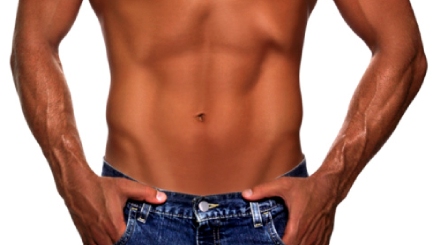
Combination Of Diet And Exercise Can Achieve A Flat BellyWe can sometimes fall into the stereotype of thinking that eating disorders are something that only affect women. While it is true that many women do suffer from a bad body image that leads to them not eating correctly, the same is true of a growing proportion of men as well.


Bulimia, anorexia nervosa and other eating disorders are no longer just territory for skinny teenage girls but are now relatively common in men too. It is thought that a large number of men are starving themselves or doing excessive exercise in an attempt to look like the pictures of models that they see in men’s magazines.


However, experts say that neither men themselves, nor most doctors, think of males as being at risk for these illnesses. This could be a very worrying sign as it shows that many people don’t even consider men with eating disorders to really be a problem. This is problematic as recent studies suggest one case in three of anorexia nervosa is a male, and that figure is one in four for bulimia.


Because eating disorders have been so long considered ‘women’s problem’ they now come attached to a lot of stigma and isolation. This can make it very difficult for men who develop eating disorders first to accept this is the case, and then to have the courage to admit it and seek some treatment for the problem.


If they do seek treatment and find themselves in a therapy group with a number of women where they are the only man this can only make things worse. Yet it is known that men develop eating disorders for the same reasons women do. It is very important that there is more education about how eating disorders can affect anyone.


Men Starve Themselves To Look Like Magazine Pictures