Showing posts with label pancreas. Show all posts

If you’re on a diet, and focusing on your nutrition, then you will already know that sugar is the biggest enemy to your wellness and wellbeing that you can possibly imagine.


Unfortunately, most of us are raised to think that sugar is a treat, as it is often used as a reward for young children when they exhibit good behaviour. Nothing could be further from the truth than this, however, as research is increasingly showing that sugar is absolutely toxic and leads to many of the worst diseases, such as heart disease.


Leading doctors now agree that sugar is one of the worst enemies to your health, and should be avoided as much as possible. Chinese medicine has recognised this problem for many years, too, especially in relation to a problem that they call ‘depletion and thirst syndrome’, also known as diabetes.


The pancreas is designed to deal with excess sugar in the body, by producing and releasing insulin. This is the hormone that carries sugar from the bloodstream into the cells of the body and the body tissues, too. When you take in simple sugars and foods containing refined carbohydrates, your body then requires a quick release of the insulin hormone, which then leaves your pancreas depleted. This quick release later leads to low blood sugar (hypoglycaemia). Your body starts to crave more sugar to replace the depleted supply, and thus a vicious cycle is formed, which will eventually cause your pancreas to stop being able to function properly, leading to diabetes. If you have diabetes, your sugar stores up and starts to cause problems inside your body.


Whilst sugar consumption on the whole has decreased in recent years, fructose and corn syrup intake has increased, and it is just as harmful. Products such as tomato ketchup, bread, cereal, granola bars, fast foods and salad dressing are absolutely loaded with this harmful sugar.

You might have never heard of Zollinger-Ellison Syndrome (ZES), but it is a serious condition that was drastically affect the wellbeing of anyone who has it. The syndrome is a complex health problem in which one or more tumours form inside of your pancreas or in the upper part of your small intestine, known medically as the duodenum. These tumours, which are called gastrinomas, secrete excessive amounts of the hormone gastrin, which in turn makes your stomach believe it needs to produce a large amount of acid. The excess acid, which is not serving any purpose, leads to peptic ulcers.


It’s true that ZES is quite a rare condition. It’s known that the disease can occur at any time in your life, but people are usually diagnosed when they are somewhere between 30 and 50 – this seems to be the age where the disease can be most potent. The standard treatment for the disease is just that – a treatment rather than a cure – you’ll need to take medications to deal with the stomach acid and get rid of the ulcers.


What are the symptoms of ZES?


So, how do you know if you have ZES, or if it’s worth going to the doctor about potentially suffering from the syndrome? There are a number of tell-tale signs that you may have problems with the condition. These can include abdominal pain, diarrhoea, a burning or aching sensation in to your upper abdomen, issues with heart burn and acid reflex, nausea and sickness, general weakness, bleeding in the digestive tract, decreased appetite and unexpected weight loss.


It is definitely worth seeing your doctor if notice that you have a persistent, burning, aching or gnawing pain that is aggravating  your upper abdomen, especially if you’ve also been experiencing nausea, vomiting and diarrhoea. Of course, it’s worth pointing out that these symptoms are fairly common among many health problems


Talk to your doctor if you’ve used over-the-counter acid-reducing medications such as omeprazole often referred to as Prilosec, cimetidine often referred to as Tagamet, famotidine often referred to as Pepcid or ranitidine often referred to as Zantac for long periods of time and this can make a very big difference. These medications are known to be able to mask some of your symptoms, which could delay your diagnosis and allow doctors to prescribe a more effective all round medical treatment. If you have Zollinger-Ellison syndrome, early detection and treatment are important.


What are the causes of ZES?


While there are many people who suffer with ZES, the exact cause of ZES remains relatively unknown. However, we do know that the sequence of events that occurs in Zollinger-Ellison syndrome is clear. ZES starts off with the formation of one or more tumours, known as a gastrinomas, form in your pancreas, duodenum or the lymph nodes adjacent to your pancreas.


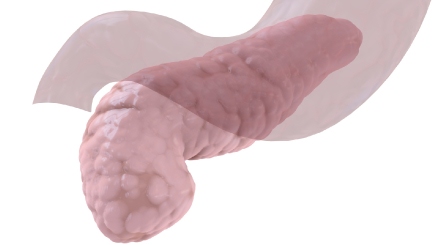
As you might know, your pancreas is based behind and below your stomach. Its role in the body is to produce enzymes that allow you to digest your food. The pancreas also produces several hormones, such as gastrin, which is a hormone that runs the stomach acid production and tells your body how much you need. Then the digestive juices, taken from the pancreas, liver and gallbladder mix together in the duodenum, which is the part of the small intestine next to your stomach. This is the point where digestion is at its most potent and you are breaking down the food that you’ve eaten.


The tumours that happen with ZES are made up of cells that secrete large amounts of gastrin, which in turn causes the stomach to produce far too much acid. The excessive acid then leads to peptic ulcers and sometimes to diarrhoea.

Could A Diabetes Drug Help You To Fight Alzheimer’s DiseaseA Singaporean man, Mr Shawn Huang, aged 29, has become the first ever person to have his pancreas and his kidneys replaced during the same operation.


This major surgery was intended to restore the wellness of Mr Huang, who suffers from type 1 diabetes. This landmark operation should improve the future wellbeing of the patient significantly, as he has suffered with diabetes all his life, and was diagnosed at the age of just 14. This form of diabetes is caused when the human pancreas malfunctions and does not produce enough insulin.


When the pancreas does not produce sufficient insulin, the sufferer can become very ill, as insulin is a hormone that regulates the blood sugar levels in the human body. Sufferers of type 1 diabetes have to have insulin treatment on a daily basis throughout the course of their life.


For Mr Huang, however, things took a turn for the worse in August 2011 when his kidneys began to fail. He was forced to sign up to the waiting list for a donor kidney. Prospects did not look good for him, as the typical wait for an organ transplant is between eight and nine years. A patient who was suffering from type 1 diabetes in conjunction with kidney failure would not live long enough to see this transplant, as statistics have shown that only 38 percent of type 1 diabetes patients who have kidney failure live longer than five years.


Luckily for Mr Huang, the dual pancreas and kidney transplant operation became available for the first time ever recently, and he was given the potentially life-saving operation. Patients who receive a double transplant of a pancreas and kidney live around 10 years longer than those who simply have a kidney transplant, research has shown, so the prognosis for Mr Huang is now excellent. He will now no longer have to monitor his blood sugar levels on a daily basis and will be free from the constraints of an insulin-injecting regime.


New Hope Offered To Type 1 Diabetes Sufferers

The Artificial Pancreas, what it is and what it doesA recent diabetes drug has shown an increased risk of patients developing pancreatitis, according to new research. Scientists at the Johns Hopkins University School of Medicine suggest that the risk is doubled through taking the new treatment, which is called GLP-1 or glucagon-like peptide-1. Whilst these drugs were effective in controlling the blood sugar, they also cause inflammation and lesions on the pancreas. In the first study of its kind, researchers are looking at how closely pancreatitis is linked to type 2 diabetes and its medications. Within the study, they also looked at risk factors which can increase the chance of developing pancreatitis, such as obesity and alcohol consumption.


The signs of pancreatitis include persistent nausea, vomiting, severe pain in the centre of the stomach, loss of appetite, fever and jaundice. Pancreatitis is a potentially life threatening disease which causes the pancreas to become inflamed and swollen. This small organ is located below the ribcage, behind the stomach. It aids the digestive system by producing digestive juices which help to break down food in the stomach. It also creates hormones, such as insulin, which helps glucose to regulate the sugar levels in the blood.


The study involved 1,269 people who suffered with type 2 diabetes and were taking at least one medication to treat the disease, between 2005 and 2008. These people were matched with 1,269 diabetes sufferers not taking medication, to compare their symptoms after the trial period. These were controlled in addition to other known contributing factors that can lead to pancreatitis. Diabetes is a condition which is largely affected by your lifestyle, such as your diet and amount of physical activity. If you’re concerned that you may be at risk of diabetes, you should speak to your GP who can determine whether your lifestyle could cause this to develop.


How Does Diabetes Medication Impact Your Pancreatitis Risk?

The Artificial Pancreas, what it is and what it doesFor the first time, scientists have described how diabetes drugs thiazolidinediones (TZDs) work on your pancreas. The study, published on the journal Diabetes and edited by the American Diabetes Association, has discovered and explained the pharmacological action of TZDs directly on the insulin-producing organ.


The study was led by professor Carme Caelles, from the Cell Signaling Research Group from the Department of Biochemistry and Molecular Biology (Faculty of Pharmacy), together with the team of Dr Ramon Gomis, from the Hospital Clínic of Barcelona (IDIBAPS). These researchers carried out tests with laboratory animal models to discover their results.


Insulin, produced by the pancreas, is the main hormone responsible for regulating your blood sugar levels. Type 1 diabetes, and a need for daily insulin administrations, develops when your pancreas does not produce enough insulin. Type 2 diabetes, on the other hand, is linked to being overweight and physically inactive, and occurs when your body is resistant to insulin, and does not use the hormone effectively. This is the diabetes type that the researchers looked at.


Type 2 diabetes is the most common form of diabetes, affecting the wellbeing of 85-90% of all diabetics. It often shows no poor-wellness symptoms at first, but leads to insulin resistance, which produces hyperglycaemia. This means that your tissues don’t answer the hormone signal and your cells therefore cannot absorb insulin. In response, your pancreatic β-cells produce extra insulin, and this can cause pancreatic hyperplasia. Drugs can improve your blood sugar control in diabetes, and the focus of this study was on TZDs, which are taken orally to reduce insulin resistance and exert insulin-sensitizing action directly on tissues.


Caelles explained, ‘the action mechanism of TZDs is not well known yet. Their receptor (the PPARγ) has been identified; but we do not know yet how they act at molecular level.’ Researchers have already established that TZDs inhibit JNK kinase (c-Jun N-terminal kinase, which inhibits your insulin signals), and Caelles added, ‘Then we proved that the pharmacological action of TZDs includes JNK inhibition and this effect is more effective on adipose tissues, where PPARγ is mostly expressed.’ So that’s JNK and tissues sorted, but what about the pancreas?


Caelles remarked, ‘we knew that pancreatic β-cells also have the receptor PPARγ, but now we know that TZDs have a role in central insulin resistance. All the pharmacological actions described were attributed to the receptor expression in peripheral tissues, such the adipose (peripheral insulin resistance).’ Thanks to this discovery, the team is now looking to analyse the physiologic and biochemical answer of β-cells in animal models in extreme conditions, such as a high-fat diet and peripheral insulin resistance. They also hope to uncover how the insulin resistance mechanism evolves in ageing.


Diabetes Drug And Your Pancreas: Study Finds The Answer