Paying attention to the foods you eat isn’t only beneficial for weight loss and your general wellbeing; it’s also a great way to boost your sexual health. Aphrodisiacs have long been used to get couples in the mood for a good bit of love-making, but they can also be highly nutritious and improve your health and wellness.
Both sex and food are closely related to being pleasurable and physical, and this is where aphrodisiacs come into play. Aphrodisiacs are named after, Aphrodite, the Greek goddess of love, fruitfulness, and beauty, and may have a direct effect on the erogenous zones – making you feel like your own Goddess. According to an ancient worldwide belief called The Doctrine of Signatures, plants give you hints as to what they are good for, by the way they look, smell, taste, and grow, and these factors in aphrodisiacs may remind you of sex in some way. You should enjoy aphrodisiacs for anything from half an hour to an hour before sex, but good overall nutrition is imperative to health and sexual vitality. When you are in poor health, your sexual vitality decreases. Now we’ve got that clear, let’s take a look at some of the foods that can help to get you in the mood:
1. Grains: It’s no wonder that people throw rice at weddings, as rice is one of the grains that can leverage your libido. Other arousing grains include barley, buckwheat, corn, millet and oats.
2. Water Element Foods: The water element, or kidney, is seen as governing sexual vitality in Asian medicine, which is why practitioners recommend foods that speak to this element; namely foods that are black, blue and/or salty. For a healthy sex life the Asian medicinal way, try chia seeds, miso, black olives, sea vegetables, black sesame seeds and blueberries.
3. Asparagus: This vegetable, and others that have a suggestive shape, were cultivated by the Arabs and Greeks as an aphrodisiac. English herbalist, Nicholas Culpepper (1616-1654) even commented that asparagus ‘stirreth up bodily lust in man and woman.’
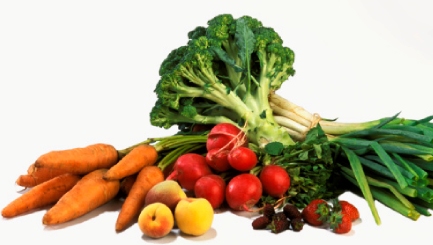
4. Root Vegetables: Shitake mushrooms are used in China, particularly by women, to get you in the mood, while other roots like carrots, dandelion and burdock are thought to help energise your lower chakras. According to a Japanese proverb, ‘A man who likes carrots, likes women. It would be unwise to serve your beloved wilted carrots.’
5. Spices: Garlic and onions are so warming and stimulating that Egyptian priests and devout Hindus were forbidden from consuming them, as it was believed that these spices make you lose control over your sensual desires.
6. Celery: Not only does celery have the phallic shape that a lot of aphrodisiac users are after; it contains a women-attracting substance called androsterone. This is released in your sweat after your consume celery, which is why the vegetable has traditionally been included in aphrodisiac recipes.
7. Artichokes: Again, a little visual imagery is at play here as artichokes represent an unopened flower (draw whatever conclusions from that as you will). In the 1700s, Paris street vendors used to cry out ‘Artichokes! Artichokes! Heats the body and the spirit. Heats the genitals!’ Well, if you want advice on sex and food, you can’t go wrong with asking the French!
8. Secret innuendos: In France, the word for beetroot – better-ave – is slang for penis or “man root”. Similarly, down in South America, the word ahuactl (which we know better as avocado) means testicle.
9. Phosphorus: Found in chutneys, curries, salsas and hot foods, phosphorus stimulates circulation and your sex organs.