Good


Diets are all over the place. Whether they’re about improving your nutrition, losing weight or simply boosting your wellness and wellbeing, going on a diet can be really bad for your health. Fad diets are the worst for this – you’ll recognise a fad diet because everyone will be going on about it for a short period of time, and then they will find that it’s unsustainable and will move onto the next thing.
Fad diets tend to make all kinds of impossible claims. They seem to set themselves up as some kind of ‘miracle’ and tend to say that the dieter will lose a staggering amount of weight in a very short space of time. There is often some kind of celebrity spokesperson who illustrates how effective the detox/starvation routine can be. They are often pictured in a tiny bikini, showing off a very slender body is if to say that any of us can look like that in just six weeks, when the reality is far from being the case. This celebrity will talk about how much her life has improved since going on the diet, and there will never be any mention of the subsequent weight gain (or how all her pictures for the shoot have been airbrushed).
Something else to bear in mind – fad diets are boring. When you’re counting out every calorie or every gram of fat, life can become pretty dull – and unfortunately you can become pretty dull too. The only thing worse than a boring diet is a boring dieter, droning on about the calorie content of things or how they’ve cut out certain food groups or that they are having their life changed by some kind of unsustainable milkshake diet.
Unfortunately, it’s also the case that any weight loss through a fad diet is likely to be regained, with a few more extra pounds to keep it company!

Our diets are so important in creating a healthy body and maintaining a balanced weight, but what foods can you eat to burn fat? Most of the time, exact ingredients or quantities aren’t listed so it can be tricky knowing what to eat. Eating a varied diet is, of course, important but there’s always room for improvement. Low carb diets aren’t necessary or overly effective when it comes to long-term weight management, but there are some advantages to a higher protein diet for fat loss purposes, according to recent studies. It’s believed that these include a lowered appetite, ‘automatic’ control and a higher thermic effect from the food. In the past, nutrition experts have advised that almost any hypocaloric diet that follows some semblance of logic can work, at the very least in the short term. But it’s not so much about the low carb argument – it’s more to do with the control of your calorie intake and compliance. Restricted diets can be difficult to maintain, which means that more often than not we end up falling off the wagon. The best way to burn fat is to shift away from pointless diets and opt for building a programme that helps to achieve results without missing out on the enjoyment of food.
Eating a wide variety of high nutrient-rich foods that are low in calories is the best way to do this. You’ll avoid the fat but stay within the muscle-building guidelines. While commitment is still necessary, you’ll be more inclined to stick within the guidelines if you’re eating delicious food that’s good for you. So to begin with, you need to know what ingredients you can use within your diet. Where carbohydrates and whole grains are concerned, oatmeal, brown rice, white potatoes and sweet potatoes are all great choices. Beans are also ideal for padding out meals with healthy carbs. Vegetables are, naturally, great for you but some are better than others. Broccoli, spinach, asparagus, tomatoes, salad greens and peppers are all fantastic bases for meals. If you want to add protein to your meals, you should look to chicken and turkey breasts, salmon, egg whites and steaks. Fruit is high in sugar but it’s still loaded with nutrients, so look to oranges, bananas, grapefruit, apples, blueberries and melon. Pineapple, strawberries, grapes and peaches are also fine. Healthy fats are necessary to get your dose of omega oils, so be sure to include almonds, extra virgin olive oil, walnuts, flax-seeds and avocados.
Dairy products are a difficult topic, because so many people believe them to be bad for our health. Dairy is vital for our health, as you need the calcium and vitamin D, but opt for skimmed versions to avoid the calories. With this diet, compliance also plays a part so you can give yourself two or three meals a week where you can eat whatever you want – pizza, sushi and other meals not on the list. You need to be able to treat yourself to foods that you’re craving in order to stay motivated to continue. Consider yourself healthy 95 per cent of the time, then the odd treat won’t make that much of a dent in your diet plans. Too much fat in your diet can lead to a number of health problems, from heart disease to strokes, so it’s vital that you amend your lifestyle to accommodate a healthier way of living.
Extreme, fad diets come into the mainstream every day, so much so that we’re very rarely phased by them. But sometimes diets come into our line of view and really make us take notice. The HCG Diet is one such calorie-restrictive scheme, but this time it involves needles as well. For many people, the stress of daily life and all that that encompasses can become a little much. Our health invariably drops to the bottom of the priority pile and we find ourselves feeling the brunt of many years of neglect. Desperate times call for desperate measures, and for some this means relying on the HCG Diet. The diet itself consists of eating no more than 500 calories a day, then giving yourself shots of human chorionic gonadotropin hormone once a day. The results, supposedly, speak for themselves – curves in all the right places, no extra fat and a glowing complexion. According to studies, HCG levels are at their highest in pregnant women and seem to be extracted through urine or created synthetically. The main focus of the diet is that the hormone forces the body to mobilise fat and use it for energy, much as it does during pregnancy when it nourishes the foetus. And when this is combined with a calorie restrictive diet, it also ‘resets’ your metabolism.
There’s been much discussed surrounding this diet by dieticians, as there is with any new craze. The claims are that eating so few calories would kick-start the weight loss regardless of the hormones, Furthermore, some men experienced side effects such as altered testosterone levels. For those undertaking the diet, the maximum number of days is 45 – after this, the body becomes immune to HCG. This is a solo endeavour, which frightens a lot of people. The concept of injecting yourself in the thigh on a daily basis may seem scary, and it will hurt, but it’s not an unbearable pain. In addition to this, you also inject yourself in the waist with vitamin B12 three times a week to up your energy levels. Once you’ve reviewed the diet plan with your consultant, you’re entirely on your own. But this isn’t always a bad thing. It means that you can be responsible for what you eat and there’s a level of flexibility within that, though not a massive amount.
The diet is strict, involving no carbs, dairy, alcohol or sugar. In small portions, you’re entitled to organic meats, fish and vegetables. In the early stages, it’s natural that you’ll crave the sugar for an instant energy boost and you’ll feel drained. But then you’ll start to see the effects – you’ll have more energy, your skin will glow and the whites of your eyes will be brighter. Once a week, you’ll return to the clinic where you’ll be weighed and assessed, with your HCG supply refreshed as well. There are things to remember, as with any diet, and risks to take into account. For example, as you begin to lose the weight, the injections will begin to hurt more as there will be less fat cushioning the needle. Some reports show women losing up to 25 pounds in 45 days, an impressive statistic. However, such a risky diet does require medical supervision and advice beforehand. It’s advised that anyone with health issues or concerns about the possible side effects should consult their GP before taking part in the HCG diet. If you’re sensible about dieting and don’t do this for longer than the 45 day advised, this could be an effective form of weight loss.
People who are overweight have often tried every diet in the book. Some diets work well at first and then the effect seems to wear off. Some diets are impossible to stick to. Some diets are easy to stick to but ineffective. Others are truly dangerous, and damaging to your wellness and wellbeing. It can be really hard to sort through the dieting minefield, and low carb diets are just one of the many unknown factors in the dieting world.
Low carb diets are generally very popular due to the fact that people who go on low carb diets frequently see really good results. Low carb diets tend to result in quick weight loss and people can lose quite a lot of weight on them too. They are also great for people with diabetes. Diabetics find that a low carb diet can help them to lower their blood sugar levels. The weight loss that occurs on low carb diets is also beneficial for diabetics. Low carb diets steer you away from bad carbs, such as bleached flours and refined sugar – as these are the kinds of carbohydrates that can be addictive, it is really good to find a way of reducing the amount of ‘bad carbs’ that you have in your diet.
Whilst steering clear of these ‘bad’ carbohydrates is undeniably a great idea, steering clear of all carbohydrates may not be. There are plenty of good carbohydrates in things like fruits, vegetables, beans and whole grains, and these foods are actually good for you and don’t need to be eliminated from the diet. People who are on low carb diets also often have a lack of dietary fibre, and this can lead to problems with constipation. In addition to this, low carb diets tend to need to be stuck to for life, because when carbs are reintroduced, the weight can pile back on quickly.
New diets grab the headlines every few weeks, which makes it incredibly hard to choose when – how do you know which are the real deal and which are just fads? Studies suggest that people on low fat diets lose just 7lbs on average over the course of two years, Mediterranean diets enable people to lose 10lbs and the low carb diet enabled people to lose 12lbs. There were also very few health benefits to a low fat diet. Those on a Mediterranean diet saw their blood sugar levels improve and the low carb diet offered the best results for cholesterol levels. When it comes to choosing the best diet for your health and goals, it’s important to first discuss it with your GP – they will help you take any other health concerns into account, and to draw up a plan that works best for you.
A low carb diet, such as the Atkins diet, emphasises the protein and fats in the food you eat. People following this diet can eat around one third of their daily calorie intake from carbs. Many fruits and vegetables are considered high in carbohydrates, so this diet can be incredibly bad for your health and it limits your meal options. Sugar is also restricted, as with most diets. The theory behind this meal plan is that by lowering your intake of carbs, you can lower your insulin levels to force your body to burn stored fat for energy People do lose weight with this type of diet, but it can be incredibly straining on your health. Surprisingly, it can also be very challenging to restrict your intake of fruit, grains and sugar. Because you lack energy, your level of fitness suffers which means you will struggle to workout for as long. It can be stressful on your heart and can lead to a number of health problems.
The Mediterranean diet is the opposite, as this relies heavily on your intake of antioxidant-rich fruit and vegetables, whole grains and heart-healthy olive oil. You can even drink a glass of merlot with it! Research shows that it can lower the risk of cancer, heart disease and even Alzheimer’s disease. It can also improve your lifespan by keeping you healthier for longer. Thanks to its rich intake of oily fish, you’ll also get plenty of omega-3 fatty acids which can do wonders for your health. This leads on to the vegetarian diet, which studies show can also be very healthy thanks to the high quantity of vegetables, fruit, whole grains and lean protein, such as tofu. if you’re struggling to go vegetarian straight away, you may want to ease into it by still eating fish for a while, then going on to alternative protein sources, such as tofu or meat substitutes, nuts, lentils and beans.
A balanced diet is important, so you should aim to still eat certain fats – the trick is to choose your sources carefully. Switching diets drastically can be harmful to your health, so it is best to ease into it if you can. You may also be wise to speak to your GP first to ensure that it is safe for you to switch to. For example, if you’re vastly overweight or suffering with a health condition your body may be under stress – it may be worth easing into a new diet plan and exercise so as not to put your body under strain unnecessarily. They will be able to advise the best way to go about losing weight, and switching your lifestyle up for healthier choices.
Diets go through some bizarre fads but how do you really know if they’re effective? In one of the most random acts of weight loss, the media published a story a few years ago that claims a man at college dropped 245 pounds by eating nothing but Subway sandwiches. There’s no shortage of weird diets on the market, with companies and experts clinging to anything that offers the slightest hint of weight loss. Some dangerous, some effective, some simply bizarre, diets are a big business. However, the more random diets tend to rely on foods people enjoy eating, so they tend to be easier to stick to. One of the weird diets researchers have found to have mixed effects is what is known as the Tailgater’s Diet – this relies on consuming around 1500 calories a day from sausages and craft ale. Psychologically, it’s an easy one to stick to because the foods are appealing and tasty. However, as a long-term solution for weight loss, it has no nutrients and will cause a problem for your health. Protein is a great way to fill up though, so it’s a good idea to use it with each meal to stave off hunger – lean meats or tofu and legumes are great sources.
The bacteria diet works by you consuming the kinds of foods which plump up the amount of healthy bacteria in the digestive tract. Creator of the diet, Stella Mestovas, found that in each of her clients who ate at least half a cup of probiotic-rich foods each day, each lost around 21 pounds over six months. This is all without cutting any calories from their diet. Despite the unappealing name, this diet can actually be very effective in regulating your appetite and metabolism. A better balance of healthy bacteria in the gut can prevent weight gain, so try eating some fermented foods each day. Sauerkraut and kimchi can be great options, as these have healthy bacteria in them. Love Starbucks? Christine Hall, aged 66, reportedly lost over 75 pounds over two years simply by surviving on Starbucks and sticking to a 1000-calorie a day diet. Hall claimed that the portion sizes helped her to limit her overall calorie intake, helping her to lose weight. It doesn’t need to be just Starbucks, though. You can download apps that monitor the calorie intake of fast food, to help you estimate what that bought lunch will cost you, weight-wise.
It may not be the most appealing diet, but the cabbage soup diet has had its time in the spotlight. You only need to be on it for a week to see results, but the downside is that it’s boring – breakfast, lunch and dinner all consist of the same veggie meal. You can lose up to 10 pounds on this in just a week, but the boredom factor means many people give up after just a couple of days. The soup includes half a head of cabbage, cooked with green onions, tomatoes, green peppers, celery, mushrooms and carrots. The copious amounts of liquids mean you’ll feel relatively full, as well as having less room for high-calorie foods. Any low-calorie and low-salt soup eaten 15 to 30 minutes before a balanced meal will help to keep you fuller before you overeat on fattier foods. With this variation you won’t lose weight as quickly, but you’ll also be able to eat a more balanced diet overall, stopping you from skipping vital nutrients. You can also try drinking water before meals for the same effect.
A popular diet for many years now, the Atkins diet consists of using already-stored fat deposits in the body as energy to create a fat burning machine out of your own metabolism. It does this by removing carbohydrates from your diet so that you don’t use them as an energy source – once they have been removed, you body can use fat instead to burn off calories and help you to lose weight. Initially, those following this diet remove all carbs from their food intake and survive of protein instead, then gradually re-introduce carbohydrates back into the diet after some time has passed.
The process of shifting your metabolism from using glucose as energy to using fat is known as ketosis, which means you can eat fat-rich foods and still lose weight. Because the production of glucose in the body is kept to a minimum, and your body doesn’t release insulin, it can even help to prevent diabetes. This form of diet is still extremely popular, and it’s status as an effective diet doesn’t appear to be fading any time soon. What makes it so appealing to people is that they don’t have to cut out the usual sins of a diet, which are high-fat foods. Naturally, given the inclusion of so much fat, it has been under scrutiny by many experts as being bad for your health. This hasn’t stopped millions of people from following its practices and rules though. It remains one of the most popular diets ever to have been devised, despite the risk it poses to people’s health over time.
The Atkins diet is easy to follow an follows a pyramid scheme of foods that you can include – you can have a lot of protein sources, such as meat and eggs, but whole grains are kept to a minimum at the top of the grid. To keep you from getting bored, and to introduce a little variety as you go along, you can begin to include low-carb foods once you’ve been on the programme a while – eventually you can begin to eat a few carbohydrate foods as well. This type of diet that enables flexibility is great for dieters as it stops them from getting bored and giving up – the main cause of so many diet failures. The Atkins diet relies heavily on the body’s natural functions, so it alters the way our bodies work by causing it to metabolise fat and use the very thing we’re trying to lose as energy. This means you’ll see both short-term and long-term effects. In the short-term, your body will lose the weight by burning the fat you already have stored, meaning you’ll see results quickly. In the long-term, your body is being prepared for metabolising differently so that you can include the right amount of carbs without gaining weight again.
There are risks attached, such as potential risks to your heart due to the inclusion of so much fat in your diet that may clog up your arteries or cause blood clots, as well as the risk of developing kidney stones. Because you are cutting out certain food groups, you’re also risking other areas of your health such as your bones. As with any diet shift, you should seek the advice of your GP before drastically changing your diet. There may be pre-diagnosed health risks that may make this unsuitable for you. However, maintaining a healthy weight is important, so if you are obese then you should seek out a way to return to a normal weight to avoid any undesirable health concerns.
A new diet has emerged claiming that people who limit their sugar intake to just 100 calories are more able to lose weight. This means that just two apples could tip you over the edge of your recommended amount! Fitness experts are claiming that hidden sugars in foods are the reason behind stomach fat, and by cutting back on them, you’ll find losing weight a lot easier. It’s thought that those who followed the plan for four weeks lost an average of 18lbs. There is an easy way of deciphering what sugar lay lurking in your meals, so that you don’t go overboard. It’s a simple equation – you need to times the total carbs by four. So, for example, there are 20 total carbs in an apple – multiply that number by four and you’re left with 80 sugar calories, nearly your entire quota for the day. Not only are sugars bad for your weight, they have also been linked to heart disease, cancer and diabetes.
This diet rules out many of the foods that were once on the safe list for dieters, such as brown rice and fruit, that can lead to damage due to their high sugar content. The diet requires a lot of willpower, as it relies on many foods being removed from your diet, but it seems to offer great results in terms of weight loss. The diet has an accompanying book which offers people diet tips, shopping lists and meal ideas, to help them stick to it. Experts claim that this diet is far more effective that the Atkins diet, though it falls down on its lack of flexibility.
The lack of flexibility may be outweighed for some, though, by the surprising treats you’ll be allowed in place of fruit, bread and rice. Whipped cream and red wine, for example, are fine as they only contain 14 sugar calories, so these don’t pose a problem in terms of your diet. Of course, exercise still plays an important part, as with all weight loss diets. If you’re starting a new diet, speak to your GP first to ensure it is safe for you to try.
The hardest thing about losing weight is the length of time that it takes. It can be so daunting to set out on a new diet, and to know that at the rate of one or two pounds per week (the healthy recommended amount of weight loss), it will take months or even years to reach your goal weight. People understandably want to see results quickly, especially when they are doing something as enormously difficult as changing their eating habits. This often leads people to try faddy diets, which promise that they will see results in a short space of time, but the problem is that, often, these types of diets are not good for long-term wellness.
One of the reasons that fad diets don’t work, long term, is that they are not sustainable. They often focus on eating one type of food in isolation, or cutting huge areas of food out of the diet altogether. In order to be sustainable, diets have to be something that you can maintain after the first flush of weight loss is over. As well as being unrealistic, however, these diets may also be damaging to your wellbeing – if not downright dangerous.
Fad diets are unhealthy for a number of reasons, and yet magazine editors continue to promote them.
One of the main reasons that they are unhappy is because they restrict certain food groups. This means that the diet is not balanced, and this can cause all kinds of nutrient deficiencies. Fad diets can also make you feel really run down and lacking in energy, which affects your ability to exercise as well as to enjoy your life.
The huge reductions in calorie intake which can be part of the diet can also slow down your metabolism, making it harder rather than easier to lose weight. When you do finally give up on the restrictive diet, as so often happens, the period of restrictive fasting can make you eat twice as much when the diet comes to an end, piling on more weight than you started with.
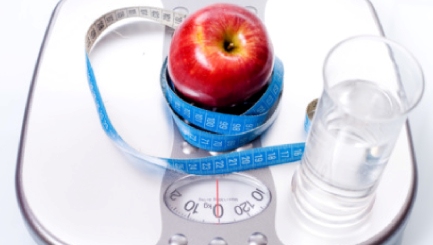 Diets can be hard to stick to when hunger hits, especially if we’re avoiding certain foods because of their saturated fat content. Instead of suffering through hunger pangs to achieve weight-loss we could simply try to fill up on those foods that might actually help us slim down in the long-run.
Feel full
Feeling fuller for longer is the goal of many of us when we’re watching what we eat. In some ways this sounds like an easy thing to do… with common sense telling us that the more we eat the longer we’ll feel full up. But this isn’t quite the truth and foods containing lots of sugar can encourage the excessive release of insulin, which lowers our blood sugar, potentially making us feel hungry quicker. In fact, a study shows that daily amounts of apples and pears lead to more weight-loss in women who ate the fruit compared to those that didn’t. This could be due to the fruit’s natural sugars rather than refined carbohydrates.
Help your body
Our bodies need to work hard to get rid of our excess pounds, especially when we make exercise a part of our diets. Our cells require water so that we don’t get dehydrated and so they can help us process food and get rid of toxins. Our digestion can get a further boost when we eat probiotic yoghurt, with the bonus that this comes in lots of different low-fat varieties. Lean red meat is good for supplying iron to red blood cells so our muscles get the oxygen they need when we work-out.
Speed it up
Increasing our metabolism means our body will need more calories to complete its daily processes. Metabolism tends to slow with age, which is why we might find it harder to lose weight as we get older. Certain foods have been linked with speeding up this internal system. Green tea and spices, such as chili peppers, can all have this desired effect and is a good complement to exercise routines that also keep our metabolisms working quicker.
