Showing posts with label Obese. Show all posts

Obesity is a condition which vastly affects your health in a number of ways, but when you’re pregnant it can be extremely damaging to both you and your baby’s health. There are a number of possible complications and risks attached to obesity during this important stage in your life, but there are ways you can avoid these issues and promote a healthy pregnancy. Your BMI, or Body Mass Index, is usually used to determine whether or not a person is obese. If your BMI is less than 18.5, you are underweight (this is also damaging to your health and has its own set of issues attached to it). 18.5 to 24.9 is considered normal; 25 to 29.9 is overweight, and anything higher than 30 is obese. A BMI of over 40 is considered extremely obese and this can have a negative impact on a woman’s success in In Vitro Fertilisation or IVF as well. So what are the risks? Firstly, gestational diabetes is a major risk for obese women during pregnancy and can affect the health of your baby as well. Preeclampsia is a condition which causes high blood pressure and protein in the urine after 20 weeks of pregnancy. Likewise, thrombosis and obstructive sleep apnoea can also affect you. There may be problems in labour; obesity can also interfere with the ability to use certain types of medication such as an epidural block. On an even more serious note, obesity can increase the risk of miscarriage and stillbirth.


Obesity during pregnancy can lead to a number of health problems for your baby as well as you. Macrosomia, which means your child is slightly larger than average, is a risk to women who are obese, and can lead to the risk of childhood obesity. Chronic conditions such as diabetes in your child or as an adult can be a risk, as well as birth defects such as heart problems or neural tube defects. You should work with your healthcare provider to ensure you maintain a healthy weight during your pregnancy. As a general rule, if you’re obese, the recommended weight gain is 11 to 20 pounds for a single pregnancy, or 25 to 42 pounds for a multiple pregnancy. There are things you can do to improve your health and weight during your pregnancy – speak to your healthcare provider as well though, to ensure you’re on the right track. You should schedule a preconception appointment if you’re obese and considering getting pregnant – there are prenatal vitamins you should take and diet changes that can be beneficial to you. You should also seek regular prenatal care to monitor both your and your baby’s health during the pregnancy. This can help you avoid issues such as sleep apnoea, high blood pressure and diabetes. A healthy diet is important at any weight during pregnancy, so as to avoid any excessive weight gain and to ensure that you’re getting the right level of vitamins and nutrients. You should endeavour to be physically active during your pregnancy – your GP can help to suggest ways to achieve this without putting your body under too much strain. And, natural, as with any pregnancy, you should avoid harmful substances such as alcohol or smoking while you’re pregnant. While these are damaging to any unborn baby, they increase some of the risks attached to obesity and could damage your baby’s development. If you’re concerned about your weight, you should speak to your GP who can advise you of the various ways to stay healthy for you and your baby.

can yoga help you lose weightNew figures have been released in Hong Kong, pertaining to the increasing weight of the population. The figures were released by the Census and Statistics Department a few days ago and shows a marked increase in adults who are carrying around excess weight.


During the last survey, which took place around five years ago, about 39 per cent of Hong Kong adults were either overweight or obese. Now, this latest survey has shown that more than half of adults who are over the age of 40 are putting their wellbeing at risk by carrying around excess weight.


This study also showed that the wellness of Hong Kong adults deteriorated as they got older, with weight increasing as their age advanced. Figures showed that 13.5 per cent of infants were overweight, 26.9 per cent of children, 14 per cent of adolescents, 38 per cent of young adults, 56.9 per cent of middle-aged adults and a whopping 61.5 per cent of the elderly.


The World Health Organisation has defined weight standards for Asians, with those who have a body mass index (BMI) of 23 and over being classed as overweight, and those with a BMI of 25 and over being classed as obese. BMI relates to the amount of fat that you have on your body, and is calculated using height in relation to weight.


Central waist measurements were also taken, and these had the same pattern, as they tended to increase with age. Excess weight was linked to lack of exercise, as participation in any kind of physical activity or sport was found to decrease with age, as weight increased.


During the study, those measured were asked to give their reasons for not taking part in physical activity, despite the health benefits it offers. Amongst the reasons given, participants stated that they didn’t have any time, the weather was poor, tiredness, or even that they just weren’t interested. Some respondents even stated that they were too lazy to do any exercise!


Are You Too Lazy To Lose Weight?

Why It’s Important To Watch Your Weight As You AgeWhen you get older there can be a natural feeling that it’s OK to slip into bad habits. After all you’ve lived a long, healthy life getting plenty of exercise and eating lots of fruit and vegetables. All that being good has earned you some time to let yourself go a little bit and indulge, right? Wrong. A new study has found that elderly people who are obese are at a greater risk of death than their younger counterparts.


This new study has brought up some intriguing results, especially as previous research has indicated that a high Body Mass Index at the age of 65 and older wouldn’t impact someone’s lifespan and that it may actually extend it. These new results seem to follow more with conventional thought as they have revealed that as obese Americans grow older their risk of death increases.


The researchers argue that previous insight into the issue has been unreliable, mainly due to limitations in the methods of surveying those involved. For example, previous studies have neglected to include results for elderly people in nursing homes or in hospital. As such, a large proportion of the obese elderly people were relatively healthy. It’s also known that a huge number of obese people die before they even reach 65 which also skews the result.


Obesity is such a major problem in the lives of so many people; it could really cause huge issues to health and wellness. Becoming obese later in life is worse for you than it is while you are younger – there can be no doubt about that. Make sure you eat healthily and try to do a little exercise every day, even if that just means walking to the shops or doing some gardening.


Why It’s Important To Watch Your Weight As You Age

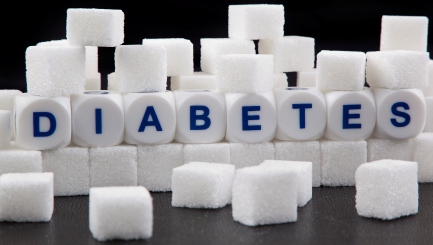
How To Deal With Your DiabetesMexico is one of the most obese nations in the world. A staggering 82 percent of the adult female population is either overweight or obese. The number is at 64 percent for men, and still a worryingly high 34.4 percent for children. These are very frightening figures, and has seen Mexico up to fifth on the world list when it comes to obesity-related health conditions.


The obesity problem in Mexico has been going on for almost a decade; in 2007, the country’s health secretary estimated the incidence of diabetes would rise by approximately 40 percent by 2012, killing as many as 100,000 Mexicans every year. And worryingly the numbers were not really very far off, with diabetes claiming the lives of approximately 70,000 Mexicans every year, according to recent study. And now diabetes is the number one killer in Mexico. This chronic health condition comes as a direct result of the obesity issue.


It is thought that the obesity problems are mainly due to convenience food. Most experts point out the intense rise in sugary drinks and snacks that have complicated an already serene lifestyle that many Mexicans lead. According to a recent report people in Mexico spend approximately $14.3 billion annually on sugary fizzy drinks alone. Because quality drinking water often isn’t available many Mexicans choose bottled drinks instead, and these sugar-laden fizzy drinks are very cheap.


Mexicans currently spend upwards of $380 million every year on their diabetes medications. The number of Mexicans that suffer from the disease is estimated to be as high as 10 million. The Mexican health authorities and government needs to focus on educating the public on the dangers of extremely sugary drinks and snacks. This could lead to a reduction in obesity and that would contribute to lowering levels of diabetes across the country.


Mexico Locked In Serious Diabetes And Obesity Battle