Showing posts with label allergens. Show all posts


Maintaining a safe home is quite a bit like becoming a healthier person. While exercise equipment or a gym pass will help, those who want to enact long-term changes are going to need to actually create new habits as the dynamics in their home change. Here is a look at a few great ways to improve the safety of your home and your family starting today.


Create a Monthly and Yearly Safety Checklist


One of the first steps that every family should take is to create monthly and yearly safety checklists. These checklists generally need to be nothing more than a 10 or 15 items that should be checked every 30 days or 12 months such as signs of water damage in the basement, carbon monoxide detector batteries, smoke detector batteries, and expiration dates for medicine and fire extinguishers.


You can also set up emergency plans for your family, discussing various contingencies such as how to escape the house if it’s on fire, where to meet up if your family was split up for some reason, and how to survive an earthquake and other natural hazards. All family members should keep lists of critical phone numbers of home service providers and the like in case guardians and heads of the home are incapacitated.


Become a Better Neighbor


One simple and free way to improve your family’s safety and the safety of your possessions is to do nothing more than become a friendly neighbor. When a neighbor has a general idea about your habits, who should be visiting your home, and any medical concerns, they can notify the authorities when something is amiss such as a suspicious individual on your property.


If something concerning has happened on your property, like you suspect someone has stolen goods from you, inform your neighbors and offer to watch out for their homes as well. Contact the police early to establish a paperwork timeline so you can have a higher chance of pressing charges and profiling suspects should the events continue.


Install an Automated Security System


Modern security systems are comprised of high-tech devices that require little or no maintenance from homeowners. Most will find that they need to only set their preferences once and these systems will do the rest. Touchscreen and wireless controls can be used to lock doors, check in on security cameras, or be notified when motion sensors are tripped. Northstar Alarm reviews and those of similar companies can give you a glimpse into the strengths and weaknesses of various systems.


Be Safe with Renovations


Homes that were made before the 1980s may have a number of toxins in the paint, insulation, and even the pipes. When any home renovations are carried out, owners of older homes should first have an inspector check on these materials to ensure that there are no dangerous chemicals such as lead. If chemicals are found, the family may need to relocate while professionals remove these materials permanently.


Remove Toxins and Allergens


Parents may be surprised to hear that, pound-for-pound, children breathe nearly 50 percent more air than adults. This means that they are especially susceptible to toxins and allergens that are lingering in the home. HVAC filters should be changed as often as possible with a full inspection of the ducts at least once a year. Parents should also consider professional air quality testing if their family has been experiencing chronic respiratory problems.


Comprehensive safety and security in the home requires much more than a few locked doors and occasionally checking smoke detectors. Every family should take a fresh look at the safety devices throughout their home at least a few times a year to ensure that they are working properly and do not need to be upgraded.



By Emma Sturgis


We now know more about allergens than ever before, and part of this knowledge includes that fact that there are many allergens hiding in the home. It is important that homeowners take the time to recognize allergens in their homes. This will allow them to deal with them to help keep their families as healthy as possible. Here are five common allergens that may be hiding in your home:


1. Dust Mites


Each and every person on the planet sheds enough skin daily to feed a million dust mites. The typical mattress contains millions of them. On average, a pillow that is just two years old will have 20 percent of its weight made up of dust mites. Around 10 percent of the population is allergic to the waste products that are emitted by dust mites.


2. Mold


Mold is one of the scariest allergens found in the home. Black mold spores can cause a wide range of health problems. It is often invisible, hiding in the walls of a house. An Edmonton furnace repair specialist from Romaniuk Heating & Air Conditioning Ltd advises homeowners to get their HVAC systems cleaned regularly, to keep mold from gaining a foothold in their houses.


3. Cockroaches


Even if you cannot see them, the chances are good that you have cockroaches in your house. This is especially true in cities. It has been estimated that more than three-quarters of the homes in a city contain cockroaches. Homeowners need to spray for roaches regularly as they are a strong allergen for many people and can severely worsen asthma.


4. Pet Dander


As much as you love your pet, it could be making you sick. Lots of people are allergic to pet dander, and many of them are unaware of it. Those who want to reduce pet dander should be sure that their pets are well-groomed.


5. Pollen


Most people think of pollen as an outdoor problem, but it has a knack for working its way inside. The best way to keep pollen out of your home is to keep your home closed off from the outside. Make sure to use an air purifier if you have your windows open during the warm weather.


Allergens are more than an irritation. They can lead to severe health problems if they are not taken seriously. You need to make sure that you take steps to keep your home air quality as high as possible by keeping your HVAC system clean as well as running air purifiers.


Sometimes we don’t realize that the biggest cause of our allergies and illnesses can be our home. Our home is where we feel safe, so it’s natural to overlook its potential to cause allergies, asthma irritation, and other respiratory illnesses. No matter the age of your house, it’s a good idea to give your house a once over to ensure you aren’t dealing with any kind of mold or excess allergens that could be making your family ill.


Deal with Dust Mites

You might think that just because your surfaces are dust free that you’ve eliminated a majority of household allergens, but think again. Dust mites are a common trigger for allergies and asthma and are found in bedding and rugs. If you have a family member with asthma, ensure that bedding, curtains, and carpets are cleaned regularly. Using special covers for your mattresses and box springs will help curb the dust mite population, too.


Preventing Mold


Once mold has established itself, it’s hard to get rid of without tearing out and replacing everything it has invaded. Instead, it’s best to prevent mold before it happens. Mold requires moisture to grow, so eliminating and/or reducing the moisture in your house is key, especially if you live in a hot climate or an already humid region. You probably know to do things like fix leaks, use dehumidifiers, and wipe down wet areas, but there are a few other things you can do to stop moisture. Keep the house warm in cool weather, as cooler air allows moisture to condense on surfaces. You should also have an HVAC technician out twice a year to ensure all of your heating and cooling systems’ parts are operating to properly remove moisture from the air.


Control Pet Dander


Your furry family members can be a major source of allergens. Keep pets out of sleeping areas, and if you have a particularly sensitive family member, clean upholstered furniture and heavily used carpets once or twice a week. Experts recommend using vacuums with HEPA filters or double bags to get the most dander and dust out of carpets and upholstery.


Let the Professionals Deal with Mold


While you can certainly handle the preventative measures in your home, if you do find your house has a mold problem, it’s best to let the professionals from companies like Bios Environments in Augusta, ME, clean it up. Most household cleaners will wipe away mold, but they won’t kill mold spores. This means you’re not stopping or preventing it from spreading. To keep it from coming back, professionals have the equipment to properly rid your house of mold.


With regular home maintenance and cleaning, you can be successful in eliminating and controlling common household allergens and molds. Follow your doctor’s recommendations for controlling the safety of your home if you have family members with asthma or more severe allergies.


By Brooke Chaplan

If you or someone you love has allergies, you know what misery they can be. It’s bad enough to contend with pollen and other outdoor allergens on their own turf; it’s even worse when an allergy sufferer can’t find relief from the itchy effects of allergens in their own home.

Managing the stuff that triggers most allergies in the home isn’t all that difficult if you know what you’re doing. Here’s some excellent advice about how to wage combat against some of worst household allergens.


Ditch the rugs and say goodbye to the shag 


Rugs and carpets are probably the biggest offenders as far as being a safe harbor for allergens is concerned. If you can take your floors down to beautiful bare wood, do it. Smooth surfaces such as wood and tile are easy to keep clean and free of pet dander, dust mites and other allergy inducers. If you absolutely must have carpets, select a low-pile Berber and clean it daily with a small particle HEPA-filtered vacuum.


Go unscented all the way 


Perfume, incense and highly-scented household cleaners are apt to trigger allergic episodes in sensitive people. Fortunately, many makers of soap, laundry detergent and other household necessaries now offer non-scented versions of their most popular products. If you prefer to go the all-natural route, use a solution of clear water and white vinegar as an effective household cleanser. Sinks and bathtubs may be effectively cleaned with baking soda in lieu of harsh powdered abrasives.


Out with the bad air


Make sure your home is being properly ventilated. When the air in your home is flowing freely, you’ll be able to get more allergens out of the main rooms. East Side Ventilation recommends you change your air filters every few months and as you do, check the amount of dirt and debris you collect. Whether you live in New Mexico or Winnipeg, your heating and air conditioning units should be cleaned and properly maintained in all seasons.


Avoid wood-burning stoves and fireplaces 


As cozy and romantic as they are, wood-burning fireplaces and stoves create a lot of smoke and gases that can exacerbate allergies and trigger respiratory reactions. If you do have a stove you can limit the effects by storing the wood out in the garage, and covering it when you bring it in. Most fireplaces that use natural gas and ceramic logs are not a problem for those with allergies.


Keep pets out of the bedroom 


Yes, we all love our furry family members, but that shouldn’t mean they rule the roost. The dander and hair they can’t help shedding is known to cause allergy attacks in many people. Pet your pooch in other rooms, and remember to wash your hands afterward. Try washing them once or twice a week and be sure to brush their fur often. You can limit the allergens that are released when they have a clean coat.

Many people with allergies can learn to live happily in their homes as long as they follow a few common-sense rules of allergen combat. Keep these tips in mind as you make your home more allergy proof.


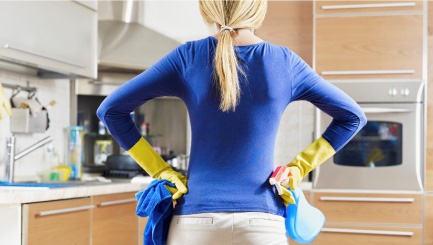
spring cleaning asthmaSpring cleaning might seem the ideal solution to ridding your home of the dust and mites that can trigger asthma and allergies. But there’s more to achieving an allergy-free home than simply dusting and vacuuming behind the sofa.


Half-hearted cleaning does little more than move dust from spot to another while using certain cleaning products that contain chemicals can also add to the problem and actually make asthma and allergies worse.


Here are 5 tips to ensure your spring cleaning keeps your home and health in tip-top condition.


Keep dust to a minimum by using moist cloths or disposable wet dusting cloths to stop the dust going into the air. You can also buy dry dusters that are specially formulated to trap dust and stop it spreading.


Use a vacuum cleaner with a HEPA (high-efficiency particulate air) filter, which removes dust and allergens more effectively than a normal vacuum.


If you have a pet, you need to deal with the pet dander that your animal will naturally shed – this is a combination of dead skin and hair, which will get into carpets, soft furnishings and clothing. Keep your pets out of the bedroom at all times and change your bed regularly, washing linens in a  wash of at least 40˚ to get rid of any unwanted dander or mites. Use anti-allergy bed linens.


Mould and dampness can be a major irritant to asthma sufferers and those with allergies. Air rooms thoroughly and use cleaning products to clean and kill any mould.


Take down curtains regularly and air or wash them to remove any dust or mites. If possible, replace curtains with blinds that can be wiped down and reduce the amount of dust in a room.


5 Tips for Spring Cleaning to Keep Asthma Allergies at Bay

baby asthmaNew research, funded by the National Health Service in Britain has suggested that if pregnant mothers impose certain dietary restrictions on themselves, they could significantly reduce the chances of their child getting asthma.


Women whose children are particularly at risk, are those who either have asthma themselves or have a close family member with asthma, these are the most important group in terms of asthma prevention, and they should be the ones who are considering to follow the dietary restrictions for the duration of their pregnancy. Foods to avoid include nuts, fish and dairy products, and these should be avoided during pregnancy and then during the child’s first year of life. This same group of mothers should also tackle the issue of dust mites in the home in as vigorous a way as they possibly can, as these are thought to also have an influence on the development of asthma.


The study claims that taking these sorts of steps can result in a significant and persistent reduction of asthma rates in childhood. Researchers followed 120 young people who lived on the Isle of Wight, for the duration of their childhood. The participants were split into two groups, depending on whether their parents had followed the dietary and dust-mite advice or not. In the group where the parents had followed all the advice on their children’s wellbeing, the rates of asthma were at 11 percent, which contrasted sharply with the group whose parents had not followed the advice, where the rates of asthma were 26 percent.


Reported in the medical journal, Thorax, this advice may prompt other parents who have a high risk of passing on asthma to their children to consider taking similar steps to ensure that their children’s wellness is as protected as possible.


How to Stop Your Baby Getting Asthma