Showing posts with label bone health. Show all posts

Osteoporosis is a major concern, especially for women over the age of 50. However, this disease can be deadly, and so it is essential you make yourself aware about eight important facts related to osteoporosis, no matter your age.


1. You need to discuss bone health with your doctor: Even if you’re still in your 20s or 30s, you should be concerned about bone wellness as the earlier you start, the easier it will be to prevent osteoporosis.


2. Smoking does more to your wellbeing than causing cancer: Smoking can make your bones become thinner, which increases your risk of fractures and, in turn, osteoporosis.


3. Exercise is essential for good bone health: If you get the recommended levels of exercise, you can reduce your risk of osteoporosis. However, overdoing it will put too much strain on your bones, so consult a doctor or look online for the best plan for you. Weight training and muscle bearing exercises can help prevent the loss of bone mass, while aerobic exercises strengthen your bones and connect tissues.


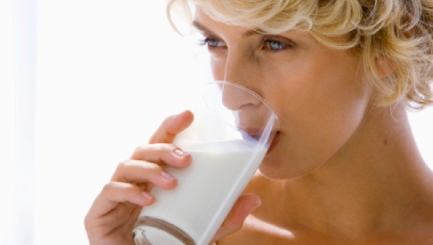
4. Calcium is not just for kids: You may be concerned about the fat content in milk, but this is all in vain. Milk actually aids weight loss as well as improving your bone density, so eat three dairy products a day, or drink two glasses of milk, to get your recommended 1200mg of calcium.


5. Be wary of menopause: As soon as your body reaches menopause, it stops producing oestrogen. As this hormone is vital for strong and healthy bones, you need to strengthen and maintain them while you still can.


6. Medicines can help, but watch out for side effects: Raloxifene, Biphosphonates and Calcitoni are great osteoporosis treatments, but Raloxifene has been known to worsen hot flashes in post-menopausal women and Biphosphonates can give you runny or constipated stomach.


7. It’s good to have heavy bones: The higher your bone density, the less risk you have of osteoporosis, so get a test to find out your risk factor. It is quick, non-invasive and absolutely painless.


8. There’s no quick fix or magic cure: As it stands, there’s no reliable cure for osteoporosis. This means that prevention is your best bet.

Bones play many roles in your body — providing structure, protecting organs, anchoring muscles and storing calcium – but the problem is that they’re continuously changing. When you’re young it’s important to take care of bone health because your bones are growing and you need the optimum bone mass possible, and then after the age of 30 you start to lose bone mass, which increases your risk for fractures and osteoporosis — a condition that causes bones to become weak and brittle. As a general rule, the higher your peak bone mass, the more bone you have “in the bank” and the less likely you are to develop osteoporosis as you age, but a lot of factors can affect your bone health:


1. Calcium intake: You may have learned this years ago at school but that doesn’t mean you can put calcium away now you’ve graduated. Your calcium intake becomes even more important as you age as a diet low in calcium contributes to diminished bone density, early bone loss and an increased risk of fractures.


2. Physical activity: There’s no denying that exercise is good for your wellbeing; it helps you to maintain a healthy weight and prevent a myriad of health concerns – one of which being osteoporosis. If you don’t exercise regularly, your risk of this brittle bone disease is far higher than your more-active peers.


3. Smoking and drinking: According to recent research, tobacco weakens your bones, as well as doing all the other nasty things to your wellness that everyone knows about, so quitting is a solid idea. Moreover, if you drink more than two alcoholic drinks a day on a regular basis, you can increase your risk of osteoporosis. This is because alcohol can interfere with your body’s ability to absorb calcium.


4. Gender and age: Although it’s a common misconception that men don’t have to worry about osteoporosis, the fact remains that you’re at a greater risk of the brittle bone disease if you’re a woman. This is because women have less bone tissue than men, especially as you get older. The ageing process and menopause cause bones to become weaker and thinner, due to waning oestrogen levels. Again, this doesn’t mean that men are off the hook, but it does mean that older women have to be particularly vigilant about bone health.


5. Body type: If you’re extremely thin – meaning you have a body mass index of 19 or less – or have a small body frame, you’re also at an increased risk for osteoporosis. This is due to the fact that you have less bone mass to draw from as you age.


6. Race and family history: People of Asian descent and white people are at the greatest risk of osteoporosis. In addition, if you have a parent or sibling who has osteoporosis, you are also put at a greater risk — especially if you also have a family history of fractures.


7. Hormone levels: As we’ve previously mentioned, bone loss increases dramatically at menopause for women due to your dropping oestrogen levels but, for the same reason, your osteoporosis risk is increased if you suffer from amenorrhea. This occurs prior to menopause and is categorised by prolonged periods (of time) in which you do not menstruate. For men (see, I told you men weren’t off the hook) low testosterone levels can cause a loss of bone mass. Plus, no matter who you are, if you have too much thyroid hormone, you can also experience increased bone loss.


8. Health conditions: Stomach surgery (gastrectomy) and weight-loss surgery can affect your body’s ability to absorb calcium, as can conditions such as Crohn’s disease, celiac disease and Cushing’s disease. Moreover, if you have anorexia or bulimia, you are at further risk of bone loss.


9. Medications: If you take corticosteroid medications, such as prednisone, cortisone, prednisolone and dexamethasone, over a long period of time, you are causing damage to your bones. Other drugs that may increase the risk of osteoporosis include aromatase inhibitors to treat breast cancer, selective serotonin reuptake inhibitors, methotrexate, some anti-seizure medications and proton pump inhibitors.

We all know of the importance of calcium where healthy bones are concerned, but most people don’t realise that vitamin D is also vital for healthy teeth and bones. Most foods don’t contain a lot of this nutrient, unless you can source it in fortified bread and cereals, so it can be easy to become deficient in it without realising. Natural sunlight is our best source, but with the fear over sun damage in the past thirty years, this too has become a worry and many people now avoid exposure to sunlight.


A mild lack of vitamin D in the body can cause tiredness and a general feeling of aches in the body, but more severe problems result in rickets or osteomalacia in adults. The treatment for this is vitamin D supplements which are taken routinely to top up the body’s reserves. Your GP may advise these supplements if you’re pregnant or breastfeeding; if you’re over 65 years old; for children up to five years, and those who aren’t exposed to much sunlight. They may also recommend them for people with specific gut, liver or kidney diseases, and for certain people with darker skin. Vitamin D is often overlooked but it is a vital nutrient for good health. There are some foods which contain it, including oily fish such as sardines, trout and salmon, as well as fortified breads and cereals.


Ultraviolet B rays (UVB) in sunlight convert cholesterol in the skin into vitamin D – for people with fair skin, this amounts to around 20 to 30 minutes of sunlight on the face and forearms, around two to three times a week to make enough vitamin D. For people with darker skin, though, the time needed in the sun to make enough vitamin D is much more and this becomes dangerous, as sun damage can lead to other concerns. It’s important to remember that this isn’t the same as sun bathing though – the skin just needs to be exposed to the sun, not tanned or burned by it. Remember that the sun needs to fall directly onto the skin itself, not through a window.


For six months of the year, through October to April, most of western Europe and 90 percent of the UK, lies too far north to get enough UVB rays to make the sufficient amount of vitamin D for good health. The main purpose of vitamin D is to help calcium and phosphorus in the diet to be absorbed by the stomach. These are crucial for our bones and teeth to stay healthy and strong. It’s also been proven that vitamin D can help to prevent other diseases and ailments, such as cancer, heart disease and diabetes. A deficiency in vitamin D can occur in three ways – either the body has a greater need for the nutrient, it’s unable to make the vitamin on its own, or there isn’t enough vitamin D in the diet.


Vitamin D deficiency affects around one in six people in the winter and spring in the UK, and a study showed that more than half of UK adults don’t get enough of this nutrient. However, most of these people don’t realise they are deficient, or simply have mild symptoms such as feeling tired more than normal. A simple blood test can diagnose this issue, and if a child is thought to be deficient they may be tested with an x-ray. Your GP can advise you of ways to improve your vitamin D count if you think you may be at risk.

Vitamin D is important for our health, and a deficiency in this important nutrient could lead to health problems occurring which affect the skeletal structure – these are basically the same condition under two different guises, known as rickets and osteomalacia. Rickets occurs in children, whilst osteomalacia is the term used for the condition when it is diagnosed in adults. Vitamin D can be sourced from your diet or from exposure to natural sunlight. Where your diet is concerned fatty fish, such as tuna, salmon or sardines, are great sources of vitamin D – you can also source it from margarine and fortified bread or cereals. Infant milk formula is also fortified with vitamin D, though human milk is a poor source of this nutrient. Most people however get most of their vitamin D intake from sunlight – studies suggest that the average person has enough vitamin D stored in their body to last two or three years. People who don’t get much exposure to the sun are at risk of becoming deficient in vitamin D, such as people in nursing homes or elderly people who are housebound. Immigrants from Asia and Africa are at risk, as are people who have an illness or lifestyle which makes outdoor activities difficult. Because of our increasingly sedentary lifestyles, vitamin D deficiency isn’t uncommon in today’s society. Some people with intestinal problems, such as coeliac disease or cystic fibrosis, may also become short on supply of this vitamin, as do people with liver disease. It’s also important to remember that an infant’s vitamin D status is dependent on that of its mother, so if the mother is deficient, the child may be born with rickets or early fractures later in their life.


Osteomalacia is characterised by bone pains and muscle weakness, as well as fractures occurring. These fractures may take place with hardly any or no trauma at all – these days, patients are commonly identified by a low bone density. In those with rickets, patients may suffer from aches and pains, as well as the visible enlargement of bones at joints, such as in the wrists. Some children with rickets also have convulsions. These conditions can be tested for with a simple blood test which tests for calcium, phosphate and alkaline phosphatase. In order to confirm the diagnosis though, you will require a more specific blood test – this includes the measurement of the levels of 25-hydroxyvitamin D, which is the main form of vitamin D in the blood, as well as parathyroid hormones. If necessary, patients may also need a bone density scanning. In children, x-rays of the wrists and knees are very helpful, but normal appearances don’t mean that rickets is excluded from the diagnoses.


There are various ways to treat vitamin D deficiency, but the most common is with regular daily supplements with or without calcium. An alternative to this is a single large oral dose or injection of the vitamin, which is stored by the body and can last for up to a year before another is needed. This option is advised for those with vitamin D deficiency caused by intestinal problems. Infants who are born prematurely often have bone problems which can lead to spontaneous fractures in their first few months of life. While this is referred to as rickets, there is no proof in this situation that vitamin D is the cause. There are uncommon forms of rickets caused by inborn defects due to the way that vitamin D is handled and absorbed by the body.

Are You Getting The Right Amount Of Calcium In Your DietAre you getting enough calcium in your diet? This mineral is crucial to healthy teeth and bones, and good for your muscles, nerve function, hormones and blood clotting. But many of us simply do not get the calcium we need through our diet, particularly after we leave childhood and daily milk intake behind.


Our bones have about 99% of the body’s calcium and need it constantly for repair and renewal. After the age of 30, as our bones age, they become weaker and less dense. Therefore, it’s even more essential to maintain the right calcium levels to keep your bones and body in optimum condition.


Calcium is considered to be crucial for regulating blood pressure – studies have revealed that men with high blood pressure had less calcium in their bodies. Fluctuating calcium levels during the menstrual cycle can lead to women suffering from pre-menstrual tension and research has shown that calcium supplements can reduce those symptoms. Calcium is also thought to help with weight loss.


The recommended daily calcium intake is 1000-1300mg a day for everyone over the age of nine but often because of diet, we fail to reach those essential levels. So how do you ensure you get enough calcium every day?


Dairy products have the highest concentration of calcium, especially milk, cheese and yogurt. However, there are several reasons why many people don’t eat enough dairy – perhaps because they are lactose intolerant or because they have chosen not to eat dairy. Alternative sources of calcium are dark green, leafy vegetables, soy products and fortified cereals.


Calcium supplements can also help, particularly for those at risk of developing osteoporosis or other bone conditions. However, the body can only absorb a certain amount of calcium taking in supplemental form and so the best way to get your daily intake is through food.


Ensuring you get enough calcium is essential for bone health and for heart and muscle function.


Are You Getting The Right Amount Of Calcium In Your Diet?

why you need calciumWe all need the right amount of calcium in our diet throughout our lives – when we’re growing, we need calcium to build strong, dense bones and as we age, calcium is vital for maintaining strength and health in our bones. This essential mineral also helps our blood to clot, our nerves to send messages and our muscles to contract.


As our bodies cannot produce calcium, we need to take enough in daily to replenish what we lost through skin, sweat, hair and bodily functions such as peeing. A calcium deficiency can lead to the development of diseases such as osteoporosis, where the bones become more fragile and can fracture more easily.


Men and women both need around 1000mg of calcium daily – after the age of 50, women should up that intake to around 1200mg while men should up theirs to 1200mg after the age of 70.


The best source of calcium is food; for example, dairy is particularly rich in the mineral – go for low-fat milk, cheese products and yogurt. Other foods that are know for their calcium content include leafy green vegetables such as spinach, kale, mustard greens and broccoli; beets and carrots; celery, aubergine and tomatoes; eggs and sardines; chickpeas, soybeans and almonds. Fruits such as bananas, strawberries, apricots and oranges are also good for daily calcium intake.


As well as ensuring your diet is filled with calcium-rich food, you should also consider doing weight-bearing exercise to help improve your bone health. Walking and cycling are good, while strength training that maintains muscle mass is also important.


Some people turn to calcium supplements for a boost when their diet isn’t enough to give them the daily intake they require. If you do believe you are calcium deficient, it would be prudent to discuss things with your doctor who can advise on diet changes as well as how much you should take from a calcium supplement.


Eat Calcium-Rich Foods to Maintain Good Bone Health