Showing posts with label mouth. Show all posts


When you look in the mirror, you might see teeth that are crooked because there isn’t enough space in the mouth for all of them to grow in properly. There could be teeth that have gaps in between them. You might have difficulty eating or talking because of the condition of your teeth. Orthodontics gives more than just a beautiful smile. It can change the entire layout of your mouth.


Self-Esteem

One of the reasons why you might want to consider orthodontic treatment is to increase your self-esteem. If you don’t see straight teeth that give you the beautiful smile that you want, then it can play a factor on how you feel about the rest of your appearance. When you start seeing that the teeth can be straight with orthodontics, then you can feel better about the way that you look. Orthodontic treatment isn’t just for teenagers who feel as though they want to have straight teeth. Adults can have the treatment as well so that they have teeth that are aligned properly to give the desired appearance.


Biting Down

If you notice that you have problems with biting on foods, then orthodontic treatment can solve this issue. According to the Coquitlam Centre Dental Clinic, braces can help pull the teeth into an alignment so that you have a natural bite. You won’t have the top teeth that extend over the lower jaw or bottom teeth that seem to appear as though they are in front of your mouth. Creating a natural bite can take some of the tension off of the jaws. This can decrease any headaches that you might have as well as relieve pressure on the gums and teeth.


Crowding

Some people have a mouth that doesn’t have enough room for all of the teeth inside. This can cause the teeth to be crooked, and if the teeth are crooked, it can be hard for them to function properly while you’re eating. When the wisdom teeth grow in, there likely won’t be room, so they will either grow under the back teeth or further push the teeth together in the front of the mouth. After a few teeth are pulled, orthodontic treatment can be used to get the teeth back in a straight line. When the teeth aren’t crowded, there will be a decrease in bacteria build up, which will decrease the chances of cavities forming or teeth chipping.


Orthodontic treatment is ideal for teenagers and adults who want a straight smile or if there are issues involving the teeth that need to be corrected for your overall health. The treatment doesn’t last long. Most people are out of braces or other methods of treatment in only one or two years. The smile that you have as a result will be something that you want others to see.

 

This summary is not available. Please click here to view the post.

You don’t have to be a genius to work out that stress is a health concern; stress can cause weight gain, problems with your relationships, and but your wellbeing at risk to a whole host of chronic diseases. However, you may not be aware that stress can also take its toll on your oral wellness, causing gum diseases like bruxism, dry mouth, burning mouth syndrome, and lichen planus.


Bruxism: This is the term used for when you grind and clench you teeth. Research in the Journal of Community Dentistry and Epidemiology has linked this condition with work stress, while a personality type study published in the Journal of Behavioural Medicine found that people who are shy, apprehensive and given to worry, are more susceptible to bruxism. This condition can lead to several problems, such as:


  • Cracked teeth

  • Sensitive teeth due to wear and tear

  • Headaches on waking

  • Aching jaws on waking

  • Flattened or chipped teeth


To treat bruxism, your dentist may suggest mouth guards or splints, as well as relaxation techniques like meditation.


Dry mouth: Although stress itself can cause dryness of the mouth, it’s more likely to be caused by the medications you’re taking to treat stress, anxiety or depression. It may not sound like a major problem, but without adequate levels of saliva in your mouth, you can:


  • Be less able to taste your food

  • Have a lower appetite

  • Experience increased tooth decay due to the lack of protection

  • Have problems wearing dentures because you lack lubrication

  • Accumulate more plaque, which increases your gum disease

  • Develop tooth wear and sensitivity as a result


Burning mouth syndrome (BMS): This painful, frustrating condition often feels like a scalding sensation on your tongue, lips, palate, or throughout the mouth. It occurs more often in middle-aged and older women, but BMS can affect anyone so you’re never off the hook. The burning sensation can last for months or even years, often starting late in the morning and peaking at evening times. You may feel constant pain, or pain that comes and goes, but regardless, this pain can cause many to experience anxiety and depression. Moreover, you may be affected by:


  • Tingling or numbness on the tip of your tongue or in your mouth

  • Bitter or metallic changes in taste

  • A dry or sore mouth


So that’s how stress can affect your oral health, but does that mean your pretty smile is forever lost as soon as you freak out about an interview or start clenching your teeth when your mother-in-law comes for dinner? With a little know-how and care, stress doesn’t have to stop you smiling. First and foremost you need to brush twice a day for at least three minutes, and floss every day. Your dentist or dental hygienist can show you the right techniques if you’re worried you’re not doing it properly. Also, make sure your toothbrush bristles are soft and polish, as this is less irritating to you gum tissues. You should replace your toothbrush every three to four months, as old, worn out bristles can damage your gums.


Aside from this, there are lifestyle changes you can make to prevent stress-induced gum damages. Eat a healthy diet devoid of sugary junk and rinse thoroughly after every meal. Cigarettes are cause mouth irritation so don’t smoke, and visit your dentist regularly for checkups and cleanings. You should aim for a dentist visit every six months, as he or she can remove the hardened plaque and tartar that cannot be removed by brushing or flossing.


Bad breath is an embarrassing problem that strike many people. There are a number of reasons why you might suffer from halitosis, such as eating too much garlic or taking medications that dry out your mouth. Fortunately, there are plenty of home remedies you can use to improve your breath. Here are a few natural cures for the problem.


Brush Your Tongue


When you brush your teeth, brush your tongue as well. Most people believe that brushing their teeth and gums is enough, but the fact is that bacteria gathers on the tongue and can result in bad breath. Brushing your tongue will eliminate that bacteria and you will find that your breath smells fresher.


Drink More Water


Dry mouth can result in consistently bad breath. Drink more water. Bring a bottle of water with you at all times whenever you go out so that you will always have some on hand to drink. When your mouth is kept more moist, it will wash away excess bacteria that lingers. You will also be able to produce more saliva, which is important when you are trying to improve your breath.


Floss Once Per Day


One of the biggest cures for bad breath, according to Eastgate Dental Centre and other dental offices is that you should always floss at least once per day. Flossing will eliminate excess food particles from between your teeth that could otherwise produce bacteria that can lead to halitosis. You should floss either before or after you brush your teeth.


Gargle with Peroxide


Gargling tends to help with a bad breath problem, but if you use peroxide, it’s even better. This is because peroxide has bacteria killing properties that will help to freshen your breath. When you gargle, do so quickly with one swig and swish before spitting.


Eat Yogurt


Eating yogurt can also help to fight bad breath. Yogurt will replenish good bacteria in your stomach, which is conducive to a healthier mouth that has less bad bacteria. If you eat yogurt on a regular basis, you should find that your breath is considerably better.


Chew Gum


Chew gum more often. Chewing gum will allow your mouth to be more hydrated, which will kill excess bacteria as saliva is what washes it away. The flavoring in the gum will also help to freshen your breath.


When you use these natural methods, you will quickly find that your bad breath will be a thing of the past.

If you have a dog, you will know that they are part of the family, and that their wellness is almost as important as that of any other member of the family. You may have thought long and hard about doing a first aid course, or finding out a bit more about what to do in a paediatric emergency, but do you know how to look after the wellbeing of your dog in the event of an emergency?


If your dog stops breathing on their own in the event of sudden illness or an accident, you may find yourself required to do cardiopulmonary resuscitation (CPR) in order to keep the dog’s oxygen going to the vital organs until help arrives.


Start by making sure that your dog is unconscious – you can do this by talking gently to your dog, rubbing him or gently shaking him to try to wake him up. It is paramount that you ensure your dog is unconscious and not in a deep sleep before attempting rescue breathing, as if your dog were to wake up to find you mouth to mouth with him, you could end up getting seriously hurt.


Start by clearing the dog’s airways by extending his head and neck and trying to keep them in line. Open his mouth and pull the tongue forward. Make sure that the mouth is clear of saliva or vomit by using your fingers.


Check again at this stage to see if your dog is breathing, as sometimes just aligning the head and neck can start the dog breathing on his own. If there is no sign of breathing after 10 seconds, start to do CPR.


Pull the tongue forward, hold the mouth and lips shut by cupping both your hands around his muzzle. Put your mouth over his nose and blow air into the nostrils until you see the chest expand. For a dog, do the same thing but use your mouth to seal his nose and mouth. Do this four or five times and keep checking for breathing.

Many people aren’t aware of the complications associated with your salivary glands, but there are issues which sometimes require surgery. If you have a blockage in your salivary glands, or a growth on the gland itself, you may need to have the glands removed – depending on how much of the gland is affected, this may mean a section or the whole gland. A blockage can occur by salivary duct stones, or a narrowing of the salivary duct. The salivary glands are used to keep the mouth moist, allowing you to swallow, break down food as part of digestion, and also keeping your teeth healthy. There are three major pairs of glands, known as the parotid glands, submandibular glands and the sublingual glands. Each of these plays a vital role in the health of your mouth – the former are the largest of these pairs, and are situated between your cheekbones and jawbones on either side of your face. The submandibular glands are smaller that the parotids and are located under each side of your jawbone; the sublingual are the smallest of the three and are felt as two lumps underneath your tongue.


You can spot a problem with your salivary glands when they swell, or if you can feel a smaller lump within the gland. If you suspect you may have a problem with your salivary glands, it is important to seek medical advice – your GP will most likely refer you to an ear, nose and throat surgeon, or an oral and maxillofacial surgeon, who specialises in surgical procedures that are required on the head, neck, face or jaw. You may need to have a blood test and a scan of the area, either an ultrasound, a CT or an MRI scan. If there is suspicion of a tumour, there may need to be a biopsy taken as well. If the problem is a duct stone, you may need to have a procedure known as a sialoscopy – this requires the use of a flexible tube to get the stone out. In order to prepare for this procedure, you will need to stop smoking if you do already, and follow any other advice your surgeon gives you. The surgery is done under general anaesthesia, which means you’ll be asleep during the procedure – this requires you to follow fasting instructions.


If you notice any side effects from your surgery, it’s vital that you seek advice from your GP as these may be from complications with the surgery – for example, if you notice a burning sensation around or on the wound, or if it looks swollen and inflamed, this could be a sign of an infection. You may need a course of antibiotics to resolve this. If there is a build-up of saliva under your skin, this could have occurred from only half of the gland being removed – when this is the case, saliva can seep from the cut edge into the rest of the wound, leading it to swell. More often than not, this will clear itself without treatment, but this can take a few months to heal. Frey’s syndrome is another problem which occurs when the nerves which are cut during surgery reconnect abnormally with sweat glands – it can lead to your cheeks becoming red and flushed, and you may feel sweaty when you eat. These are fairly rare, but their symptoms are worth being aware of so that you can seek advice if you notice any of them. If you do notice anything wrong after your surgery, speak to your GP who can advice whether you require any antibiotics to clear an infection.

Brand New Skincare Tool Can You’ve seen enough anti-ageing beauty adverts to know that taking care of your skin now means you’ll look way younger than your age in a few years. However, many of these lotions and potions focus on your face, and so you may forget other features of ageing until prevention is impossible. Unfortunately, anti-ageing wellness is not a one-body-part battle.


Firstly, the most obvious sign of ageing is in your neck. Sagginess or “chicken neck” is a common outcome of ageing, as the skin on your body becomes thinner and loses collagen. However, you can still prevent your neck from looking older than the rest of your body, using the products you already use on your face. Simply apply an anti-wrinkle skin cream all along your neck, and don’t forget the areas under your chin, down to your chest and around the back and sides of your throat.


Next, take a look at your hands. This body part really puts the extreme in extremity – your hands are constantly performing difficult tasks, carrying around children and getting dirty, so is it any wonder that they age faster than the rest of your body? Your hands are responsible for applying your entire anti-aging beauty routine, so surely it makes sense to give them the same care and attention as your facial skin. Before bed, and whenever the skin on your hands feels parched, protect them by applying a thick hand cream or lotion. This will keep your skin firm and feeling soft and supple, and will also encourage collagen regeneration.


None of your fine lines are more obvious than the ones that appear around your lips, and these lines can damage your beauty regime, and cause your lipstick to bleed. Keep that beautiful smile by applying anti-wrinkle products around your lips and using a moisturising lip balm to protect that pout from dehydration. While you’re working on this area, make sure your teeth match your new beautiful lips by using an over-the-counter whitening product to keep your teeth sparkling.


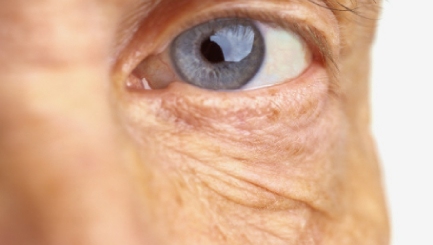
Lines and crows feet can also make their way around your eyes, and so a nightly eye wrinkle cream is advisable. These creams help to reduce the appearance of lines, as they moisturise your skin and “fill in” the lines, which keeps your eyes looking younger for longer. Finally, remember that your hair is your crowning glory. Even if you embrace your silvery colour, a modern hairstyle can prevent you from looking dated and overly mature.


How to Stop the Signs of Ageing in Your Whole Body