Showing posts with label losing. Show all posts


By Lizzie Weakley


Your eyes are important to functioning in everyday activities and enjoyment of life. You can help to protect your eyes by wearing protective sunglasses in bright sunlight, using goggles when working with chemicals and seeing an eye doctor on a regular basis. A number of symptoms can indicate a serious problem with your eyes that should be seen immediately by an eye specialist.


1 – Sudden Vision Loss


If you suddenly lose vision in a part of the eye or one eye, you should get to the doctor immediately to determine the cause of the problem. This symptom can indicate a number of different serious conditions, including macular degeneration, glaucoma or retinal detachment. Immediate medical attention can help to preserve sight in the eye. In some cases, surgery may be needed to prevent permanent blindness.


2 – Unusual Flashes or Floaters in the Eye


People often experience a number of floating spots, flashes or shadows across the field of vision. Although these symptoms are not always a sign of serious vision problems, they should be checked out by an eye doctor. In most cases, these spots and flashes are signs of aging in the viscous fluid of the eyes and do not require treatment. However, the symptoms can sometimes indicate retinal detachment that involves separation of the nerve layer at the back of the eye. This condition is very serious and can lead to blindness (Source: Londonderry Eye Care). An eye specialist uses special equipment to determine whether the symptoms are minor or caused by a more serious problem. These symptoms may require monitoring over time to ensure that the eye condition does not worsen.


3 – Persistent Eye Pain


If you experience eye pain that lasts for a period of time, you should see an eye specialist as soon as possible to ensure that it is not a serious eye disease. Although most eye conditions do not cause pain, a few may cause discomfort, such as an eye injury, glaucoma or cancer of the eye. A severe blow to the eye or head can cause retinal detachment, which requires immediate medical attention. If you have suffered an injury to the eye that causes pain, make an appointment to see an eye doctor to ensure that the injury is minor and needs no further treatment.


If you experience any of these signs, consult with an eye specialist immediately. In many cases, seeing your eye professional on a regular basis can help to detect problems in the early stages to prevent vision emergencies.

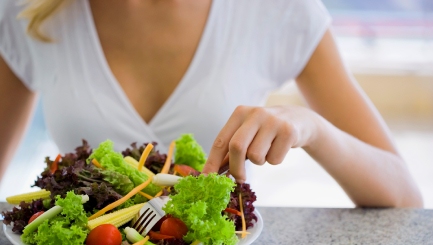


Losing weight requires a two-fold approach using both diet and exercise to manage your weight and make permanent changes. Quick fixes that involve rapid weight loss result in a rebound effect where you could end up gaining more weight than you initially lost. Here are six tricks to improve your diet and decrease your appetite.


1) Coffee


Coffee contains caffeine and acts as a natural stimulant. Adding coffee to your diet can increase thermogenesis, which affects your bodies ability to burn calories to create both energy and heat. However, be careful when consuming coffee with excess sugar and sweetener.


2) Scents


Try using a vanilla scent to ensure that you feel full. If you smell vanilla before eating, your body naturally feels fuller and relaxes you so you take more time eating and enjoying your food. The scent of vanilla can also help you if you have a sweet tooth by reducing your cravings for chocolate and other sweets. Vanilla doesn’t have to be expensive when bought in bulk and wholesale at places like Vanilla Mart.


3) Green Tea


Green tea increases your metabolism because of compounds known as catechins. These antioxidants are associated with an increased metabolism and helps give you energy while making you feel fuller throughout the day.


4) Vegetables


Vegetables like carrots, celery and even potatoes contain large amounts of fiber and minerals that are needed to keep your body running at peak efficiency and to maintain a feeling of satiety. By incorporating vegetables in your diet, you can prevent hunger before it starts and help maintain that feeling of fullness so that you don’t gorge on fatty and empty calorie foods.


5) Water


When you’re hungry, try drinking a glass of water before reaching for the chips in the pantry. Water can help make you feel full and often when you’re thirsty you crave foods. The body is made up of mostly water and adding additional water to your diet can help to flush out toxins and keep you healthy. Of course, you can also overdo it, so keep your water intake to 8 to 10 glasses per day to prevent side effects.


Avoid the gimmicks and get started on your path to weight loss by burning more calories than you take in, exercising daily and incorporating these ingredients into your life to motivate you and make obtaining a healthy weight a part of your life.


Kara Masterson is a freelance writer from West Jordan, Utah. She graduated from the University of Utah and enjoys writing about health and wellness and spending time with her dog, Max.


When a teenage girl wants to lose weight, extreme care has to be taken to ensure that she is not taking risks with her wellness and wellbeing. Teenage girls are particularly susceptible to eating disorders, so care must be taken to ensure that any weight loss is undertaken in a sensible and structured way.


The best plan for teenage girls focus on the idea that gradual weight loss is best, and that weight loss should involve healthy eating and exercising in equal measures. Teenage girls must understand that skipping meals is actually counter productive and could sabotage their weight loss efforts rather than aid them. Going long periods without food actually slows down your metabolism and makes losing weight very difficult indeed. Teenage girls are prone to trying the starvation diet methods, but must understand that when they go for a long time without food, their body simply learns to store fat rather than to burn it. Your body effectively thinks that it is being starved and so when any fat comes along it holds onto it in starvation mode as it thinks that it does not know where the next sustenance is coming from. Teenage girls are often prone to skipping breakfast, too, and this is another method that can really slow down the metabolism and make weight gain far more likely than weight loss.


Teens should also skip unhealthy lunches such as chips and fizzy drinks, and opt instead for something like a chicken salad sandwich on whole grain bread, plus a piece of fruit and a glass of water or skimmed milk.


It may sound straightforward, but another thing that teenage girls need to bear in mind is that they may not actually be overweight. Body types and heights can vary enormously, so a tall girl may weight two or three pounds more than her short friends, without being overweight in any way at all. Many teen girls are obsessed with losing weight, even although they are actually already thin, and this is not healthy and should be avoided at all costs.


Liver disease is a big threat to the health of many people across the world. Even if you do everything possible to protect your wellness and wellbeing, you can still fall victim to liver failure, and it can be very hard to diagnose. There are various ways that you can help to keep your liver healthy.


Firstly, a daily cup of coffee has been shown to help reduce your risk of liver cancer by up to 42 percent. You should stick to only one cup per day, however, as excessive consumption can have other negative effects.


Another thing to be mindful of is the products you use to clean your house. Make sure that everything you use is safe and non toxic, as every spray that you use in your home will be breathed in, and every breath you take is eventually processed by your liver. The toxins that are around the home can be harmful to your liver in the long run, and there are often healthier, greener alternatives available.


It’s well known that alcohol is damaging to the liver, so avoid it as much as you can. Drink only in moderation and give your liver a total break from time to time. Just two drinks per day can cause huge problems with your liver in the long run.


Losing weight can also help to protect your liver. Being overweight causes all kinds of health problems anyway, but one of these can be excess strain on the liver. Losing any excess pounds will reduce your risk of getting fatty liver disease.


The best diet for your liver is something called the Mediterranean diet. When having your usual salad for tea, add what is called a ‘Mediterranean flare’, consisting of two tablespoonful’s of olive oil and the juice of half a lemon, squeezed. This tastes good and is a great detoxifier for the liver.

It is a common misconception that dieting needs to be a boring journey, packed with dull and dreary salads. In reality, there are plenty of nutritious meals you can make which are not only good for you but are also filling and tasty. Certain foods can even help you to lose weight more quickly, so you can reach your goal weight even faster than you first imagined. Whilst dieting and losing weight will never be an overnight task, there are ways you can make life a little easier for yourself.


Tip 1


Before you make any sort of change to your diet or lifestyle, speak to your GP – making dramatic changes to the way you eat can be dangerous, particularly if you already suffer from health problems. So, to ensure you lose weight in a healthy way, speak to a doctor or a health expert who can guide you in the right direction.


Tip 2


Make sure you find a nutritious weight loss plan so that you don’t starve your body of any vital nutrients. Fad diets don’t work, so opt for a programme which will offer you long term results without harming your body.


Tip 3


Don’t choose a diet which encourages you to eat just one type of food, such as the grapefruit diet. Your body needs a range of vitamins, minerals and antioxidants to work effectively so eat a variety of proteins, healthy fats, and fruit and vegetables to keep fit and healthy.


Tip 4


As suggested in tip 3, fruit and veg is the ultimate diet friendly food – rich in fibre, vitamins and antioxidants, they are crucial to a healthy body, so be sure to eat your greens. If you aren’t a fan of the healthy stuff, try to retrain your mind set and take things slowly – maybe opt to try one new fruit and vegetable each week, and remember that you don’t need to eat them in a salad. There are plenty of ways to take in the goodness, from roasted vegetables to fruit smoothies, so experiment and see what you like.


Tip 5


Finally, make sure you stay well hydrated – water is vital for a well-functioning body so aim to drink between six and eight glasses every day to clear your head and keep healthy.