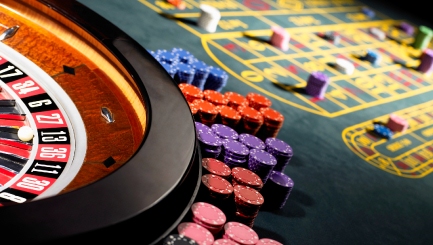
As with any other addiction, gambling addictions are difficult to spot in yourself, as you are often convinced that you have a control over your habit even when you don’t. Whether you’re betting on sports, poker, slots or roulette, gambling addictions can put enormous strain on your relationships and your life in general. You may even resort to things you never believed yourself capable of, such as stealing to pay debts or fund your habit. You may think stopping is impossible, but with the right course of action, you can overcome your addiction to gambling and resume a normal and happy life. The first key step is to admit that you have the problem – then you can work on resolving it. Gambling addiction is also sometimes referred to as compulsive gambling, and refers to an impulse-control disorder which means you cannot control your desire to gamble, regardless of the consequences. Compulsive gamblers will continue their habit irrespective of what it costs them, both literally and emotionally. There are some people who have a problem with gambling, but aren’t completely out of control though – these people are referred to as problem gamblers.
There are a number of myths surrounding gambling addiction, such as the belief that you have to gamble every day in order to be considered a problem gambler – this is not true. A problem gambler may feed their habit frequently or infrequently, but it is when it causes problems that the habit itself can be considered an issue. Similarly, it’s thought that the habit isn’t a problem if the gambler can afford it. But the financial effects of a gambling addiction are just one aspect of the problem; there is often far more at stake than just money. Many people often gamble as a way of ignoring other problems in their life, such as depression, loneliness, fear or stress. A night at the casino or an evening at the track can seem lighthearted and fun after a stressful day at the office, or following a heated argument with your partner. But there are other ways of relieving stress that are healthier and have less risks attached to them, such as spending time with friends, starting a new hobby or exercising. Gambling becomes a problem quickly, and invariably without you noticing that you even have a habit.
Gambling is referred to as a hidden illness, because there are no immediate signs or symptoms that you have a problem. If you’re prone of denying or trying to minimise your problem, this could be the first sign that there is something wrong. Problem gamblers often go to great lengths to hide their habit, out of guilt or shame, and they often become withdrawn from loved ones, become sneaky, and lie about where they’ve been or what they’ve been doing. If you have trouble controlling your habit, or gamble even when you know you don’t have the money, these are all signs that your habit has become more of an addiction. As with any other addiction, gambling can be treated with willpower and the right help from professionals. Don’t try to go it alone – there is plenty of support out there for those suffering with addictions, as well as the support you’ll receive from your family and friends. Support groups are a great way to meet like-minded people who can help you sort through your issues with gambling, and counselling sessions could be a helpful way to get to the root of your problem with a trained professional.