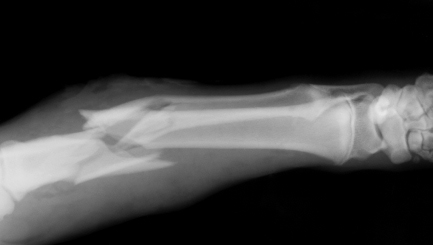
Showing posts with label bones. Show all posts

Osteoporosis is a major concern, especially for women over the age of 50. However, this disease can be deadly, and so it is essential you make yourself aware about eight important facts related to osteoporosis, no matter your age.


1. You need to discuss bone health with your doctor: Even if you’re still in your 20s or 30s, you should be concerned about bone wellness as the earlier you start, the easier it will be to prevent osteoporosis.


2. Smoking does more to your wellbeing than causing cancer: Smoking can make your bones become thinner, which increases your risk of fractures and, in turn, osteoporosis.


3. Exercise is essential for good bone health: If you get the recommended levels of exercise, you can reduce your risk of osteoporosis. However, overdoing it will put too much strain on your bones, so consult a doctor or look online for the best plan for you. Weight training and muscle bearing exercises can help prevent the loss of bone mass, while aerobic exercises strengthen your bones and connect tissues.


4. Calcium is not just for kids: You may be concerned about the fat content in milk, but this is all in vain. Milk actually aids weight loss as well as improving your bone density, so eat three dairy products a day, or drink two glasses of milk, to get your recommended 1200mg of calcium.


5. Be wary of menopause: As soon as your body reaches menopause, it stops producing oestrogen. As this hormone is vital for strong and healthy bones, you need to strengthen and maintain them while you still can.


6. Medicines can help, but watch out for side effects: Raloxifene, Biphosphonates and Calcitoni are great osteoporosis treatments, but Raloxifene has been known to worsen hot flashes in post-menopausal women and Biphosphonates can give you runny or constipated stomach.


7. It’s good to have heavy bones: The higher your bone density, the less risk you have of osteoporosis, so get a test to find out your risk factor. It is quick, non-invasive and absolutely painless.


8. There’s no quick fix or magic cure: As it stands, there’s no reliable cure for osteoporosis. This means that prevention is your best bet.

Calcium is a vital nutrient in the body, and it becomes more necessary as we age. Calcium does far more than just strengthening the skeletal system though, as it also improves the strength of your muscles, nerve transmission and even the functioning of your heart. As people age, the loss of bone becomes more of a concern. This is more common in women than men, especially after the menstrual cycle stops, and can even lead to heart disease and other health problems. It’s advised that people up their calcium intake, as most people don’t get enough, and you can do this with easy and delicious recipes that naturally contain more calcium. A balanced diet that contains plenty of dairy is the best way to ensure that you have enough calcium in your diet to stave off osteoporosis.


Baked apples


You may not immediately think of a baked apple as a great source of calcium, but there are ways to improve the more traditional offerings to help your diet and improve your wellbeing. First of all, slice the top off of the apple and core it – top with cinnamon and brown sugar and place in a baking dish, baking at 375 until it is soft and tender. Usually this takes around 40 minutes. Once it’s done, serve with natural yoghurt for a calcium-rich boost.


Mozzarella snacks


Cheese is well known for being a great provider of calcium, but it can be fattening and bad for your health if consumed in large amounts. Mozzarella is a brilliant way to get the best of both worlds, as it’s relatively low in fat but also gives the health benefits you need. Try coating it in breadcrumbs that have been seasoned with herbs and black pepper then baking in the over for a tasty treat. Cut the mozzarella into strips and coat in beaten egg before dipping in the crumbs. Once the cheese has been thoroughly coated (you may need to repeat the process) you can place the strips in the fridge to chill before baking in the oven.


Berry smoothie


Smoothies are loaded with nutrients, from calcium to fibre, fruit and vegetables. For this recipe, combine a cup of yoghurt, a cup of frozen berries, a cup of water and two tablespoons of berry jam – whichever you prefer. Blend together with a blender until it is smooth and enjoy straight away.


Cream of broccoli soup


If you want to load up on veggies quickly, soup is the way to go. This particular soup has the added benefit of calcium in the form of milk. Boil broccoli, sauteed onions, chopped parsley, garlic salt and white pepper together until soft, then blend together. Add two cups of non-fat milk and heat until piping hot.


Omelette and frittata


If you want a quick and easy meal that offers plenty of health benefits, an omelette certainly fits the bill. Mix two eggs with salt and pepper, and add a dash of milk. Once cooked through, you can top with cheese for even more calcium. For a heartier meal with added nutrients, try making a frittata. Mix six eggs this time with seasoning and add milk to make a looser consistency. Fry onions, mushrooms, pepper and sweetcorn in a pan until soft, then add the egg mixture, topping with cheese if you wish. Cook on a slow heat until firm on the bottom, then place in an oven to cook through. You can slice this into wedges and serve with a hearty salad for a delicious meal.

When you’re a kid, calcium seems to be a big part of your wellness regime. It makes sense; growing kids have growing bones, and those bones need a calcium-strengthening boost. However, your need for this mineral doesn’t end when you’ve finished puberty – it’s only just begun!


Calcium is the most abundant mineral in your body, accounting for 2½ pounds of your weight! The vast majority (99%) is in your bones and teeth, but there’s a bit knocking around in your muscles, tissues and body fluids. Therefore, you might be forgiven for thinking that calcium is only useful for building bones, but Robert Heaney, MD, a professor of medicine at Creighton University, in Omaha, notes, ‘it’s used by every cell and tissue in the body’. So what does calcium do for your wellbeing?


1. Building bones. This becomes even more important as you age, as older women are more prone to fractures and a bone-weakening disease known as osteoporosis.


2. Muscle contractions. This includes the muscles you use consciously (such as your biceps) and those you use unconsciously (like your heart).


3. Heart health. According to a study at the Harvard School of Public Health, published in 2008, getting the right amount of calcium could lower your risk of hypertension.


4. Weight loss. Researchers at the University of Tennessee, in Knoxville, have noted that attaining your recommended daily allowance of calcium through dairy products may help you to burn fat faster than people who don’t.


5. Cancer prevention. The National Institutes of Health have released research which suggests that an adequate intake of calcium may lower your risk of colorectal cancer.


So how much is enough? As an adult, you need 1,000-1,200mg of calcium a day – unless you’re pregnant; pregnancy makes your body more efficient at absorbing calcium, so you only need 1,000mg daily. However, as you age, your body is less able to absorb calcium, so you should be aiming for 1,200mg every day once you reach the age of 51 or menopause. Your body will excrete any calcium it can’t use, but you should still go no higher than 2,500mg a day, as this can have a negative impact on your kidney wellness.


You can get your daily calcium needs from dairy products, which is the best place to find it. a cup of non-fat milk can give you 302mg, while a cup of low-fat yoghurt can add an extra 245-415mg. Still, if you’re not the biggest dairy fan or you’re lactose intolerant, there are other foods that are bursting with calcium; namely, cooked kale (94mg per cup), raw broccoli (42mg) or three ounces of canned sardines (with bones) in oil (324mg). There are also foods that have been fortified with the mineral, such as breakfast cereals, juices, and many soya products.


However, we can’t talk about calcium without mentioning it’s vitamin BFF: vitamin D. This vitamin helps your body to absorb calcium, but more often than not we’re deficient in vitamin D. Your body produces vitamin D when it is exposed to sunlight, so it’s not hard to see why getting sufficient amounts is difficult in this country! Try to spend 10 to 15 minutes outdoors two to three times a week when the sun is shining or, again, turn to fortified foods. If that fails, you can take a supplement to gain your daily intake of 400 I.U. You may also want to consider supplements for your calcium intake if you’re on a low-calorie diet or deficient in the mineral. Remember, you need to consult your GP before taking any new supplement.


Sometimes it is easy to forget about vitamins. After all, a lot of us take for granted that we are getting the right levels of vitamins into our bodies from the foods that we eat. It can be easy to focus on the obvious stuff like avoiding fats and sugar and getting enough fruit and vegetables that consumes our thoughts when we decide what to eat – but how do we know that we are getting the correct balance of the vitamins and minerals that our bodies crave? It’s a difficult one, but we must all strive to do the best we can with vitamins.


This is especially true of vitamin D, which is so crucial to our well-being, both specifically and in general. Vitamin D is extremely important for the health of your skin and your bones and this makes it vital especially for older people who are naturally more fragile in these areas, as with age the bones tend to weak and become more brittle. Vitamin D helps to strengthen bones to fight against this natural ageing process and hopefully avoid any serious complications or injuries that are made more likely with age.


Getting enough vitamin D into your body promotes calcium absorption which is naturally going be a very good thing for your bones. However, it’s not all good news, as despite the fact that it is well known how important vitamin is to having healthy bones, a number of expert sources contend that as many 77 per cent of Americans have insufficient levels of vitamin D in their bodies, which is increasing their risks of falls and fractures. And it’s not just the issue that these fractures and falls are bad in the short term – over time they make things much worse.


So how should you go about getting the right levels of vitamin D in your body? It’s well known that direct sunlight can provide you with all the vitamin D you need. But in an often sun-barren landscape like the UK, how can we reliably get good levels of vitamin D into our bodies as we age to ensure we don’t end up with brittle bones that are likely to fracture or break if we fall? Well, of course there are certain foods that you can eat which will help you take on board the right levels of vitamin D. However, if you’re looking for a quick fix that could be the perfect way to get the right levels into your body, you could try Caltrate.


Caltrate is a supplement that is taken to help boost the amount of vitamin D in your body – the new formula for the pill provides you with even more vitamin D than ever before which really boosts calcium absorption. It’s a very simple solution if you feel that you’re currently not getting enough vitamin D and you’d like to get more in the form of a pill. That way you know you are getting the right amount and it will do wonders for your bones and indeed your overall health.


Research has shown that people with lower levels of vitamin D and calcium absorption actually have higher death rates that those who are getting the right amount. This means that using Caltrate or getting your vitamin D from another source could not only help you to have stronger bones and a healthier lifestyle but it could even help you live longer. This is a very good reason to start taking vitamin D more seriously and make room in your life for different methods of getting it into your system.

Nutrition is vital to female wellness, whether you’re working on the wellbeing of your bones, belly or future baby. The good news is, with a healthy, balanced diet you’re already getting everything you need, says Women’s Health Nutrition Expert and Registered Dietitian Keri Glassman : ‘We get a wide variety of nutrients from eating fruits, vegetables, whole grains, and healthy fats, often in perfect proportions. We rarely over or under do it.’


Still, sometimes you need a little extra nutrient power here and there, and that’s where supplements come in. You might need to take certain vitamins or minerals if you’re unwell, pregnant or a vegetarian, or as an insurance policy for those times you eat a bag of doughnuts for breakfast instead of your usual whole-wheat toast. According to Glassman, ‘When considering supplements, women need to think bones, babies, and bellies. Sufficient bone density is needed to prevent osteoporosis, an adequate store of folate is essential for fertility and foetal development, and a healthy waistline lowers the risk of cardiovascular disease and other chronic diseases. Women must also load up on the nutrients that are essential to prevent chronic diseases in the future.’


Bones – As you were told as a kid, calcium is vital for keeping bones strong, but your need for it doesn’t stop just because you’ve stopped growing. Mary Ellen Camire, PhD, a nutrition professor at the University of Maine at Orono, explains, ‘Women start losing bone density in their twenties. Calcium is your single best defence, and you should start taking it now.’


Babies – If you’re pregnant, folate is absolutely essential. A deficiency in this B vitamin can lead to serious complications, such as your baby being born prematurely or with neural tube defects. Taking 600mg of folate when pregnant can reduce your baby’s chances of neural tube defects by 72-100%!


Belly – As the most studied and most active antioxidant in green tea, epigallocatechin-3-gallate (EGCG) may help reduce your waistline by fighting weight-causing free radicals. Plus, the antioxidant properties of green tea work to lower your cholesterol (which reduces your heart disease risk) and may help prevent the development and growth of skin tumors.

X-rays don’t hurt and are a quick way of diagnosing and monitoring various health conditions. These procedures are carried out by radiographers, who are health professionals trained to carry out these imaging techniques. Generally, an x-ray is performed so that medical professionals can look at the skeletal structure, such as fractures or breaks in bones after an injury. However, many people don’t realise that they can also be used to look at the health of your organs as well. For example, an x-ray of your chest can show whether there is any infection in your lungs. They work as a form of radiation, however unlike light radiation which is absorbed or reflected by your skin, x-ray radiation passes through the body – the x-ray machine works by projecting a beam of rays through the part of your body being examined and this is then captured in the form of a black and white image. This image is known as a radiograph. The structures inside the body which are dense absorb the x-rays and show up as white – for example, your bone structure. Less dense materials, such as air in the lungs, will pass through almost completely and show up as black on the image. The various aspects of your body alter in density, so the radiograph will show various parts in shades of grey.


It depends which area of your body is being looked at, but a different type of imaging procedure may be recommended as more appropriate than an x-ray. For example, you may need an ultrasound scan, a CT scan or an MRI scan. Your doctor will advise which is needed. The x-ray procedure is generally done as an out-patient procedure in the radiology department at hospitals. Your radiographer will discuss the process with you beforehand, so that you know what to expect. If you have any questions about what will happen during the procedure, this is an ideal time to ask so that your radiographer can talk you through any concerns you have. They don’t usually take longer than a few minutes to carry out, and depending on the area being examined, you may be asked to remove your clothing and jewellery, and wear a hospital gown instead. Once the procedure has been carried out, a report will be sent to your doctor outlining any problems – this can take a few days.


There are, of course, some risks attached to an x-ray, as with any procedure. The benefits of this imaging technique usually outweigh the risks by a long way, though. Due to the nature of the process, you will be exposed to some x-ray radiation, but the amount isn’t considered harmful and you will only be exposed to it for a few minutes. However, this varies depending on the type of x-ray you’re having – for example, a chest x-ray will expose you to a very small amount of radiation, which is no more than you would be exposed to naturally over the course of about two to three days. But there are other tests for various ailments which leave you exposed to more, such as a barium enema or a barium swallow and meal, which involve having many images taken. Your radiographer is trained to limit the amount of radiation you’re exposed to to a minimum though, so there should be little cause for concern. This situation varies slightly for pregnant women though, as the risk to unborn babies is slightly higher. Unless there is an urgent medical reason, x-rays are rarely carried out on pregnant women – there will be a lead shield to protect your abdomen to help protect your baby if you do need to have an x-ray. If you think you might be pregnant, it’s important to tell your doctor before your appointment – they will then advise if it is safe for you to go ahead with the procedure.


The so-called “fairer sex” has it rough.


If it isn’t an insatiable cocktail of monthly cycles and hormonal tidal waves, it’s the mere process of ageing that catches up with you. Of course, each person is different and therefore, the levels of effects are consistently varied. One of these effects is the possibility of osteoporosis.


Osteoporosis is the thinning of bones that can lead to them becoming brittle and fractured if left alone. It can be a painful process, with one in three women over 50 years old suffering from resulting bone fractures.


Common reasons as to why osteoporosis happens are factors such as age, low body weight and smoking.


Does that mean having to cut that well-earned, trim waist?


Far from it.


With the simple application of yoga into your schedule, the risks of osteoporosis occurring – or worsening – are outdone significantly according do Dr. Loren Fishman, a medical director at Manhattan Physical Medicine.


According to the Huffington Post, Dr. Fishman commented that, following extensive research on the benefits of yoga for osteoporosis, “I know [yoga] can help because I’ve done the studies. […] “We did a bone mineral density (DEXA) scan, then we taught half of them the yoga, waited two years, and did another scan. And not only did these people not lose bone, they gained bone. The ones who didn’t do the yoga lost a little bone, as you would expect.”


These safe and effective methods take the stress out of your bones; by practising yoga, you maintain a healthy balance of physical and mental health without compromising your health. By thickening the density of your bones, you will find that you will be able to do more without the fear of harming yourself.


Tweak your lifestyle and add a little extra strength to your body. You might surprise yourself.


Yoga: Putting Practice into Osteoporosis


Four years ago, three year-old Janelly Martinez-Amador had the gross motor skills of a newborn and a ventilator kept her alive; now, she can sit in a wheel chair, turn her head, and wave. This may seem nothing to other seven year-olds, but to Janelly and her family, it’s miles away from what her wellness once was.


Janelly has a rare genetic disorder called hypophosphatasia (HPP), a metabolic disease that affects the wellbeing of her bones and teeth. She was born with thin, fragile bones, and by age three, she had no visible bones on X-rays. In HPP, your bones can’t absorb important minerals such as calcium and phosphorus, so they become soft and at risk to pain, breaks and deterioration. Now, a girl who wasn’t expected to survive her first birthday will turn seven this year, thanks to an experimental drug therapy and her care team at the Monroe Carell Jr. Children’s Hospital at Vanderbilt.


Salvadore Martinez, Janelly’s father, explained, ‘Imagine your child laying all the time in bed, not being able to lift herself, not being able to move herself, making sure she is not falling or tripping on things. The treatment has worked very well but it has been a compilation of doctors, nurses, assistants … everyone that has been a part of her care that has helped her make a meaningful recovery.’ Janet Amador, her mother, added, ‘If you saw her in 2009 and see her now, it’s not the same Janelly. She used a ventilator, an oxygen mask – many machines to help her breathe.’


Janelly had the worst case of HPP in a group of 11 children, under the age of three, who participated in a clinical trial to receive an enzyme-replacement drug therapy, asfotase alfa. According to lead investigator Michael Whyte, MD, medical-science director of the Centre for Metabolic Bone Disease and Molecular Research at Shriner Hospitals for Children in St. Louis, ‘For many years, it seemed there was nothing that was very helpful for this disorder. We were fearful that her bone disease was so terribly severe that it might not work. But by looking at the X-rays and hearing about her visits, we were thrilled to hear about her progress.’


Clinical Trial Gives Hope to Girl with Rare Bone Disorder


If you suffer from arthritis or osteoporosis, you are probably well aware of the effect that your condition has on your joints and bones. What you may not be aware of, however, is the damage that these conditions can also do to the wellbeing of your teeth.


To this end, it is extremely important that you do everything in your power to make sure that you protect the wellness of your teeth by doing everything possible to keep them immaculate, strong and healthy.


Any treatment for osteoporosis should include a dental overview so that your physician is aware of the state of bones in your entire body, including those in your jaw. A thorough dental evaluation is really important before you even consider starting a treatment course for osteoporosis (either through IV or an oral course of treatment).


The bones in your body are constantly being broken down and then being built back up again. The medications that are commonly prescribed for osteoporosis are designed to stop bones breaking down, which is a great thing in terms of halting the disease, but can affect the normal performance of bone. Bisphosphonates in particular can cause problems with bone healing, so a visit to the dentist is extremely advisable if you have been recommended this course of treatment.


If you already take medication for osteoporosis and have not yet had a dental review, the best idea is to book in for a quick bone test, which will allow your dentist to check your teeth and see what kind of state the bone is in, as well as assessing whether your current medication is suitable for your oral health.


This is usually done with a morning fasting serum CTX test, which measures how well your bones are repairing themselves. If there are found to be problems, you could opt to take a break from your medication and then re-test, if your health care provider feels that is appropriate.


How to Protect Your Teeth From The Effects of Osteoporosis

Daily supplements are generally regarded as a good thing, providing people with the vitamins and minerals they may be missing. However, new research suggests a daily supplement of vitamin E puts you at risk of thinning of the bones.


A Japanese study linked a compound in vitamin E to osteoporosis, the degenerative bone condition, where bone thins or breaks down more quickly than it can be replaced. Researchers from Keoi University discovered that taking alpha-tocopherol vitamin E supplements can quickly reduce bone mass.


Lab tests were carried out on rats and mice to reveal that alpha-tocopherol, which is the most common form of vitamin E, kickstarts bone-degrading cells by releasing low levels of “resorption”. Resorption is the process of breaking down and recycling bone minerals to regenerate the bones. Instead of increasing resorption to break the bones down effectively, alpha-tocopherol vitamin E thins the bones instead.


Their laboratory experiments used mice with low levels of vitamin E. Those mice had grown excessively thick bones because their bodies could not break down the old bone through resorption and so new, healthy bones could not be formed.


The team gave the mice doses of alpha-tocpherol vitamin E supplements equivalent to the doses taken by humans and after eight weeks, the mice showed a 20% reduction in bone mass. Mice given the less common form of vitamin E, delta-tocopherol, did not show the same effects.


Vitamin E is known for its powerful antioxidant properties, for its anti-ageing qualities and ability to protect against heart disease, stroke and cancer. However, the evidence of the Japanese study may give some people who take it as a supplement pause for thought, particularly older women most likely to be affected by osteoporosis.


The Japanese study, reported in the journal Nature Medicine, has called for a larger study into the potential effects of vitamin E on bone mass.


Vitamin E Supplements Could be Bad for Bone Health

There are important things which need to be understood about supplements, they’re not something to use without knowledge. A lot of people pop them like candy and don’t give it a second thought. The truth is that they’re really effective at plugging gaps in your diet. If you’re lacking any nutrients but otherwise getting a fairly balanced diet then supplements in the areas you’re lacking are just what you need and you should start taking them as soon as you can. For the most part, if you’re getting a balanced diet then you should be getting everything you need anyway. The issue comes when people take supplements they don’t need. This is potentially very damaging as an excessive amount of anything can be poisonous and damage your body and your wellness in the long term.


Calcium is a very popular supplement especially in the elderly population. It’s so popular with them because bones often weaken in old age and extra amounts of calcium can be just what the doctor ordered in terms of preserving them. They tend to be made from egg shells or certain types of powdered coral and come in a huge number of different varieties. What’s important when taking calcium supplements is that you don’t neglect vitamin D. Without this special and easily forgotten vitamin you could drink a cows worth of milk a day and get no benefit from it. Vitamin D is necessary for the processing of calcium, without one the other is next to useless for your body!


So, to sum up. Be careful about what you put in your body in terms of supplements. Make sure you’re only taking things which are going to balance out a deficiency, rather than taking something which is going to create its very own issues and never take calcium supplements without some form of vitamin D as well!


The Potential Damage Of Calcium Supplements

broccoliOsteoporosis is a weakening of the bones which often occurs later in life. It’s a condition which is much more common in post-menopausal women than it is in men. Though of course men can get it too. The disease is responsible for the brittle and easily fractured bones which often affects us as we get older. It can make any break take much longer to heal than it otherwise would and generally make you more susceptible to bumps and bruises.


For a long time the medical advice for osteoporosis was calcium. Calcium is the mineral which is responsible for maintaining the strength of your bones. Taking in additional amounts can help to increase the strength of your bones and by doing so, lessen the damage which osteoporosis can do to you. Calcium requires vitamin D to be absorbed by the body, without the vitamin Calcium is totally ineffective. This is why, if you’re going to take a supplement it’s wise to take one which combines the two.


A recently completed multi-university study into osteoporosis has shown that a little known protein known as osteocalcin might be an important factor in strong bones. The best way to get osteocalcin from our diets is thought to be through the consumption of things containing vitamin K. The best sources are leafy green vegetables. Broccoli and spinach are two prime examples of sources of vitamin K and you should try to get them into your diet if you’re at all concerned about osteoporosis. It doesn’t matter if you’re already suffering or are simply worried that you might, it’s never too late or too early to start looking after your bones!


If you’re not a fan of these vegetables then supplements might be the best bet for you. Talk to your doctor to see what would be best for you, remember they are there to help you as much as they can!


How Broccoli Could Lead To Stronger Bones

Are These Bone Myths Harming Your HealthThere are many conditions which become more probable when you get older. These conditions should never be assumed to only affect the elderly however as you can get them at almost any age. Of course it’s much less likely to contract this kind of illness at a younger age but still possible. Osteoporosis is one of these conditions. It largely affects post-menopausal women but it’s by no means restricted to this group alone. Osteoporosis is a weakening of the bones which can lead to fracturing and a lengthening in the healing process. There are various risk factors which make the condition much more likely and as such should be avoided at all costs:


Age – Though it’s possible to get this condition at almost any age, the older you are the more likely you are to contract it. This is largely because as you get older your bones naturally weaken anyway.


Gender – Women are much more likely to contract osteoporosis than men are. This is especially true during and after menopause when the bones weaken anyway and they become much more vulnerable to losing bones rapidly.


Family History – A history of fractures or close relatives who suffer osteoporosis will make your chances of contracting the condition much more likely. Mothers who have a history of fractures of the vertebrae are also more likely to contract the condition.


Race – Women from Caucasian and Asian backgrounds are fairly likely to develop osteoporosis, women from African or Hispanic backgrounds are at a higher risk of developing the disease.


Lifestyles – Smoking, heavy drinking or calcium deficiencies will all contribute to your chances of contracting the condition. Exercise can help to prevent it, so if you’re not doing it then get started!


Medication – Some of the stronger medications on the market can cause osteoporosis. You should talk to your doctor if you’re worried anything you’re taking is putting you at risk of osteoporosis.


What Are The Many Risk Factors Of Osteoporosis?

arthritis foodBone health is extremely important, but it’s something that we sometimes take for granted. Over the course of our lives, our bones are subject to a lot of wear and tear. It’s also known that bones naturally thin and weaken with age. And yet we still require healthy bones to ensure great wellness and lasting good health.


That means we have to eat the right foods that ensure we get enough of the right minerals in our bodies that can keep our bones strong. Here is a list of the five most important foods that make sure your bones last a lifetime.


Yoghurt


Yoghurt is rich in calcium and vitamin D which are two of the most important nutrients for exemplary bone health. Most people get their intake of vitamin D from the sun, but in cloudy countries like Britain it can be almost impossible to get the right level. Eating yoghurt boosts your vitamin D intake to make up for it.


Milk


It’s probably the most famous name on this list. Milk is well-known for its properties of keeping bones and teeth healthy. If you can buy milk that is fortified with vitamin D then that is even better as it gives you double the dose of protection.


Cheese


Even though it is often talked down as being too fatty to be healthy, cheese is another great source of calcium. It only takes a little cheese to get your calcium intake, and cheese is a delicious way to fulfill your dietary needs.


Salmon


Fatty fish like salmon are well-known as an excellent source of omega 3, but you might not know that they actually contain loads of vitamin D too: an all-round health option.


Spinach


Not eating dairy can be a major problem if you’re trying to keep your bones healthy. But if you don’t like it or you’re allergic to it there are plenty of other options. Spinach is a great one as it has plenty of calcium, fibre, iron and vitamin A.


What Are The Five Most Important Foods For Healthy Bones?

Some conditions seem to be linked with our age, but a well-known bone problem could strike our wellness at any age if we are at risk of it. Bones tend to become weaker over time, making falls a more serious threat to wellbeing as we get older, although falling can also be dangerous to both the young and old if they have osteoporosis.

Bone cycles

Our bones don’t just grow and stay the same over the course of our life. They are continually renewing and adapting to changes in our body, like weight loss or gain. It’s true that they stop growing in length when we reach 16 to 18-years old, but they continue to gain density until well into our 20s. By the age of 35, we can start to lose some of this density, making bones more fragile and easier to break over time.

When is thin, too thin?

Losing bone density is a natural process that occurs to most people at differing rates as we age. But, when does thinning bone density become osteoporosis? If your GP thinks you could be at risk of the condition, you might be sent for a painless scan to check the density of your bones. The results will show whether your wellness could be affected by thinning bone density, giving you an opportunity to protect your health.

Risk factors

As bones can depend on our diet for their strength it’s always important to eat a varied diet that includes calcium and a wide range of vitamins and nutrients to feed bone cells. People who drink and smoke tend to suffer more from the condition as toxins affect bone health. Some medications have also been linked with osteoporosis – like long-term use of oral prednisolone – and if you have a family history of the disease or suffer from malabsorption issues you may be at higher risk of bone problems.

Treatments

Prevention can help with osteoporosis, so eat well and exercise, but if you have already been diagnosed with the condition then you may be offered medication that aims to increase your bone density. We can also try to avoid falls by removing tripping hazards in our home and making sure our eyes are tested so our vision remains sharp, meaning we can see well and hopefully trip less often.


Osteoporosis: Not Just an Ageing Condition