Showing posts with label vitamin e. Show all posts

Vitamins, minerals and supplements often form an important part of maintaining your wellness and wellbeing. The alternative medicine industry is one of the biggest growing areas, especially as health care and associated insurance costs rocketing. With people fearing for the cost implications of any health problems, they are frequently turning to alternative medicine both for the prevention and treatment of various health conditions. Even the medical profession is now advising people to look at the benefits of theses dietary supplements to help boost their wellness.


A new generation exists, a generation that is focused on the things that they believe will help to keep them in optimal health – things like exercise, lifestyle choices, proper diet and the use of appropriate dietary supplements such as verbs and vitamins.


Of all the vitamin supplements that are recommended the most commonly recommended one is vitamin E. This is because vitamin E is a very powerful dietary supplement and has numerous health benefits.


This is a fat soluble vitamin, and it usually occurs naturally within the human body. It is responsible for protecting the tissue of cells from free radicals, and works by protecting these cells from the natural expenditure of metabolism and energy. In terms of the immune system, vitamin E is considered the best way to promote the natural destruction of bacterial cells and viruses. This is especially important during cold and flu season, where people need and extra boost to their immune system to avoid the common and infectious illnesses.


Vitamin E can be found naturally in certain foods, such as nuts, leafy vegetables, mangos and kiwi fruits. If you are not getting enough vitamin E in these foods, you can also take the vitamin in a pull form. Around 15 milligrams of vitamin E per day is usually recommended.

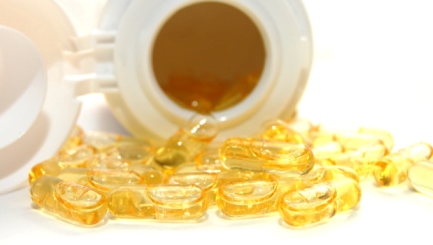
Although pills seem like the easy fix for your wellbeing, the truth is there’s no substitute for diet and nutrition wellness. Sure, you need vitamins and minerals to keep your body functioning at its best – after all, these nutrients are essential in building strong bones; improving brainpower, mood, and memory; and possibly helping the immune system ward off ailments both large and small. Still, according to Jeffrey Blumberg, PhD, director of the antioxidant research lab at Tufts University, ‘Vitamins should be used only as supplements to the diet, not substitutes for healthy food.’ So let’s take a look at the vitamins you need, and how you can incorporate them into your diet.


1. Calcium: You need this mineral for bone health, which is vital as you age. Therefore, you want 1000mg every day before you turn 50, and at least 1200 thereafter. You want to spread your calcium consumption out throughout the day, as your body can’t absorb more than 500 milligrams of calcium at a time. The best daily menu is an eight-ounce glass of skimmed milk, one cup of yoghurt, one cup of cooked spinach, and one fig.


2. Vitamin D: Not only do you need this vitamin to absorb calcium, a vitamin D deficiency can lead to osteoporosis, certain cancers, multiple sclerosis, type 1 diabetes, and other chronic illnesses. Before the age of 50, you should be getting 200IUs every day, and 400-600IUs after that. Your body produces this vitamin when your skin is exposed to sunlight, so you only need to get out in the sun (without sun cream) for 10-15 minutes three times a week. Otherwise, you can get 200IUs from a 3½ ounce serving of salmon, or two cups of fortified milk.


3. Vitamins B6 and B12: These vitamins are vital for the functioning of your blood, nerves, and the immune system, and not getting enough could increase your risk for heart disease and stroke. You need 1.3 milligrams (mg) of B6 and 2.4 micrograms of B12 every day, which you can get from a cup of plain yoghurt and a banana, one ounce of sunflower seeds, and three ounces of roast beef.


4. Folic Acid (Folate): If you’ve ever had a baby, you’ll know how important folate is to your baby’s wellbeing. This B vitamin helps to prevent neural-tube birth defects, such as spina bifida, and deficiencies can increase your risk of certain cancers, heart disease, and stroke. You need 400 micrograms every day, which you can get from a ¾ cup serving of fortified breakfast cereal, or a combination of a cup of peas, a cup of cooked spinach, and about five spears of asparagus.


5. Vitamin C: As you know, vitamin C is good for you immune system, but it also boosts you “good” HDL cholesterol. You need 75-200mg every day, which you can almost get from just one orange. Other food sources include strawberries, red and green peppers, Brussels sprouts, broccoli, spinach and kale.


6. Vitamin E: As a powerful antioxidant, vitamin E is an amazing nutrient, especially with regards to your eye health and the prevention of Alzheimer’s disease. You generally need about 22.5IUs a day, but anything up to 150IUs won’t hurt. You can get all you need from a cup of raw broccoli coupled with two ounces of either almonds or sunflower seeds.


7. Iron: Iron-deficiency anaemia is common in women, as you lose a lot of the mineral during your periods, especially if you have heavy ones. To prevent this, you need about 18mg a day, which is best attained through a large spinach salad, a cup of lentil soup, and a small (three-ounce) serving of red meat.

For those undergoing a bout of eye difficulties, you may be recommended Viteyes Original supplements to protect them. What this means however, is that you are also taking Vitamin A, which is said to be a cause of lung cancer, as well as vitamins C and E, zinc and copper. Overall, to help with one condition is to leave yourself vulnerable to others.


That being said, an age-related condition known as AMD, which mainly affects the central part of the retina at the back of the eye, is responsible for your main vision – it means that when you look at something, it becomes blurry and unrecognisable. It can become quite discomforting. The causes of AMD are dependent on its type; “dry” AMD is when the retina is damaged due to a lack of nutrients, whilst “wet” AMD is due to abnormal blood vessels developing under the macula (a yellow spot near the back of the eye).


It is found that taking some supplements that are high in vitamins C and E, as well as beta-carotene and zinc can reduce the chances of developing AMD by 25%. If you are a smoker, then consult your doctor about taking these supplements.


If vitamin A is the issue when it comes to lung cancer, then you do not need a further reason to harm yourself – tread carefully. Whilst you are benefiting your body in one way, the question you should also be asking is what you’re doing to it as well. We take many things for granted; whether it is sight or smell or touch, they are an every day sensation that we enjoy relying upon – they are a part of us. By taking it away, we are suddenly left stumbling and unsure of what to do.


Don’t leave yourself complacent – your complaints to the doctor may in fact save you.


Can Vitamin A Cause Cancer?

Your body needs 40 essential vitamins, minerals and other nutrients on a daily basis to maintain your wellness, but not only can getting these from supplements can be expensive and inconvenient, but this is actually less effective than getting your vitamins from your diet. According to TV’s Dr Oz, ‘Getting your daily vitamins can be the key to a longer life, but if you can’t remember to take those pills every morning or don’t have the money, I’m going to show you how you can eat your daily vitamins.’ Dr Oz has introduced his vitamin cheat sheet that shows how you can get all the essential nutrients your body needs just from food.


Dr Oz explains that vitamin A is ‘hugely beneficial for folks who want to get rid of wrinkles,’ generally found in orange coloured foods like cantaloupe, carrots and sweet potatoes. He says that if you eat a large sweet potato for dinner or a cantaloupe for breakfast, ‘you can get your servings from just that alone.’ He explained that B vitamins are vital for maintaining your energy levels, fighting fatigue, and in controlling your weight, recommending chicken for vitamin B3, bananas and tuna for B6 and shrimp, sardines and salmon for B12.


When it came to vitamin C, Oz said that there are better sources out there then oranges for fighting the common cold and potentially keeping cancer at bay. According to Oz, papayas and kiwi fruit ‘actually offer about three times more vitamin C than you would actually need to have in a single day, so it’s easy to get your vitamin C dose without taking a pill.’ Vitamin D is a harder challenge, as it is hard to source from foods. However, as it can improve the wellbeing of your bones, immune system and mood levels, Dr Oz recommended that you get vitamin D from sunlight on your skin, or else from foods like egg yolks or two cups of milk.


Finally, Oz recommended vitamin E ‘for anyone who wants to look younger and feel younger.’ Aside from this, vitamin E also helps to repair skin that has been damaged by sunburn (so it may come in handy if, in an attempt to boost your vitamin D, you’re getting too much sun) and studies show that eating sources of vitamin E lowers your risk of developing Alzheimer’s disease. Therefore, Oz recommends two ounces of sunflower seeds or almonds for a rich daily source of vitamin E.

You may have seen vitamin E on the label of your moisturiser, but why? What does vitamin E do for your wellbeing, and is applying it to your skin the only way to reap its wellness benefits?


Vitamin E is actually found in a variety of foods, such as spinach, peanut butter, sunflower seeds, nuts and vegetable oils. The reason you may have seen it as a prominent ingredient in your skin cream is that vitamin E acts as an antioxidant, and may play a key role in preserving your health during the ageing process. Your body contains free radicals, which are environmental by-products caused by pollution, smoking, and ultraviolet radiation that promote oxidative stress. However, vitamin E powerfully protects you against the damaging effects of free radicals, such as weakened body cells age-related diseases like cancer, heart disease and Alzheimer’s disease.


According to numerous studies, if you eat a vitamin E-rich diet, you may be able to delay or prevent these age-related chronic diseases, but a growing body of evidence suggests that adding a vitamin E supplement to your daily repertoire of healthy habits may not provide the same benefits. In the 2012 Journal of Alzheimer’s disease, a meta-analysis was published in which it was found that vitamin E intake through diet — not supplements — lowered the risk of developing Alzheimer’s disease.


In addition, researchers from Rutgers University in New Jersey reported in Cancer Prevention Research that the type of vitamin E found in foods was cancer preventative. However, the 2012 study found that alpha tocopheral (a form of vitamin E supplements) did not prevent cancer. A recent review of epidemiological and clinical trials on vitamin E, published in Trends in Molecular Medicine, also concluded that the supplemental form of vitamin E yielded disappointing results. Not only did supplements fall short of slashing cancer risk, but they also failed in protecting against neurodegenerative diseases, such as Alzheimer’s disease and Parkinson’s disease.


Therefore, it’s clear to see that the power isn’t in the pill, but in the food. You should be getting a healthy dose of vitamin E in your diet on a daily basis. The best source is wheat germ oil, as one tablespoon can provide 100% of your daily values (DV). However, other excellent sources are sunflower seeds (37% DV per ounce), dry roasted almonds (34% DV per ounce), dry roasted hazelnuts (22% DV per ounce) and peanut butter (15% DV per two tablespoons).

Of all the vitamins and minerals you need to improve your wellness, some are harder to come by than others. Many turn to supplements to give their wellbeing a boost of B vitamins, magnesium and vitamins E and D, but the truth is that there’s a much more natural and delicious way to go about it; Suavva Original Cacao Juice Smoothie.


Produced by Agro Innova, a single serving of Suavva Original Cacao Juice Smoothie contains 270% of the daily reference intake (DRI) needs of the powerful antioxidant Vitamin E and no less than 395% of the DRI of Vitamin D, 156% of Vitamin B9, 60% of Vitamin B1, 27% of Vitamin B6, and 81% of Magnesium. The trailblazing, all-natural health beverage contains a powerful exotic ingredient cacao puree, which is a natural and enjoyable source of these elements.


Having now been introduced to the mass market by its innovative healthy juice manufacturer, the smoothie is ideal for you if you’re a health-conscious consumer, as it provides an excellent alternative to supplements and pills. The smoothies come in four flavours; Original Cacao Juice, Orange Cacao Juice, Mango Cacao Juice, and Chocolate Cacao Juice, and Ecuador Produce, the main supplier of cacao puree to Agro Innova, have recently released laboratory studies which have confirmed the healthy properties of its super premium cacao fruit puree.


You already know by now the monumental benefits that antioxidants, vitamins, and magnesium can have to your wellness. The powerful antioxidant vitamin E helps to restore your cells to their original condition, as well as helping to prevent cancer, heart disease, stroke, cataracts, and some of the signs of ageing. Your body needs vitamin D, on the other hand, to absorb calcium. This helps you to form and maintain strong bones, providing protection from osteoporosis and mortality in women in particular. Vitamin D may also help prevent hypertension (high blood pressure), cancer, and several autoimmune diseases.


And magnesium? The National Institutes of Health states that you need this mineral for more than 300 biochemical reactions in your body. Magnesium works to maintain normal muscle and nerve function, keeps your heart rhythm steady, supports your healthy immune system, keeps your bones strong, regulates blood sugar levels, promotes normal blood pressure, and is known to be involved in energy metabolism and protein synthesis. On top of all this, magnesium may prevent and manage hypertension, cardiovascular disease, and diabetes. So with all those amazing ingredients and benefits, why wouldn’t you try Suavva Smoothies?

Daily supplements are generally regarded as a good thing, providing people with the vitamins and minerals they may be missing. However, new research suggests a daily supplement of vitamin E puts you at risk of thinning of the bones.


A Japanese study linked a compound in vitamin E to osteoporosis, the degenerative bone condition, where bone thins or breaks down more quickly than it can be replaced. Researchers from Keoi University discovered that taking alpha-tocopherol vitamin E supplements can quickly reduce bone mass.


Lab tests were carried out on rats and mice to reveal that alpha-tocopherol, which is the most common form of vitamin E, kickstarts bone-degrading cells by releasing low levels of “resorption”. Resorption is the process of breaking down and recycling bone minerals to regenerate the bones. Instead of increasing resorption to break the bones down effectively, alpha-tocopherol vitamin E thins the bones instead.


Their laboratory experiments used mice with low levels of vitamin E. Those mice had grown excessively thick bones because their bodies could not break down the old bone through resorption and so new, healthy bones could not be formed.


The team gave the mice doses of alpha-tocpherol vitamin E supplements equivalent to the doses taken by humans and after eight weeks, the mice showed a 20% reduction in bone mass. Mice given the less common form of vitamin E, delta-tocopherol, did not show the same effects.


Vitamin E is known for its powerful antioxidant properties, for its anti-ageing qualities and ability to protect against heart disease, stroke and cancer. However, the evidence of the Japanese study may give some people who take it as a supplement pause for thought, particularly older women most likely to be affected by osteoporosis.


The Japanese study, reported in the journal Nature Medicine, has called for a larger study into the potential effects of vitamin E on bone mass.


Vitamin E Supplements Could be Bad for Bone Health

Vitamin E Are You Getting Too MuchAnyone will tell you that getting the right amounts of vitamins and minerals in your diet is absolutely vital for your wellbeing. Whether you want to give your wellness an overall boost, or you want to guard yourself against developing certain diseases, vitamins and minerals can help you do it. But, with so many out there, some of the key vitamins can pass you by so let’s take a look at one such vital vitamin: vitamin E.


Vitamin E has several important functions. The vitamin helps to protect the membranes of cells, which maintains their structure, and it can even be used to treat flu as it is a ‘natural viral’ killer. By increasing your levels of B cells, vitamin E fights germs and other harmful foreign elements in your body because the B cells it boosts grow the antibodies which destroy the bacteria of flu.


Great, so that’s vitamin E, but where do you find it? Luckily, you can probably get all the vitamin E you need in your diet, and plant oils, such as soya, corn and olive oil, are particularly rich sources of the vitamin. However, you can also get you vitamin E from supplements, if you prefer, or in other good food sources such as nuts and seeds and wheat germ, which is found in cereals and cereal products.


However, before you fill your cupboards will a year’s supply of wheat germ, bear in mind that you don’t really need a lot of vitamin E to reap the maximum benefits. It’s recommended that women intake 3mg of vitamin E a day, whilst men need 4mg daily. You don’t even need to have vitamin E in your diet every day, as any that your body does not need immediately is stored for future use.


If you’re worried about overdoing it, there isn’t enough evidence to suggest that taking high doses of vitamin E has any nasty side effects, but that isn’t conclusive. The Department of Health advises that you get the amount of vitamin E you need by eating a varied and balanced diet, and if you do take vitamin E supplements, you should avoid taking too much. However, you can take up to 540mg a day of vitamin E supplements, and it’s unlikely to cause any harm.


Feel E-ven Better: What Do You Need to Know About Vitamin E?

If you know something about vitamin and mineral supplements, you may have heard that there’s a certain wellness controversy around upping your intake of vitamins A and E. In the past, studies have linked synthetic versions of these vitamins to a decreased wellbeing, but some people with specific health concerns could actually need to supplement some vitamin A and E replacement in their diets.


Commonly, symptoms or disease states that benefit from vitamins A and E are various skin or eye diseases, premenstrual syndrome symptoms, fibrocystic breast disease, and vascular diseases. However, in one wellness area, these two vitamins are crucial for repletion in a supplement form; inflammatory bowel diseases. Whether its irritable bowel syndrome (IBS) colitis or leaky gut syndrome, you may need extra supplementation of all vitamins and minerals, including vitamin A and E.


Some studies have suggested that if you have an inflammatory bowel disease, you have lower levels of retinol-binding proteins and thus had lower blood levels of vitamin A, even more so than vitamin E. Even eating well might not get your overall vitamin level up to where it should be, but this is particularly the case with vitamin A and E.


Because your intestinal tract is inflamed, when the disease is severe your intestines cannot absorb from food well. In this case, there are less of the proteins needed to absorb and transport food available; because inflammatory states cause high levels of protein to break down. However, as there are concerns about high doses of synthetic vitamin A and E supplements, if you have chronic bowel disease that leads to inflammation in the intestines, natural forms of vitamins should be taken on a daily basis and not just intermittently.


Bear in mind that extra vitamin A and E are only advisable if you have a specific health condition that requires it, or your body doesn’t absorb these nutrients well. You shouldn’t take them as a general wellness supplement but with a specific treatment goal in mind for a specific concerning disease state or symptom. This means checking with your doctor first as to whether they are a good idea for you, or else getting the right levels from a well-balanced, plant-based diet.


Can Supplements Improve Your Inflammatory Bowel Disease?