Showing posts with label Malnutrition. Show all posts

What Vitamins Do You Need When You Have Crohn’s DiseaseThe human body needs vitamins to survive. They are a vital part of our wellbeing and have a role in every single process that is carried out in the body – and yet the body does not make its own vitamins. These must be acquired from the diet via certain types of food, or taken in via a selection of vitamins, minerals and supplements that can be purchased – usually in tablet form.


Unfortunately, there are people in parts of the world who do not have access to a healthy and balanced diet, and nor do they have access to the plethora of over the counter alternatives that are available to us in the developed world. That’s why supplement company DSM is launching their Vitamins in Motion programme, to take vitamins, minerals and supplements to those who need them most.


The programme aims to increase wellness by battling malnutrition for over two million people via vitamin distribution and food supplementation.


Carried out through charity Sight and Life, the vitamin distribution programme is thought to be a vital part of improving outcomes for those in developing countries, enabling them to enjoy a better quality of health which, in turn, allows them to work and to support their families.


Initially launched to help deal with the world’s Vitamin A deficiency problems, the Sight and Life charity now runs through DMS with a much broader remit, to bring an end to vitamin deprivation and to increase wellness throughout the world via carefully targeted programmes of vitamin distribution.


Getting Vitamins To Those Who Need Them Most

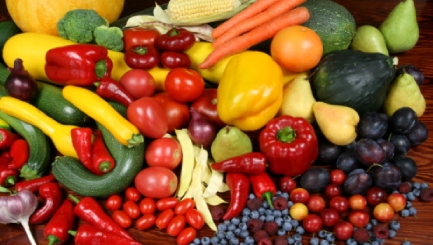
Top Five Vitamin-Rich Vegetables For Your DietEncouraging women in the developing world to grow their own vegetables can be a step on the way to ridding the world of malnutrition. The World Vegetable Centre, a not-for-profit research institute, aims to alleviate poverty and malnutrition in the developing world through increased production of vegetables.


One of its projects aims to increase the number of people growing their own vegetables in their own gardens, pointing out that a space just 36m square can feed a family of four with a year if planted properly.


The centre makes the point that the main cause of malnutrition in sub-Saharan Africa in particular is vitamin and mineral deficiency – a lack of vitamin A, iron and zinc, most of which can be found in fruit and vegetables. So while crops of wheat and rice are important for feeding people, the centre believes vegetables are equally if not more essential.


It is estimated that almost one billion people go hungry across the world every day. In the developing world, growing and marketing vegetables has become a route for women to become self-sufficient as part of millennium development goals to improve women’s health and empowerment.


The World Vegetable Centre’s project to encourage people to grow their own vegetables focuses on developing community gardens, often in urban areas, to boost social cohesion and support communities, as well as providing people with essential nourishment over the course of the year.


The issue of climate is, of course, hugely important in what kind of vegetables can be grown in tropical countries as increased salt, high temperatures, flooding and drought will all have an effect on crops.


To that end, the World Vegetable Centre is embarking on various research projects to identify which plants are more suited for growing in which nation. With most agricultural research and investment is on carbohydrate-rich crops such as rice, maize and wheat, the centre is now putting its focus on directing and sourcing funds into more vegetable growing, which offer the micronutrients essential for good health.


Why Vegetables are Better for Dealing With Malnutrition