Showing posts with label Brown Rice. Show all posts

We’re told time and time again of the importance of a good breakfast, but sometimes time constraints make it difficult to opt for something healthy as well as fast. These recipes are perfect for beginning your day in a healthy way, as well as being quick and easy to prepare.


Burritos


Breakfast burritos are a popular start to the day, but they aren’t always the healthiest meals – often laden with fat and carbohydrates, they require something of a makeover in order to be the nutritious meal you need to fuel your busy day. The good news is that you can achieve just that by making some small changes to what you fill your burrito with. What goes into your burrito is down to what you enjoy eating the most – you can fill them with anything from cucumber, hummous and roasted peppers to goat cheese, mint or even strawberries and honey.


  • 2 sheets brown rice paper

  • 4 dates, pitted and sliced in half

  • 2 tablespoons goat cheese crumbles

  • 4 large basil leaves

Begin by dipping one sheet of rice paper into warm water and spreading it out on a dry plate. Arrange half of the remaining ingredients in a horizontal line down the middle, leaving around an inch on either end. Fold the right and left sides of rice paper inwards over the filling, then fold the bottom of the rice paper over the filling and roll. Repeat with the remaining sheet of rice paper and the filling ingredients. These contain around 187 calories and are a quick breakfast snack to whip up before you head out to work.


Overnight Chia Pudding


Blending chia seeds with leftover brown rice is the perfect way to create a healthy, no-cook alternative to a classic dessert. The best part is that this is created overnight, so you don’t need to worry about preparing anything first thing in the morning.


  • 1/2 cup cooked brown rice

  • 2 tablespoons chia seeds

  • 1/2 cup unsweetened rice milk

  • 1/4 teaspoon cinnamon

  • 1/4 teaspoon vanilla extract

  • 1 teaspoon raw honey

  • 2 tablespoons crushed walnuts

  • 1/4 cup berries (optional)

In a large bowl, mix the rice, chia seeds cinnamon, vanilla, honey and chia seeds together. Cover and set in the fridge to sit overnight. In the morning, mix the pudding again and top with the walnuts and berries if desired. This will last for a couple of days so it’s perfect if you want to make a larger batch to last you, saving you time and making this a really cost-effective breakfast. The berries, nuts and milk all provide different nutrients to fuel you throughout the day, and the brown rice is a healthier alternative to the more common starchy breakfasts we’re used to beginning the day with.


Open-Faced Salmon Sandwiches


Taking inspiration from a classic high tea, this is a great way to jazz up your breakfast toast. If you wish, you can replace the salmon with baby shrimp, goat cheese or a hard-boiled egg.  Avocadoes and salmon are both loaded with healthy oils and fats, so they make a great addition to your breakfast meal.


  • 2 slices smoked salmon

  • 4 slices cucumber

  • 1/4 cup sliced avocado

  • 2 pieces whole-grain or gluten-free bread

  • 4 2-inch pieces chive

  • 1 lemon wedge (optional)


Take a slice of bread and arrange the salmon cucumber and avocado slices on the top. Top with chives and, if you wish, you can also sprinkle with a little lemon juice. These sandwiches can be updated with a variety of different ingredients and contain just 330 calories.

You want to enhance your diet and start taking care of your wellbeing, but healthy foods are so often the most expensive option. Why should you have to choose between your health and your financial wellness? According to a recent study by the United States Department of Agriculture (USDA), eating healthily can be fairly cheap – it just depends on the choices you make.


1. Fresh fruits and vegetables: ‘Fruits and vegetables pack a powerful nutrition punch,’ says registered and licensed dietician Mandy Seay, author of Your Best Health. ‘They contain a variety of vitamins, minerals, and antioxidants that provide benefits for the entire body.’ This means that you need to go for the least pricey produce, which, in the case of vegetables, means potatoes, lettuce, eggplant, greens, summer squash, tomatillos, and carrots. For the most economical fruits, try watermelon, bananas, apples, pears, pineapple, and peaches. To further reduce your costs while maximising on nutrition and flavour, make sure you shop for produce that is in season.


2. Frozen and tinned fruits and vegetables: While you may not even deign to consider frozen and tinned fruits and vegetables, they’re a lot better than their reputation. According to Seay, ‘While given a reputation of having a lesser nutrient value, canned fruits and vegetables can be just as healthy and economical (if not more so) as their fresh counterparts.’


3. Oats: On the nutrition rockstar stage, oats are the headliners. Seay notes, ‘These whole grains are low in calories, high in fibre and protein, and are a rich source of many vitamins, minerals, and beneficial plant chemicals. Oats offer protection against disease and reduce health issues that may already exist like high cholesterol or blood sugar. Oats are readily available, easy to incorporate into your diet, and inexpensive.’


4. Beans: If you want a low-fat protein, make beans your new best friends. These delicious and economical wonders – whether dried or canned – can have a huge impact on your wellbeing. Beans can help to lower your cholesterol, reduce your risks of heart disease and cancer, stabilise your blood sugar, relieve your constipation, assist with your weight management or weight loss programme and lower your blood pressure. Where have you bean all my life? (Sorry, I had to.)


5. Tea: As if you needed another reason to have a brew! Still, if you’re interested, when it comes to your health this low-cost beverage is worth every penny. Seay comments that tea ‘helps lower blood pressure, prevent cancer, and reduce the risk for stroke. Tea is also an antiviral, anti-cavity, and anti-allergy powerhouse.’


6. Nuts: ‘Nuts reduce the risks for coronary heart disease, diabetes, cancer, and many other causes of mortality,’ Seay asserts. ‘All nuts contain some sort of health-promoting property. Eat a variety of them to enjoy all of the nutrition they have to offer. Here are just a few things you’ll find inside them: plant-derived omega-3s fatty acids, fibre, protein, vitamin D, calcium, copper, iron, magnesium, niacin, folate, zinc, and antioxidants.’ Plus, they’re great value per serving.


7. Yoghurt: Yoghurt is a cheap sweet option anyway – albeit dependant on flavour and brand –but if you really want to save money you can always make your own yoghurt at home. Seay adds, ‘Yoghurt contains live active cultures, protein, calcium, and B vitamins. This super food has anticancer properties, lowers cholesterol, and wards off unfriendly bacteria while promoting and preserving intestinal health.’


8. Brown rice: ‘Brown rice, which contains a number of nutrients and antioxidants, is a whole grain that has been shown to reduce diabetes risks, assist with weight control, help lower and control blood sugar, and possibly inhibit breast and colon cancers,’ says Seay.

With everything from acai berries to whole wheat English muffins, we’ve assembled the top 52 super-foods to help you pick the ones that might benefit your wellness. Add a new super-food to your diet every week, and soon you’ll have a whole arsenal to help you protect your wellbeing.


1. Acai Juice: Rich in anthocyanin, acai boosts the antioxidants that fight diseases in your blood stream.


2. Apples: The content of the antioxidant Quercetin in apples reduce your risk of lung cancer.


3. Avocados: The healthy fat in avocados helps your body to absorb nutrients and promote weight loss.


4. Asparagus: This natural diuretic is rich in bone-building vitamin K.


5. Blueberries: These are great for preventing memory loss.


6. Brazil nuts: One Brazil nut contains an entire days’ worth of selenium, which protects you against heart disease and cancer and boosts your immune system.


7. Blackberries: These are packed with disease-fighting antioxidants.


8. Baked potatoes: The potassium content in baked potatoes helps to lower blood pressure.


9. Barley: This lowers cholesterol and helps the regulate your blood pressure due to fibre and beta-glucan.


10. Bananas: The potassium and resistance-starch fibre in bananas promote weight loss.


11. Broccoli sprouts: These contain 10% more cancer preventing glucoraphanin than regular broccoli.


12. Bran flakes: This cereal promotes heart health and weight loss.


13. Black beans: To promote artery health, you need the protein, fibre and antioxidants found in black beans.


14. Brown rice: Being a great source of magnesium means that brown rice helps in energy production and the strengthening of bones.


15. Brussels sprouts: The glucosinolates in Brussels sprouts fight cancer.


16. Bok choy: This is rich in calcium.


17. Cauliflower: Cancer-fighting glucosinolates are also found in Cauliflower.


18. Collard greens: These are loaded with vitamins and nutrients.


19. Canned pumpkin: This helps you fight cancer with beta-carotene and alpha-carotene.


20. Canola oil: This heart-healthy oil contains alpha-linolenic acid and vitamin E.


21. Dried tart cherries: Anthocyanins work to lower cholesterol and regulate blood sugar.


22. Edamame: The immature soy beans in Edamame lower cholesterol.


23. Eggs: These are high in protein and low in calories.


24. Fat-free milk: You need fat-free milk for your bones, muscles and energy levels.


25. Flaxseed: Flaxseed helps prevent certain types of cancers.


26. Grapes: Thanks to antioxidant resveratrol, grapes work hard to fight diseases.


27. Greek yoghurt: This contains twice as much protein as regular yoghurt.


28: Kiwi: Vitamin C-rich Kiwi reduces asthma symptoms.


29. Lentils: This meat-free protein source is packed with fibre and B vitamins.


30. Mustard greens: Rich in vitamin K, mustard greens bolster healthy bones.


31. Oranges: As well as vitamin C, oranges are rich in calcium.


32. Olives: Heart-healthy monounsaturated fat is found in olives.


33. Oysters: Full of iron, zinc and selenium, oysters help keep the immune system strong.


34. Prunes: These are loaded with bone-strengthening polyphenols.


35. Peanut butter: For blood vessel health, peanut butter provides the amino acid, arginine.


36. Salmon: This is rich in omega-3s.


37. Steel-cut oats: These less-processed oats contain fibre and aid weight loss.


38. Spinach: The vitamin K in spinach promotes strong bones and blooding clotting ability.


39. Strawberries: Loaded with ellagitannins, strawberries prevent certain types of cancer.


40. Sardines: These provide omega-3 fats and vitamin D.


41. Scallops: These are a low calorie source of protein.


42. Shitake mushrooms: Shitake mushrooms are rich in vitamin D.


43. Sweet potatoes: These protect your immune system and vision.


44. Soy milk: A plant protein source with as much calcium and vitamin D as cow’s milk.


45. Sunflower seeds: These have a high vitamin E content.


46. Tea: Black and green tea prevent hardening in your arteries.


47. Tomato sauce: This actually contains more lycopene than fresh tomatoes.


48. Turkey breast: Turkey is a low-calorie source of protein.


49. Wheat germ: This contains vitamin E and selenium.


50. Walnuts: The omega-3 fatty acid found in walnuts – alpha-linolenic acid – improves memory and coordination.


51. Watercress: This packs a huge punch against cancer with it’s cancer-fighting phytochemicals.


52. Whole wheat English muffins: These provide a low-calorie source of fibre.

We have all heard of superfoods – they are foodstuffs that contain high levels of nutrients, vitamins and minerals that are reported to be very good for our health. This means they can be a great benefit for us in a number of ways – but if you’re looking to lose weight, which are the best superfoods that you should use? We’ve put together a list of ten superfoods that will have you slimming down in no time.


Black beans


Black beans are commonly used in Mexican food and they can be great for you. Just one portion of black beans contains a fantastic 15 grams of protein – and protein is a great way to help fill you up and keep you fuller for longer. Unlike many other sources of protein, the beans do not contain any saturated fat.


Oats


Oats are well known as a great weight loss food because they are high in fibre which is another great way to help you feel full throughout the day. One small serving packs in plenty of resistant starch, which is a healthy carbohydrate that boosts metabolism and helps your body burn away fat.


Avocado


Avocados are high in fat – and while that might seem like a bad thing to say for dieting and weight loss, they are filled with good fats that can actually help you lose weight. As well as having healthy monounsaturated fats in them, avocados also contain high levels of protein and plenty of fibre.


Salmon


Salmon is well known as a food that’s very health for you. The reason it is so good as a way of losing weight is because it is a source of protein that has very low levels of fat in it. This means you are filling your body up with fat but you are providing it with a fantastic source of energy that will keep you full throughout the day.


Blueberries


While they might be best known for their anti-ageing qualities, blueberries can actually be very helpful in the fight to lose weight. This is due to the very low levels of calories found within them meaning you can eat plenty to fill you up without piling on the pounds.


Broccoli


Delicious and nutritious, broccoli is high in fibre but low in calories, ensuring its place at any weight loss table. Broccoli is a fantastic vegetable to accompany other health main courses and really adds a balance of nutrients to your diet which can be a massive boon to weight loss.


Brown rice


While you might be more accustomed to buying the traditional white rice, it can really be worth making the switch to brown rice if you’re looking to lose some weight. Brown rice is a healthier alternative as it has lots of fibre and resistant starch. It fills you up but doesn’t load up the calories making it an ideal choice for slimming down.


Pears


Pears are one of the underappreciated weight loss foods – they are packed with fibre and can help to boost your metabolism. The most important part of the pear to eat in the skin; this is where you’ll get much of the fibre from.


Wine


Believe it or not, wine can be a fantastic choice if you’re trying to lose some weight. Studies have shown that moderate wine drinkers are more likely to be slimmer than their peers – so it’s OK to have a glass or two, but don’t go crazy.


Grapefruit


The good old grapefruit is a fantastic option to help you drop the pounds. It’s a great source of protein and makes for a fantastic healthy breakfast choice.

The key to the 1,500-calorie weight loss plan is, you guessed it, only consuming 1,500 calories a day. That can seem like a big dip in your daily grub – and no one’s wellness benefits from feeling ravenous all day – however, we’ve got a list of healthy dishes that you can mix-and-match and never feel hungry or deprived. As long as it all adds up to 1,500 calories, you can eat the foods you love most while still taking care of your wellbeing.


1. Your McDonald’s Choice: Yup, even Maccy Ds is on this list! For a McDonalds takeout option that doesn’t break the calorie bank, you can enjoy an Egg McMuffin and coffee for approximately 300 calories.


2. Maple Berry Waffles: Toast a frozen wholegrain waffle and top it will half a cup of low-fat plain yoghurt, one cup of fresh berries and a tablespoon of maple syrup. This breakfast option is more filling and nutritious than the McDonalds Egg McMuffin, but it’s the same amount of calories.


3. Spicy Scramble Breakfast: If you’ve got a bit more time on your hands, this flavoursome 300-calorie breakfast will keep you going until lunchtime. In a pan over a medium heat, scramble one egg and two egg whites with a quarter of a cup of canned black beans (rinse and drain the can first), two tablespoons of spicy salsa, and two tablespoons of cheddar cheese. Put the mixture in a wholegrain tortilla and you’re good to go.


4. Garden Tuna Wrap: Moving on to lunch dishes, two of these delicious wraps only make up 400 of your 1,500 calories. Mix two tablespoons of low-fat Italian dressing with four ounces of light tuna packed in water (drained). Then, share the tuna mixture between two wholegrain tortillas and add in a cup of shredded carrots and a cup of sliced cucumber.


5. Turkey Cheddar Club Sandwich with Apple: Spread a teaspoon of mustard onto two slices wholegrain bread. Add six 6 thin slices of turkey, a slice of cheddar cheese and three lettuce leaves. With a medium apple on the side, this lunch adds up to 400 calories.


6. Takeaway from Subway: If you need to get something quick from Subway on your lunch break, that doesn’t mean you have to break the calorie bank. Just opt for a six-inch turkey breast sandwich and Veggie Delite Salad with fat-free dressing – super filling and just 400 calories.


7. Takeaway from Domino’s Pizza: Yup, it’s not just McDonalds and Subway you can enjoy on this diet, but you can even get dinner from Dominos for just 500 calories. With friends, order a large crunchy thin-crust pizza with grilled chicken and green peppers.  To make this work, you need to stop at two slices and – instead of reaching for slice number three – turn to a garden fresh salad with light Italian dressing. Not all local Dominos’ provide this, but you can make a quick and easy version at home using pre-washed bagged salad, tomatoes, and carrots.


8. Garlic Sesame Salmon with Brown Rice and Vegetables: For this 500-calorie dinner of champions, start by mixing a minced garlic clove with one tablespoon of sesame oil. Drizzle half the mixture on three ounces of salmon, and grill or broil for about eight minutes. Microwave three-quarters of a cup of (microwavable) brown rice for about 90 seconds (follow the package instructions), and then nuke one and a half cups of frozen stir-fry vegetables for four to five minutes. Drizzle the remaining sesame oil and garlic mixture over your rice and vegetables, and serve.

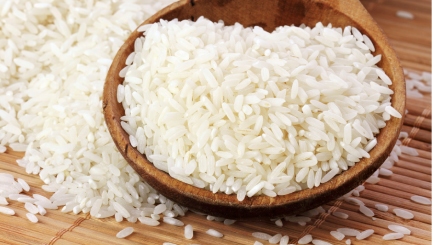
riceRice seems to be a staple ingredient across many cuisines, but does that mean it’s good for your waistline, or your wellness? A lot of dieters believe that rice is fattening, but according to Nutrition and Diet Consultant, Shilpa Mittal, ‘Rice is definitely healthy. It can be really healthy and nutritious when cooked with a right method. Add some vegetables, soybeans, paneer chunks, chicken pieces, pulses like rajma or any other ingredient of your choice to make rice healthy as well as filling.’


Ok, so rice is good on the whole, but what about the different types? When it comes to your wellbeing, are all kinds of rice created equal? There are tonnes of nutrients and vitamins in black, red and brown rice, such as vitamin B, vitamin K, iron, and potassium to name a few,  but, at least in terms of health benefits, perhaps white rice is better left on the shelf.


Let’s take a look at the rice varieties that are good for you. Wild or Indian rice is very healthy with a nutty flavour. Grown in North America, wild rice has a lower glycaemic index than white rice and contains proteins and omega-3 fatty acids and proteins too. As a bonus, wild rice can also be used as a natural remedy to your control blood sugar levels.


Next, brown rice is unpolished, meaning that it has a brown layer of bran on it which makes it rich in fibre. Because of this, brown rice can improve your digestive system and alleviate problems such as diarrhoea, stomach ulcers and ulcers in your intestines. Also, brown rice can help you control your blood sugar and cholesterol levels, and it is packed with thiamine (vitamin B), niacin, vitamin B6, vitamin K, calcium, iron, phosphorus, potassium, carbohydrates and proteins.


Bhutanese red rice, or simply red rice, is made by growing red yeast on white rice, and then powdering it. Red rice is sweet, and can lower your cholesterol and triglyceride levels because it contains monacolins which are known to limit cholesterol synthesis. However, you should avoid this kind of rice if you’re pregnant or breastfeeding, as it has been used as a strong pharmaceutical drug.


Finally, Chinese black rice is known as ‘Forbidden Rice’ in China, and also has the fibrous bran cover that brown rice has, but white rice has had removed. Therefore, Chinese black rice is a rich source of digestive system-boosting fibre, and also is packed with iron and antioxidants. If that’s not enough, the anthorcyanin in Chinese black rice is said to be a cancer fighting agent.


Rice is Nice, but Does It Boost or Bruise Your Diet?