Showing posts with label Head Lice. Show all posts

It is vitally important to make sure that your child’s health is regularly checked. Finding heath problems before they escalate will make them much easier to treat. When children start school, they need to be vaccinated and they will also need to see a doctor at least once a year. There are many things that your child will be checked for at those visits.


Cavities


Children do not have the best eating and brushing habits, so they are always very susceptible to cavities. Dentists from Genesis Dental recommend that you have your child’s teeth checked at least every six months. Tooth decay can spread and cause pain and damage to other teeth, so it’s best to catch it before it becomes a bigger problem. The dentist will also be able to give you child tips on how to properly care for and brush their teeth.


Vision Test


Most children do not even realize that they are having trouble seeing, which is why vision tests are extremely important. If your child can’t see properly, then they are not going to perform well in school. Many schools will do basic vision tests, but if you notice your child’s grades are suffering or they are sitting very close to the television or reading with books close to their face, it’s a good idea to get their vision tested.


Head Lice


While there is no major health risk associated with head lice, they can be very uncomfortable for your child and the rest of the family. Once you notice that your child or a friend of theirs has head lice, it’s important to check them and the rest of the family during treatment to make sure that it doesn’t spread.


Hearing Test


While every child is tested for hearing damage at birth, it is also a good idea to get their hearing checked periodically throughout childhood. Kids can develop hearing loss at any age, so it is best to find the problem as quickly as possible.


Scoliosis


Children will have their spines checked for scoliosis as they grow. This is especially important when they come to the age where they are starting sports and more physical activities. The only way to prevent permanent damage to the spine is to diagnose scoliosis early and start treatment as soon as possible. The doctor can do a basic test just by looking at and feeling the curve of your child’s spine.


Cholesterol Test


This may seem like an odd test to most people, but it is actually becoming very common in the medical field. It is now recommended to have your child’s cholesterol levels checked when they are nine years old. High cholesterol is one of the leading causes of heart problems, and it can be treated rather easily if found at such a young age.


Every parent worries about the health of their child, but there is absolutely nothing to worry about if your child is being tested for common health problems on a regular basis. Having these tests done doesn’t have to be expensive. Your school probably offers the basic tests and others can be received through free or low cost clinics. Getting your child regularly checked will give you the peace of mind of knowing that your child is as healthy as possible and they will get amazing care if any problems arise.

In today’s tight economy, the name of the game is cutting costs without sacrificing on quality or your wellness. This means more and more people are turning to ancient wisdom for some tried and tested ways to look after their wellbeing. While this usually means turning to Ancient Egypt, Rome or Asia, here in Europe we have a little bit of ancient knowledge up our sleeves too; olive oil. Yes, you may use it in cooking or drizzle it on salads to prevent heart health concerns, but there are numerous benefits to olive oil that you may not realise.


1. Moisturising your skin: In the world of beauty, no one is going to be surprised that oil can make for an effective moisturiser. However, Mediterranean women swear by olive oil specifically for helping them keep their skin young and radiant – and there’s a reason. Olive oil is packed with antioxidants, which helps to defend your body against free radicals. These little devils are thought to be behind major diseases, inflammation and – this is the important bit in this section of the article – premature ageing. Moreover, as olive oil contains vitamin E, it works to repair your cells, as well as protecting them from UV rays and further damage. All you need to do is rub a small amount on your face and neck in the morning and evening. Alternately, you can try mixing the oil with sea salt and adding a little lemon zest for an amazing body scrub.


2. Conditioning your hair: If you can get your head around the fact that olive oil makes for a great moisturiser, you should have no trouble seeing how great it can work as a hair conditioner. Simply warm up the oil and apply it to your hair and scalp. After 20 to 30 minutes, wash your hair thoroughly for a super soft, well-conditioned, frizz-free style.


3. Making your lips more kissable: I hope, by now, you’re beginning to see the nourishing nature of olive oil, which is why it’s so perfect for providing moisture to your lips. Whether your lips start chapping in the cold winter months or the dry summer days, olive oil can help you out even if you have particularly sensitive lips. Start by brushing your lips when you brush your teeth in the morning, as this will exfoliate away any of the bad bits. Then apply a small amount of olive oil. You could do this at the same time as you moisturise your face – saving money and time, what a winner.


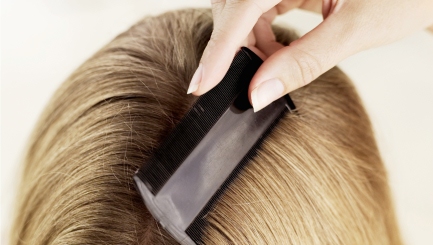
4. Getting rid of head lice: Is there a bigger pain to deal with than head lice? Whether you’re sick of nit-picking and chemically treating your kids’ or your own scalp, olive oil can be a gentle and effective solution. The way it works is that the olive oil smothers the lice in the same way that other natural solutions – like petroleum jelly, butter, or mayonnaise – do. However, olive oil is the most effective of all these methods, as well as being the easiest to wash out and – as we’ve previously covered – leaving your hair in wonderful condition. All you need to do is apply olive oil generously over your hair and scalp, cover it with a shower cap and let it do its work overnight. When you wake up, simply comb out the nits and give your hair a wash. Not only will the olive oil kill the lice during the night, but the smooth, nourishing oil will also make combing so much easier.

Children have a habit of getting ill very easily. Their young immune systems are still learning to fight off bacteria and viruses, which means that they are more vulnerable to many conditions than adults are. This can very problematic and cause a number of worries for parents who only want their child to be well, but maybe don’t know the best ways to deal with the problem as it’s not something they have a lot of experience in having to fight themselves. This is true in a number of cases, so we’ve supplied a great list of children’s illnesses and the best methods for being rid of them and improving your child’s overall health.


Irritated eyes


One problem that many children suffer from is irritations of the eyes. This is usually causes by the symptoms of some sort of virus, which the child then makes worse by rubbing. If your child has a cold, it’s probably nothing to worry about and it’ll clear up very soon. Alternatively, if they continue to rub their eyes there could be some sort of allergy issue. Try using over-the-counter eye drops to soothe the irritations. If your child’s eyes become very red and have any discharge, they may be suffering from pink eye and it’ll be worth going to the doctors about it.


Head lice


If there’s one childhood conditions we can all remember and relate to, it’s head lice. But when you child suffers from them it can be very worrying and problematic. Store bought shampoos and treatments actually work very effectively in terms of killing off lice, but sometimes the nits can be more of a problem. Nits are the eggs that are left behind in the hair. To get rid of them you need to douse the hair in one of the treatments and then brush the child’s hair with a very fine comb. It’ll do the trick.


Nosebleed


Children tend to get nosebleeds more regularly than adults, perhaps due to their (ahem) lack of shame in terms of picking their nose and going too far. The result is a large number of bloody incidents. Generally, the best advice is to lean you child forward so that a blood clot is able to form. However, it’s worth noting that if it lasts more than half an hour it may be worth talking to your doctor as your child may require cauterisation.


Stomach ache


Often you’ll find your child complaining of stomach pains without any of the other, usually associated symptoms such as vomiting. If it is an upset stomach it’s worth feeding your child some saltine crackers. Remember also that if your child has constipation it’ll be worth seeing the doctor and finding out if there is a more effective treatment.


Growing pains


Obviously there is usually a limit to how long you’ll feel growing pains. But for children going through it, it can feel like forever. Just use some standard children’s pain reliever and the pains won’t last long. You can also use a hot water bottle or give a light massage on the area where the child is feeling pain.


Sore throat


Sore throats are certain a problem that regular afflicts children. There are plenty of over-the-counter pain relief available for children and they tend to be fine. It is also usually a case of distracting the child and they’ll soon get over the issue. Generally a sore throat is not something you’ll need to worry about, once the child has gotten used to it they’ll not complain very much about it.

Lice-B-GoneNothing irritates family wellness quite like head lice. When your child returns home from school with a letter alerting you that he or she may have nits, you can almost want to send them straight back. However, this is when the race to treat the infestation begins.


Tiny, wingless parasites, head lice feed on human blood and live close to the scalp. Though you may have heard that nits can affect your wellbeing through contact with items such as clothing, brushes, towels or pillows recently used by someone with head lice, this is uncommon, as the crawling parasites are mainly spread by head-to-head contact. Another myth is that head lice have something to do with your personal hygiene and cleanliness, but this isn’t the case.


The most common sign that head lice have infected your wellness is an itchy scalp, caused by an allergic reaction to louse bites. However, this symptom may take four to six weeks to develop from the first time you become infected. Live head lice are commonly found behind the ears and near the neckline at the back of the head, so this is a good indication that an infestation has taken place.


So how do you treat the problem? According to David M. Pariser, MD, a dermatologist at Eastern Virginia Medical School, ‘If head lice hit your home, your paediatrician or family physician can be your best resource. There are a variety of treatments with varying effectiveness, and Sklice (ivermectin) Lotion, 0.5% is a prescription option parents may want to consider.’ This treatment can get rid of nits in one session, and doesn’t necessarily require nit combing.


However, Sklice can have certain side effects such as eye redness or soreness, eye irritation, dandruff, dry skin and a burning sensation of the skin, but none of these have occurred in more than one percent of treated patients. Further, if you or your child has any skin conditions or sensitivities or medical conditions, this treatment may be best avoided. It is also unknown whether Sklice Lotion can harm an unborn baby or affect your breast milk, so if you are pregnant, breastfeeding or planning on either of those things, consult your doctor about other ways to tackle head lice in your home.


The Nitty-Gritty: What Do You Need to Know About Head Lice?