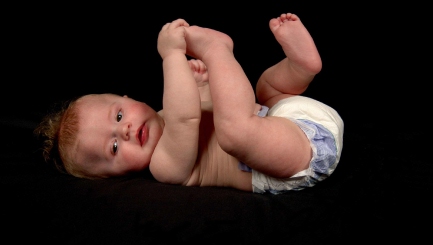
Nappy rash is one of the most common problems for newborns and young children. It is known that most babies will suffer from it at some point. Generally it is not actually a disease in the traditional sense of the word, but just an irritation of the skin that is relatively easy, if time consuming to manage and improve. When your baby has a wet or dirty nappy that has been left touching their skin for too long, they often suffer from the irritations. This is increasingly true of children who suffer with diarrhoea. It is well known that the cause of nappy rash is from ammonia. The baby’s waste products can turn into ammonia if the nappy isn’t changed in a while and then their waste products begin eat into their skin, which can then get inflamed and start to sting. However it is also true that a fungal infection, which comes about due to dampness under the nappy, can also be the cause of nappy rash, although this happens much less often.
While you might not think it is true, everybody has fungi on their skin from birth, but it only grows when conditions are right. But contrary to popular belief, fungi do not grow due to a lack of hygiene. Instead it’s actually wetness or changes in the skin conditions that create the prime conditions for it to grow. Obviously, a fungal infection is not a very nice experience for your baby because it can sting the skin – especially when the baby wets or dirties its nappy. Sometimes the standard form of nappy rash can combine with a fungal infection to create very uncomfortable conditions. So what is the best way to help your baby avoid nappy rash entirely? This is something that every parent dreams of fining – a miracle cure for one of the world’s most common problems – but often it’s actually the simple basic things that minimise the risk for your child. Some mothers believe that applying baby powder to the nappy is a good idea, while others think that using Vaseline is your best bet.
While using baby powder can be effective in some situations in cannot be recommended as a method for lining the baby’s nappy. The powder may form a bacterial culture which will actually only serve to make things worse for your baby’s condition. Equally some babies are actually allergic to baby powder and obviously if you combine an allergic reaction with problematic nappy rash it creates an even more serious problem. Vaseline may be a good idea as it can help to lubricate the baby’s skin and may form a protective layer, but this should not be considered a good overall treatment for nappy rash. Instead it’s actually the simple things that can help you avoid nappy rash. Ensure that your baby gets a few hours a day without their nappy on. This gives the skin time to breathe and makes sure the fungal infections do not get the opportunity to grow. Regularly changing the nappy is also an excellent idea as primarily it is leaving a wet or dirty nappy on for too long that is most serious problem regarding nappy rash. If you can follow these ideas it will massively reduce your baby’s risk and keep their skin in better condition. If you find that you follow these steps and there is still a prominent rash, consider going to the doctor as it may be a less common condition.