Showing posts with label Skin Cancer. Show all posts

Sunscreen is something that you should use generously and according to the label directions, and if you choose a good one it will serve you well as a great skin protector. There are so many sunscreens on the market now that choosing one can be daunting, but once you’re aware of the prime ingredients to be on the lookout for it will seem far easier. Begin by remembering the bigger picture – sunscreen is there to protect your skin from the damaging effects of the sun, but there are certain elements of good sun safety that should never be overlooked. For example, you should avoid the sun during peak hours, which generally fall between 10am and 2pm. These hours are prime for the sun’s potency and the UV rays are especially harsh during this time. You should also wear protective clothing, including a wide brimmed hat and sunglasses. Lastly, always wear sunscreen – this should be applied generously and reapplied throughout the day. Research has never shown a connection between wearing sunscreen and an increase in the risk of skin cancer, and most experts have never claimed that this rumour is true. However, there have been studies which suggest that sunscreen can reduce the risk of melanoma – the most serious form of skin cancer.


There are two types of UV light, UVA and UVB, which can both cause damage to the skin. A broad-spectrum sunscreen can protect you from both. UVA rays are responsible for premature ageing, whilst UVB rays burn your skin. Too much exposure of either one will increase your chances of developing skin cancer. You should aim to find a protective sunscreen that shields your skin from the effects of the sun. SPF stands for sun protection factor, which is an indicator as to how well the lotion deflects the UVB rays. It is calculated by how long it would take for the sun to burn the skin if it has been treated with the lotion, compared to bare skin. In theory, the higher the number the more protection you have. However, it isn’t that easy and most people are unaware of this. Even when applied correctly, an SPF 30 only provides slightly more protection than SPF 15 – it isn’t double as many people think. There are two forms of sunscreen, organic and inorganic. The former use active ingredients to absorb the UV radiation and convert it into a small amount of heat. Inorganic sunscreens are also called physical sunscreens, and work by reflecting the radiation. The type of sunscreen you use is whichever works best for you, and you can normally find types that specifically target certain body areas. For example, a spray may work better for areas such as the scalp, whereas a cream could be beneficial to drier areas such as the face.


The most important thing to remember is that the amount of sunscreen you use is imperative. Most people don’t apply enough, so the protection you receive suffers. Aim to use a blob the size of a 50p coin on your arms and legs, and one the size of a 20p coin for your face. As previously stated, you should also protect your skin with clothes and a hat. If you go swimming, you need to reapply when you get out – even sunscreens that are advertised as waterproof need to be reapplied once you’ve dried off, as they won’t remain protective. You should also reapply more regularly if you’re on sand or standing on a concrete surface, as these will reflect the light and increase the risk of burning.

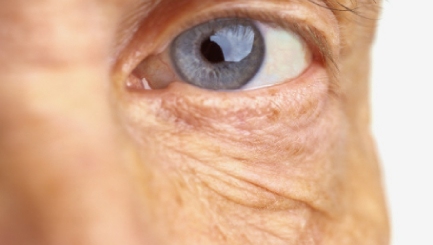
The most powerful anti-aging device is a simple bottle of sunscreen. The best way to protect the wellness and wellbeing of your skin is by protecting it from sun damage.


Sun damage not only threatens your life by making you more susceptible to getting skin cancer, but it also makes your skin look older. And yet, many people still refuse to wear sunscreen when spending time outside in the sunshine.


The facts about sunscreen are absolutely indisputable according to researchers and dermatologists: wearing a broad spectrum sunscreen will not only help to protect you from getting skin cancer, it will also slow down the signs of aging. A recent study even goes on to say that wearing a sunscreen all year round can actually slow down the aging process by around 24 percent. If you fancy looking fabulous as all your peers are deteriorating, this could be your secret to success.


A recent study showed that around 10 percent of the population do not wear sunscreen ever – under any circumstances at all, which is quite shocking. The same study also found that around 32 percent of the population only wear sunscreen when there is bright sunlight, but the fact is that UV rays can penetrate clouds and you are in almost as much danger on cloudy days in summertime. Around 27 percent of those surveyed admitted that they only wear sunscreen when on holiday or at a specific location such as the beach or pool.


Most alarmingly of all, around one percent of the population still go and spend time on tanning beds.


Sunscreen information (and misinformation) can be confusing, with regards to SPFs and so on, but all you really need to know is that you need to buy a broad spectrum sunscreen with a high sun protection factor. You must keep reapplying it too, even if the bottle claims that it is waterproof or lasts all day.

Sometimes we are all guilty of taking our health from granted. It is common to find that people have an ‘it will never happen to me’ attitude about illnesses and that means that those unlucky people who do suffer from the illness go into the treatments and check-ups under prepared for what is in store for them. In fact there are many health checks and medical procedures that we may have heard of but we don’t actually understand what they do, how they work and what they are for. We’ve decided to put together a list of some of the most common health checks and reveal the details so that if you ever find yourself in a position where you have to have one, you’ll be fully briefed on the reality of them.


The CT (Computed Tomography) Scan


The CT scan is one of those health checks that you’ve probably heard mentioned in movies and on TV, or possibly you’ll know someone who has had to have it done to them. But it may be the case that you don’t actually know the practical realities of it. Well, a CT scan is usually used for looking into abdominal problems, unusual issues with a chest x-ray or unexpected problems from a pelvic exam. It is a non-invasive procedure in which you’ll be placed in a doughnut-shaped device that combines x-ray and powerful computer equipment to produce a number of images of your body. You may well be required to fast and remove any metallic objects from your person before you can undergo the procedure.


The procedure tends to last between 15 and 30 minutes and you’ll receive an injection or have to drunk a cloudy solution in order for the machine to produce effective images. It’s also worth noting that CT scanning rooms tend to be very cold, so it’s OK to ask for extra blankets in order to stay warm.


Skin cancer screening


The idea of having skin cancer is very worrying to people, and contrary to sense, this can often make them avoid or put off having a skin cancer screening. It should be noted that you should have a skin cancer screening fairly regularly, especially if you’re someone who sits out in the sun a lot and is therefore at an increased risk of developing it. You should remove any nail polish before your screening to make it easier to identify any potential problems in the nail bed. The doctor will examine the skin everywhere from the very top of your head to in between your toes. If your doctor finds anything suspicious they will remove it, in order to stop it from developing into a major problem at another time.


Eye exam


For many of us, the simple eye exam is something we have very regularly and is not something that we worry about at all. However, for others, eye exams are a daunting prospect that they do not really understand. You’ll be tested in your ability to read a series of letters or numbers both up close and far away. You may also have your eye scanned using more technologically advanced equipment. It’s worth resting your eyes for a few days before the exam – for example, you could avoid doing excessive work on a computer in that time. Eye exams are not just to test whether you have glasses, they can also be invaluable in diagnosing you in terms of other conditions that can be much more damaging to your health. It’s worth getting an eye exam every year, even if you do not suffer from short- or long-sightedness.


The main symptom of non-melanoma skin cancer is the appearance of a lump or discoloured patch on the skin that doesn’t heal.


The lump or discoloured patch is the cancer, sometimes referred to as a tumour.


Basal cell carcinoma


Basal cell carcinoma (BCC) usually appears as a red or pink lump, although it can be pearly-white or ‘waxy’ looking and may contain visible blood vessels.


The discoloured patch of skin is flat and scaly and can have either a flesh-coloured or brown appearance.


Basal cell carcinomas can slowly grow to cover 10-15cm (4-6 inches) of skin. Both the lumps and discoloured skin patches can develop anywhere on your body, but usually appear on parts of the body that have been exposed to the sun.


Lumps usually develop on the face, ears and neck, while the discoloured skin patches usually develop on the chest and back. Basal cell carcinomas are usually painless, although they may itch or bleed.


Squamous cell carcinoma


Squamous cell carcinoma (SCC) appears as a firm red lump or a flat, scaly and crusted scab-like lesion that does not heal. These lumps or lesions are tumours.


The lump or lesion (which just means something abnormal) usually appears on parts of the body exposed to the sun, such as the face, lips, ears, hands, arms and legs. Less commonly, they can develop inside the mouth, on the genitals or in the anus.


When to seek medical advice


If you develop a lump, lesion or skin discolouration that hasn’t healed after four weeks, see your GP. While it is unlikely to be cancer, it is best to be sure.


Want to know more?


There’s no such thing as a healthy tan, whether you’ve done it naturally or with the use of a sun bed. Exposing yourself to too much ultraviolet radiation is extremely dangerous for your health, leading to sunburn, eye damage, and an increased risk of skin cancer. In order to really protect yourself from this damage, you should educate yourself on the risks of the sun and how you can protect your skin in the future. Ultraviolet, or UV, rays are a type of invisible light given off by the sun and certain kinds of lamps such as tanning beds. There are differences between UVA and UVB rays, such as how deep they penetrate the skin, but both are associated with health risks and sun lamps emit both kinds. Depending on the kind of sunbed you’re using will depend on how strong the lamp is, and as such how strong the exposure to these damaging rays is. Studies show that a tanning bed can emit up to 15 times the amount of UVA radiation that the sun produces. This goes some way to showing just how damaging these rays are.


Exposing your skin to UV rays produces a tanned effect, which has become increasingly desirable in recent years. You may think you’re achieving that healthy glow you’ve been craving, but the reality is that a tan is the sign of damaged skin. Many people also mistakenly believe that tanning on  sunbed provides a certain level of natural protection from sunburn on holidays to sunnier climes. This isn’t true, and actually provides very limited protection from solar UV. It’s not all bad news, of course – sunbeds do help to kill germs and treat some skin conditions, such as rickets, eczema and psoriasis, but the UV radiation you’re exposed to far outweighs the benefits. You shouldn’t attempt to treat these conditions with UV radiation without consulting your GP first, as it can be very dangerous. One of the common associations with UV radiation is that your body produces the much-sought after vitamin D after your skin is exposed to it. Your body can change how much this happens though, such as your skin pigmentation, age and how much sunscreen you use. In addition to this, there have been no studies as to whether UV-induced vitamin D synthesis can happen without increasing your risk of skin cancer. You can source vitamin D far more safely from your diet, by eating more eggs, fish and fortified products like bread and cereal. Supplements are also useful if you’re finding that you’re not getting enough vitamin D through your diet alone.


If you are exposing yourself to solar UV radiation, you should try to protect your skin as best you can. Try to find shade where possible, and always wear sunscreen to protect your skin. Wear protective clothing, such as sunglasses and a hat, and try to avoid sitting in the direct sunlight between 11am and 4pm as this is when it is at its strongest. If you have young children, they should be discouraged from spending too much time out in the sun. If you are going to use sunbeds, make sure that you follow safe practices outlined by the staff and check that the bed you’re using has been labelled for safety, so that you know it is as safe as it can be. Too much sun exposure can be very dangerous, as well as causing premature ageing, so it’s best to avoid it where possible to keep your skin healthy.

When you are travelling, it can be all too easy to focus on relaxation, sightseeing and to forget about the seeming ‘chore’ of taking care of your wellness and wellbeing. This is a big mistake, though, as it is precisely when you are away from home that you should be looking after your health, as any problems with your health can have a very adverse effect on your enjoyment of your travelling or vacation.


There are a number of key areas that you should focus on when considering the implications of staying healthy and safe when you’re travelling.


The number one consideration is probably the impact of the sun. This remains the case whether you are travelling within the UK or in hotter climates, as the sun can be equally damaging in both. Getting sun burnt is extremely uncomfortable but can also be very dangerous to your health as it increases your risk of skin cancer. If you burn just five times, your risk of getting skin cancer are more than doubled – and by this we mean the most lethal kind of skin cancer. To combat this, make sure you are well covered up with sun cream and that you wear a sun hat if you are going to be outside for any length of time.


Secondly, don’t forget to eat healthily and take exercise even when on holiday. Most people gain weight when on holiday or travelling, and have to go on a strict diet when they get home. Instead of yoyo-ing in this way, why not keep to a healthy diet whilst away and take some moderate exercise. You can often find fun holiday exercises to do, such as swimming in the sea or going horse riding.


Whilst travelling you should also make sure that you wash your hands. This is the most effective way to help prevent diseases. A study has recently found that only five percent of people actually wash their hands properly so make sure you give them a good scrub.

Brand New Skincare Tool Can Nanoparticles are the next big thing in skin cancer wellness. This is according to researchers at the National University of Singapore, who have found that using nanoparticles is a better way of treating deep-seated skin cancers and other cancers. The team published their work in the journal Nature Medicine.


Usually, doctors aim to improve the wellbeing of these patients by injecting their tumour with light-sensitive drugs, and then bathing the tumour with a beam of light. This is a non-invasive technique, known as photodynamic therapy, which works by activating the drugs with the secondary beam of light. However, as visible light cannot penetrate more than about 2cm into the tissue, tumours with much of their mass below the skin’s surface, like an iceberg, cannot be fully reached with this method.


Hence, Associate Professor Zhang Yong of the engineering school’s bioengineering department and his colleagues have developed nanoparticles that can capture a different kind of light and use it to activate drugs injected deeper down. Using near-infrared light, the bioengineers found that nanoparticles injected into the tumours of mice gave off a visible, fluorescent light, which activated the drugs around them. This is because infrared light has longer wavelengths and can penetrate deeper into body tissue than visible light. The researchers have proved that the method works in mice, inhibiting the growth of their tumours.


Professor Zhang, who first worked on such light-converting nanoparticles six years ago,   commented that the technique is best suited to specific types of cancers, such as skin cancer and some oral and nose cancers. He said, ‘We are not saying it is a replacement for chemotherapy. It is an improvement on current photodynamic therapy.’ The professor, who was trained at Zhejiang University as a materials scientist, added that scientists elsewhere are studying the use of drug-infused nanoparticles to directly target tumours, but current drug-targeting is not yet as precise as a focused beam of light.


Working with the National Cancer Centre Singapore, the researchers are now looking to test the safety and level of toxicity in these nanoparticles, which will hopefully set the stage for pilot clinical trials on humans in the next two to three years. There could potentially be other applications for the nanoparticles, which includes anything from bioimaging to faster detection and diagnosis of infectious disease.


Nanoparticles: The Next Big Thing in Skin Cancer Treatment?

skinny type 2Malignant melanoma, the form of skin cancer that affects your wellness the most seriously, has been linked to the same gene that has already been associated with weight gain and obesity. This is according to a team of international researchers who set out to determine whether changes in one base of DNA called single-nucleotide polymorphisms (SNPs) were present more frequently in people with melanoma.


For the case-control study, which was published in the peer-reviewed journal Nature Genetics, the investigators examined the genomes of 1353 people whose wellbeing had been affected by melanoma (the cases) and the genomes of 3566 healthy individuals (the controls). They then replicated their study in 12,314 people with melanoma and 55,667 people without melanoma from Europe, Australia and the US who had European ancestry, in order to see if they could replicate their findings.


The SNP that the scientists identified was located in a region of the FTO gene that was found to be associated with obesity, and so the researchers adjusted the results for BMI, to see if the association still existed. They also wanted to rule out the possibility that obesity, and not other FTO gene variants, contributes towards the development of melanoma.


The researchers were able to identify three SNPS in the FTO gene that were significantly associated with melanoma, one of which, if you have it, was found to raise your risk of melanoma by 32%. This was found in the both participants with and without melanoma already. However, though SNPs in a different part of the FTO gene have been associated with obesity, when the researchers adjusted for BMI, the association between the SNP and melanoma remained the same. This means that there was no significant association between rs16953002 SNP they found and BMI.


The researchers concluded that they have found new region of the genome that is associated with an increased risk of melanoma, but as the variations identified in this study were in a different region of the gene and were not associated with BMI, this suggests that FTO could have a wider function than initially thought. Also, whilst this type of study is good for highlighting a link between melanoma and certain SNPs and other variants of DNA, it’s important to remember that it cannot prove that these variations cause an increased risk of developing melanoma.


Could Skin Cancer AND Obesity be in Your Genes?

sunbedsA new survey has revealed that 43% of the UK’s sunbed users are using anti-ageing products. Sunbeds are known to affect your skin wellness by causing your skin to age prematurely, and the Cancer Research UK survey certainly reflects this damage, as only 20% of those who do not use sunbeds likewise turn to anti-ageing products.


The survey results were released last month as part of the charity’s sunbed awareness campaign R UV UGLY, highlighting how overexposure to UV from sunbeds or the sun can affect your wellbeing, damaging the DNA in your skin cells, and increasing your risk of skin cancer. On a cosmetic level, UV rays cause pigmentation beneath the skin’s surface, which makes you look old before your time


According to the results of the study, over two thirds (68%) of sunbed users are concerned about sunbeds ageing their skin, and a fifth (19%) start to use anti-ageing products by the time they are 25. This is compared with only five% of people who don’t use sunbeds – a number so small possibly because anti-ageing products cost. Of those who use anti-ageing products, 30% of sunbed users spend over £20 every month, whereas only 8% of non sunbed users would fork out the same amount.


So what’s the deal with sunbeds? Why are they so popular as a cosmetic method when they cause such cosmetic damage (and cancerous damage too)? 41% of sunbed users claim they do it to get a base tan ahead of a holiday, whilst 24% report using them ‘look more attractive.’ Peer pressure gripped 8% of users, who say they did it because it was ‘what all my friends did,’ whilst around 11% use them to stay tanned over winter, and 7% claimed using a sunbed helped them feel younger.


Caroline Cerny, senior health campaigns manager at Cancer Research UK, explained, ‘We live in an image obsessed culture, and know many sunbed users continue to use them because they think they look better with a tan. But actually they are making their skin look worse. Sunbeds can result in premature ageing and wrinkles, as well as increased pigmentation on the skin.’


The societal pressure to look young, tanned and gorgeous is being tackled by the R UV UGLY campaign with the help of a host of celebrities including Made in Chelsea model Rosie Fortescue, who said sunbed use has damaged her friends’ skin from an early age. She urged, ‘I hope all young people realise that beauty comes from within and they embrace Cancer Research UK’s R UV UGLY campaign by ditching sunbeds for good. Your skin will benefit and you will be better off too!’


Love Sunbeds? Get Ready to Fork out For Anti-Ageing Products