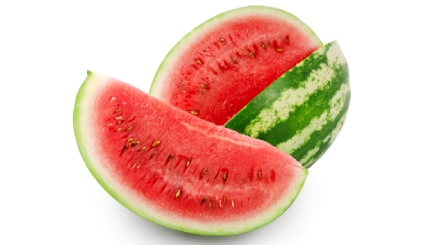
Is it even possible to have a healthy diet without watermelon? Certainly, there are many diets without it, but one should always include watermelon in it and these are the reasons why.
Watermelon in general is packed with important nutrients that our body needs. It came from southern Africa, and with its deep red, juice and sweet flesh, it became a very popular fruit. It is interesting to mention that one can find more than 1,200 varieties of watermelon with numerous benefits. All of these varieties are a great and healthy food that one should include in everyday nutrition. Apart from that, why should you include watermelons in diets? If you wish to have a lot of energy and boost your body with basic minerals and vitamins while not having to worry about the calories, watermelon is the first choice.
Very low in calories (30 calories per 100 g, or 50 calories per 1-cup serving) and fats, watermelons are an excellent source of vitamin A which is a powerful antioxidant, essential for immunity. Potassium, important for body fluids and heart rate, is the mineral one can find in watermelon. This mineral is also great against stress. Vitamin C, on the other hand, helps with infections and metabolism. Due to the water (92% of water) and electrolytes, watermelons are great for the summer heat. In addition, watermelons provide 8% of thiamine, 4 % of magnesium, and 2% of niacin and riboflavin.
Food that is low in energy density is the best for those who wish to lose weight. Due to the high amount of water and fiber, watermelons can satisfy the feeling of fullness while providing necessary vitamins and minerals for the body. When starting a low calorie diet, one should choose the food that is rich in nutrients; Given the fact that watermelon provides 24% of the daily-recommended allowance of vitamin C and 11% of vitamins A and B6, it is a perfect food for healthy low-calorie diet. Combining fruits with decreased fat intake can help manage the body weight and remove the feeling of hunger. One component in particular which helps with weight loss. Due to the high levels of a compound called citrulline, watermelons are rich with the essential amino acid arginine. This amino acid improves cardiovascular functioning and helsp the body reduce fats.
There are different ways you can use watermelons in diets.
Watermelon juice for breakfast combined with other summer fruits such as kiwi and low fat yogurts is a great option. Due to its sweet taste and only 46 calories, watermelons are great snack. These days watermelon soup is very popular in healthy diets. It is usually eaten before the main meal in hot summer months. When eating this before lunch, there are small chances you will exaggerate with other food. When busy at work, watermelon desert is another great option. It will energize your body and help you lose weight at the same time.
Fruit in general is ideal for weight loss, but watermelons in particular. However, keep in mind that watermelons alone are not great diet food, only when they are combined with other healthy food, watermelons can show their true qualities and benefits.