Showing posts with label Salmonella. Show all posts


Your home is your place of security and comfort, but it can also be a source of potential health dangers as well. In fact, what you touch and breathe could literally make you ill. Therefore, it’s crucial to learn about the top five home health hazards to protect both you and your family.


There are hidden dangers lurking in your home that can affect your health, some of which may include carpet fumes, odorless gases, and even the household cleaners stored in the cabinet can all potentially harm your family. Here’s what you need to be aware of.


1. Carbon Monoxide


This odorless gas provides zero warning before it makes everyone sick and can sometimes even cause death. Every year, around 500 people actually die from this silent but deadly killer. Usually, contamination occurs if an organic fuel is inappropriately burned without adequate ventilation. Typical sources of carbon monoxide include gas and kerosene space heaters, fireplaces, tobacco smoke, wood stoves, gas water heaters, and vehicle exhaust.


2. Pesticides


Roach baits and sprays, flea and tick shampoos, weed killers, and insect repellants are just some of the harmful pesticides found in the average home. But, if they’re improperly stored or used in the wrong manner, pesticides can pose a danger to your heath, which may cause breathing problems, nerve damage, and more. If you have a suspected bug problem, it’s best to use a professional pest control company like Arab Termite and Pest Control or a provider in your area to safely and thoroughly eliminate them from your home.


3. E. Coli and Salmonella


E. coli infection can happen if you unintentionally eat a contaminated food that wasn’t cleaned or cooked properly. People are most generally infected with dangerous salmonella after handling or eating contaminated raw foods, including vegetables, eggs, fruits, and beef. Contamination from salmonella can often happen during food preparation or the butchering or harvesting process.


4. Mold


Mold is basically a kind of microscopic, tiny living organism that grows in places where organic matter, oxygen, and moisture exist. Exposure to mold can ultimately cause eye irritation, chronic cough, sinus and nasal congestion, and could also cause lung infections or trigger asthma attacks in people with chronic respiratory issues. Be sure to identify any water damage and associated mold early, and have professionals remove the dangerous mold colonies.


5. Lead


Exposure to lead has been linked to severe health problems that can range from nerve disorders to key changes in mental development and/or behavior along with other disorders. Although it’s been officially eliminated since 1978 in consumer-based products, it still exists in the homes that have never been upgraded. Older homes with lead-based paints, drinking water (think lead pipes), contaminated soil, and general household dust are all substantial sources of toxic lead exposure.


Addressing these harmful toxins is a logical start to making your family and home much safer and healthier. Good health is priceless.


 

Salmonella is a form of bacteria which can lead to food poisoning. Generally, food poisoning causes gastroenteritis which is an infection in the intestine which can lead to vomiting and diarrhoea. There are certain foods which are more prone to harbouring salmonella, usually in the gut of animals, such as poultry meat, eggs, milk and other dairy products. The infection usually causes mild symptoms, but these have side effects which can lead to complications in the body. For example, you will have a lack of fluid, which can be damaging for your health – the best way to combat this is to drink plenty of fluids to avoid dehydration. Antibiotics are usually prescribed as well, in order to fight the infection. The Food Standards Agency in the UK has listed the 4 Cs to help people avoid food poisoning, which includes that caused by salmonella. This includes general hygiene in the kitchen to ensure work surfaces are kept clean and chopping boards which have been used for raw products are washed thoroughly, as well as making sure you use fresh foods which are in date and stored correctly.


Salmonella is caused by food becoming contaminated by germs or microbes, poisons or toxins, or chemicals. Microbes include viruses, bacteria and parasites – these are living things which live within or on another organism. There are over 2,500 different forms of salmonella, one of which can cause typhoid fever. This serious disease can actually prove to be fatal if it isn’t treated quickly, characterised by stomach cramps, headache, high temperature and a skin rash – patients with this illness will also feel nauseous and have a loss of appetite. Another form of the bacterial infection is the beginnings of paratyphoid fever – this is a similar illness but shows milder symptoms. Salmonella is spread by poorly cooked foods which are breeding grounds for the bacteria, where cooking has failed to kill the bacteria. People commonly associate it with raw or under-cooked eggs, but it can also be spread by poultry meat and milk. If other foods have touched the bacteria, they too will become infected.


The symptoms of salmonella include diarrhoea and stomach cramps, and you may feel nauseous. Some people also have a high temperature – the symptoms tend to come on within 12 to 72 hours of eating the infected foods. The time before this stage is known as the incubation period. Most people find that their symptoms improve within four to seven days of becoming ill, with no real treatment besides resting and drinking plenty of fluids. If you suspect that you or your child is becoming dehydrated, you should seek medical advice from your GP or a medical professional as soon as possible – it’s easily prevented from ensuring you drink plenty of water. You’ll be able to spot the signs from being thirsty more than usual, darker urine and passing less urine when you go to the toilet, and from weakness. You may also have a dry mouth and feel lethargic. In some circumstances, you may need to seek medical advice in order to confirm if you have food poisoning. Your GP or nurse may ask you questions about whether you’ve taken any recent trips or foods you’ve eaten which may have triggered the infection. They will also check your dehydration levels, your temperature, pulse and blood pressure. Some also check the abdomen for any tenderness. In some cases it may be necessary to provide a stool (faeces) sample for testing, to see if any bacteria is present. Salmonella is generally diagnosed from such a sample which is sent to a laboratory for testing – food is also tested in times of outbreaks.

According to a study from French researchers, salmonella reports from England, Wales, France, Denmark and the US have demonstrated a new strain of salmonella with a high resistance to antimicrobial treatment.


The salmonella strain is named S. Kentucky and has infected 489 patients between 2000 and 2008. The bug is resistant to multiple drugs, and originated in Egypt, moving over to parts of Africa and the Middle East. Your diet could be the reason your wellness is at risk to this bug, as 10% of the people infected hadn’t been abroad, which, according to the researchers, means that some infections may have also occurred in Europe through eating contaminated imported food or through secondary contaminations. The S. Kentucky salmonella was found in chickens and turkeys from Ethiopia, Morocco and Nigeria, and the study’s authors argue that extensive use of drugs to treat chickens and turkeys may have contributed to the rapid spread of the bug.


But how did it spread so far and so quickly? According to the study, weaknesses in infection monitoring around the world makes new strains of infections harder to track, as the Health Protection Agency notes that over 2500 different strains of salmonella have already been identified.


However, because it has spread so far and so rapidly, the salmonella has had time to learn resistance to strong salmonella treatments before a human picks up food poisoning from the infected food. The wellbeing of the elderly and people with weakened immune systems are the most at risk, as salmonella can be life threatening, but the majority of infections only cause mild gastroenteritis in healthy people. In the UK alone there were 9133 identified salmonella cases last year, which is just part of the1.6 million salmonella cases reported between 1999 and 2008 in 27 European countries.


Yet it can be avoided, as a Food Standards Agency spokesperson advised ‘Human salmonella infections are rarely treated with antibiotics. Cooking food thoroughly will destroy any bacteria irrespective of whether the organism is resistant to antibiotics or not. As part of the FSA strategy to reduce food borne illness we recommend people follow some basic food safety rules: wash hands properly and keep them clean, cook food thoroughly, chill foods properly and avoid cross-contamination.  These principles, which are designed to reduce the risk from pathogens, such as salmonella, are equally applicable whether these pathogens are resistant to antimicrobials or not.’


Study Discovers New Salmonella ‘Superbug’

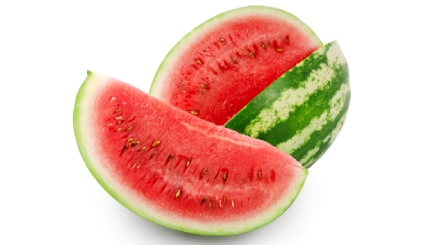
You may indulge in exciting fruits like watermelons for a bit of variety during your weight loss or wellness regime, but an outbreak of a strain of Salmonella has hinted that eating watermelons had led to diarrhoea, vomiting, abdominal pain, fever and, in one case, death.


The Health Protection Agency (HPA) has begun investigating an outbreak of a strain of Salmonella Newport among 34 people in the UK, though cases of the infection have also been reported in Ireland and Germany.


Aside from the symptoms listed above that Salmonella Newport brings, complications can include blood poisoning, or septicaemia, or a localised infection such as septic arthritis. However, some people only need a course of antibiotics and most find that the case resolves itself within a week.


According to the HPA, the person who died from Salmonella Newport had pre-existing wellbeing problems, and serious underlying health complications, but the general age-range of infection was 6 months to 85 years. The East of England has seen the greatest amount of outbreaks, and 70% of all cases occurred in women. There are 30 cases overall in England, Wales and Northern Ireland, as well as 4 cases confirmed in Scotland, 5 in Ireland and 15 in Germany.


So where do watermelons come into it? The HPA conducted a local food survey in November 2011, and identified Salmonella Newport from a ready-to-eat sliced watermelon. The sample of watermelon taken during the survey exhibited the same strain of Salmonella Newport that was subsequently identified in the number of people who later became unwell.


There are 2 ways this could have occurred, according to experts: The surface of the melons could have been contaminated, or the melons could have been stored or washed in contaminated water. Therefore, Alison Gleadle, director of food safety at the Food Standards Agency, advised in a statement that you should ‘wash fruits and vegetables before consumption to reduce the risk of possible illness’.


However, you should note that although the HPA says that watermelon is the most likely cause of the outbreak, head of the gastrointestinal diseases department at the HPA, Dr Bob Adak, says ‘it’s too soon to say with certainty what the likely cause of infection is’.


Salmonella Outbreak Could Be Caused by Watermelons