Showing posts with label Pesticides. Show all posts


Some dangers found in the home are well-known, such as frayed electric wires or chemicals stored for cleaning. However, there are some items found in the home that pose a danger that many people overlook. These dangers account for over $800 billion in expenses due to death, injury or property damage according to the Consumer Product Safety Commission. These four common household items can pose a severe risk to you and your family if not used properly.


Pressed Wood Products


If you have furnishings made of pressed wood, which is common among furniture purchased from big box outlets such as Ikea, you may have inadvertently added a danger to your home. Pressed wood is created from bits and pieces of logs which are pressed together to form a board. They may be known as particle board and fiberboard. In older homes, paneling may be made of pressed wood as well. In the past, manufacturers have used a glue that contains urea-formaldehyde, which can cause watery, itchy eyes. It can also cause difficulty breathing and an increased risk of asthma attacks. Hot, humid weather may promote the release of formaldehyde, although, as the wood ages, less of the substance is released. Although newer pressed wood products do not contain the dangerous substance, older pre-fabricated and mobile homes or furnishings that are older may still have traces of formaldehyde.


Air Fresheners


Although air fresheners keep our home smelling clean and fresh, when used in small, unventilated areas or when they are used excessively, air fresheners can release toxic pollutants. Some air fresheners can contain nitrogen dioxide, which has been found to cause cancer in laboratory mice. In addition, some contain paradichlorobenzene and may be hazardous to humans. Although using air fresheners to keep a home smelling clean is not dangerous in itself, over-use or failure to ventilate when using them can pose a danger to those living in the home.


Pesticides


Although most people are aware that pesticides can be dangerous, more than 46,000 calls come in to the poison control centers each year. Most of the time, exposure to pesticides occurs indoors as people use over-the-counter products to eliminate pests in the home. Although some over-the-counter products may be effective, it is recommended that homeowners use professional pest control companies to treat household pests. Professional pest control in Woburn, MA, or your particular area can provide you with information on the chemicals they use and will inform you when pets or children should be protected.


Cosmetics


Many cosmetics use a product known as plasticizers as the substance increases the durability and flexibility of fragrances while also binding the color of cosmetics. Plasticizers are hormone-like chemicals that have recently been linked to reproductive and developmental problems in animals. Some states have banned the use of them in toys for children, pacifiers, rattles or teething rings. According to studies, the chemicals have shown to lower sperm count in boys and cause premature breast development in girls.


These are only a few hidden dangers in the home that people may not be aware of. In order to keep your family safe from harm, it is important to recognize that even items that are considered safe, such as furniture or air freshener, can have hidden dangers.


Your home is your place of security and comfort, but it can also be a source of potential health dangers as well. In fact, what you touch and breathe could literally make you ill. Therefore, it’s crucial to learn about the top five home health hazards to protect both you and your family.


There are hidden dangers lurking in your home that can affect your health, some of which may include carpet fumes, odorless gases, and even the household cleaners stored in the cabinet can all potentially harm your family. Here’s what you need to be aware of.


1. Carbon Monoxide


This odorless gas provides zero warning before it makes everyone sick and can sometimes even cause death. Every year, around 500 people actually die from this silent but deadly killer. Usually, contamination occurs if an organic fuel is inappropriately burned without adequate ventilation. Typical sources of carbon monoxide include gas and kerosene space heaters, fireplaces, tobacco smoke, wood stoves, gas water heaters, and vehicle exhaust.


2. Pesticides


Roach baits and sprays, flea and tick shampoos, weed killers, and insect repellants are just some of the harmful pesticides found in the average home. But, if they’re improperly stored or used in the wrong manner, pesticides can pose a danger to your heath, which may cause breathing problems, nerve damage, and more. If you have a suspected bug problem, it’s best to use a professional pest control company like Arab Termite and Pest Control or a provider in your area to safely and thoroughly eliminate them from your home.


3. E. Coli and Salmonella


E. coli infection can happen if you unintentionally eat a contaminated food that wasn’t cleaned or cooked properly. People are most generally infected with dangerous salmonella after handling or eating contaminated raw foods, including vegetables, eggs, fruits, and beef. Contamination from salmonella can often happen during food preparation or the butchering or harvesting process.


4. Mold


Mold is basically a kind of microscopic, tiny living organism that grows in places where organic matter, oxygen, and moisture exist. Exposure to mold can ultimately cause eye irritation, chronic cough, sinus and nasal congestion, and could also cause lung infections or trigger asthma attacks in people with chronic respiratory issues. Be sure to identify any water damage and associated mold early, and have professionals remove the dangerous mold colonies.


5. Lead


Exposure to lead has been linked to severe health problems that can range from nerve disorders to key changes in mental development and/or behavior along with other disorders. Although it’s been officially eliminated since 1978 in consumer-based products, it still exists in the homes that have never been upgraded. Older homes with lead-based paints, drinking water (think lead pipes), contaminated soil, and general household dust are all substantial sources of toxic lead exposure.


Addressing these harmful toxins is a logical start to making your family and home much safer and healthier. Good health is priceless.


For many years, there have been concerns that the levels of pesticides in traditional, complementary Chinese medicine, and the World Health Organisation has reported that the herbs could actually do damage to our wellness and wellbeing. The American Herbal products association and the American Botanical Council have been involved over the past couple of years and have identified where the problems of contamination are occurring. Many of the cases of contamination seem to occur in India and China, possibly due to the environmental safety laws being far more lax.


A new study has now been published, called Chinese Herbs: Elixir of Health or Pesticide Cocktail and it investigates further the effects that these traditional Chinese herbs could have on our health. The report was sponsored by the environmental group, Greenpeace, and it exposes many cases of unsafe practice when it comes to the use of pesticides. This includes using pesticides that have been banned, or using pesticides that have high levels of toxic agents. This report could do huge damage to the Chinese herb trade, which has previously come under a lot of scrutiny due to concerns about contamination.


China is the world’s largest supplier of herbs, and so stands to lose a lot from the damaging effect that this report could have. Chinese herbal exports bring in a total revenue of hundreds of millions of US dollars, and Chinese people also rely very heavily on herbs for their health. Not only is this potentially a huge financial problem, it is also possibly a huge medical problem for China, as more and more people’s health could be affected by the poisons that they are ingesting in their daily natural medicines.


The study found pesticides in 48 samples out of a total of 65 sample batches that they investigated. Many of these were heavily contaminated.

Giving your child plenty of fruits and vegetables is vital to ensure their wellbeing, but what if this produce is potentially cancerous? According to a new study, published in the journal Therapeutic Drug Monitoring, the most common form of childhood cancer, acute lymphoblastic leukemia (ALL), is linked to higher levels of pesticides. Fortunately, a few simple changes around your house can lower your child’s risk.


For the study, 112 mothers – 41 of whom had children with ALL – filled out questionnaires asking about use of indoor pesticides, pet products, and lawn services, and how frequently they were exposed to these products before conception, during pregnancy and at the time of the study. While 33% of mothers of the children with ALL reported using pesticides, only 19% of mothers in the healthy group reported likewise. The researchers also took urine samples of the children, and although pesticide residues were present in 99% of the urine samples, levels of two specific pesticides were 25% higher in the children with ALL.


The two major pesticides detected in the ALL children are part of a group of chemicals known as organophosphates. The fact that these pesticides harm human health is nothing new, as they’ve long been known to interfere with your nervous system. However, this doesn’t stop organophosphates from being used in 70% of the insecticides in this country. Most notably, these chemicals pop up in chemically grown fruits and vegetables and flea and tick products. The Environmental Protection Agency (EPA) has even banned two forms of organophosphate pesticides for indoor use.


According to Warren Porter, PhD, professor of environmental toxicology at the University of Wisconsin, Madison, the findings aren’t surprising, as his own research has found that pesticides affect human health, interfering with your immune system and hormone levels. He warns, ‘Once you start messing with hormones and immune systems, you raise the risk of cancer.’ So what can you do to enhance your environmental wellness, and protect your family against exposure to organophosphate pesticides?


1. Start at your front door: Even if you don’t use pesticides in your home, chances are you have higher levels of them inside than outdoors as people track pesticides in on your shoes. Porter explains, ‘You get pesticides on the soles of your shoes and then it dissolves in the waxes on your floors and in the fibers of your carpet. Taking your shoes off at the front door is a critical first step – pardon the pun.’


2. Check your pets: You often find organophosphates in flea and tick products, so you should avoid collaring your pet with a band of chemicals. Instead, use flea combs, regular baths and less-toxic chemicals to keep pests away.


3. Be careful with your home-grown fruits and vegetables: As organophosphates are common in chemical lawn and garden sprays, they can contaminate your home-grown produce. Porter recommends spraying vinegar on weeds, as this ‘destabilises the waxy coating on plants that are sprayed with it, and they simply dry up and die.’ He adds that encouraging wasps in your garden can help to eliminate other bugs without destroying your plants. ‘People think we’re crazy,’ he admits. ‘But we’ve never had a problem with cabbage worms.’


4. Go organic: UK studies have proved that at least 50% of foods have measurable levels of pesticide residues. The authors wrote, ‘Chronic residential use and the heavy agricultural use of these chemicals on crops, fruits, and vegetables continually expose humans to pesticides via the food chain, air, and water supply despite their short half-lives.’ Porter adds, ‘Anyone concerned about pesticide exposures ought to eat organic foods.’

Even the cleanest and most organized of family homes sometimes experience pest infestations. People who spray pests inside their homes may scramble to find effective ways to combat the roaches, spiders, mice, and other critters that have invaded their homes. Because chemical pesticides are known to be highly effective, many people choose to spray or bomb their houses with these pesticides.


When they decide to use these poisons in their houses, however, parents may be advised to take certain precautions to keep their children and pets safe from the toxic aerosol and residue of these products.


Empty the House


The most obvious safeguard to keeping children and pets safe from exposure to pesticides is to get these family members out of the house before using these chemicals. When the kids and pets are out of the home, people can then apply the pesticides without the worry of making these vulnerable family members sick.


After the residue and aerosol subsides, the children and family pets can return to the home. Many parents prefer to treat their houses on days when the kids are in school and the pets have appointments at the groomer’s or veterinarian’s office.


Use Organic Pesticides


Rather than rely on commercial sprays and powders found in the grocery store, people may instead rely on organic pesticides found at retailers that specialize in natural home products. These organic products may contain ingredients like lemon juice, vinegar, and other natural ingredients that are not toxic to kids and pets who come into contact with them. Many people also find that these organic solutions are just as effective as commercial grocery store pesticides.


Give Ample Ventilation


One of the primary keys to making sure pets and kids are safe while the house is being treated for pests includes keeping the home ventilated and aired out during the process. When the windows and vent systems are closed, the toxic aerosol lingers in the home and has nowhere else to go.


These vulnerable family members can choke on the fumes, as well as suffer from itchy eyes and burning throats because of the air being shut off in their home. While the house is being treated, it is important for people to keep the ventilation system open.


Rely on a Professional


When people are unsure of how to treat their homes in the most effective and safest manner, they are encouraged to rely on professional exterminators or landscapers. These professionals usually require all technicians to maintain a current pesticide certification, such as www.arbor-nomics.com. does. These contractors are trained to treat houses for the most common pests found in houses today. They also can carry out the treatment in a manner that is the safest and fastest for children and pets.


Most exterminators request that people inside the home leave for an hour or so while the professional products are being applied. However, when people return, they will not have to fear choking on toxic fumes or dealing with poisonous residue. These contractors know how to help clients with their pest control problems without jeopardizing their safety.


Many homes today experience pest infestations. Rather than use toxic products that could harm children and pets, people can fare better to follow these suggestions, including hiring a professional exterminator to eliminate the pests.


With a family of 6, Lisa Coleman shares the importance of proper and safe ways to use pesticides. Hiring professionals, like those of www.arbor-nomics.com, for pesticide treatments can promote a healthier home and family.


Photo Credit: http://www.flickr.com/photos/greencolander/515413906/

Using pesticides doesn’t only have an impact on your environmental wellness; it might also threaten your mental wellbeing. This is according to a new study from researchers at UCLA, who have found that a common combination of farm chemicals used to protect potato, dry bean, and tomato crops from bugs, weeds, and other pests seems to have the unappetising side effect of triggering Parkinson’s disease.


The study, which was published this month in the American Journal of Epidemiology, gives support to previous theories that pesticide exposure can lead to the degenerative disorder, causing such debilitating symptoms as impaired motor skill, speech, and other functions. According lead study author Sadie Costello, former doctoral student at UCLA who is now at the University of California, Berkeley, ‘We were able to show in humans what animal data had previously suggested. Animal experiments are done in highly controlled environments in which exposure can be measured . . . the chance of actually seeing an effect in humans is not very high unless there is, in fact, quite a large effect.’


Suspicion was first raised that pesticides can trigger Parkinson’s disease when high rates of the disorder were reported in farmers and rural populations. Therefore, the researchers embarked on a study of 368 long-time residents of California’s Central Valley who had been diagnosed with Parkinson’s, as well as another 341 residents as a control group. Some of the participants enrolled on the study inhabited areas within 500 metres of fields that had sprayed with the fungicide maneb and the herbicide paraquat between 1974 and 1999, and it was this subgroup that had a 75% higher risk of developing Parkinson’s than those who lived further away.


Moreover, if the subjects had been diagnosed with the disease before they were 60 years old, this earlier exposure increased their risk for the disease as much as four- to six-fold, and even exposure to just one type of pesticide increased their risk more than two-fold. Study senior author Beate Ritz, professor of epidemiology at the UCLA School of Public Health, commented, ‘The results confirmed two previous observations from animal studies. One, that exposure to multiple chemicals may increase the effect of each chemical. That’s important, since humans are often exposed to more than one pesticide in the environment. And second, that the timing of exposure is also important.’


Even if you don’t live near a farm, the results of the study still affect you. In America, the Centres for Disease Control have found that some pesticide chemicals are present in the blood or urine of nearly every citizen. You’re at risk of exposure from the air you breathe, the water you drink and the food you eat and – worst of all – the wellness experts don’t even know which chemicals are the most threatening. Warren Porter, PhD, professor and former chair of zoology, and professor of environmental toxicology at the University of Wisconsin-Madison, explains, ‘We really don’t know what the “worst” [pesticides] are because the criteria for evaluating them have been so weak, and the government has largely looked the other way until very recently.’


So what can you do to rid your home of toxic chemicals? Vote with your bank balance! Porter suggests, ‘Ordinary people can have an immense impact by changing their buying patterns. Buy organic, buy a good water filter, ask restaurants to offer organic items on the menu, get your hospital to go green, and patronise golf courses that have organic practices. Economics is immensely powerful and a change of only 0.5% market share has profound effects on a corporation.’

When it comes to anti-ageing wellness, there seems to be a moisturiser for every body part and more “miracle pills” than you can shake a stick at, but still something is missing. Surely, there’s a more natural way to live for longer and look good while you’re doing it.


The answer? Nutrition.


Think about it: are you getting the minimum level of nutrition your body needs from your diet? Of course not. Not only does this make you age prematurely, but it opens up your wellbeing to a whole host of health concerns, such as cancer, heart disease, diabetes and arthritis. The reason why you’re at risk to these problems is all the processed foods you eat. The commercial industry needs 16 nutrients to grow a whole lot of plants, but your body needs 26 nutrients to thrive. This means that artificial fertilizers are created using the 16 necessary for plant growth, and so you miss out on the remaining 10.


Plus, there are all those pesticides to consider. According to a study published by the National Research Council, the major source of exposure to pesticides for infants and children is through diet. Pesticides have an impact on the nutrients in food; namely, vitamin C, B vitamins and beta-carotene. Your body needs these nutrients to fight an onslaught of toxins. This means that – for your wellness as well as your children’s – you need to choose organic foods which haven’t been genetically modified. The evidence to prove the nutritional superiority of organic foods over conventionally-grown foods remains to be seen, but you can’t deny the the amount of pesticide residue each category contains.


If you want to get the wide range of vitamins, minerals and phytochemicals your body needs to maintain good energy levels and wellness – and to live for longer – you need five servings of organic fruits and vegetables a day in a variety of colours:


  • Blue/purple: Purple cabbage, blackcurrants, raisins, plums, purple grapes

  • Green: Spinach, beans, peas, green pepper, celery, broccoli

  • White/tan/brown: Banana, dates, garlic, ginger, radish, cauliflower, mushrooms, onions

  • Yellow/orange: Pumpkin, lemon, papaya, peach, melon, pineapple, sweet corn, mangoes, oranges, yellow pepper

  • Red: Apples, tomatoes, berries, pomegranate, red pepper, beetroot, cherries.

Genetically modified crops are one of the UK’s most passionately debated environmental subjects. Those who advocate them claim that they are beneficial for your wellness and wellbeing because they don’t have any pesticides sprayed onto them. They say that GM crops naturally resist pests, which gives a false impression of a crop that insects do not go anywhere near. In truth ‘resists pests’ means that the GM crops have their own built in pesticides, which means that when an insect bites into it, the stomach of the insect splits open and this kills them.


It is quite worrying, therefore, to think that human beings may well be consuming these same pesticides in every bite of food. The Environmental Protection Agency, however, along with the biotech companies, claim that this pesticide (bacillus thuringiensis) is perfectly safe as it is naturally produced in soil bacterium. They claim that there is a long history of safe use. They point out that organic farmers have been using solutions that are made up of natural bacteria for many years now, as an organic way of controlling insects and stopping them from destroying their crops. What genetic engineers do is simply to remove the gene that makes the soil produce this bacteria and implant it into the DNA of a plant, so that the plant then naturally produces this bacteria, too.


The GM crops industry also claims that this Bt-toxin is very rapidly destroyed by the human stomach, and that humans (and other mammals) don’t have the right receptors for this toxin, anyway. There are arguments, however, that seem to present a different side to the story. There was a recent case where a natural BT spray was used in an area surrounding Washington State and Vancouver, and about 500 people reported to hospital suffering from flu or allergy-like symptoms, six of whom had to go to the emergency room. Other reactions included ulcers of the cornea, burning, swelling, itching and redness. Those with suppressed immunity are also thought to potentially be at risk.

While the popularity of complementary wellness therapies stems from a desire to move away from nasty chemicals, many of these remedies are just as toxic to your wellbeing as Western drugs. This is according to new research from Greenpeace, which has found that many traditional Chinese herbal medicines sold in western countries contain a “cocktail” of pesticide residues which exceed safe levels.


According to Greenpeace, traditional Chinese herbs are becoming increasingly known and accepted in the west. We purchase them here for medicinal use, and the export market in 2011 was worth £1.5bn. Clearly, we’re fans of these herbs, but 32 out of the 36 tested were found to contain residues of three or more pesticides. Of the 36 samples of herbal products imported from China, including chrysanthemum, wolfberry, honeysuckle, dried lily bulb, san qi, Chinese date and rosebud, almost half (17) had residues of pesticides which the World Health Organisation (WHO) considers to be highly hazardous, albeit these were found in low concentrations.


These samples were collected in the UK, US, Canada, France, Germany, Italy and the Netherlands, but of the 29 bought in European countries alone, 26 contained pesticide residues in quantities that exceeded the maximum safe levels set by EU authorities. There were 15 pesticides found in chrysanthemum bought in the UK alone, eight of which exceeded EU residue levels. According to the Greenpeace report, the findings should serve as ‘another example of the failure of chemical-intensive agriculture in China and around the world.’ The group warned that long-term exposure to these pesticide residues can lead to reproductive abnormalities, as well as the poisoning of farm workers.


Dr Doug Parr, chief scientist with Greenpeace UK, commented, ‘The toxic chemicals found in these products pose a real health risk to consumers. People who use these products do so hoping to ease medical conditions and improve their health – they will be shocked to learn that along with natural herbs they have been taking, they are exposing themselves to a synthetic cocktail of potentially dangerous pesticides. The UK Government and the EU must improve their testing regime for products imported from China as a matter of urgency so that users of these remedies know that they are safe.’

Chinese herbal medicine is a popular and well-known form of complementary healing. Now, however, environmental group Greenpeace claims that these very herbs could actually have a dangerous and damaging effect on your wellness. The group claims that herbs purchased from stores in Hong Kong and China could contain very high levels of some types of harmful pesticide.


The group cites in particular a sample they took from a herb called the San Qi flower, which they purchased from Tong Ren Tang, a popular chain in Beijing. When tested for potential negative effects on human wellbeing, it was found that the herb contained more than 500 times the European Union’s recommended safety limit for a type of restricted pesticide. Another herb tested by the group was 100 times over this limit. The Beijing Tong Ren Tang chain refused to comment on the situation.


In total, Greenpeace sampled 65 different herbs and found that 51 of these were contaminated with pesticides. Out of that 51, 26 were contaminated with chemicals that have previously been classified as ‘extremely or highly hazardous’ by the World Health Organisation. Jin Wang, a project leader with Greenpeace says that this unequivocally means that these herbs are of a very doubtful quality and are not safe for human consumption.


The pesticides found on the herbs not only post a risk to the consumers who purchase them, but to the farmers who are coming into contact with them. The charity claims that some of the pesticides they found were even very old and obsolete, and were highly dangerous, meaning that just one small dose could cause toxicity or sickness in the human body. Other pesticides found could affect the human immune system in a variety of negative ways, whilst others still are thought to have a harmful effect on the development of children’s brains.

The World Health Organisation (WHO) has reported problems for years over the levels of pesticides and industrial contaminants, claiming that they are too high where certain herbs are concerned. In recent years, the American Botanical Council and the American Herbal Products Associated have discovered ongoing problems with this issue, with much of the problems lying with herbs sourced from India and China where the levels of contamination are found to be shockingly high. A new study has found that the unsafe practices surrounding the overuse of pesticides and toxic agents in Chinese herbs could be a cause for concern. The report stands to damage the trade of Chinese herbs which have repeatedly been under fire for the concerns of contamination.


China remains the worlds largest supplier of herbs, meaning that it has a lot to lose in terms of business. The revenues from Chinese herbal export total hundreds of millions of dollars – furthermore, Chinese people rely enormously on these herbs for their health. As such, the Chinese population has a lot at risk in terms of significant health problems which could arise from toxic elements in their natural medicines. TCM, or Traditional Chinese Medicine, is one of the most ancient forms of health care in the world. Some texts of TCM date back to more than 3,000 years ago! At the root of this form of medicine lies around 11,000 herbs – these are boiled in teas, and generally there is a combination of several types of herbs to make one form of medicine. Greenpeace studied around 65 batches of herbs, with residues of pesticides found in 48 samples. One of the more widely used herbs known as Sanqi flower had residues of 39 pesticides, and Goji contained 25. This is commonly referred to as a superfood and eaten as a snack, but with so many toxic agents it quickly becomes a rather unhealthy addition to anyone’s diet.


In recent years, the country has been under scrutiny for a number of food-related scandals, such as melanine poisoned-milk and toxic levels of pesticides found in ginseng. It’s also been noted that pesticides often run into the water supplies in China, through the rivers and lakes. The country has also been known to have poisoning problems with ginger, gives and cowpeas, as well. People are seeking natural methods for ailments more and more now, so herbal medicine usage is at an all time high. However, the levels of toxic agents could put an end to this, leading to anxiety and concern amongst users of Chinese medicine.


Sad news reached Martinique as on the 15th April 2013, over 100 fishermen stood at Fort de France in a call for aid against a contamination of pesticides that have been said to have existed in water for over thirty years.


The pesticide known as chlordecone, a persistent organochlorine pesticide, is used to combat banana weevil that infests banana plants, making them impossible for human consumption. What it is also combating however, is the environment that the banana trees are growing in.


The chemical sank into the soil, polluting and wrecking havoc with the wildlife and local flora, before finding its way to the sea; where it has made drinking water unsafe.


Fish and other edible grubs have become inedible, rendering the lives of fishermen utterly redundant, following an extensive ban on fishing. For the 70 families that depend on fishing as a means of livelihood, the chemical pollution has made it an unhappy one.


Not only is this an environmental crisis, but it is also an economical one.


Unfortunately, this is not all. According to France’s Institute of Health and Medical Research Chlordecone has been found to increase the risks of prostate cancer, as well as induce problems such as infertility. Furthermore, the doctors examined 1,000 women and their children that were exposed to the chemical, only to discover that the 153 of their toddlers had psycho-motor impairment, reduced visual memory and a lack of visual interest in new things.


“The problem is perhaps not on the same scale as Fukushima,” says Dr. Luc Multigner, an epidemiologist at the institute, “but it is comparable in its complexity. It isn’t the sort of crisis you can contain and solve, then move onto the next thing. No, it’s going to last.”


The upsetting message that a pesticide has affected a substantial number of lives has arrived at what most consider, a belated time. Paris does not deny responsibility for Martinique’s astounding tragedy, with several ministries already contributing through paid research, food stocks, schemes and publications. The future, at least for the time being, is not very certain.


Your Diabetes Care May Need To Focus On More Than InsulinThe environment all around you could be contributing to your type 2 diabetes, according to new research. In particular, the prevalence of pesticides in the soil, air and water may be harmful to your wellbeing and may be a factor in the increase in cases of type 2 diabetes. There may also be a link between pesticides and weight.


Pesticides are widely used in agriculture, particularly those such as polychlorinated biphenyls and organochlorines, which are applied to crops. Organic farming is on the rise, but yet these chemicals are still used in farming to excess. The new study, however, also highlights the fact that it may not simply be existing pesticides that are harming the wellness of people in today’s society, but pesticides that were banned a long time ago.


The study looked at serum and tissue samples from nearly 400 patients, and analysed the samples for the presence of various different types of pesticides, all of which are thought to have an impact on the production of oestrogen.


Researchers were surprised to discover a link between one particular type of pesticide and patients who had type 2 diabetes. They observed that patients who tested positive for this particular pesticide were far more likely to either have or develop the debilitating condition at some point during their lives. It also saw a link between this same chemical and obesity levels.


Another pesticide which was found in the human samples was also found to have a relationship with type 2 diabetes risk, and shockingly, this pesticide is one that has not been used in nearly 30 years. This chemical was found to be present in individuals with type 2 diabetes or those who were at an increased risk of developing type 2 diabetes.


Pesticides: The Hidden Cause Of Type 2 Diabetes

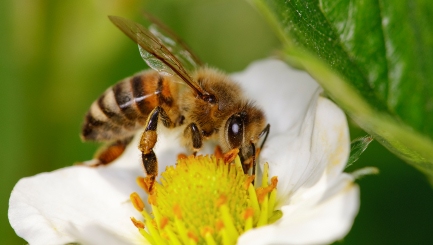
beesPesticides have been considered a necessary evil in agriculture over many decades to protect vital crops from being destroyed. However, the danger from the chemicals used to destroy pests can also do damage to other creatures, particularly bees.


In the US, the federal government is being sued because of the damage done to bees by pesticides it has licensed. A group consisting of beekeepers, food campaigners and conservationists says the Environmental Protection Agency (EPA) is responsible for destroying bees because it has not suspended certain nerve agents for use.


Bees are essential for successful pollination of plants and for three-quarters of all food groups and so, argue advocates of a ban on certain pesticides, they should be protected by all means necessary.


The nerve agents at the centre of the lawsuit are known as neonicotinoids and are the most widely used pesticides around the world. However, environmental officials in the European Union are now considering suspending their use across the EU.


The Centre for Food Safety is leading the coalition suing the EPA and says it has taken this action only because the agency has failed to address the need to protect bees. The lawsuit names the pesticides clothianidin, made by Bayer, and thiamethoxan, manufactured by Syngenta. Both companies are represented by industry group Crop Life America (CLA), which is backing the EPA and says the neonicotinoids are not only rigorously tested but also essential for modern agriculture.


The EPA said it worked aggressively to protect bees and other pollinators from pesticide risks, and was bringing forward a review of neonicotinoid pesticides and their potential effects. That review will not, however, be completed until 2018.


Bee numbers have fallen dramatically in recent years, especially in the number of queens produced. Along with the use of pesticides, disease and habitat loss are blamed for a declining bee population.


US Environment Agency Sued Over Pesticide Effect on Bees

honeybeeA recent European ban on widely-used insecticides means bees are still unsafe from harm, with the toxic chemicals posing a huge threat the bee population. There was a proposed two-year suspension on the use of neonicotinoids following the European Food Safety Authority stating that they considered the use of these chemicals an unacceptable risk. However, many nations, including Germany and the UK, have not voted for the ban to be put in place. The result of the proposal has left scientists, politicians and environmental campaigners very disappointed.


Around three quarters of today’s global food crops rely on insects and bees to fertilise their flowers – if the bee population declines, this could have a big impact on the propagation of farmers’ crops. Conservationists state that the loss of bees may not seem significant to us, but in actual fact it impacts heavily on farming losses and crucial pollination. The proposal was to ban the use of three neonicotinoids on corn, rape seed, carrots, apples and strawberries, among other crops, for two years in order to see what effect it had. After this time, it would be reviewed and reassessed. If the EC decides to appeal the decision, it could still be enforced within months of this failed ban.


With people taking a more proactive approach to environmental issues, from the rise in people opting for organic produce to global warming initiatives, it’s likely that issues such as this will become more publicly discussed and promoted. As the public becomes better educated in the foods they eat, the importance of renewable sources and the impact it all has on the environment, proposals such as this one could gain better backing from campaigners and the public alike. It is the hope that in future, this type of environmental issue will become more mainstream.