Showing posts with label amino acids. Show all posts

We’ve all been there – it reaches 3pm and we start to feel really low and grumpy if we don’t get our sugar fix. However, nutritionists would argue that it’s not the sugar we need to load up on, but rather brown rice and mung beans a few hours before to stave off the low mood. If you maintain a good blood sugar level throughout the afternoon, you won’t get that predictable slump when you reach the mid-afternoon snack stage. Researchers have found certain foods have the ability to alter our moods, stave off depression and improve our wellbeing, making us happier overall. Many people are depressed or anxious for seemingly no reason, but the answer could actually lie in their kitchen. It seems that we really are what we eat, especially when it comes to our mood. When used in conjunction with moderate exercise and a healthy diet overall, some foods can boost the levels of serotonin in the brain which helps us achieve a balanced mind and body. But even better than that is that some of these foods aren’t as boring as you may think – you can find some really delectable ingredients that will actually make you happier!


Fruit is first on the list and it comes as no surprise that this group of ingredients is good for our mood, being loaded with vitamins and minerals that our bodies just lap up. Studies have shown that eating between four and 11 bananas each week can improve our happiness, as they are rich in potassium and amino acids which trigger the body to make tryptophan. This is a feel good hormone that stimulates serotonin, for a balanced mood. Other fruits which are high in B vitamins and folate are blueberries, avocados and pineapples. Any foods that are high in B vitamins and folate are great for your mood, as they stimulate amino acids that create serotonin. Oily fish are also superfoods that are loaded with omega-3 fatty acids which lower the level of inflammation and help to rebuild the brain to create serotonin. Omega-3s are wonderful for developing good brain health and the more you eat, the less depressed you’ll become. As well as oily fish, such as salmon and tuna, you should add prawns and lobster to your diet, as these contain B vitamins, magnesium and zinc. Add to such meals a dose of legumes, which everybody should add to their diet. Loaded with protein, fibre and devoid of fat, they are great for cleaning up your intestines and providing your body with nutrients. Legumes such as kidney beans, bertolli beans and chickpeas are the best choice, as these help to balance your blood sugar levels which is vital for maintaining an even temper.


Basmati rice is a surprising addition, but did you know that the low glycaemic index of this starch doesn’t lead the blood sugar levels in your body to fluctuate, so you maintain an even sugar level. We all know that nuts are great as a snack food for providing the body with essential oils and fibre, but they also balance your mood – in particular, brazil nuts can provide selenium. Selenium is a micronutrient which combats thyroid dysfunction, a condition that promotes depression, fatigue and moodiness. Just three nuts a day can provide your daily dose of selenium. Dairy foods are an excellent source of vitamin D, B vitamins, zinc and magnesium, all of which encourage serotonin production, and cottage cheese is also high in amino acids to generate tryptophan. Lastly, chocolate is actually a health food! One small piece of dark chocolate a day can alleviate some symptoms of chocolate. However, gorging on chocolate as a comfort food will not work in this way – it needs to be high in cocoa and limited to one small square.


The post Mood-Boosting Ingredients To Add To Your Diet appeared first on .

We’ve all been there – it reaches 3pm and we start to feel really low and grumpy if we don’t get our sugar fix. However, nutritionists would argue that it’s not the sugar we need to load up on, but rather brown rice and mung beans a few hours before to stave off the low mood. If you maintain a good blood sugar level throughout the afternoon, you won’t get that predictable slump when you reach the mid-afternoon snack stage. Researchers have found certain foods have the ability to alter our moods, stave off depression and improve our wellbeing, making us happier overall. Many people are depressed or anxious for seemingly no reason, but the answer could actually lie in their kitchen. It seems that we really are what we eat, especially when it comes to our mood. When used in conjunction with moderate exercise and a healthy diet overall, some foods can boost the levels of serotonin in the brain which helps us achieve a balanced mind and body. But even better than that is that some of these foods aren’t as boring as you may think – you can find some really delectable ingredients that will actually make you happier!


Fruit is first on the list and it comes as no surprise that this group of ingredients is good for our mood, being loaded with vitamins and minerals that our bodies just lap up. Studies have shown that eating between four and 11 bananas each week can improve our happiness, as they are rich in potassium and amino acids which trigger the body to make tryptophan. This is a feel good hormone that stimulates serotonin, for a balanced mood. Other fruits which are high in B vitamins and folate are blueberries, avocados and pineapples. Any foods that are high in B vitamins and folate are great for your mood, as they stimulate amino acids that create serotonin. Oily fish are also superfoods that are loaded with omega-3 fatty acids which lower the level of inflammation and help to rebuild the brain to create serotonin. Omega-3s are wonderful for developing good brain health and the more you eat, the less depressed you’ll become. As well as oily fish, such as salmon and tuna, you should add prawns and lobster to your diet, as these contain B vitamins, magnesium and zinc. Add to such meals a dose of legumes, which everybody should add to their diet. Loaded with protein, fibre and devoid of fat, they are great for cleaning up your intestines and providing your body with nutrients. Legumes such as kidney beans, bertolli beans and chickpeas are the best choice, as these help to balance your blood sugar levels which is vital for maintaining an even temper.


Basmati rice is a surprising addition, but did you know that the low glycaemic index of this starch doesn’t lead the blood sugar levels in your body to fluctuate, so you maintain an even sugar level. We all know that nuts are great as a snack food for providing the body with essential oils and fibre, but they also balance your mood – in particular, brazil nuts can provide selenium. Selenium is a micronutrient which combats thyroid dysfunction, a condition that promotes depression, fatigue and moodiness. Just three nuts a day can provide your daily dose of selenium. Dairy foods are an excellent source of vitamin D, B vitamins, zinc and magnesium, all of which encourage serotonin production, and cottage cheese is also high in amino acids to generate tryptophan. Lastly, chocolate is actually a health food! One small piece of dark chocolate a day can alleviate some symptoms of chocolate. However, gorging on chocolate as a comfort food will not work in this way – it needs to be high in cocoa and limited to one small square.

While you might not have given much thought to how supplements affect your wellness before, if you’ve started to get interested in athletics and working out, the chances are you’re thinking about it now. How do you know which supplements – if any – benefit your wellbeing and your performance, and which ones give you the best value for money? As an athlete or fitness fan, you’ve probably spent some time looking into both pre- and post-workout supplements. While the results with these products tend to vary by the individual taking them, the actual truth is that neither is absolutely crucial. That is not to say that supplements can’t help you, but no one is urging you to stock up on pills and powders here.


With pre-workout supplements, manufacturers tend to use a lot of stimulants in their products in order to give you a little extra pump before you hit the gym. Some pre-workout pills focus on certain types of proteins or amino acids, but the vast majority will focus on a few ingredients; including 1 3 dimethylamylamine, caffeine, nitric oxide, beta alanine, creatine, and various other well-known stimulant enhancers. Again, different ingredients will work better for different people, but the most universally effective and safe performance-enhancing ingredients to consume are caffeine and beta alanine.


The debate with pre-workout supplements lies is in nitric oxide, which is an ingredient that pops up in almost every product like this. Some wellness experts, writers and enthusiasts will swear blind that nitric oxide is essential to your performance, but others will say that it’s all a placebo or muscle-memory hype. No pre-workout supplements are absolutely necessary, but if you do choose one, the best thing to do is try and test out what works for you. Read reviews, try sample sizes and pick a supplement that will benefit you long-term. Here are a few suggestions to get you started:


  • 1 3 dimethylamylamine: This ingredient tend to enhance short-term performance, but can force you to wear down at a much faster rate.

  • Beta-Alanine: This ingredient gives you less of a pump, but increases your sweat rate and helps you work harder or for longer, which is good for cardio days.

  • Jack3d: This is good for major, powerlifting, muscle building days and supersets with very few breaks.


Post-workout supplements work differently to the pre-workout varieties, in that they are used to help you recover from hard workouts. Some may decrease your delayed onset muscle soreness (DOMS) while others can help you get ready for your next workout in as short a time as possible. There are so many products out there to really go into detail. That said; a good-quality whey protein is your most advisable option. Unless you have more specific goals, don’t use isolate or mass builder protein. Whey protein provides whole protein and branched chain amino acids (BCAAs) and the higher quality ones contain beneficial ingredients for decreasing muscle soreness. These include glutamate, creatine monohydrate, and several other ingredients.


Still, you cannot neglect other, more natural sources of lean protein. Grilled, boneless, skinless chicken breast is a healthy option, while tuna provides a great source of protein that will help in muscle building and recovery, as well as giving you some all-necessary omega-3 fatty oils. You can also get your caffeine stimulants from more affordable and natural sources; green tea and coffee, bolstered with some complex carbs. An hour before a workout, try having a baked potato, and then follow that up 20 minutes before the workout with a black coffee.

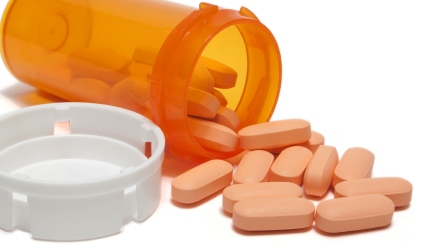
The Truth About Amino Acid SupplementsSupplements make a lot of money for a lot of people every year. They’re not medicine and they’re not medicinal, so what are they? That’s actually a lot harder to explain than you might imagine. They’re supposed to be used when you’re lacking in certain areas of your diet. So, if you’re anaemic and you’re not getting enough iron through your diet then iron supplements will be a fantastic way to make up for that deficiency. However, taking those supplements when you don’t need to could well cause you harm. If you think of your body as a very carefully balanced building; each vitamin and mineral and supporting pillar to that building, any increase or decrease in the length of those pillars is going to tip the building. Even the slightest tip could have affects in other places and potentially cause the whole thing to come crashing down.


Amino acids are a form of supplement that you’re only likely to need if you’re a vegetarian. They are generally found naturally in protein and the most natural way we get protein is through meats. They help us grow and as such they’re much more important in the teenage years while we’re going through our growth spurts. They can also be massively handy if you’re trying to bulk up your muscles. This is where you’ll see most amino acid supplements.


If you take too many amino acid supplements and you’re not doing the exercise to facilitate muscle growth, they’ll turn into fat. This is one of the ways you can do yourself harm with supplements. You should always talk to your doctor or a health professional before you start taking things like this as you’re messing with your own balance. Most supplement companies won’t tell you the potential dangers of their products and they’re never going to admit how potentially pointless their pills are! Knowledge is power.


The Truth About Amino Acid Supplements