Showing posts with label lungs. Show all posts

On the 31st May this year, it was World Smokefree Day 2013. For one whole day, the entire world was focused on the idea of smoking cessation. Whether you took part in World Somkefree Day or not, it may be a really good opportunity for you to ask yourself some serious questions about your smoking habits. How would you feel, for example, about stopping smoking for one day? Does the very idea fill you with horror and anxiety? If so, you are deep in the grips of an addiction, and it may be time to get help.


With the right support, you can take this important step, which will probably be the single most useful thing you can do to benefit your wellbeing and restore the wellness of your lungs, to some extent.


The Asthma Foundation is urging all smokers to quit now, and give their lungs a chance to recover. In New Zealand alone, for example, it is thought that around 170,000 people live with respiratory health concerns that are directly related to their smoking. Respiratory disease represents a significant problem, both in health terms and in financial terms, as the effect on the health service is significant.


Using New Zealand as an example again, smoking causes 5,000 deaths every year, and also is associated with numerous unpleasant health concerns. Asthma is obviously an important one, with smokers who are asthmatics, or asthmatics who come into contact with smokers (in the home or workplace or socially) having a much higher risk of struggling to control their condition and needing increased levels of medication. Smoking is also associated with chronic obstructive pulmonary disease (COPD) and directly responsible for lung cancer. COPD comes in the form of emphysemia and chronic bronchitis, and it is suffered by 200,000 people in New Zealand, 80 percent of whom have it as a direct result of smoking.

Asthma Damage Stays With You For Your Whole LifeThere are many diseases and conditions that affect the respiratory system. These are known as pulmonary disorders and each affects the respiratory system in different ways and with varying levels of severity.


Here are some of the most common pulmonary disorders with their symptoms and how they are treated.


Asthma


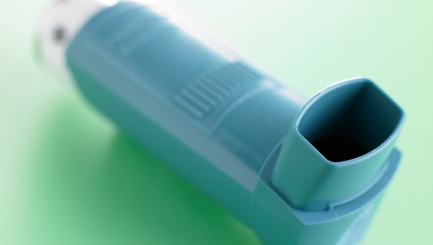
A chronic disease that causes inflammation in the airways (bronchial tubes), asthma is one of the world’s most common pulmonary conditions, particularly affecting children. The inflammation can be caused by allergies to both indoor and outdoor factors, by air pollution and by chemicals in the workplace. The symptoms are breathlessness, wheezing and coughing. Asthma cannot be cured and is treated with preventer and reliever inhalers.


Bronchitis


Bronchitis is an infection of the airways of the lungs, known as the bronchi. The symptoms include a cough, usually bringing up excess mucus, wheezing and a blocked nose. Bronchitis usually clears up without any medical intervention.


Chronic Obstructive Pulmonary Disease (CPOD)


A chronic lung disease, COPD is also referred to as emphysema or chronic bronchitis.  It is a very common disease, affecting more than 64 million people worldwide. The disease is caused when the bronchial tubes that carry air to and from the lungs become partially blocked. The most obvious symptom is a severe shortness of breath. There is no cure for COPD but smokers are advised to quit the habit to help alleviate their symptoms. Inhalers and other medicine can also offer some relief.


Pulmonary edema


Excess fluid in the lungs is the cause of pulmonary edema. The fluid makes it difficult for the sufferer to breathe. It is often caused by heart problems or pneumonia. The condition requires immediate medical attention as, left untreated, it can prove fatal.


Pulmonary fibrosis


Pulmonary fibrosis is damaged and scarred lung tissue that makes it difficult for the lungs to function properly. As the condition worsens, it becomes increasingly harder for the sufferer to breathe properly. Lungs damaged by pulmonary fibrosis cannot be repaired but there are therapies that can ease the symptoms of breathlessness.


The Common Pulmonary Disorders Affecting the Lungs

Different Types of Asthma, Their Symptoms and EffectsAsthma is a condition whose cause isn’t fully understood. There’s a list as long as your arm full of high risk factors but no-one can tell you just what the defining one is – what actually causes asthma? Considering how common asthma is in the world today and just how dangerous it can be, it’s astounding that we don’t understand it better. Of course we do have some fantastic medications and treatments available which allow a patient to live with and manage their condition as necessary. Regardless of how good these methods of treatments appear to be, people still die from asthma related complications every year. 80% of those deaths occur in third world countries where they simply don’t have the money and/or knowledge to prescribe the necessary medications.


In Bangalore the rate of asthma has been steadily rising since the late 70′s. The condition itself has always been much more common in children than in adults. A good deal of kids grow out of the disease as they reach adulthood, though not all. In a recent census it was shown that the current rate of asthma in children is around 25%. So, one quarter of the whole population of children in Bangalore currently suffer from the disease, this is up from 9% in 1979.


Doctors and researchers are blaming the staggering increase in air pollution levels, differing dietary habits and the presence of air conditioned environments for this boom in the levels of asthma. All have been shown to be potent exacerbating factors for asthma, if not sparking the condition in the first place. Junk-food and its relative lack of vitamins and minerals has been partially blamed for the boom in asthma levels worldwide. Certainly the correlation between the disease and the growth of fast food chains is striking.


Why Asthma In Bangalore Is On The Rise

lungssWe’ve known pollution was a bad thing for a very long time indeed. The thing which we weren’t aware of is that it’s actually bad for us as well as the environment. Quite why we didn’t put this together earlier is a mystery as pollution is essentially airborne poison which sounds pretty dangerous to me! A lot of cities are now approaching dangerous levels of pollution and there are a lot of areas in those cities which suffer from high levels a lot of the time. It’s said that London itself suffers from 12 ‘smog’ days a year, in which the levels of pollution are much higher and almost visible.


Illustrating this danger is the startling figure of 4,000 additional deaths per year in London which can be attributed to air pollution alone. This is roughly one in twenty of all deaths in the city. If you consider that these are people who are dying before their time simply because of the air they breathe, you can understand just how scary that number is. These deaths are generally adult but it’s also been shown that children are more profoundly affected by the pollution levels .


Stark evidence has been shown which suggests that children who are regularly exposed to high doses of pollution can end up with smaller lungs by the time they’re fully grown. This will stunt their lung function for the rest of their lives and put them more at risk of respiratory conditions. Asthma, one of the most common and most dangerous of the respiratory conditions has been directly linked to pollution. Children who grow up in areas which are exposed to high levels of chemicals are much more likely to contract the illness and will be hospitalised much more regularly as a result.


Doctors and other health professionals are recommending not allowing your children outside on the days with the highest pollution levels as this might help protect their lungs.


The Truth About Pollution And Our Lungs