Showing posts with label processed. Show all posts

You don’t need me to tell you what you do to take care of your weight and wellness; cut back on all the crap you’re eating! If you’re yearning after Jessica Alba’s abs, all the exercise in the world won’t get you there unless you stop wasting your time and finally reduce your intake of sugar, high frequency cheat meals and processed foods. Abs are not made in the gym; they’re made in the kitchen. You may think you’re already taking care of your wellbeing by “eating clean” – but, let’s be honest, are you? What do you think eating clean means? It’s not about cutting back on the odd treat or only letting yourself indulge at weekends (although that is better than nothing), eating clean means that if you can’t kill it or grow it, you shouldn’t eat it.  That may hurt, so ask yourself how badly you want those abs. If you’re still up for the challenge, then read on!


1. Read the label: Most people think that the key to losing body fat is cutting calories, and burning off more calories than they consume. While this is indeed a vital aspect of anyone’s weight loss programme, it goes hand-in-hand with good nutrition, or avoiding processed foods. If you’re not sure what’s processed and what’s good for you, a good general rule of thumb is: If you can’t pronounce it, don’t eat it. The fewer processes an item of food goes through, the better it is for you. When you read the label – which is a must if you want to know what you’re putting into your body – you want to see as few ingredients as possible. Two important products to avoid are canned foods and deli meats, as both are very much processed and full of nitrates.


2. Choose the right milk: When products lists added minerals and vitamins, this means the food is processed and not a good choice. This “added vitamin” rule applies with 2% and low-fat milk, so unfortunately you need to avoid these staple diet products. While the rule does not apply to soya milk, that is not to say that this is a decent alternative if you want to lose weight. Soy produces oestrogen, which causes your body to produce more fat, so it should also be avoided as part of a weight loss diet. However, this doesn’t mean you have to forgo your morning bowl of cereal or cup of tea; almond, goat or rice milk are all good choices.


3. Stay away from simple sugar: Another thing you need to clear out of your clean eating diet is simple sugar. Your body can process a maximum of three to six grams of sugar at one time, depending on your physical makeup. If you exceed your maximum intake of sugar, it simply turns into fat. Still, cutting out simple sugar is no mean feat, as it takes three weeks for your body to withdraw from them. Sugar is a chemical and, as such, does cause withdrawal. You might be tempted to replace sugar with Sweet-n-low or Splenda, but these are chemicals too. To satisfy your sweet tooth, you’re better off with Stevia or honey.


4. Steer clear of simple carbohydrates: Finally, you need to clean up your act with carbohydrates. Simple carbohydrates, such as white rice, white bread and white bagels, should be avoided at all costs. Rather, you need to choose a grain with at least three grams of fibre – but the more the merrier. Good choices include brown rice, old fashioned oatmeal and sweet potatoes.

You don’t need me to tell you what you do to take care of your weight and wellness; cut back on all the crap you’re eating! If you’re yearning after Jessica Alba’s abs, all the exercise in the world won’t get you there unless you stop wasting your time and finally reduce your intake of sugar, high frequency cheat meals and processed foods. Abs are not made in the gym; they’re made in the kitchen. You may think you’re already taking care of your wellbeing by “eating clean” – but, let’s be honest, are you? What do you think eating clean means? It’s not about cutting back on the odd treat or only letting yourself indulge at weekends (although that is better than nothing), eating clean means that if you can’t kill it or grow it, you shouldn’t eat it.  That may hurt, so ask yourself how badly you want those abs. If you’re still up for the challenge, then read on!


1. Read the label: Most people think that the key to losing body fat is cutting calories, and burning off more calories than they consume. While this is indeed a vital aspect of anyone’s weight loss programme, it goes hand-in-hand with good nutrition, or avoiding processed foods. If you’re not sure what’s processed and what’s good for you, a good general rule of thumb is: If you can’t pronounce it, don’t eat it. The fewer processes an item of food goes through, the better it is for you. When you read the label – which is a must if you want to know what you’re putting into your body – you want to see as few ingredients as possible. Two important products to avoid are canned foods and deli meats, as both are very much processed and full of nitrates.


2. Choose the right milk: When products lists added minerals and vitamins, this means the food is processed and not a good choice. This “added vitamin” rule applies with 2% and low-fat milk, so unfortunately you need to avoid these staple diet products. While the rule does not apply to soya milk, that is not to say that this is a decent alternative if you want to lose weight. Soy produces oestrogen, which causes your body to produce more fat, so it should also be avoided as part of a weight loss diet. However, this doesn’t mean you have to forgo your morning bowl of cereal or cup of tea; almond, goat or rice milk are all good choices.


3. Stay away from simple sugar: Another thing you need to clear out of your clean eating diet is simple sugar. Your body can process a maximum of three to six grams of sugar at one time, depending on your physical makeup. If you exceed your maximum intake of sugar, it simply turns into fat. Still, cutting out simple sugar is no mean feat, as it takes three weeks for your body to withdraw from them. Sugar is a chemical and, as such, does cause withdrawal. You might be tempted to replace sugar with Sweet-n-low or Splenda, but these are chemicals too. To satisfy your sweet tooth, you’re better off with Stevia or honey.


4. Steer clear of simple carbohydrates: Finally, you need to clean up your act with carbohydrates. Simple carbohydrates, such as white rice, white bread and white bagels, should be avoided at all costs. Rather, you need to choose a grain with at least three grams of fibre – but the more the merrier. Good choices include brown rice, old fashioned oatmeal and sweet potatoes.

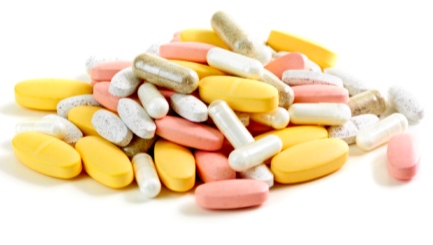
The Truth About SupplementsThere are many things in health and wellbeing which are more than a little convoluted and complex. That’s fine, human beings are far from simple creatures after all. However, regardless of how simple some things are there are just as many things which are remarkably simple. Natural ingredients are better for you than processed ones. Think about it for a moment and it won’t seem strange, it will seem logical. This goes for everything. The less processing which has gone into a food the better it generally is for you. The more natural the ingredients of a supplement are the better they’ll be for your health in the long run.


For the most part supplements aren’t the answer to anything. If you feel that you’re lacking in certain areas of your diet then it’s important that you expand that diet rather than scoff supplements. It’s pretty easy to get the right amounts of everything you could possibly need from your diet providing you balance it properly. If it were as hard as supplement companies make it out to be we’d have died out as a species generations ago. The food on offer in most supermarkets is the widest variety which has ever been on offer at any one time in any one place, if you can’t make a balanced diet out of that then we’re doomed!


That said, sometimes you need supplements due to pre-existing conditions. In these cases it’s important to work out what you’re lacking and then select all natural supplements. If in doubt, consult your GP. They’ll have lots of information on which supplements will be best for you and whether you actually need to take them at all! Read online reviews if still in doubt and remember never to take anything which you don’t fully understand. This is your health and wellness at stake!


The All Natural Truth about Supplements