Showing posts with label Chinese medicine. Show all posts


According to Thumos Health Center, Chinese medicine is known for its herbal substances that increase libido, sexual desire and sexual performance. Acupuncture also can help with balancing and helping oneself open to intimacy and love. With Valentine’s Day upon us, now is the perfect time to use these ancient methods to connect more deeply with loved ones.


Acupuncture philosophy is rooted in the idea of balancing transition and transformation, including the emotional transitions from being single to dating or from dating to marriage.


“The emotional liminal periods of uncertainty and vulnerability affects our bodies that acupuncture helps keep balanced,” said Ganit Kriel of Thumos Health.


Couples around the country come together on Valentine’s Day to celebrate love. With the help of Chinese herbs and acupuncture, a great sense of intimacy can be achieved. These ancient traditions can help increase libido and lead to a more balanced sense of self.


In addition to treating intimacy issues, acupuncture has many other benefits including treating headaches, increasing fertility, pain management and helping with smoking cessation.


About Thumos Health Center 

Besides fertility enhancement therapy, Thumos Health Center and its licensed practitioners also treat allergies, immune deficiencies and various other health problems including digestion issues. To learn more about services, products and locations, visit the Thumos Health Center Web site at ThumosHealthCenter.com or contact them by phone at (310) 927-2792. There are locations in Pacific Palisades, Beverly Hills, Santa Monica and Sherman Oaks.


Are you intrigued by Chinese medicine’s profound philosophy, but don’t have much of a grasp on what it’s all about? Here’s a quick guide to what lies behind one major aspects of Chinese medicine: Chinese herbal medicine.


What is Chinese herbal medicine? Just herbs?


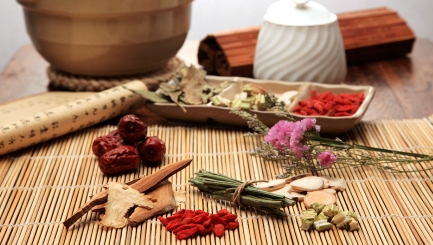
As the name suggests, herbs are the main ingredient in Chinese herbal medicine. Indeed, Chinese herbology recognizes more than 3,200 different types of herbs. Some prominent examples are ginseng and astragalus (root is used).


But that’s not all. Chinese herbal medicine also utilizes a slightly less mind-numbing 300 different minerals, insects, sea-creatures, and animal extracts. Cinnabar (ore of mercury), silkworm, seahorse, and rhinoceros horn, are some examples.


The different herb and non-herb ingredients are often combined as formulas, of which there are more than 400 widely known permutations.


So it’s the chemical properties of the herbs that are important, right?


Like Western medication and vitamins, Chinese herbs are chemical agents with illness-treating properties.


But the chemical component of Chinese herbs is not the sole consideration for an effective treatment. Rather, the level of energy output of each formula that goes toward restoring the body’s yin-yang balance is the key determinant.


With so many herbs and ingredients, how do they know which to combine?


In most cases, four types of herbs are included in the formula, categorized as: “emperor,” “minister,” “assistant,” and “ambassador.” There can be more than one of herb of each type.


These herbs are not casually termed. The “emperor” targets an illness’ main symptoms and underlying causes, while the “minister” treats the accompanying symptoms and their underlying causes. The “assistant” harmonizes the formula and eliminates possible toxins and side effects. Finally, the “ambassador” is there to get the formula to the afflicted meridians and organs.


Before being administered to a patient, these four herb types are made into a decoction (medicinal liquid) or capsule and pill variant. After that, like a proper, functioning bureaucracy, these herbs perform their own roles, and combine for efficient “governance” of illnesses.


In the West, we think we know all about vitamins, minerals, fats and carbohydrates—so why aren’t we healthy? One way back to nutritional wellness can be found in the East Asian tradition, which has been taking care of wellbeing through food for thousands of years. Therefore, we turned to complementary wellness expert Mika Ono, author of Ancient Wisdom, Modern Kitchen: Recipes from the East, for her Eastern healthy eating tips.


1. Balance Is Beautiful: According to Ono, ‘In the West, we can be found casually eliminating whole food groups, say fats or carbohydrates, or trying to exist on a single type of food (the grapefruit diet, anyone?). That’s an anathema in the East, where we’re advised to pursue balance in our bodies and in our minds by eating a variety of foods to maintain health. No single ingredient or kind of ingredient is vilified or consumed to excess. As one Chinese proverb says, “Sour, sweet, bitter, pungent: all must be tasted.” Food is also used to bring balance between the individual and his or her natural cycles and parts of the environment. Particular foods are thought to counteract an individual’s personal tendency toward, say, restlessness or fatigue, and different choices are recommended for different seasons.


2. Take Your Temperature: ‘Are you the kind of person who runs cold?’ asks Ono. ‘Or do you tend to feel hot? What is the weather like outside? According to the East Asian tradition, the answers to these questions can help guide your healthiest food choices. In the interest of balance, traditional Chinese medicine advises people who tend to run cold to gravitate towards “warm” foods and spices. This refers not only to the food’s physical temperature, but also to its effects on the body (think of breaking a sweat when you eat a curry). On the warmer end of the spectrum are foods and herbs such as ginger, chili peppers, cinnamon, turmeric, nutmeg, green onions, and walnuts. Warm foods are also especially appropriate in the winter or an unusually cold day.  Similarly, people who tend to run hot or who are in a hot environment are advised to consume more cool foods (think of the tingly cool sensation you experience when consuming a mint beverage). In addition to mint, cool foods and herbs include citrus, tofu, milk, lettuce, celery, cucumber and tomato.’


3. Colour Counts: Ono notes, ‘In the world of natural foods, traditional Chinese medicine teaches us to try to consume foods of various colours—purple eggplant, red tomatoes, green spinach, black sea vegetables, white garlic and yellow squash, for example—to fortify different parts of our bodies and to balance each other’s beneficial properties. By paying attention to this rainbow of hues, Chinese food therapy transforms what we in the West often lump into a few categories, say “fruits” and “vegetables,” into patterns more complex and inviting. Interestingly, scientific studies have related phytochemicals in coloured plant foods to their healthful effects. For example, red tomatoes, peppers and watermelon contain lycopene (linked to cancer prevention); orange and yellow fruits such as squash, carrots and apricots possess beta carotene (which may reduce the risk of cancer and heart disease); and white garlic and onions contain a number of sulphides (which may possess anti-bacterial, anti-cancer and immune enhancing qualities).’


4. Raw Might Not Be Better: ‘In our society where over-processed foodstuff is encountered at every turn, members of the raw food movement need to be applauded for getting back to basics,’ says Ono. ‘However, assuming that you are selecting natural, mostly organic foods to begin with, traditional Chinese medicine would recommend a different approach in the kitchen. According to this tradition, cold, raw food such as salads are particularly hard on the digestion and should be eaten in moderation.’

If you want to improve your chances of getting pregnant, it’s important to look after your wellness and wellbeing. As well as all the traditional, mainstream ways, you should look to gain an all-natural boost from the plethora of treatments and tips available under the discipline of Traditional Chinese Medicine.


At a recent fertility seminar held in New York City, many natural fertility specialists highlighted the importance that Traditional Chinese Medicine and other mind/body techniques can have on a woman’s chances of having a baby.


For example, traditional Chinese Medicine can help to improve blood flow to the reproductive area. It is thought that a stressful lifestyle can remove blood flow away from the reproductive organs, funnelling it instead to the legs and arms as part of the body’s ‘fight or flight’ response to danger. To change this, a course of acupuncture can help to redirect the blood flow back to the reproductive organs. You could also try focused relaxation (such as mentally going to your internal ‘happy place’), or a session of de-stressing yoga, or even a massage.


Hormones also play a big role in conception. When your hormones are all out of kilter, it can make it much tougher to conceive. Stress is often the cause of hormonal imbalance too, especially as so many women have high –stress lifestyles. Stress can cause increased production of the hormone prolactin, which may then impede ovulation. As well as cutting down on the stress in your life, there are some herbs that can be useful to fertility. You would also benefit hugely from eating a healthy, balanced diet and taking plenty of exercise. All of this will help to bring your body’s hormones back into balance, hopefully helping you to conceive successfully in the future.

Are you intrigued by complementary wellness? Do you feel that your wellbeing is not being optimised by western medicine, and that there might be something better out there? Here’s what everyone should know about one of the biggest aspects of Chinese medicine – Chinese herbal medicine.


Chinese herbal medicine is not just about herbs. Although herbs are the main ingredients in Chinese herbal medicine (in fact Chinese herbology boasts more than 3,200 different herb types – some prominent examples being ginseng and the root of astragalus), there is more to herbal medicine than just herbs.


Chinese herbal medicine also uses a huge variety of different minerals (over 300 different ones), various insects, animal extracts and sea creatures in its make up. Cinnabar (ore of mercury), seahorse, silkworm and rhinoceros horn are all examples of the various compounds that go into Chinese herbal medicine.


All these various compounds – both herbal and non herbal – are combined together to make more than 400 widely-known supplements.


Much like western medications and vitamins, Chinese herbs are full of chemicals which have illness-treating properties and agents. However, the chemical component in Chinese herbs is not the only consideration when planning an effective treatment. Instead, the level of energy output that each formula has is considered, in terms of how this can restore the body’s yin/yang balance.


In most cases, there are four types of herbs included in each formula. These are categorised as the emperor, minister, assistant and the ambassador. There can be more than one herb in each category. The reason that these names are used is because the emperor herb targets the main symptoms of an illness and any underlying cause, whilst the minister treats any accompanying symptoms of the illness and their underlying cause. An assistant herb harmonises the formula and gets rid of any toxins or any possible side effects. The ambassador herb’s job is to get the formula to the right medians and organs in the body.

Chinese medicine conjures images of acupuncture and herb-based concoctions, and while this isn’t incorrect, it isn’t the whole story. There’s so much more to Chinese medicine than people think, and now that it’s increasing in popularity it’s getting a more in-depth study from people who are curious about what it can do for their health. Chinese medicine is a holistic system which includes cupping, moxibustion, dietary and lifestyle advice, exercises such as qi gong and the treatments we associate with it, such as needles and herbs. It can be used as an addition to conventional medicine too, so it can be both an alternative and complementary therapy which many people don’t realise. A system of treatments which have been developed over the past 2,000 years, it is now one of the most respected and effective forms of medicinal therapy known to humankind. Unlike the type of medications we’re used to, Chinese medicine seeks to find and resolve the causes of an illness, rather than simply remove the symptoms. For example, if you suffer regularly with headaches, you may take painkillers to remove the painful symptoms – in Chinese medicine, however, a therapist may help you by looking at your lifestyle, diet and family history to get to the root of the issue. They can then help you to treat that problem, to prevent future headaches rather than simply help you treat the one you have at the moment. Chinese medicine looks at so many aspects of a condition, as well as sleep, thirst, appetite and digestion. What many people may see as unconnected and different symptoms may well be part of the same illness, and a Chinese medical professional may see that more easily than conventional practitioners will. That said, we shouldn’t immediately dismiss the benefits of conventional medicine. There are conditions for which Chinese medicine isn’t necessarily the best option for.


There are strengths and weaknesses with Chinese medicine, as with any form of treatment. Because of this, conventional medicine is often more precise in diagnosing and treating ailments, and modern surgery can be instantly lifesaving. There are some problems with long-term medications, which is where Chinese therapies can help as a complementary medicine to be used alongside more traditional treatments to solve a number of conditions. If you’re suffering from a condition such as IBS, stress-related conditions and arthritis, Chinese medicine can be really helpful in treating these types of problems. The main aim of these therapies is to get the body functioning at its best, and addressing all aspects of a health complaint, which will improve your wellbeing. Fertility issues have been the biggest draw for people to Chinese medicine, as it’s a condition that can’t always been resolved instantly with conventional medicine so people feel more open to the idea of experimenting with treatments which have had previously worked for other couples. Chinese medicine can be effective in regulating your hormones and increasing fertility in both males and females. Chinese medicine has been increasing in popularity significantly in recent years and can work really well to support traditional therapies – it’s a gentle way of treating some of the persistent conditions we deal with every day. Of course, if you are feeling unwell or have noticed a condition developing, you should still seek advice from your GP who can advise you whether you need treatment – you can then supplement this with Chinese medicine if you so choose to.

Prostate cancer is a sexual health issue that can negatively impact all areas of your wellbeing. According to recent projections from the American Cancer Society, of the 232,090 new cases to be diagnosed, about 30,350 men will die from prostate cancer. This is why it’s so important to get tested early and often, and find the right treatment.


According to Licensed Acupuncturist Dr. Mao Shing Ni, PhD, who has diplomas in Chinese Herbology and Anti-Ageing Wellness, ‘If you are a man over the age of 40 and prostate cancer runs in your family, it is extremely advisable to monitor your Prostate Specific Antigen (PSA) levels. A PSA blood test measures the level of a protein released by prostate cells. Recent experts state that if a PSA level is 2.5 or higher, it reveals the possibility of prostate growth (hyperplasia), but it does not always mean that cancer is present. Since PSA levels may fluctuate with infection and lab errors, usually more than one test over a period of time is done to confirm your PSA level. Digital Rectal Exam (DRE) and ultrasound are other ways to evaluate the prostate. However, only biopsies can truly determine whether the growth in the prostate is benign or malignant.’


So what exactly is your prostate, and why does it become more likely to be damaged as you age? ‘The prostate gland lies at the base of the bladder surrounding the urethra (urinary tract from bladder to penis),’ Dr. Mao explains. ‘During ejaculation, the prostate secretes a fluid that combines with the seminal fluid in order to prevent infection in the urethra while protecting and invigorating sperm. Due to the ageing process, the prostate naturally enlarges as hormones change and weaken after the age of 40. The swelling of the prostate puts pressure against the bladder and urethra, thereby affecting the smooth flow of urine. Abnormal patterns of urination such as higher frequency at night, burning sensation, difficulty, blockage and dribbling are common symptoms and signs of prostate enlargement.’


But why are we asking a Traditional Chinese Medicine specialist about prostate cancer? Dr. Mao notes, ‘TCM associates hyperplasia of the prostate with damp heat and kidney deficiency. After the age of 40, one’s vital energy in the kidney system decreases, resulting in the disturbance of sex hormones. This process also decreases one’s sexual energy, which affects the function of the prostate and the circulation in this region. Throughout the ages, in order to compensate for the decline of prostate function, men in China have used regular acupuncture treatments to improve the circulation and energy in the prostate.’


Dr. Mao continues, ‘To enhance the effect of acupuncture, they have also used Chinese herbs such as Poly Goni He Shou Wu, in traditional, custom herbal formulas to replenish the kidney essence. In fact, at Tao of Wellness, we have had many successful cases of normalising elevated PSA levels in patients with prostate conditions. Kidney essence nurtures the prostate. As the prostate is revitalised, it is now capable of self-regulating toward normal functioning and maintaining a balance of growth and non-growth. This is the balancing property of Chinese medicine.’


Dr. Mao adds, ‘TCM nutrition encourages men to eat more nuts, seeds, pumpkin, mushroom and berries to help nourish their prostate. Managing stress, regular exercise and massaging the prostate are also vital to help maintain prostate health. Besides Chinese and western herbs such as saw palmetto, there are many delicious foods that you can eat to help maintain a healthy prostate. Regular consumption of foods that contain lycopene (a prostate protective antioxidant) is highly recommended.’

It may be that you are looking to lose some weight for the first time. It may be that you are an established fitness fanatic. Or it may simply be that you want to improve your general wellness and wellbeing, and have realised that physical activity is a really good way to go about this. Whatever your background and whatever your reasons, you can improve your strength and your endurance, and it may be easier than you think.


Steer clear of supplements that claim to boost your endurance, as these are constantly changing and there is not one clear, proven way of helping to improve your muscles in the supplements market. There is, however, a kind of complementary therapy that has been proven to help, and that is Traditional Chinese Medicine. Chinese Olympic athletes have been using the methods associated with Chinese medicine for years, such as acupuncture, tuina bodywork and Chinese herbs, to help naturally enhance their endurance and strength, as well as to speed up the healing of injuries.


Acupuncture has been proved to have all kinds of beneficial effects. It improves the blood circulation and also reduces pain and inflammation, meaning that it shortens the time that the body takes to recover from injuries. It also increases strength and endurance, meaning that injuries are far less likely to occur in the first place. Tuina also improves circulation and removes toxins from the blood stream, as well as lubricating the joints and increasing their range of motion. All of this also helps to release stress, which can have a very negative effect on performance and make injury far more likely. Tuina works by establishing a more harmonious flow of the body’s chi (vital energy) as well as bodily fluids through the body, allowing it to function at the optimum level.


  Extension of collaboration on setting of Chinese herb standards with China Medical University in Taiwan


Hong Kong (HKSAR) – The Department of Health (DH) today (February 12) signed a contract with China Medical University (CMU) in Taiwan for sample collection and research on Chinese materia medica under the Hong Kong Chinese Materia Medica Standards (HKCMMS) Project (Phase VIII). The aim of HKCMMS is to develop referencestandards for Chinese herbs commonly used in Hong Kong.

The contract was signed by the Chairperson of the International Advisory Board (IAB) on HKCMMS, Dr Constance Chan, and the President of CMU, Dr Lee Wen-hwa, at the CMU in Taichung, Taiwan. The CMU has been participating in the HKCMMS Project since 2011 and its research results on four Chinese herbs were published in HKCMMS Volume VI.


Its research on another four Chinese herbs is expected to be completed within this year. The signing of this contract represents the ongoing collaboration effort between CMU and the DH on the development of HKCMMS.


“I am delighted to see that the research collaboration with CMU has yielded very good results. These ongoing collaborative activities mark an important milestone in promoting the safe use of Chinese medicine, especially in the context of wider global use of herbal medicine.


The signing of this contract will not only enhance our Chinese medicine research efforts in terms of both quality and volume; it also signifies another important step to further bolster research collaboration between both places for the development and promotion of Chinese medicine. I look forward to very fruitful results of this further collaboration,” Dr Chan remarked.


“The research work to be undertaken by CMU will cover four Chinese herbs, namely Radix Tinosporae, Semen Cassiae Occidentalis, Semen Hoveniae and Stamen Nelumbinis,” Dr Chan added.


The HKCMMS Project was launched in 2002 for the development of safety and quality standards for Chinese herbs commonly used in Hong Kong. The principles and parameters for research and laboratory analysis are laid down by the IAB, which comprises a panel of internationally renowned experts.


As of today, the reference standards for around 200 Chinese materia medica have already been established, with six volumes of HKCMMS published.


The HKCMMS Volumes I-VI are accessible at the website of Chinese Medicine Division, Department of Health (www.cmd.gov.hk/html/eng/health_info/publication.html).


Printed copies of the publications are also available for sale.


Source: HKSAR Government


Published on: 2014-02-12


Tweet


News Provider: EUPB – European Press Bureau


Limited copyright is granted for you to use and/or republish any story on this site for

any legitimate media purpose as long as you reference 7thSpace and any source mentioned in the story above. Please

make sure to read our disclaimer prior to contacting 7thSpace Interactive. To contact our editors, visit our online helpdesk. If you wish submit your own press release, click here.


Social Bookmarking
RETWEET This! | Digg this! | Post to del.icio.us | Post to Furl | Add to Netscape | Add to Yahoo! | Rojo


Comments

Traditional Chinese Medicine is a complementary form of medical treatment that is quite different to Western medicine. In Western medicine, any problems with your wellness and wellbeing are typically treated with prescription medication, with perhaps a healthy dose of chicken noodle soup on the side, whereas in traditional Chinese medicine, a treatment plan can include various therapies including qi gong, massage therapy and moxibustion.


The most common type of treatment plan is a combination of herbal medicine and acupuncture, and this is used to treat a very wide variety of ailments.


Traditional Chinese Medicine, like Western medicine, covers every different aspect of health, with anything from allergic reactions, to insomnia to a common cold being covered by the wide range of treatment options. If you are interested in trying Chinese medicine, however, you would be well advised to go and see a Chinese healthcare practitioner. Medical advice found in articles on the internet cannot be a safe substitution for the guidance of an educated and experienced professional.


Many people who suffer with allergies turn to traditional Chinese medicine. These allergies can be to anything at all in the environment, from animal hair to peanuts, and some experts in Chinese medicine claim that the therapies can cure these sensitivities.


Arthritis is another one that is a prime target for Chinese medicine. Whilst Western treatments tend to focus on dulling the symptoms of this painful disease, Chinese medicine claims to offer a cure, by eliminating the actual cause of the arthritis.


Even the common cold isn’t left out when it comes to traditional Chinese medicine. Instead of chicken noodle soup, however, the Chinese turn to foods such as miso soup with ginger and spring onions to help cure this ailment and get you back to full strength.

Figures from the National Institute of Child Health and Human Development show that the current estimated cases of autism are around one in every 1,000 and one in 500. Some scaremongers claim that vaccines are responsible for these high levels of autism, but there has never been any established link between vaccines and autism. There is also growing concern that autism may be caused by toxins and pollution in the environment. Another school of thought is that nutrition may contribute towards autism, as well as viral infections, antibiotics and other minor factors.


Although people talk about children ‘developing’ autism, some new research coming out of the Autism Society of America suggests that there may be a genetic link, and that the disorder is actually present at birth. The symptoms of autism normally appear by the time the child is three, and it is then that a formal diagnosis can be made. Autism is difficult to diagnose, however, as there are so many different factors and characteristics, such as social communication problems, language problems and difficulties with cognition.


In the Western sense, autism does not exist in traditional Chinese medicine. It is instead classified as the ‘Syndrome of 5 Delays’. These delays are categorised as walking, standing, teeth eruption, hair growth and speech. Based on the yin and yang theory, traditional Chinese medicine treats the problem within the framework of rebalancing the energy.


Western medicine rates the brain as being the most important part of the human physique, whereas Chinese medicine views the body and mind as being joined, as part of a circular system which includes the organs and the central nervous system. . The Chinese medicine system sees balance as the key to achieving wellness and wellbeing. The complementary system sees the organs as being a vital part of this balance.

In a recent study of complementary therapies, researchers found that women receiving Chinese herbal medicine treatments were twice as likely to get pregnant within a four month period than those taking Western fertility drugs and IVF. The findings of the study also suggest that the quality of the menstrual cycle appears to be crucial to the success of the treatment for female infertility. Infertility is usually defined as an inability to conceive after a year or more of regular, unprotected sexual activity. There has been a  long recorded history of Chinese herbs being used to treat infertility, dating back as far as 200 AD. Alternative TCM treatments have become increasingly popular in Western countries as more studies are proving that they are both safe and effective. It’s not surprising, given that more than a quarter of the world’s population uses Chinese medicine as part of their regular health care regime.


Researchers did a meta-analysis of non-randomised controlled trials or cohort studies, then compared clinical pregnancy rates which were achieved with Chinese herbal medicine compared to Western medicines, including IVF. In addition to this, they collected common TCM pattern diagnosis in infertility relating to the quality of the menstrual cycle and the associated symptoms. The results show that women had a 3.5 greater chance of achieving pregnancy with Chinese herbal medicine therapy over a four month period than those using Western medicine drug therapy alone. Average pregnancy rates were at 60 per cent for Chinese herbal medicine compared to just 32 per cent for Western medicine. While health is said to be the common goal of both Chinese medicine and conventional treatments, the ideas on the etiology disease, disease itself and the process used to maintain wellness are quite different. Western physicians learn that disease should be cured by prescribing medicine or using surgical intervention, whereas in TCM there is a focus on healing the patient and treating the whole person, not just the disease. As such, there are other factors to take into account, such as the individual’s state of health. According to TCM, a person is far more than their pathology – treating the pathology is usually temporary, however successful it may be at the time of testing and treating.


Where female infertility is concerned, the key factors in TCM are focussing on the reduction of stress and re-establishing balance, as well as regulating hormones and menstruation. It is recognised that many cases of infertility stem from a problem that is often more functional than structural, whereas Western medicine treatments are not only invasive but also stressful for patients. Stress is not conducive to a health pregnancy, and as such can often be the cause of infertility problems. Fertility management has been studied in depth and is well developed in Chinese medicine. GPs in modern China have a reported 70 per cent success rate in treating both men and women with herbs for infertility, and hundreds of herbs are used within these treatments. Herbal medicine is often used with a combination of other therapies, such as massage, diet and lifestyle modifications, and acupuncture. TCM fertility techniques are usually non-invasive and can often provide a better success rate than the costly Western treatments we are more familiar with. If you’re having trouble conceiving, you should speak to your GP who can offer advice on the subject and offer testing to see whether there is anything wrong with regards to your ability to get pregnant.

When it comes to complementary wellness, most of us will try the odd herbal tea or supplement, but would you drink the blood of a living turtle? Stephen T. Asma, a professor of philosophy at Columbia College Chicago and the author of Against Fairness, details, ‘A few years ago, while visiting Beijing, I caught a cold. My wife, who is Chinese, and wanted me to feel better, took me to a local restaurant. After we sat down, she ordered a live turtle…I startled as the waiters unceremoniously cut the turtle’s throat, then poured its blood into a glass. To this frightening prospect, they added a shot of baijiu, very strong grain alcohol…I winced, found the courage, and drank up.’


Asma’s story – which, by the way, did end with him feeling better – is an example of the fact that we are, as he puts it, ‘living in the vast grey area between leech-bleeding and antibiotics.’ While you may scoff – and be slightly upset – at the very idea that turtle blood could have medicinal effects, you might still attempt to quaff a tree-bark tincture or put on an aubergine compress recommended by Dr. Oz to treat skin cancer. According to Asma, ‘Alternative medicine has exploded in recent years,’ but this has reawakened a philosophical problem that epistemologists call the “demarcation problem.”


‘The demarcation problem is primarily the challenge of distinguishing real science from pseudoscience,’ Asma explains. ‘It often gets trotted out in the fight between evolutionists and creation scientists. In that tired debate, creationism is usually dismissed on the grounds that its claims cannot be falsified (evidence cannot prove or disprove its natural theology beliefs). This criterion of “falsifiability”…seems like a good one — it nicely rules out the spooky claims of pseudoscientists and snake oil salesmen. Or does it? The contemporary philosopher of science Larry Laudan claims that philosophers have failed to give credible criteria for demarcating science from pseudoscience. Even falsifiability, the benchmark for positivist science, rules out many of the legitimate theoretical claims of cutting-edge physics, and rules in many wacky claims, like astrology — if the proponents are clever about which observations corroborate their predictions.’


But where does complementary wellness come into play? Asma asserts, ‘The issue of alternative medicine, especially Traditional Chinese Medicine (TCM), brings fresh passion to the demarcation problem. Americans are gravitating to acupuncture and herbal medicines (less so the zoological pharmacology, like my turtle blood), but we crave some scientific validation for these ancient practices…The general facts of feng shui (literally “wind and water”) strike many of us as relatively indisputable. Simply put, if you arrange your furniture in certain patterns and directions, it feels to most people psychologically better than certain other patterns. But the metaphysical “causal theory” behind these facts is more controversial. Chinese medicine holds that energy meridians mark the flow of a force called “qi” and this force is streaming throughout nature and our bodies — causing harmony and health or disharmony and illness (depending on the degree to which it is blocked or unblocked).’


The question remains, however; do you really need this “causal theory” for your wellbeing to benefit from TCM? ‘I certainly don’t need this theory to be true to explain why I feel less agitated when my office desk faces the doorway than I do when my back is to the door,’ Asma concludes. ‘And I don’t think I need it to explain the sense of peace I get from looking out my window at Suzhou Creek. Perhaps the metaphysical qi theory of feng shui will eventually give way to one that aligns with our understanding of sensory perception or psychology…Ultimately, one can be skeptical of both qi and a sacrosanct scientific method, but still be a devotee of fallible pragmatic truth. In the end, most of us are gamblers about health treatments. We play as many options as we can; a little acupuncture, a little ibuprofen, a little turtle’s blood.’

Three new studies have confirmed the value of three traditional features of Chinese medicine – ginseng, ginger and acupuncture. In the clinical studies, it was found that ginger can be used to reduce nausea that is often attributed to chemotherapy treatments. Acupuncture can beat conventional medicines for treating lower back pain, and Asian ginseng can work as a natural anti-inflammatory. The best feature of these treatments is that they are natural, so there are no side effects compared to those that may arise from more conventional medicines. They’ve been used in traditional medicines for centuries thanks to the benefits they off the body, and the way in which they alleviate symptoms such as pain and sickness. Here are the facts on each of these traditional treatments, and what they can do for your health.


Ginger


Ginger supplements have been proven to relieve the nausea that many people undergoing chemotherapy treatments suffer with – a trial showed a 40 percent reduction in a randomised study. Researchers noticed that when 644 cancer patients were randomly assigned to one of four groups, they have an improvement in symptoms when taking ginger supplements. Some groups were given placebos, some 500mg of ginger, some 1000mg of ginger and others 1500mg of ginger. Nausea precedes vomiting, but people who feel nauseated may not always vomit. Cancer patients complain more about suffering with nausea than they do with vomiting, because they are unable to relieve severe nausea. It hasn’t yet been found how ginger can help with this problem but it is thought to be because ginger is an anti-inflammatory and is absorbent, so it acts on the gut before nausea sets in. You can add ginger into your diet through taking a supplement, or by adding it to your diet in the fresh form – smoothies, stir fries and soups can all benefit from ginger, or you can add it to freshly brewed tea for a spicy and warming infusion.


Acupuncture


Acupuncture is well known for being good for pain, and a new study confirms that it can be used to treat lower back pain. In a study of 638 people who were receiving treatment for lower back pain, the pain scores of people after eight weeks had improved by 4.4 or 4.5 points. People who had received regular medical care only improved by as much as 2.1 points. The pain relief was not only more successful, but it also lasted for longer with up to a year’s success for some people. Acupuncture is the treatment of various ailments and works by a trained practitioner inserting fine needles into pressure points in the body. It’s been used for centuries as a treatment for numerous conditions, from fertility to migraines, but this new study offers hope for sufferers of chronic back pain. If you think that you may benefit from acupuncture, seek out a local practitioner in your area who can assess your condition and how many courses of the treatment you need.


Ginseng


There’s still some work to go in proving the effects of ginseng, but a new trial has shown that it could be used to treat inflammation. Seven of the nine ginseng extracts used to treat human immune cells in a trial were able to inhibit the expression of a gene that promotes inflammation. It’s been used for many years in Chinese medicine, but this new trial could offer new clinical evidence that proves that ginseng is a viable treatment for inflammation in the body. The cutting edge science used in this most recent trial suggests that there could be new routes for medicine. Botanical researchers could better understand this herb and the uses it has in our diets.

The problem with the term “complementary wellness” is that it implies a certain “add-on” element to health practices; sure, they may help, but only on top of proper Western medicine. However, there are several ways in which the Eastern view on medicine is completely different to the way that, here in the UK, we look at the subjects of health and wellbeing. This is certainly the case when it comes to Traditional Chinese Medicine (TCM).


According to the tradition, diseases and unbalances within your body are connected to its energetic patterns and features. In most cases, a disease is seen as directly related to a disturbance in one of your vital organs. A traditional Chinese doctor will take a holistic approach to diagnosis, taking into account every aspect of you as a person. This means analysing your emotional patterns, activity levels, nutritional intake and lifestyle. As you can see, there’s no such thing as a “one-size-fits-all” treatment in Oriental Medicine.


The same can be said of Chinese Dietary therapy; everyone is different, and so in order to use nutrition to restore your wellness, your TCM doctor will have to look at your specific condition and constitution in order to determine the foods that will work the most effectively. Whereas a Western doctor or wellness expert will evaluate foods for proteins, calories, carbohydrates, vitamins, and other nutritional contents, in TCM takes this one step further; analysing the energetic properties of food like energy, flavour and movement.


Chinese Dietary therapy is seen as the primary solution for disease prevention, as well as restoring your body’s vitality and general wellbeing. However, while TCM principles are based on the inner workings of individuals, there are a few basic Eastern principles and recommendations that you can apply to your lifestyle, no matter who you are:


1. When possible, eat local and organic food.


2. Eat according to your constitution, i.e. don’t eat really cold foods if you’re always cold.


3. Avoid processed foods and try to eat foods in their whole form.


4. Don’t deprive yourself of a nice treat, but try to maintain a healthy wholesome diet most of the time.

Studies show that around half of the GPs in the UK are now providing access to different forms of therapy to their patients outside of the conventional routes of medicine and it seems that complementary therapies have soared in popularity in the past 10 years. The terms ‘alternative’ and ‘complementary’ medicine have long been associated with different forms of treatment, but the two offer varying methods – complementary treatments are used alongside conventional medicines, whereas alternative therapies refer to such treatments as Chinese medicine, and these replace conventional medicine.


GPs are now opting to include complementary therapies as part of their treatment for a variety of ailments. It seems that as many as one in three patients request these types of therapies when speaking to their GP. When used properly, these therapies can heighten the effectiveness of traditional methods – these include hypnotherapy, aromatherapy, acupuncture and osteotherapy. Many people don’t realise that there is a difference though, or the effect these methods can have.


GPs claim that there has been a high demand for therapies such as osteotherapy, chiropractors and acupuncture, but now nutritional therapies are also increasing in popularity. More GPs are also training in some of these therapies so that they can be offered within the surgery – for breast cancer patients, for example, nutrition, aromatherapy and shiatsu therapies are popular forms of treatment when used alongside more conventional medicines. Studies show that integrative medicines do bring a more positive effect to those using them, with the Haven Breast Cancer charity claiming that as many as 89 percent of patients said they felt better after receiving complementary therapies alongside their regular treatment. And because of the efficiency they offer, GPs are increasingly recommending them more and more.


The NHS and medical centres may begin offering more varied complementary therapies to patients. The Royal London Hospital for Integrated Medicine, which is the leading centre for complementary medicine in the NHS, offers treatments which include acupuncture, aromatherapy, chiropractic, homeopathy, massage, clinical hypnotherapy and osteotherapy to help deal with the symptoms of a host of ailments and diseases. Your GP will only be able to recommend certain therapies depending on the area you live in though. Speak to your GP for advice on the therapies you’re able to receive, depending on your postcode and budget.


The five integrated therapies which are most popular amongst GPs include osteopathy, chiropractic care, acupuncture, hypnotherapy and art therapy. Osteopathy is ideal for back pain and can be use to detect, treat and prevent health problems. Chiropractic care is also used for back problems and can help alleviate issues with the spine and joints. Acupuncture has been used for thousands of years, particularly in Chinese medicine, and uses fine needles which are inserted into pressure points in the body to help treat a variety of health concerns, from migraines to assisting with childbirth. Hypnotherapy involves putting patients into a trance-like state which can improve their well-being and control various symptoms. It is often associated with phobias, anxiety, fear, panic attacks and sleep problems. Finally, art therapy can help patients with mental health problems, as creating paintings and music can help people deal with their inner conflict and emotional turmoil.


Your GP will be able to advise you of the best treatments for your condition as there are many more besides these which could help you. Depending on what your budget and location is, as well as your symptoms, your GP can offer a selection of possible therapies which could help to work with your medicine for quicker or more effective treatments.

The World Health Organisation (WHO) has reported problems for years over the levels of pesticides and industrial contaminants, claiming that they are too high where certain herbs are concerned. In recent years, the American Botanical Council and the American Herbal Products Associated have discovered ongoing problems with this issue, with much of the problems lying with herbs sourced from India and China where the levels of contamination are found to be shockingly high. A new study has found that the unsafe practices surrounding the overuse of pesticides and toxic agents in Chinese herbs could be a cause for concern. The report stands to damage the trade of Chinese herbs which have repeatedly been under fire for the concerns of contamination.


China remains the worlds largest supplier of herbs, meaning that it has a lot to lose in terms of business. The revenues from Chinese herbal export total hundreds of millions of dollars – furthermore, Chinese people rely enormously on these herbs for their health. As such, the Chinese population has a lot at risk in terms of significant health problems which could arise from toxic elements in their natural medicines. TCM, or Traditional Chinese Medicine, is one of the most ancient forms of health care in the world. Some texts of TCM date back to more than 3,000 years ago! At the root of this form of medicine lies around 11,000 herbs – these are boiled in teas, and generally there is a combination of several types of herbs to make one form of medicine. Greenpeace studied around 65 batches of herbs, with residues of pesticides found in 48 samples. One of the more widely used herbs known as Sanqi flower had residues of 39 pesticides, and Goji contained 25. This is commonly referred to as a superfood and eaten as a snack, but with so many toxic agents it quickly becomes a rather unhealthy addition to anyone’s diet.


In recent years, the country has been under scrutiny for a number of food-related scandals, such as melanine poisoned-milk and toxic levels of pesticides found in ginseng. It’s also been noted that pesticides often run into the water supplies in China, through the rivers and lakes. The country has also been known to have poisoning problems with ginger, gives and cowpeas, as well. People are seeking natural methods for ailments more and more now, so herbal medicine usage is at an all time high. However, the levels of toxic agents could put an end to this, leading to anxiety and concern amongst users of Chinese medicine.


chinese medicine2A new study confirms what the Chinese have known for centuries – their traditional herbal remedies are an effective way to treat diabetes. The Australian study has revealed that combining Chinese medication with conventional drugs made the prescribed medication work better.


Researchers from the University of Queensland carried out a controlled clinical trial involving 800 adults diagnosed with type 2 diabetes – this is the type of diabetes in which the body cannot produce any or enough insulin to turn sugar from food into essential glucose for cells.


The participants in the study were split into two groups. The first were given the anti-diabetic drug Glibenclamide on its own with the second prescribed Glibenclamide alongside traditional Chinese medicine. The study’s findings revealed that patients given the combined medication were more than a third less likely to experience dangerously low levels of blood sugar – known as hypoglycaemia – than the patients given Glibenclamide on its own.


The participants receiving Chinese herbal medicine also showed fewer symptoms associated with diabetes, such as hunger, palpitation and fatigue, according to the research, which was published in the journal PLOS ONE.


The Queensland research was prompted by the lack of scientific understanding and relevant data in the western world relating to the efficacy and safety of traditional Chinese medicine. The study concluded that more research is required into how Chinese medicine can reduce hypoglycaemia but the results of the Australian study suggest that the traditional remedies could be put to work immediately to treat diabetes.


In developing countries, diabetes – and in particular, type 2 diabetes – is fast becoming an epidemic, fuelled by the rise in obesity.


Traditional Chinese Medicine Proven to Treat Diabetes