Showing posts with label chocolate. Show all posts


Teeth can remain strong and vibrant for a lifetime as long as proper dental care is provided. This means that the teeth need to be brushed, flossed and rinsed daily. A proper diet packed with essential nutrients, minerals and vitamins helps to keep teeth strong and healthy as well.


There are a wide variety of foods that can establish ideal dental health. Consider the five super foods listed below though to get the most out of your nutrition. Also, think about a consultation with a general dentist at http://www.palmbayfldentist.com to make sure that your diet is healthy for your teeth.


1. Milk


Milk is high in both calcium and vitamin D. These nutrients help to strengthen teeth by replenishing nutrients that have been lost during the demineralization process. Calcium helps to strengthen dental enamel as well. A single glass of milk that measures eight ounces is enough to provide your teeth with valuable calcium every day.


2. Apples


Apples contain essential nutrients to help with overall health. Apples are also hard and crunchy. This means that apples actually scrub the teeth as they are eaten. This helps to remove food particles and plaque that have built up on the teeth. The apples help to reduce cavity formation by removing harmful plaque before it has the opportunity to turn into dental tartar.


3. Nuts


Almonds, brazil nuts, walnuts, peanuts and sesame seeds all contain a good deal of calcium. Peanuts also contain vitamin D, and walnuts contain iron, magnesium and folic acid to aid in overall health. Cashews and other nuts also help to produce excess saliva in the mouth to help control demineralization of the dental enamel.


4. Tea


Certain types of tea can help strengthen the teeth by killing harmful bacteria that form within the mouth. Black and green tea offer the most in the way of health benefits. These types of teas contain polyphenols that directly affect the way that bacteria are able to thrive along the gums. Tea also boosts the immune system and it helps to rinse out the mouth.


5. Chocolate


Chocolate contains a variety of health benefits to the teeth. Cocoa in the chocolate contains a substance called tannin that works to reduce dental decay. Antioxidants help to boost the immune system, and chocolate is considered to be quite a tasty treat. Chocolate also helps to limit the amount of plaque that can form on the teeth. Dark chocolate can bring down the acidic conditions within the mouth as well.

Snacks are the bane of any dieter’s existence. You can have as great a diet as you like, balance all your nutrition really carefully, and then an attack of the munchies comes along and suddenly your wellness and wellbeing go out of the window as you reach into the biscuit barrel (and again, and again… )


The way to beat the snack attack is to be prepared. Next time the munchies hit, be ready to fight back, armed with recipes for low calorie snacks, smoothies, dips and popcorn. Stock up the pantry in readiness, and just don’t buy any biscuits or sweets at all.


One of the must indulgent (but not really) snacks that you can possibly keep in the house is the chocolate-covered frozen banana. To make these, get some ordinary bananas and chop them in half, through the middle. Get some lollipop sticks (the wooden ones) and gently insert them into the flat edge of each piece of banana. Put the banana popsicles onto a sheet of wax paper and slide them into the freezer for a few hours. When they’re frozen, quickly dip them in a pot of melted chocolate and them put them back into the freezer to set. If you’re feeling particularly ambitious, you can also sprinkle the hot chocolate mixture with coconut or chopped nuts.


Cherry cream cheese is another one that looks and tastes fabulous but won’t show up on the scales later. Blend some fresh cherries (black are best for this) and stir the puree into cream cheese. Spread this on a bagel or a graham cracker for a sweet and tasty low-calorie snack.


On movie night, reduce the calories of your favourite popcorn dramatically by making air-dried popcorn and then sprinkling it with a little cayenne pepper and some fresh Parmesan cheese.

Pets are an important part of their family, and yet their wellness and wellbeing is often unknowingly put at risk by having harmful plants, foods or other substances around your home. To keep your pet healthy, it is important that you know what is safe for them and what is not.


Chocolate, for example, may be your absolute favourite thing, but did you know that it can be terribly toxic for your dog? There is a component in chocolate called theobromine and it can cause increased heart rate, hyperactivity, arrhythmias, diarrhoea, vomiting and even seizures if chocolate is consumed by dogs. If a dog eats a lot of chocolate it can even lead to sudden death. Keep all chocolate well away from your dog, and if your dog eats chocolate by accident then contact your vet immediately as a precaution.


Antifreeze is also terribly dangerous for pets. In colder weather like we are currently experiencing in the UK, people start to add antifreeze to their car engines. It’s great for protecting cars from extreme temperatures but it can be deadly if a cat or dog laps it up from a puddle in the driveway. Just a few licks of antifreeze (such as a cat might get from cleaning its paws after standing in some) can be enough to cause kidney failure and even death in your cat. If you do spill whilst filling up your car then ensure that you hose down your driveway thoroughly and let it dry again before you let our pet outside.


If you transport your dog around in the car then make sure that you put a seatbelt on them. Larger dogs especially should be harnessed in the back seat of the car, which prevents them from distracting the driver and also keeps them safe in the event of an accident. Smaller dogs should be in a carrier or pet crate, secured with a seatbelt.

Although it’s no friend to your waistline, chocolate always seems like a friend to your emotional wellness. However, now men may be able to use the cocoa-y, sugary goodness to prevent a major health concern. This is according to a new large study from Sweden, which has found that simply eating one chocolate bar per week may help men to reduce their risk of having a stroke by about one-sixth.


This appetising conclusion was published this week in the journal Neurology by researchers at Stockholm’s Karolinska Institute. For the study, which was the first in a long line of recent studies on the potential heart and vascular benefits of chocolate to look specifically at men, the team spent 10 years following more than 37,000 men between the ages of 45 and 79. The results of the study revealed that men who at the most chocolate a week – roughly 2.2 ounces – were 17% less likely to have a stroke than the participants who ate little or no chocolate during than time span.


The researchers then pooled their data with that from four previous studies – including a near-identical 2011 study they conducted in women – in order to bolster their findings. The combined data, when re-analysed, came out with a similar result: men and women who ate the most chocolate had a 19% lower risk of stroke compared to those who ate the least. Jonathan Friedman, MD, a neurosurgeon at the Texas A&M Health Science Centre College of Medicine, in Bryan–College Station, who was not involved in the research, commented, ‘This was a meaningful reduction in stroke risk, and the results seem to be valid given the high number of patients.’


This study, which was funded by a Swedish research council, adds to a growing body of evidence that shows chocolate, or rather cocoa, to have some heart-healthy properties. In cocoa there are compounds known as flavonoids, which have been proven to lower your blood pressure, increase your levels of “good” HDL cholesterol, and improve the function of your arteries. Being a type of antioxidant, flavonoids can also prevent major health concerns, and may thin your blood and prevent it from clotting. This can help to stave off heart attacks and strokes.


However, the study authors are quick to point out that there are other substances in chocolate – or certain traits associated with chocolate lovers, which is more likely — that could just as easily explain the findings. In the chocolate lovers group, participants tended to be better educated and healthier overall than their peers, being less likely to smoke, have high blood pressure or have the heart-rate abnormality known as atrial fibrillation, which is a major risk factor for stroke. The researchers carefully controlled for these and other health measures, but Pierre Fayad, MD, a professor of neurological sciences at the University of Nebraska Medical Center, in Omaha, notes that the link between chocolate consumption and strokes can possibly be explained by health or lifestyle differences that went undetected.  ‘This association could also be due to the fact that [chocolate eaters] are healthier people,’ he adds.


While the new study adds to a wealth of research that hails the health benefits of chocolate, don’t go thinking that your doctor is going to start giving you different advice about your cardiovascular health. Fayad comments that following a healthy diet, exercising regularly, and treating known risk factors such as high blood pressure will all have a bigger impact on stroke risk than how much chocolate you consume. Plus, Friedman concludes, ‘Eating five chocolate bars a week might be worse for you in terms of obesity than it is good for you in terms of stroke risk.’

Chocolate is a well-known aphrodisiac, so they say, but sexual health researchers are beginning to deny the arousal-boosting properties of your favourite chocolate bar, or at least trying to get you to lower your expectations. Apparently, the benefits of chocolate to sexual wellness are vastly over-exaggerated. Sure, chocolate melts in your mouth and contain some chemicals like phenylethylamine, which produce feelings of euphoria, but one widely-cited study has shown that, if you were around nine stone heavy, you’d have to eat 25 pounds of chocolate in one sitting to significantly alter your emotional wellbeing – but who would be in the mood after eating 19.2% of her weight in chocolate?


Chocolate isn’t the only oft-cited aphrodisiac which has turned out somewhat wanting; there are legions of supposed sexual mood-boosters that, when it comes to the scientific evidence, lack the support to show they have any lingering libidinous effects on certain body parts other than your stomach. That is not to say that all the food research news is bad; chilli peppers, for example, have been found to mimic the state of sexual arousal by quickening your pulse, inducing sweating and stimulating the release of endorphins. According to Meryl S. Rosofsky, a doctor and adjunct professor in the department of nutrition, food studies and public health at New York University, all of these responses play a role in sexual pleasure.


That said, anyone of merit who claims to know what is or is not an aphrodisiac will tell you that the whole thing is very much subjective. As Ruth Westheimer, a sex therapist and author best known as Dr. Ruth, famously put it, ‘the most important sex organ lies between the ears.’ You may find a certain food arousing due to your culture or tradition. The ancient Greeks and Romans and medieval Europeans coveted basil, rosemary, saffron, honey, grapes and pine nuts for their libido-boosting powers, while fancy foods like foie gras, caviar, truffles and Champagne were exalted as romantic gifts because of their rarity and luxury. Then you have foods such as figs, asparagus and cucumbers which are seen as aphrodisiacs because their phallic or yonic properties (i.e. they look like male and female sex organs).


Moreover, the way you eat certain foods could make them considered sensual. As Dr. Rosofsky wrote in an entry on aphrodisiacs in the Encyclopedia of Food and Culture, ‘sharing food from a common platter’ is quite seductive, as is, in the case of oysters, ‘sucking and slurping seductively.’ However, in recent years, the focus of researchers, cooks and practitioners of alternative medicine has been on foods with nutrients that could potentially enhance fertility and virility. Dr. Rosofsky points out that garlic contains an amino acid that enhances blood flow and could augment erections, while zinc – again, found in oysters – has been linked to increased sperm production.


Another interesting way in which foods turn you on is through the power of smell. In her book The Scent of Desire, Rachel S. Herz, an expert in the psychology of smell, writes, ‘Asians consider the smell of cheese to be hideous, yet westerners regard it as anything from comfort food to sumptuous indulgence.’ So different smells are sexually inviting to different people, but the fact remains that smells can be a turn-on. ‘When we smell musky odours, we think of sensuality,’ Herz says. ‘In South America, cleaning products are made with musk, so when a woman smells musk, she is more likely to think of cleaning products than lingerie.’ She adds that this process is called “odour associative learning” or the way in which smells become positively or negatively ingrained in your memory.

Health food bars seem like the holy grail of diet snacking, but how good are they for you, really? Clever marketing and branding, with a few non-regulated buzzwords, means you rarely check the back of the packet before you buy. After all, it’s got fruit, fibre and protein in it, why wouldn’t it be good for you? In actual fact, your average health food bar often contains a hodgepodge of dodgy ingredients compressed into a product that winds up being much closer to a chocolate bar, or even worse in terms of nutritional value. We’ve rounded up six of the worst offenders, but this isn’t an extensive list by any standard, so remember to always read the label.


1. PowerBar Fruit Smoothie Energy Bar (Berry Blast): A blast of berries may seem ideal, but these are just empty superfood buzzwords, without a berry in sight on the ingredient list! What you are, in fact, eating is evaporated cane juice syrup, followed by sugar, fruit juice concentrate, dextrose, and fructose (read: sugar, sugar, sugar and sugar). Moreover, this bar is dripping in calories and has more than double the sugar of your average chocolate bar.


2. Quaker Oatmeal to Go Apples & Cinnamon: Breakfast in a square with oats as the first ingredient? What’s this doing on this list? Sure, the first ingredient is great but as the second one is high-fructose corn syrup, you can see how Quaker Oatmeal to Go might not be so great for your wellness after all. Even though it has an extra gram of protein than your average chocolate bar, this breakfast bar has almost twice as much sugar and more calories. Plus, it contains lost of nasty components, such as artificial colours, chemical preservatives, a number of sugars in their various guises, and two types of partially hydrogenated oils.


3. Genisoy Chunky Peanut Butter Fudge Protein Bar: As this list goes, this bar isn’t such a bad offender but it’s on here for three reasons; calories, sugar and low-fibre. There’s 220 calories in the Genisoy Chunky Peanut Butter Fudge Protein Bar (which is more than you would find in chocolate), 22g of sugar (which, again, is more than your average chocolate bar contains) and only 2g of fibre (which is half the amount you’d get in chocolate).


4. Met-Rx Big 100 Colossal Peanut Butter Pretzel: This isn’t a snack; it’s a full-blown 410-calorie and 28g-of-sugar meal! The Colossal Peanut Butter Pretzel’s second, third, and fourth ingredients are corn syrup, high fructose corn syrup, and sugar, so all it’s going to give you is a colossal case of diabetes and weight gain.


5. Muscle Milk Vanilla Toffee Crunch Bar: As a general rule, the phrase “vanilla toffee crunch” doesn’t go hand-in-hand with “diet and nutrition wellness,” but you’d think that a nutritional supplement company who makes such a bar would at least attempt to throw in a little goodness. The primary ingredient in this bar is evaporated cane juice (as in, sugar cane), but the bar also plays host to nine other forms of sugar and two types of hydrogenated oils. Sure, there’s more protein in the crunch bar than you would find in a bar of chocolate, but as the protein comes from hydrolyzed gelatine, it’s not really something to shout about.


6. Seitenbacher Banana Cranberry Bar: For a number of reasons, seitenbacher is generally a good choice for your wellbeing. Their products contain no gluten, GMO soy or anything a vegetarian would have a problem with, and they tend to use simple and natural ingredients. However, you need to steer clear of the banana cranberry option for one glaring reason: it contains 32g of sugar. This is the equivalent of eight teaspoons of the sweet stuff, but with only half the fibre and one-third the protein of a chocolate bar.

It’s good news for chocolate addicts everywhere: eating chocolate could be good for your wellness! Recent research has found that those who include chocolate or cocoa as part of their diet and nutrition actually had improved wellbeing in many different ways.


The cocoa-drinking peoples of Central America, such as the Kuna Indians of Panama, were the target of the research. Scientists found that these people, who drink cocoa as their main daily beverage, had very low blood pressure indeed. As high blood pressure is a leading cause of stroke and heart disease, this is a very positive thing and reflects well on the beneficial effects of cocoa.


Chocolate is made from cocoa, and is a sweetened form of the food. Dark chocolate in particular is thought to be a great source of antioxidants, zinc, iron, manganese, magnesium and phosphorous. As well as blood pressures studies (which need further work to be conclusive) many other health benefits have been claimed regarding chocolate.


Some studies have shown, for example, that a diet rich in cocoa could help to protect the body against bowel cancer. Again, the research done in this area is very patchy, and further work would need to be done to prove that chocolate can have a strongly beneficial effect.


A study was also conducted into the effects of chocolate on stress levels. Whilst the study, which involved 30 healthy people being given 40g of dark chocolate each day for two weeks, seemed to show a reduction in their stress levels, critics have argued that the fact that it was carried out by a major chocolate manufacturer has made it biased, and that the results cannot be trusted.


Overall, any beneficial effects of chocolate do have to be weighed against the fact that chocolate is high in sugar and fat, two substances that can harm the health of the human body in several other ways.

A night of passion with that special someone is just what the doctor ordered for your emotional health and wellbeing, so it’s important to set the stage for success. You look amazing, the stars are out, you’ve got your go-to make out song ready on the stereo, so what’s on the menu? This is no time for takeaway curry or a ready meal my friend, you want to hit him with a taste sensation to awaken and arouse his senses – and this is where aphrodisiacs come in. Tempt him with these tasty treats and you’ll have sexual wellness sorted.


1. Oysters: Well-known red-hot lover Casanova was said to eat oysters by the dozens, which is perhaps why they’re the most famous aphrodisiac on this list. As well as the fact they visually represent a woman’s, ahem, womanhood, they’re associated with Aphrodite, the goddess of love and beauty. We get the word aphrodisiac from Aphrodite herself, who even sprang from an oyster shell! Aside from these subconscious associations, oysters possess massive amounts of zinc which aids in a man’s sperm count and fertility. Plus, oysters pack a real iron punch which is great for preventing fatigue – the enemy to any couple’s night of passionate love-making.


2. Chocolate: You see it practically jumping off the shelves when Valentine’s Day rolls around and with good reason; chocolate is another well-known aphrodisiac. While originally people went loco for cocoa simply because it was so rare and luxurious (potatoes were considered mood-boosters for the same reason), studies have linked chocolate lovers with higher libidos. This is because chocolate contains serotonin, which is a chemical that makes you happier and thus more likely to show your partner some affection. Plus, the caffeine and sugar content in chocolate gives you the energy you need to take care of business. However, the real secret weapon in chocolate is phenylethylamine. This is the natural neurotransmitter version of amphetamine, high levels of which are associated with love.


3. Carrots: There’s a reason why Bugs Bunny is so good with the ladies (come on, Lola Bunny was far too hot for him); he’s always munching on a carrot. Much like oysters get you thinking of lady parts, carrots are phallic symbols (in case you were wondering, the female equivalent of “phallic” is “yonic” – who knew?!) Phallic symbols hold power over the mind as a way to get your partner’s parts moving into action. In fact, the power of many aphrodisiacs relies upon a medieval philosophy known as the “Doctrine of Signatures.” The belief goes that the Good Lord created things to resemble their purpose; herbs meant to treat the liver look like the liver etc. This is why carrots and other phallic foods supposedly get you going; it’s practically divine intervention.


4. Real Phalluses: While many aphrodisiacs look like male genitalia, some cultures take the idea one step further: consuming the actual penis of other animals. If you want to emulate the masculine prowess of a tiger, you might want to take a bite of the king of the jungle’s crown jewels. Meanwhile, animals with a particularly randy lifestyle, like dogs, are thought to hold this libido secret in their reproductive organs. The idea is that eating these animals’ organs enables you to take on some of the animals’ powers. However, if you can’t stomach the idea of eating an animal’s penis (after all, you’re not trying to kick-start your career on I’m a Celebrity) there’s always animals that look like human penises; snakes. Snake blood has been used as an aphrodisiac in the past, simple because a human male’s penis is often likened to a snake. Still, I think I’d rather stick with chocolate and oysters.

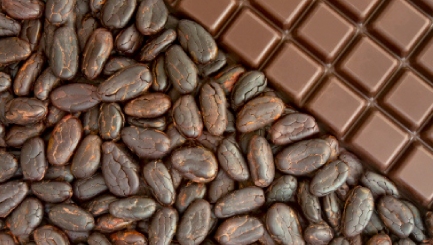
Often ridiculed for being a negative diet food, chocolate is having something of a moment in the health world right now – studies suggest that chocolate could boast medicinal effects and may help to improve the condition of your heart! There are various forms of chocolate on the market, but chocolate that’s rich in cacao are the best for your health.


Dark chocolate is rich in antioxidants and offers numerous health benefits when consumed in small quantities – cacao is known to reduce the symptoms of Metabolic Syndrome, which affects many people in today’s society. This group is closely linked to those who are overweight or obese, as well as those who lack in exercise. A large waist, bad cholesterol and high blood pressure are all key factors which create Metabolic Syndrome. While eating correctly can help to delay this problem, you should be aware of other areas of your lifestyle in order to make a true impact. Moderation, for example, is important – this doesn’t mean you have to deprive yourself, but just be careful of overeating foods such as red meat or sugar.


Our predecessors required a diet rich in high fat foods in order to survive and fuel their bodies for hunting and tracking prey. However, our modern lifestyle doesn’t require such energy so this fat is simply building up to create a society of overweight people – watching TV, using computers and public transport have made it difficult to burn the amount of calories we are eating. Such a rich diet is creating numerous health problems, namely heart disease – in order to maintain a healthy heart, you need to get the blood pumping around the body. Studies suggest that one way to heal an ailing heart is through eating chocolate, which releases endorphins and creates a happy feeling.

We’d all like a way of making chocolate better for our health, but beauty experts may have found a way to combine this sweet treat with vitamins and health boosting ingredients. Israeli company Carmit Candy have developed chocolate coins which are packed with vitamins, calcium and antioxidants, including astaxanthin. The ‘Grow Strong’ chocolate could be the next big thing in beauty and diet boosters, as well as providing a great treat that’s easy-going on your conscience. It was initially developed as a way of providing a healthier snack to children, so they could get their calcium intake, but the many vitamins and antioxidants within them make them a great choice for adults too. The concept of the coin was to keep the treat portion controlled, so that people can keep a track of how much they’ve eaten. They’re also made with a tooth-friendly ingredient of evaporated cane juice instead of sugar.


Each 6g coin contains 150mg of your daily calcium intake, as well as vitamin D3 which assists the calcium absorption in the body. There is also 15mcg of vitamin K in the coins as well. Dark chocolate is already known to be a great source of antioxidants, which help protect the body from free radicals and prevent the ageing process, but these coins are also loaded with astaxanthin, which is derived from red algae in Israel. It’s thought to be great for your immune system, as well as protecting the body against cholesterol and maintaining healthy joints. In order to get the desired amount of these health-boosting antioxidants you’d need to eat two coins – each one contains 1mg of astaxanthin. The firm has stated that a sugar-free version of this treat is also available, making it even healthier for you. As an addition to a healthy balanced diet, these chocolate coins could be a fantastic treat to boost your health and sate your sugar cravings.

Even when you’re serious about losing weight, sometimes, even if it’s only for your own personal sense of wellbeing, you need a little taste of chocolate. However, thanks to scientists at the University of Warwick, you can have your chocolatey treat and cut the damage you cause to your diet and wellness by half.


Scientists have discovered a way to halve chocolate’s fat content without compromising on flavor or texture. Due to new technology, manufacturers will now be able to replace up to 50% of the fat with fruit juice, vitamin C, water or diet cola. According to Stefan A. F. Bon, from the University of Warwick, ‘This approach maintains the things that make chocolate ‘chocolatey’, but with fruit juice instead of fat. Now we’re hoping the food industry will take the next steps and use the technology to make tasty, lower-fat chocolate bars and other candy.’


Dr Bon explained that the reason the chocolate can still retain its velvety texture is because the juice is in the form of micro-bubbles, which also helps to prevent “sugar bloom”. This is the white film that you may have seen on the surface of chocolate that has been on the shelf for a while. The chocolate fat-halving process also involves agar; a gelling agent which makes tiny “sponges” that displace fat.


Dr Bon, who unveiled his research at a meeting of the American Chemical Society, the world’s largest scientific society, noted that the technology is effective with dark, milk and white chocolate, and his team at the University of Warwick has manages to infuse chocolate with apple, orange and cranberry juice. He explained, ‘Fruit juice-infused candy tastes like an exciting hybrid between traditional chocolate and a chocolate-juice confectionary. Since the juice is spread out in the chocolate, it doesn’t overpower the taste of the chocolate.’


Chocolate is an emulsion of cocoa butter and water or milk combined with cocoa powder, but the downside of chocolate is its high fat and sugar content. A 60g serving of premium dark chocolate, for example may contain 13 grams of fat or 20% of your total recommended daily fair intake. Unfortunately, most of this is unhealthy, saturated fat. However, Dr Bon said, not only does the new technology cut this unhealthy fat content in half, but substituting fruit juice or cola also reduces the overall sugar content of the chocolate.


Scientists Develop Way to Cut Chocolate Fat Content in Half

You’ve undoubtedly heard about superfoods before. They’re the foods that are so packed with vitamins, minerals and fiber that they’re practically screaming “eat me!” Alas, because “superfoods” is such a cool-sounding term, it seems every product has tried to lay claim to that term. The other day I saw a box of yogurt-covered peanuts declaring itself the world’s “sweetest superfood.” Um, yeah… I doubt it.


But real superfoods really can give your diet a huge boost. Here are six superfoods that actually live up to their name and the sort of health benefits you can expect to reap from them. They’re all relatively common and simple to add or substitute into your favorite recipes. Add a little superfood to your diet today!


Kale


Kale has an abundance of phytochemicals locked into its dark green leaves, which have been found to help prevent cancer as well as diabetes, cardiovascular disease and hypertension. Plus, the veggie is packed with carotene, lutein and zeaxanthin, which all guard against macular degeneration. Nutritionists recommend at least one serving of leafy greens per day. Kale makes a tasty, crispy chip when roasted at a low heat with olive oil and a pinch of salt. Or sauté it to add to soups and pasta.


Dark Chocolate


You’ll probably rip your kitchen cabinet knobs off in your rush to dig in when you learn that those chocolate chips you hid behind the rice crackers aren’t off limits after all. Yes, dark chocolate is full of the same anti-oxidants that make red wine healthy, which make it okay to indulge in to a point. Just limit serving sizes to an ounce, and don’t make this an excuse to gorge on chocolate of all kinds – milk chocolate doesn’t boast the same benefits.


Avocados


This fruit tastes rich and indulgent, and it provides the healthy kind of fat that promotes weight loss and attacks belly fat. You can use it in place of oil in lots of recipes, or mash it into dark chocolate pudding for an absolutely decadent (and guilt-free) treat. Try whipping it up into a smoothie or sprinkling a few cubes over a taco in place of the sour cream.


Blueberries


You’ve probably heard a lot about acai berries, another superfood, but the humble blueberry is a lot cheaper, more versatile and easy to find. Plus they’re very much in season right now, pushing the price down even further! Each one-cup serving has 4 grams of fiber that will keep you filled up until your next meal. Its whopping punch of antioxidants can help prevent cancer as well as skin damage. Throw some over a bowl of oatmeal in the morning or munch on them plain as an afternoon snack. Yum!


Salmon


Salmon has the widely acclaimed omega-3 fatty acid that’s so good for your body. It’s the natural source of those bizarre fish pills your more health-conscious friends might obsess over. It’s also a great lean source of protein, something that many adult women don’t eat enough of. Try canned salmon (you can find it alongside canned tuna in most stores) for a more affordable way to get your fix.


Quinoa


Don’t worry if you can’t pronounce it (but if you’re curious, phonetically it’s pronounced KEEN-wah). This seed, which is often mistaken for a grain, is a terrific source of protein and very popular in vegetarian diets. It contains all nine essential amino acids, and it’s also naturally gluten-free for those who suffer from celiac disease. Try it as a replacement for rice or as the base for a warm salad. Just make sure you wash it off in warm water before you cook it, as unwashed quinoa tastes very similar to a bar of soap.


Adrienne Erin is a health conscious blogger who enjoys writing about food, running, and healthy living. You can find more of her work on Twitter under the name @adrienneerin.

Valentine’s Day has come and gone and we can all breathe a huge sigh of relief. Who needs a day to express their love? It should be something which you celebrate every single day you’re with the person you love, not something which requires a manufactured day to be special. So along those lines we’ve been thinking up ways for you to spice up your nights in with your partner. Did you know that there are certain foods containing certain supplements which are natural aphrodisiacs? That’s right, there are all sorts of foods which you can stick into a romantic meal to boost your desire and have a night of passion you’ll never forget. More importantly, it’ll be a night of passion which you schedule not some corporation.


-       Chocolate

Tasty it may be but innocent it is not. Chocolate is an incredibly complex food which contains certain compounds known to flood our brains with the love chemical, or dopamine. Also, eating chocolate has been shown to be beneficial for maintaining a healthy heart!


-       Figs

Known to be food to arouse the passions in us all since the times of the bible, figs aren’t just the shrivelled foods beloved by the elderly! Ancient cultures considered the open fig to be a talisman of love and fertility.


-       Avocado

Full of folic acid, potassium and vitamin B6 this fruit was beloved by the ancient Aztecs who believed that they increased sexual desire. Use with dark chocolate to create some fantastic vegan deserts.


-       Almonds

Full of vitamin E, magnesium, fat and fibre, almonds have been said to have the powers of potent aphrodisiacs for generations!


-       Asparagus

Not only does it hold a phallic shape, asparagus has always been known to be capable of stirring the fires in even the least passionate of couples. It’s also great for you and can give you the vitamin and mineral boost you may need!


Valentine’s Is Over But That Doesn’t Mean The Passion Is