Showing posts with label BPA. Show all posts

The chemical BPA could have a serious effect on the wellness and wellbeing of pregnant women, as well as on the environment, the latest research has shown. Carried out in the last year, the research suggests that high levels of BPA could increase the risks of having a miscarriage. It may also contribute to women struggling to fall pregnant in the first place.


BPA is found in many different plastics and in the linings of certain canned foods. The research is not enough to categorically prove that there is a link between BPA and miscarriage/fertility issues but it is enough to prove the possibility that BPA could affect fertility and health in this way, and so further studies will now need to be carried out in order to draw attention to the effect that this environmental chemical could have on the health of pregnant women or those trying to become pregnant.


BPA stands for bisphenol-A and, along with other environmental chemicals, can have hormone-like effects on the human body. Tests show that BPA shows up in the urine of nearly everyone in the world, even though this chemical has now been removed from many reusable drink containers and baby bottles in recent years. The Food and Drink Administration also now say that BPA is safe to be used in other types of food container.


It is also very important to bear in mind that most fertility issues are not in fact in any way related to BPA, but due to numerous other health conditions, and that most miscarriages occur due to problems with chromosomes or the eggs.


The study is, therefore, not cause for any undue alarm but does indicate that a lot more research is needed to be carried out on the chemical BPA. Results so far show that women should avoid warming up food in plastic or cooking with plastic, as it is when in contact with heat that the chemical can leak out into foods, and then end up in the human system.

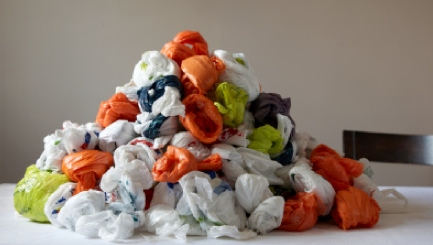
Asian Cities Begin Plastic Bag BanIf your child is exposes to a commonplace chemical early in life, they are more likely to develop asthma. This is according to a new study that found exposure of young children to bisphenol A (BPA), a common ingredient in household plastics, has been linked to the children’s later development of asthma.


Testing 568 children and their mothers in New York City, the study is the first to link early childhood exposure to with asthma, though other studies with lab mice have found a similar link. According to the team from Columbia University, the wellbeing of children with higher levels of BPA at ages 3, 5 and 7 was more at risk of developing the respiratory disease when they were between 5 and 12.


According to Kathleen Donohue, an instructor in clinical medicine at Columbia University Medical Centre and lead author of the study, ‘We saw increased risk of asthma at fairly routine, low doses of BPA.’ You can find the chemical in many household polycarbonate plastics, as well as some canned foods and beverages, paper receipts and dental sealants.


The study, which was published online in the Journal of Allergy and Clinical Immunology, has been praised by wellness experts who, for decades, have been trying to figure out why asthma have skyrocketed in children worldwide since the 1980s. A lot of researchers believe that it might have something to do with early-life exposures and changes in immune systems causing inflammation, and this study has helped that idea along.


Kim Harley, an associate professor at the University of California, Berkeley, who studies environmental chemicals and children’s health but did not participate in the new research, commented that though the research did not prove that BPA causes asthma or wheezing, ‘it’s an important study because we don’t know a lot right now about how BPA affects immune response and asthma.’ She added, ‘They measured BPA at different ages, measured asthma and wheeze at multiple points, and still found consistent associations.’


However, even though the researchers took BPA measurements at multiple times, Joe Braun, an epidemiology professor at Brown University who was not involved with the research, explained that it’s tricky to pin down exposure levels. ‘BPA has a short half life, so whatever we take in today will be gone in about 24 hours,’ he said, adding that the testing was ‘as good as we’re going to get for this type of study’ but ‘we’re still not accurately capturing exposure.’