Showing posts with label PMS. Show all posts

Pre Menstrual Syndrome (often shortened to PMS) is a real condition that affects your sexual and emotional wellness and wellbeing. It usually starts a few days before your period, when your jeans start to feel too tight, your head aches and you feel like crying for no reason at all. You may also find that you are snapping at people for no reason whatsoever. If this happens to you, you are not alone – many women experience the same symptoms every month, but the good news is that there are ways to help you alleviate the symptoms.


Premenstrual Syndrome can also cause body aches, tiredness and lead to diarrhea or constipation. Some women suffer from breast tenderness and many have a few spots that appear around this time of the month, too. Nobody knows exactly what causes PMS, but it is thought that the fluctuating levels of hormones are to blame. Oestrogen and progesterone begin to drop around two weeks before the start of your period.


To help reduce the severity of the symptoms of the condition, watch what you eat. Diet is closely linked to how you feel. Avoid salty foods as they can make you retain fluids, which you are especially prone to at this time of the month. Make sure that you get plenty of fruits and vegetables to top up your nutrients and stay away from processed foods such as cakes and sweets.


Drink as much water as you can, because being hydrated will help your period to be lighter and less painful and will also help you to avoid water retention. Drinking plenty of clear fluids can help to keep your skin free of blemishes, but avoid caffeinated beverages such as tea or coffee and sodas.


You may not feel like doing exercise, but a little gentle exercise can help you to ease stress and reduce any cramps that you experience.

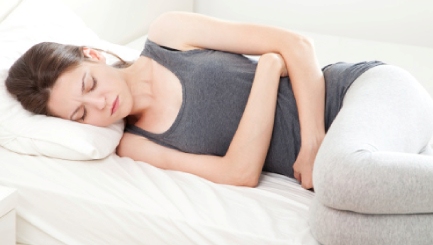
 

People struggle with health problems every single day. It’s something that our lives will never allow us to get away from. Illness is just a natural part of life that we can’t avoid thanks to the myriad bacteria, viruses and the natural breakdown of cells in the body that contributes to serious problems throughout your life.


But while many people suffer with issues for their whole lives, there are actually simple and effective ways that you can deal with many problems. Primarily this can come through added certain foods into your diet. Here is our list of nine foods that can really help you out with certain health problems.


What is good for arthritis?


Ginger


Ginger is not only a delicious additive to many different foods such as soups and curries, but it can also be very beneficial to your health. It can work in a similar way to anti-inflammatory medicines and so can function as pain relief. It’s important to remember that it is also a blood thinner, so it shouldn’t be eaten too excessively or taken with other blood thinning medicine.


Pumpkin


According to recent research, the high levels of antioxidants in pumpkins can help to prevent arthritis and provide pain relief through anti-inflammatory methods. You could try eating pumpkin puree to get plenty of it on board. Pumpkin soup is highly delicious too and well worth eating to get your fix.


Red bell pepper


With a large amount of vitamin C and a good number of carotenoids, which are great for fighting inflammation, red peppers are very good for you. With regards to the vitamin C, it’s been shown in a number of studies that a lack of vitamin C in your diet can lead to an increased risk of arthritis. Given that peppers can be put in virtually anything, it’s easy to get more of them in your diet.


What is good for diabetes?


Beans


Beans are great for diabetes, whether they are kidney beans, pinto beans or anything of the other beans. They are able to stabilise the blood sugar levels which is exactly the problem that people with diabetes have.


Egg whites


We know the quality of eggs, but you might think that the yolk is the only way to get ideal nutrients. But it seems that egg whites are great for the battle against diabetes. This is because they are very low calorie but high in protein.


Nuts


Nuts are highly delicious and they are extremely versatile. There are many different types of nut including pistachios, brazils, almonds and peanuts. They are all great for fighting diabetes because of their high levels of protein. They are also packed with healthy fats that are actually good for you.


What’s good for PMS?


Cheese


Studies have shown that women who suffer from PMS often have low levels of calcium. There is no doubt that cheese has high levels of calcium and given that it’s very tasty you can add it to almost anything and it stays great.


Pineapple


Pineapple does a lot for you if you’re suffering from PMS. It’s a great source of manganese, which can help reduce mood swings in women with PMS. It’s high level of water can help reduce the bloating that many women experience during their struggles with PMS.


Almonds


Almonds are a fantastic source of magnesium which is a mineral that is known to relieve the symptoms of PMS. Almonds can be eaten simply as a great snack or can be put in salads and other dishes to eat as part of a main meal.

As a woman, you need different things from your diet as your body goes through certain changes. Changes like menstruation, pregnancy, breast feeding and menopause – basically anything to do with your reproductive wellness – can have an impact on other areas of your wellbeing, and so, during these times, you need to take special measures to ensure you’re getting the right vitamins and minerals in your diet.


1. Premenstrual syndrome (PMS)


As you’re probably all too aware, the hormone fluctuations that go on during your cycle affect your body and state of mind. As your period approaches, you generally have higher energy intakes and food cravings, but you can temper or stop these cravings by eating high-protein foods every few hours. During this time, it’s also common to experience fluid retention, as the hormones encourage your body to hold salt, so reducing your intake of salty foods can help you to bloat less. To combat the moodiness, tiredness and constipation that often accompanies PMS, it may help to take B vitamins, especially vitamin B6.


2. Iron and anaemia


Iron is a mineral your body needs to create haemoglobin, which carries oxygen in your blood. Although blokes only need 8mg of iron a day, and they metabolise the mineral at the same rate as women, you need up to 18mg or 27mg if you’re pregnant. This is because you lose a lot of iron when you’re on your period, amounting to a loss of 1mg for every day of bleeding. Without iron, you can become anaemic, so you need to consume more red meat, chicken, fish, fortified cereals, legumes, nuts and leafy green vegetables. Also, you may want to avoid alcohol, tea, high-fibre foods and calcium supplements when on your period, as this can mess with your body’s absorption of iron.


3. Pregnancy


The concept of “eating for two” can be confusing; it’s not about how much you eat, but the quality of what you’re eating that’s more important than ever now you’re pregnant. You need to meet your baby’s nutritional needs as well as your own, which involves eating a variety of foods from each of the key food groups. You should pay special attention to calcium, folic acid (folate), iron, zinc, iodine and vitamin C. Extra folic acid, for example, is vital for the development and growth of new cells, as it can reduce your baby’s risk of neural tube defects. Iodine is needed for normal mental development of the baby, while vitamin C is important for normal gum, tooth, bone and tissue formation.


4. Breastfeeding


You need a healthy diet during this time as you need to provide adequate nutrition to produce breast milk, with particular regard to protein, calcium, iron, vitamins and fluids. The best thing to do is to eat a variety of foods from each of the key food groups each day, but if you were anaemic during pregnancy, you should pay special attention to iron-rich foods so that you can replace your iron stores.


5. Menopause


As you start to go through menopause, you’re at an increased risk of the bone-thinning disease osteoporosis, which can lead to fractures. This is because bone strength largely depends on oestrogen, which dramatically reduces during menopause. However, even though it happens later in life, you need to start consuming the right amount of calcium now, as bone strength in later life depends on the development of bones earlier in life. In order to boost your calcium consumption, you may need to limit the amount of alcohol and caffeine you consume, get regular exercise and ensure you get enough vitamin D.

Last weekend, the latest edition of the Diagnostic and Statistical Manual of Mental Disorders – DSM-5 – was published. The DSM-5 describes the symptoms of a vast range of mental illnesses and is intended as a guide to diagnosis, but the committee has been accused of continually expanding the categories of mental illness, resulting in “diagnostic inflation”.


Moreover, the US National Institute for Mental Health (NIMH) dislikes the DSM’s symptom-based approach, asserting that laboratory tests for biomarkers are the only rational way to diagnose mental illness. Arguably, the categorisation of mental illness based on symptoms can be useful, but it’s important to remember that those diagnostic categories are cultural constructions, not global certainties. For example, susto, or fright sickness, of Latin America, and what people in India call the dhat syndrome – in which men experience fatigue, anxiety and guilt – is a well-documented example of a psychological culture-bound syndrome.


Professor Christopher Dowrick put forward in a recent editorial in the British Journal of General Practice, that depression could be a western culture-bound syndrome, rather than a universal disorder. He noted that psychiatrists constantly shift the diagnostic goalposts, and this lack of consensus as to what constitutes depression supports his case. Professor Dowrick explained, ‘In western anglophone societies we have developed an ethic of happiness, in which aberrations … are assumed to indicate illness.’


But it’s not just depression, but pre-menstrual syndrome (PMS) that wellness experts have argued is a Western culture-bound syndrome. Thomas S Johnson claimed, in 1987, that PMS symptoms are an expression of ‘conflicting societal expectations’ on women, while a 2012 meta-analysis of published research failed to find evidence that negative mood correlates to the pre-menstrual phase of the menstrual cycle.


However, Dr Rachel Cooper, author of Classifying Madness, comments, ‘I think the distinction between “biological” and “social” causes can get tricky. Lots of human practices that are clearly culturally patterned – child-rearing practices, diet, and sleep patterns, for example – affect our biology. You could have cases where a “core” biological disturbance is expressed differently in different cultures. Some have suggested that this might be the case with western-style depression and Chinese neurasthenia.’

For most women, that certain time of the month can bring all sorts of wellness-bashing joys. Whether you’re fighting against severe cramps, irritability, or bloating, you can improve your wellbeing with nothing more than your shopping list. The right foods, and vitamin and mineral supplements (VMS), can help you to reduce the symptoms of PMS, as they can help you balance your hormones, stabilise your blood sugar, and increase your nutritional intake.


Firstly, you can improve your hormonal balance by eliminating any non-organic dairy, beef and chicken from your diet, as this means that no added growth hormones and pesticides will enter your body and cause oestrogen dominance and other symptoms of PMS, especially cramping. ‘White’ foods, meaning sugar and starch, changes the way your body metabolises oestrogen, and converts more testosterone into oestrogen, so trade your white rice and bread for brown or wholegrain varieties, and swap your sugar for a natural sweetener, such as honey, and use only sparingly.


To stabilise your blood sugar, you should be eating a high-protein and high-healthy-fats diet. Make sure you choose high-quality, organic products that contain no added hormones, such as butter and cream from grass-fed cows, meat from pastured, organic animals, eggs from pastured hens and healthy fats from avocados, olive and coconut oils and fatty fish such as salmon and herring.


To replenish vitamins and minerals you may be lacking in, start by throwing out any low or non-fat foods, as these often contain chemical stabilizers. You should also avoid toxin-overloaded foods, such as those containing chemical preservatives, additives, artificial sweeteners and colouring. Instead, opt for nutrient-dense foods, including two daily servings of cruciferous vegetables like kale, collard greens, broccoli and cabbage. This family of vegetables contain Indole-3-Carbinol, which helps you to balance hormones and regulate oestrogen levels.


Finally, you can boost your PMS symptom relief with supplements and herbs. With a multivitamin and mineral formula that is rich in vitamin B, vitamin E, calcium and magnesium, you can give your body the nutrients it needs and help to relax your muscles, reducing menstrual cramps.


You can also ward of cramps with evening primrose oil, and regularly taking omega-3 fatty acids can reduce inflammation.  If all else fails, cramp bark is a wonderful herb alternative to aspirin or ibuprofen. Just remember to keep your diet as clean as possible throughout the month and check with your doctor for drug interactions before beginning a new supplement or herb.


VMS and PMS: How To Take Control Of Your Time Of The Month

Pre-menstrual syndrome (known as PMS) is almost a joke condition in today’s society, with people responding to any case of a woman being stressed by stating that she must have PMS. In contrast, however, it is a real disorder that can greatly affect the wellness and wellbeing of many women. Symptoms of PMS include irritability, anxiety, depression and excessive emotional sensitivity. It can also extend to a variety of physical symptoms such as headaches and fatigue. Having these types of symptoms occur on a monthly basis can really drag you down, and yet it can be difficult to get a diagnosis for the condition let alone find a suitable course of treatment to help relieve the symptoms. A recent researcher, Leire Aperribai PhD, from the UPV/EHU University in the Basque country has used her PhD thesis to attempt to fill the gaps in knowledge in this particular medical area. Her main challenge was to define the disorder itself, and for this she referred to the American Psychiatric Association’s Diagnostic and Statistical Manual of Mental Disorders. As such, this manual defines PMS as a mental disorder, which causes real damage to the person in terms of their social and work life and wellness. The manual also points out that the disorder occurs in the luteal phase (between ovulation and menstruation) and disappears when menstruation arrives. It is classed as a ‘non-specific depressive disorder’. Aperribai used questionnaires to look at the criteria in the manual and found a high percentage of women suffering with the symptoms described there. This indicates that there is a way of diagnosing this medical disorder, and Aperribai argues that the manual definition (where symptoms are listed and five must be identified to produce a diagnosis) provides the basis for a questionnaire which women could complete in order to assess whether they are suffering, and receive appropriate treatment. Is your monthly PMS getting on your last nerve?

Pre-menstrual syndrome (known as PMS) is almost a joke condition in today’s society, with people responding to any case of a woman being stressed by stating that she must have PMS. In contrast, however, it is a real disorder that can greatly affect the wellness and wellbeing of many women. Symptoms of PMS include irritability, anxiety, depression and excessive emotional sensitivity. It can also extend to a variety of physical symptoms such as headaches and fatigue.

Having these types of symptoms occur on a monthly basis can really drag you down, and yet it can be difficult to get a diagnosis for the condition let alone find a suitable course of treatment to help relieve the symptoms.

A recent researcher, Leire Aperribai PhD, from the UPV/EHU University in the Basque country has used her PhD thesis to attempt to fill the gaps in knowledge in this particular medical area. Her main challenge was to define the disorder itself, and for this she referred to the American Psychiatric Association’s Diagnostic and Statistical Manual of Mental Disorders.

As such, this manual defines PMS as a mental disorder, which causes real damage to the person in terms of their social and work life and wellness. The manual also points out that the disorder occurs in the luteal phase (between ovulation and menstruation) and disappears when menstruation arrives. It is classed as a ‘non-specific depressive disorder’.

Aperribai used questionnaires to look at the criteria in the manual and found a high percentage of women suffering with the symptoms described there. This indicates that there is a way of diagnosing this medical disorder, and Aperribai argues that the manual definition (where symptoms are listed and five must be identified to produce a diagnosis) provides the basis for a questionnaire which women could complete in order to assess whether they are suffering, and receive appropriate treatment.


Is your monthly PMS getting on your last nerve?