Showing posts with label chemotherapy. Show all posts

Cancer is a big problem for society. It’s one of those words that has been engrained in our subconscious – it puts us on edge just hearing it. That’s probably because it is responsible for the death of so many people every year. Just think about your own life if you are looking for confirming of that fact, if you don’t know someone who is either suffering from cancer or someone who has passed away because of the condition, you’re probably in the minority. Almost everyone knows someone who’s suffered from cancer, and the problem appears to be only getting worse.


But what can we do about cancer given the fact that it is a real issue. So many people have it and incidents are on the rise. We do have a number of effective treatments that can help to fight cancer once you have been diagnosed with the condition, but for some people the treatments are almost as bad as the disease. Chemotherapy is probably the most famous of all of the cancer treatments and the issue that many people have with it is the side-effects are well known to be very serious and can cause real issues for your wellness and wellbeing.


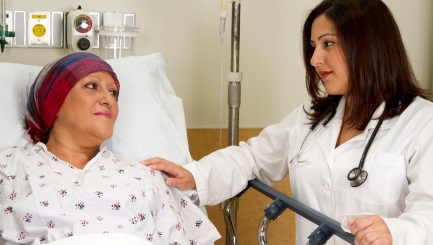
Chemotherapy is actually a very effective way of treating cancer and it can help to shrink tumours and make them very small. It can also help to stop the spread of cancer. But it is also well known as a having very drastic effects on the health of a person who has it. That’s the strange thing, people have chemotherapy to make them feel better, but in the short term it actually makes them far more ill. Chemotherapy patients generally lose their hair, have dry and sore skin and are prone to vomiting. This is generally because the therapy has trouble identifying the difference between fast-growing cancer cells and other fast growing cells such as those of your hair and skin.


So due to the problems that many people suffer with when they have chemotherapy, there is a large and growing number of people in society who are looking for alternative treatments for cancer, hoping that it can do the same good as chemotherapy does with the difficulties that come along with it. Many believe that there are holistic treatments and therapies that can do this job perfectly well. But this is where rational science has to disagree with them.


The truth is that almost all the current major holistic therapies that some people believe can help in the fight against cancer have been shown to have no measurable effect. This means that any benefit that people are getting out of them purely comes as placebo and only makes them feel better rather than making any difference in their illness. The number of people who use them merely get the feeling that they are improving because that it what they want to believe. The problem is that the cancer is still very much inside them, and the fact that they aren’t using standard treatments has only made the problem get worse more quickly.


The more that people are willing to believe these kinds of lies, the more people will get sucked in and have their lives shortened because they are denying themselves the proper treatment. It is very important to speak to your doctor before you attempt to fight cancer using any prospective treatments. They will be able to explain to you what you need to do and how the process needs to go if you are to fight cancer correctly.


There’s no denying that cancer is a major health concern, but what’s less well-known is that it can affect your wellness with nausea. Chemotherapy is the number one cause of nausea in cancer patients, as it releases drugs used to destroy cancer cells which are also toxic to healthy cells in the digestive tract, as well as releasing chemicals into your digestive tract that eventually stimulate the portion of your brain that controls vomiting and nausea. Plus, radiation therapy and other medications similarly affect your wellbeing, as well as the constipation you experience as a result of your cancer treatment. So, how can you prevent cancer-related nausea?


1. Nausea medications: As nausea is the number one reason for chemo patients giving up treatment, doctors are often quick to prescribe drugs to prevent nausea and vomiting. These drugs are known as anti-emetics and they regulate your brain chemicals so that you’re less inclined to feel nauseous. Your doctor is likely to give you these drugs before you start chemo, and you may take the treatment for several hours or days after each dose of chemo. Prevention is the best treatment for cancer-related nausea and vomiting, so it’s important to get proactive early on.


2. Anxiety medications: According to Redwing Keyssar, the coordinator of a palliative care programme in San Francisco, anxiety can also play a key role in triggering nausea. The reason for this is unknown by wellness experts, but worrying about feeling nauseated can actually make it more likely that you will feel sick, and so this begins a vicious cycle. Keyssar recommends that you speak to your doctor about medication to treat anxiety.


3. Alternative approaches: In combination with your anti-nausea medications, treatment by an herbalist specialising in Chinese herbal medicine (CHM) can make a big difference in reducing your instances of nausea and vomiting and strengthening your body to withstand chemotherapy. A recent study, published in the Annals of Oncology, found that CHM helped to significantly reduce nausea among cancer patients treated with CHM.


4. Small meals: Your food should be prepared in small, easy-to-serve portions, and you should aim to eat many small meals throughout the day rather than three large ones. Foods that are high in carbs, such as crackers and toast, can help to settle your stomach and move through your digestive system quickly. You might like to keep snacks near your bed so that you can start your day with a few bites. Another good idea is to have jars of nuts, dried fruit, small crackers, and other snacks around the house, and to eat a handful whenever you can manage it.


5. Avoid unpleasant smells: Even if you’re in the prime of health, a bad smell can make you feel incredibly nauseas. This feeling becomes magnified when you’re undergoing chemotherapy, so take steps to remove strong odours where possible. Ask the person taking care of you to move the rubbish bins to the garage and put the cat litter downstairs, and park at the curb so you don’t have to smell exhaust in the garage. Food-related smells can also set you off and make it difficult to eat, so stay away from the kitchen – outside in the fresh air, if possible – while food is being prepared. Avoid smelly foods like fish, and keep meals cool as hot foods tend to have a stronger odour.


6. Rest after meals: Activity slows your digestion which can make your nausea worse, so take a rest after eating. Don’t lie flat on your back as this can cause nausea and heart burn. Instead, sit up or lie with your back and shoulders propped up with pillows, and wear loose clothing in a cool room with plenty of fresh air.

Those battling cancer will often need to undergo various treatments which affect your body in different ways, often leaving you feeling quite drained, both physically and mentally. Chemotherapy is the most commonly associate treatment, but radiation therapy and drugs are also used. Some women find that they struggle to cope with the side effects of Tamoxifen pills, which are designed to combat the effects of oestrogen-based cancer-female/">breast cancer. Side effects which have been reported include getting lightheaded and hot flushes – some even pass out due to these effects. This can mean added stress, in addition to the emotions you’re already feeling through coping with the cancer itself. While not everyone experiences these side effects, many feel more comfortable taking an additional tablet known as Effexor to boost their energy levels.


Many find that listening to their body helps determine which treatments are most effective – some, for example, report that following chemotherapy, they feel lightheaded and have been known to pass out. It’s important during this time to be diligent with your diet, as a loss of appetite is one known risk of the chemotherapy. With so many chemicals and drugs going into your body, a strict diet is vital in order to ensure you’re filling your body with the nutrients it needs to stay as healthy as possible. Protein is important for keeping your energy levels up, so protein bars and shakes are useful to keep around the house, as it eating every two hours to refuel your body. Your immune system will take the brunt of the chemotherapy, so refuelling with healthy vitamins, minerals and protein will keep it fighting any additional illness.


Your support network of family and friends will get you through this stage in your life – don’t feel worried about leaning on them for emotional support when you need it. Many people feel as though they need to hide their illness and stay strong for others, but your health is what’s important here, so if you’re struggling you need to let people around you know. Likewise, remain positive – once the chemotherapy is over, your energy levels will start to return to normal and you’ll begin to feel like yourself again.


How Can Exercise Help With Cancer Treatment?

The Illness Diet What to Eat When You’re SickOne of the downsides to the beautiful process of pregnancy is the discomforting charm-breaker known as morning sickness. Does it always have to be so grim though?


In an interview with now-pregnant pop star Fergie, she announced that she used Chinese Herbal Medicine and Acupuncture to control her morning sickness. As any potential parent may know, morning sickness is characterised by vomiting and nausea – worse still, some things that originally may have smelt or tasted pleasant now seem completely unpleasant!


Modern research has now uncovered that acupuncture on the forearm significantly reduces nausea and vomiting, whilst herbs such as ginger (known as Sheng Jiang in Chinese Medicine) can help to control it.


The treatment is not limited just to pregnancy, but to all kinds of outside-induced nausea, such as chemotherapy, post-operative sickness and more. Discomfort caused from attempts to rid serious ailments is normal, but not a perk when the patient is attempting to recover from their ordeal. The success rate ensured the efficiency of acupuncture and herbal medicine for the control and improvement of vomiting and sickness.


The surprisingly gentle procedure on the forearm (also known as P6) not only benefits people with stomach malfunctions, but also deals with cardiac and chest pain, palpitations, stomach aches, nausea, vomiting, hiccoughs, mental disorders, epilepsy related seizures, fevers and insomnia – and that’s only half of the list!


With nausea being as bad as pain, the acupuncture is a marvel and a relief for those who are in dire need for relief, whether they are expectant mothers or otherwise. For those that are expecting, it is the difference between remaining in bed for nine months or the freedom to enjoy a healthy pregnancy as you walk down the avenue to a happy parenthood.


Well, until the baby starts crying for the fifth time that night.


Combating Morning Sickness, One Needle at a Time

chemoDoctors at Singapore General Hospital (SGH) are the first in the country to use a breakthrough method that gives new hope to women whose wellness is affected by cancer, and still want to have a child. While a woman goes through chemotherapy, the method preserves one of her ovaries by extracting it, slicing it into smaller pieces and keeping the tissue frozen for up to a few years, and then finally transplanting the tissue back into the patient’s body.


According to Dr Yu Su Ling, director of SGH’s Centre for Assisted Reproduction (Care), medical advances have improved cancer patients’ wellbeing, and led to higher survival rates, but these treatments can often bring on upsetting side effects. In women, it is common for chemotherapy to lead to early menopause, ovarian failure and an inability to have children, but, as the first patient to undergo the new procedure has found out, this doesn’t have to be the case.


The 40-year-old cancer-female/">breast cancer survivor, who only wanted to be known as Madam Tan, was already entering menopause when her ovary was replanted. However, now she has had the surgery, she has had her periods again and doctors say she should be able to conceive a child. Madam Tan, a customer service officer, said she is ‘very happy to be back to normal. If possible, I intend to have children – and I want to do it naturally.’


Madam Tan has been married for five years without having any children, having been diagnosed with cancer three years ago. Her doctor recommended orthotopic ovarian transplantation, and, in 2010, she gave it a go and her ovary was extracted and stored before chemotherapy treatment was started. Now, 12 other women at SGH, aged between 19 and 40, have had their ovaries taken out and frozen.


Using keyhole surgery, which is a minimally invasive technique where surgical instruments are inserted through small incisions in the body, your ovary is cut into thin, one millimetre strips so that the blood vessels can re-form quickly after the transplant, Dr Yu explained. The doctors then use liquid nitrogen to cool the strips to about minus 200 degrees Celsius and store them, returning them to your remaining ovary once you are free of the disease – usually at least two years later. According to Dr Yu, this procedure can help with many forms of cancer.


Does Chemotherapy Have to Mean You Can’t Have a Baby?