Showing posts with label clean. Show all posts


The water flowing into your home may not always be clean, despite all efforts by the responsible authorities to ensure it is. There have been known to be outbreaks in towns due to contaminated water. To ensure your safety, you need to make an effort to keep your water safe to drink. Some of the methods you can use to purify your water include water softeners, carbon filters, sedimentation systems, reverse osmosis, and ultraviolet light sterilizers. These methods are able to filter out most harmful particles and chemicals which could be entering your water supply. This is not always economical and you may prefer to only purify water that you actually drink. The following purification methods can be used to purify just your drinking water.


Personal Water Bottles


These bottles have an inbuilt purification system. They have a pleated glass fiber, iodinated, or carbon filter. They are therefore able to filter the water as you draw it into your mouth.


Pour-Through Filters with Pitchers


These are filters attached to pitchers. As you pour your water into the pitcher, it passes through the filter and it is purified. The water in the pitcher is therefore considered safe for drinking.


Faucet-Mounted Filters


These types of filters are mounted on your faucet. Whenever you open your faucet and water runs through, it is filtered and you can safely pour yourself a glass and drink it.


Countertop Filters


These function much like the faucet-mounted filters but are not connected to the faucet. They are used to filter only water meant for drinking and they are isolated from the main water supply. You can use them when you do not want to filter functional water, like what you use to wash your dishes with.


Refrigerator Filters


You can install this type of filter on your fridge water dispenser, if it is fitted with one. It filters water as it is drawn from the dispensing tap of the dispenser. It gives you cool and clean water.


Most of the water purifiers listed here use filters filled with carbon particles. These particles, while trapping most of the contaminants of water, do not get all of it out. Any purifier utilizing just filtration would not completely purify the water. It is therefore wise to use two or more methods to ensure your water is completely purified. A combination of a point-of-entry method together with a point-of-use system can give you more effectiveness in purifying your water.


Informational Credit to Shorty’s Plumbing & Heating Inc


During the winter months, colds and influenza are widespread, and it often seems that nobody is safe from getting sick. Cold temperatures suppress immunity, which greatly increases your risk of becoming ill. However, staying indoors where it’s warm, aside from being impractical, won’t necessarily protect you against these viruses. Most people don’t realize that their house is just as likely to be a source of illness.


While everyone understands that public surfaces harbor a plethora of germs and viruses, few people think of their own homes as potential disease vectors. In truth, there are likely illness-causing pathogens on all of the most-used surfaces in your house. This serves to highlight the importance of not only proper hand-washing habits but also regular and thorough housekeeping. Here are some of the areas of your home you should pay the most attention to this cold and flu season.


The Bathroom


Due to the nature of bathrooms, they’re one of the most germ-laden areas in your house. Bathtubs, toilet seats, flush handles, faucet taps and even the soap pump can all harbor viruses and bacteria that could make your family sick. To minimize the risk, be sure to clean all of these surfaces regularly with an antimicrobial cleaner or diluted bleach.


The Kitchen


Surprisingly, studies show that your bathroom isn’t the dirtiest place in your home. That dubious honor goes to your kitchen. Pathogens can be found on everything from your refrigerator handle to your dish sponge. Your counter tops can also present a hazard. How often do you come home from the store and set your groceries there? Chances are good that other people touched the products before you did, or that they were sitting on a dirty shelf. When these items come into contact with your counter, they’re leaving germs and viruses behind where they can get into food. To reduce your risk, wipe your counters, taps, refrigerator handle and even your soap bottle down with a mild bleach solution. You should also change out your dish rags or sponges regularly.


Electronic Peripheral Devices


The objects in your home that pose the greatest threat are the ones that are touched the most. For most people, these include peripheral devices like game controllers, keyboards, mice and remote controls. What’s more, not many people think of them as part of their routine house-cleaning circuit. The easiest way to kill germs on these surfaces is to spray them with an antimicrobial product, but rubbing alcohol and cotton swabs provide a more thorough cleaning.


Carpets


Your home’s carpets don’t just harbor dust, pet hair and debris. They also harbor airborne pathogens. Unfortunately, when you vacuum, these become tossed back into the air where they can be inhaled by you and your family. One easy solution to this is to hire a carpet cleaner like Grimebusters Ltd. A professional carpet cleaning won’t just remove more filth from your carpets than a vacuum. It will also sanitize them, killing any germs in the process.


Just because it’s cold and flu season doesn’t mean illness is inevitable. Although you can’t control the cleanliness of everything you touch, you can take steps to protect yourself at home. By following these tips and understanding the importance of a clean house, you can reduce your family’s odds of getting sick.


Are you worried about maintaining a hygienic atmosphere in your kitchen? Well here’s presenting some tips that can help you clean the room well. Paying extra attention on how you rinse and wash the kitchen can keep the bacteria way.


Counter top


What happens: While you are baking a cake, you might spill some egg batter on the counter top and there is a possibility you don’t wipe the area well. Later you make yourself a turkey sandwich right there on the unclean surface.


Solution: Opt for a disinfecting spray after cooking any food. Choose a product that claims a 99.9 percent germ kill as this will keep the bacteria away.


Chopping board


What happens: The board is used to cut soft or hard pieces of vegetables as well as roast beef.


Solution: Wash the board with hot soapy water and rinse. Also spray the board with one teaspoon of bleach mixed with 16 ounces of water. Wash the board nicely in hot water of keep it in the dishwasher on high. Opt for a plastic or a glass board. Discontinue the usage of board if it has lot of knife cuts. If you prefer using a wooden one, see to it that your dishwasher has been treated with micro-ban, an antimicrobial compound.


Knife block


What happens: You are using a knife to cut a fish or meat. As soon as you are done chopping you wet the knife with water and keep it back in the block. This will cause mold that grows in less than a two days time.


Solution: Scrub the knife with soapy water or use the dish cleanser liquid. Hot water is preferable. Dry the knife properly with a cloth and keep it back in the block. You can also keep the knives in a drawer or a magnet strip.


Faucet filter


What happens: While you are preparing food, you may throw a dirty rag at the faucet or spill some food over there. In that case your faucet is attacked by bacteria. If you are using hard water, lime scale residue can also appear.


Solution: Once a week, soak the filter in white vinegar.


Sponge


What happens: You use the sponge to wipe almost everything from meat juices to small tidbits. You might keep it on the edge of your sink or in its holder.


Solution: Keep your sponge germ free by soaking it in water and bleach. You can also keep the sponge in a bowl of water and warm it in a microwave for 2-3 minutes. Don’t use this trick for a metal scrubber sponge.


Dish towel


What happens: Salmonella alert! While you are busy making a delicacy, you might rinse your hands on the dish towel right after cleaning or washing chicken pieces.


Solution: While you are cooking a raw meat, opt for paper towels and dispose them. Wash your hands immediately with water using soap.


Sink


What happens: All the utensils rinsed in the sink leave behind veggies or meat substances like blood or juices, a perfect environment for bacteria to grow.


Solution: Rinse the sink with bleach and water right after you cook. Especially if raw meat, poultry or eggs on the menu for the day.


The leftovers


What happens: You might get involved in cleaning the kitchen and the rest of the food is sitting right there.


Solution: After a meal, place the leftover food in the refrigerator. Bacteria grow faster between 40 to 140 degrees. See to it that the hot food kept outside cools down to less than 40 degree. While reheating the food, make sure the temperature goes beyond 165 degrees.

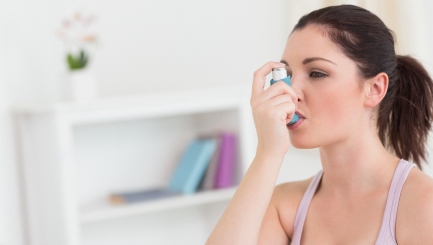
asthma homeHaving a clean house may be the most important step you can take for reducing your asthma. Health experts have now warned that it is crucial for effective management of the condition to make sure that the air you are breathing is as clean as possible. Not only will this benefit your general wellbeing, but will also help to reduce the symptoms of allergies and asthma.


This latest advice has been produced by the Allergy & Asthma Network Mothers of Asthmatics (AANMA), an organisation dedicated to reducing suffering and deaths caused by asthma and other similar conditions. This non-profit organisation has also put forward a number of tips to help people improve the wellness of asthma sufferers in their home.


The number one tip on their list is to eliminate all smoking from your home. This includes asking visitors not to smoke whilst in your house.


As mould can be a key contributor to the flare up of asthma, the organisation advises that you search your home for mould, looking in places you might not normally check such as underneath sinks, around showers, on your windowsills and in areas where laundry is done, as these areas may be damp. Dehumidifiers can help to resolve this problem.


Airing your bedrooms can also help. To do this, you need to open all windows, wash the curtains, launder all the bed linen and have a good clean around.


They also recommend purchasing a High Efficiency Particulate Vacuum (HEPA). These are designed with special filters that prevent any allergens or dust you have collected from blowing back into the air during cleaning.


If you have air conditioning in your home, it is also vital that you replace the filters as often as possible. You should also aim to invest in a good quality air conditioner that actually removes allergens rather than simply cooling the air.


Warning: Your House Could Be Giving You Asthma