Showing posts with label sperm count. Show all posts


It’s a general fact that exercise is essential to your lifestyle, whether you are the daily jogger, the gym-buff or the weekend warrior. With healthy, grinning faces boasting an amount of weekly calories burned away and muscles that could dent a car, there hardly seems to be a downside to it.


Naturally, sex and fertility hardly ever seem to play a part in exercise – but too much of a good thing can be a very terrible extreme.


Ladies want the sexy curves to go with that impossibly daring outfit, but it never hurts to look after yourself in the meantime!


For women of average weight, there is the issue of Amenorrhea: a delay in the menstrual cycle that lasts for more than three months. Long-term, excess exercise combined with not enough food is sometimes the cause of this, which can then affect your fertility in the long run. To avoid it, consider a greater intake of calories if you do not wish to lessen the amount of training that you do.


In other cases, it should be noted that obesity can affect your fertility when your body becomes overheated – on the other side of the scale, exercising for a long duration can also affect the oestrogen levels.


Men are not entirely out of the picture though. Some may love a grubby man who can flex, lift and sort out their carburettor, but long-term, exhaustive exercises can lessen the sperm count, as well as your likelihood to conceive. Arguably, heavy-resistance training can increase testosterone, which can then have a chain-effect on other hormones – fertility included.


Does this mean chucking out the running shoes altogether?


Far from it!


Instead, like your diet, work out in moderation and don’t be too vigorous – any exercise still maintains your muscles – as long as you keep note of what you’re doing and how much you’re doing; there will be a chance to have a healthy family, as well as a happy body without pushing yourself too far.


The post Is Overexercising Affecting Your Sperm Count? appeared first on .


It’s a general fact that exercise is essential to your lifestyle, whether you are the daily jogger, the gym-buff or the weekend warrior. With healthy, grinning faces boasting an amount of weekly calories burned away and muscles that could dent a car, there hardly seems to be a downside to it.


Naturally, sex and fertility hardly ever seem to play a part in exercise – but too much of a good thing can be a very terrible extreme.


Ladies want the sexy curves to go with that impossibly daring outfit, but it never hurts to look after yourself in the meantime!


For women of average weight, there is the issue of Amenorrhea: a delay in the menstrual cycle that lasts for more than three months. Long-term, excess exercise combined with not enough food is sometimes the cause of this, which can then affect your fertility in the long run. To avoid it, consider a greater intake of calories if you do not wish to lessen the amount of training that you do.


In other cases, it should be noted that obesity can affect your fertility when your body becomes overheated – on the other side of the scale, exercising for a long duration can also affect the oestrogen levels.


Men are not entirely out of the picture though. Some may love a grubby man who can flex, lift and sort out their carburettor, but long-term, exhaustive exercises can lessen the sperm count, as well as your likelihood to conceive. Arguably, heavy-resistance training can increase testosterone, which can then have a chain-effect on other hormones – fertility included.


Does this mean chucking out the running shoes altogether?


Far from it!


Instead, like your diet, work out in moderation and don’t be too vigorous – any exercise still maintains your muscles – as long as you keep note of what you’re doing and how much you’re doing; there will be a chance to have a healthy family, as well as a happy body without pushing yourself too far.


The post Is Overexercising Affecting Your Sperm Count? appeared first on .
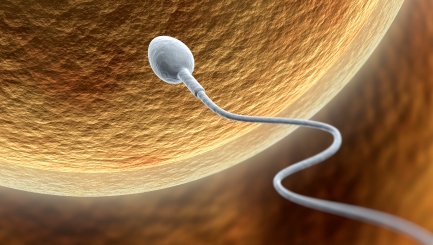
Having a low sperm count not only affects your sexual health, it can really take its toll on your emotional wellness. However, the best thing to do is to try to determine what’s causing your low sperm count, so that you can protect your wellbeing against any underlying medical factors that may be depleting your sperm. So, what has made your guys stop swimming?


1. Varicocele: Pronounced VAR-ih-koe-seel, varicocele causes your veins to swell and this drains your testicles. As a result, your testicles can’t cool as they normally would, leading to reduced sperm count and fewer moving sperm.


2. Infection: Infections lower your sperm count in two ways; either they interfere with the production or health of sperm, or they cause scarring which blocks the passage of sperm. Infections to get tested for include sexually transmitted infections (STIs) – such as chlamydia and gonorrhoea – prostatitis (inflammation of the prostate), mumps orchitis (inflamed testicles due to mumps); and other infections of the urinary tract or reproductive organs.


3. Ejaculation problems: Some conditions and medications cause your semen to enter your bladder during orgasm instead of emerging out of the tip of the penis (retrograde ejaculation). Causes of this include diabetes, bladder surgery, prostate surgery, urethra surgery, spinal injuries and blood pressure medications (alpha blockers).


4. Sperm-attacking antibodies: These immune cells make the mistake of identifying your sperm as harmful invaders, and attempt to destroy them in order to protect your body. These well-meaning but misguided antibodies are more common in men who have had a vasectomy.


5. Tumours: There are many ways in which having a tumour can alter your sperm count. Whether it is cancerous or non-malignant, a tumour can directly affect your reproductive organs, or they can tamper with the glands that release hormones related to reproduction (such as the pituitary gland). On top of this, your fertility may be affected by the surgery, radiation or chemotherapy used to treat your tumours.


6. Undescended testicles: When you’re a foetus, your testicles descend from the abdomen into the sac that normally contains the testicles (scrotum). However, sometimes this doesn’t happen during foetal development – either to one or both testicles – and this can lower your sperm count and cause decreased fertility.


7. Hormone imbalance: In order to create sperm, your hypothalamus, pituitary and testicles need to produce hormones. However, when these hormones are altered – for whatever reason – your sperm production may become impaired.


8. Sperm duct defects: Your sperm ducts are the tubes that carry sperm, but illness or injury can damage these ducts. You may have been born with a blockage in the part of the testicle that stores sperm (epididymis) or a blockage of one of the tubes that carry sperm out of the testicles (vas deferens). In fact, if you have an inherited condition like cystic fibrosis, you may be born without sperm ducts altogether.


9. Chromosome defects: Your reproductive organs can develop abnormally if you have an innherited disorder such as Klinefelter’s syndrome. This means you’re born with two X chromosomes and one Y chromosome instead of one X and one Y. Other genetic syndromes associated with infertility include cystic fibrosis, Kallmann’s syndrome, Young’s syndrome, and Kartagener syndrome.


10. Celiac disease: Although this gluten-sensitivity digestive disorder can cause male infertility, you may be able to up your sperm count if you adopt a gluten-free diet.


11. Certain medications: There are a lot of medications that can impair sperm production and decrease your fertility. These include – but are not limited to – testosterone replacement therapy, long-term anabolic steroid use, cancer medications (such as chemotherapy), certain antifungal medications, and some ulcer medications.

Diet impacts a large proportion of your health and bodily functions, but what many men aren’t aware of is that it can also affect your sperm count. A new study has shown that carbohydrates and dairy can lower the quality of his sperm – the more he eats, the lower the quality gets. In two other similar studies involving IVF, it was discovered that women who lowered their carb intake whilst upping the amount of protein they ate actually increased their chances of getting pregnant. The studies did show a connection between diet and fertility, but they didn’t prove any cause-and-effect links. The research for IVF was carried out by Dr J.B Russell at the Christiana Care Health System in Newark, Del. The sperm studies were carried out by Dr Jorge Chavarro and Myriam Afeiche, at the Harvard School of Public Health. New studies have shown that there seems to be a downward trend in sperm counts throughout the world for the entire 20th century, and this looks to be continuing into the 21st century as well. The effects of this are not yet clear, but it could well have a detrimental effect. One of the proposed hypotheses is that the exposure to environmental factors, such as environmental oestrogens, could well be the culprit. Obesity is also an important factor, being responsible for many health problems, including fertility.


The carb study involved just under 200 active and healthy men aged between 18 and 22, most of whom were white. The dietary analysis showed that the carbohydrate intake of these men accounted for almost half of all of their calories consumed. However, the carb intake didn’t seem to affect the sperm’s shape or mobility. The more they consumed, however, the lower the overall sperm count was. Where dairy is concerned, the research team noted that the sperm shape was less likely to be normal in comparison to the carb group the more dairy they ate. They noticed that in participants who ate full-fat dairy products, such as cheese, cream and whole milk, the connection was especially strong. The sperm count and movement didn’t appear to be affected by the relationship though. Chavarro stated that the results were still relevant when body weight, alcohol and caffeine consumption, and smoking history were taken into account.


The two other studies involved women undergoing In Vitro Fertilisation. 120 women were first asked to filled out a three-day dietary diary before they had any IVF treatments. Researchers noted that those with a high protein and low carbohydrate intake had a better chance overall of being successful when the egg was fertilised and later becoming pregnant. In a smaller study of just 12 women, who had already tried and failed to become pregnant through IVF, the dietary analysis took place again. When counselled to up their protein and lower their carb intake, there was better success rates across the board. The studies offer a significant body of evidence to suggest that our diets play a bigger role than first thought in the success rates of pregnancy, and of keeping the reproductive organs healthy. Naturally, a healthy and balanced diet is important in any person, so as to keep the organs and bodily processes working efficiently and to maintain a healthy weight. If you’re concerned about your ability to get pregnant, you should seek medical advice from your GP before making any drastic dietary changes, in order to ensure that it is safe for you.


It’s a general fact that exercise is essential to your lifestyle, whether you are the daily jogger, the gym-buff or the weekend warrior. With healthy, grinning faces boasting an amount of weekly calories burned away and muscles that could dent a car, there hardly seems to be a downside to it.


Naturally, sex and fertility hardly ever seem to play a part in exercise – but too much of a good thing can be a very terrible extreme.


Ladies want the sexy curves to go with that impossibly daring outfit, but it never hurts to look after yourself in the meantime!


For women of average weight, there is the issue of Amenorrhea: a delay in the menstrual cycle that lasts for more than three months. Long-term, excess exercise combined with not enough food is sometimes the cause of this, which can then affect your fertility in the long run. To avoid it, consider a greater intake of calories if you do not wish to lessen the amount of training that you do.


In other cases, it should be noted that obesity can affect your fertility when your body becomes overheated – on the other side of the scale, exercising for a long duration can also affect the oestrogen levels.


Men are not entirely out of the picture though. Some may love a grubby man who can flex, lift and sort out their carburettor, but long-term, exhaustive exercises can lessen the sperm count, as well as your likelihood to conceive. Arguably, heavy-resistance training can increase testosterone, which can then have a chain-effect on other hormones – fertility included.


Does this mean chucking out the running shoes altogether?


Far from it!


Instead, like your diet, work out in moderation and don’t be too vigorous – any exercise still maintains your muscles – as long as you keep note of what you’re doing and how much you’re doing; there will be a chance to have a healthy family, as well as a happy body without pushing yourself too far.


Is Overexercising Affecting Your Sperm Count?

sperm diabetesIf you want to get pregnant, winter and early spring is the best time to guarantee healthy sperm, according to Israeli researchers.


A team from Ben-Gurion University of the Negev in Beer-Sheva uncovered the seasonal pattern when they analysed samples taken from more than 6,000 men who had been treated for infertility and discovered that the sperm produced in winter and early spring was more abundant, had faster swimming speeds and fewer abnormalities. They detected that, as the seasons progressed, sperm steadily declined in quality.


The research team, reporting in the American Journal of Obstetrics and Gynaecology, said their findings could explain why there are more babies born during autumn than at any other time of year. Their findings could also be crucial in helping couples who have problems conceiving naturally and have sought fertility treatments.


The study revealed that the healthiest sperm was produced in winter among men whose sperm production was considered normal. On average those men produced about 70 million sperm per millilitre in winter with around 5% having “fast motility” to aid conception. This compared to 68 million sperm per ml later in the year when only 3% were fast.


Men whose sperm counts were considered abnormal or low did not show the same pattern. Their sperm motility was better during autumn with sperm counts higher during spring.


The study recommends that men with normal sperm counts who are struggling to conceive with a partner should concentrate their efforts in winter, while men with an abnormal sperm count should focus on autumn and spring.


Studies into animal reproduction have revealed similar patterns, which are explained by temperature changes and hormone changes but there has been no research to date into such patterns in humans.