Showing posts with label Omega. Show all posts

There are certain words and terms that we can’t help but associate with being bad for our health. Just think about the words ‘fat’ and ‘oil’ – they are undoubtedly what could be described as ‘bad words in the sense that we attribute them as being universally bad for our health. While it is true that fat and oil is generally something that you never indulge in or eat too much of, it’s also true that they are an essential part of our diet and that we actually need some fats and oils in our systems to do some very important work.


So it is clear that sometimes our perceptions of words and necessarily the truth about them. And the truth is that while the health conscious might see the words fat and oil and shun them away, they would be wrong to think that they can do you no good. In fact the truth is that some oils are actually very good for us and can be genuinely beneficial to our health. Certainly this is the case with fish oil. You’ve probably heard of fish oil tablets or even seen them in your health shop or supermarket – they are very much championed as an excellent thing for our health. But do you really know the health benefits of taking them or just eating fish and getting fish oils the natural way? Let’s have a look at the benefits now.


Essential fatty acids (EFAs) are a genuinely important part of our diets and they can be broken down into two sub categories: omega-3 EFAs and omega-6 EFAs. While both are good for us, it has been revealed by research that ingesting too much omega-6 EFAs can cause inflammation, blood clots and even tumour growth. However, there have been no such findings in omega-3 EFAs. Omega-6 EFAs are generally found in vegetable oils, while omega-3 EFAs are found in fish oils, amongst other foodstuffs.


This means that the healthiest EFAs that you can get come in the form of omega-3. If you are not a fish eater, then you’ll be pleased to know that you can get your omega-3 from other foods such as pumpkin seeds, avocado and a number of different types of berries. It’s also true that fish oil and omega-3 EFAs can have a number of other health benefits that you may not be aware of.


They are great for the health of your heart. Clearly heart health is something that we need to take very seriously – it is one of the most important parts of our bodies, and we need a healthy heart if we want the rest of us to remain in a healthy state. There was a study that took place in Greece, to see if there was a direct relationship between having a diet that was high in fish and omega-3 EFAs and inflammation of blood vessels. The result of the study showed that people who ate more fish than the others had a lower level of C-reactive protein and interleukin-6. These are factors that are commonly used to measure likelihood of blood vessel inflammation – and clearly show that it is healthier for your heart to get plenty of omega-3 EFAs.


It has also been shown in studies that children who take fish oil supplements are more likely to be able to combat asthma. Asthma is a common childhood condition and if your child suffers from it, it’s a great idea to get them to take fish oil supplements and fight the symptoms off for good.

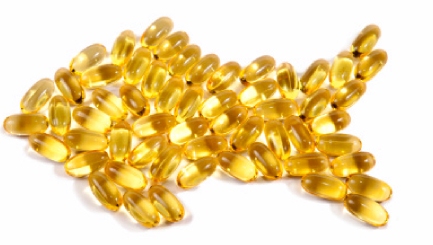
You are probably the sort of person who is invested in their own wellness and well-being. Perhaps you eat healthy and exercise daily. You may even take vitamins, minerals and supplements on a regular basis. But what if we told you that this daily vitamin pill could actually be damaging your health?


Vitamins are a big business, ranging from liquid vitamins for babies, chewable vitamins for children and then a whole range of vitamins for adults, tailored for specific health problems, such as high doses of vitamin C for those who are suffering problems with their immune system, essential oils for those struggling with illnesses of the joints and vitamins tailored for men and women going through various stages of life (such as exercising healthily or going through menopause).


The data, however, has shown that many types of vitamins and supplements can be harmful to your health. Fish oil capsules, for example, have now been linked to increased incidents of prostate cancer, which is devastating news for the millions of people who take fish oil capsules on a daily basis in an attempt to help ease their joint pain, improve the health of their heart and fight against mental decline.


Carried out with more than 2,000 men, the study showed that men who had high levels of omega-3 in their blood samples were around 71 percent more likely to contract the most serious and lethal form of prostate cancer, and 44 percent more likely to get the milder kind, too.


It’s not just omega-3; researchers have found that multivitamins may also be doing more harm than good. For a start, there is very little evidence that multivitamins or vitamins of any kind have a significant effect on protecting you against any diseases, whereas further research seems to indicate that taking multivitamins can lead to premature death.

It’s well established that fish is an irrefutable vital source of omega-3 essential fatty acids (EFA). These are the “good” fats that your body needs to stop blood clots, maintain fluid in your cells and reduce inflammation, pain and swelling throughout your body. With omega-3s doing all of that for your wellbeing, you’d think they could put their feet up, have a cup of tea, and leave it to something else to improve your wellness in other areas – but omega-3s still have a little something extra up their sleeve (if, you know, fish had sleeves…)


Oily fish is a natural anti-ageing product, which could help you to ditch expensive creams and treatments and keep you looking beautiful from the outside in. The quality of your skin reflects what’s going on inside your body, and so just treating bad skin with a moisturiser isn’t enough – anti-ageing wellness is more than skin deep. Eating fish takes care of your internal health, and fish oil can also help to reduce dryness in your skin. Consuming fish oil gives your body the essential oils it needs to soothe and reduce blemishes, such as spots and scars.


Your body cannot produce EFAs, and so you need to consume them through fish oil in order to get the skin repair, moisture content, and overall flexibility that you deserve. As an added bonus, fish oil makes your nails look smoother and stronger, and gives your hair an appearance of lustre, healthiness and shine. Fish oils have also been shown to help in weight loss. White fish is low in calories, high in protein and very low in fat, and research shows that this kind of fish is therefore super-healthy and very good for weight control. Try replacing some of the red meat in your diet with white fish, and your waistline will thank you.


Finally, when you’ve sorted your skin and lost all that weight, you’re going to need to tone up your muscles. Luckily, fish can help with this too! Omega-3s are the best kind of fat for muscle toning, and it helps to speed up your body’s ability to burn fat. The protein levels of fish also help you to feel full, so you’ll take in fewer calories and burn more. These proteins also are a vital part of your body’s generation of amino acids, which you need to rebuild your muscle tissues after the wear and tear of a workout.


How to Look and Feel Younger with Omega-3 Fatty Acids


According to a survey by the National Centre for Health Statistics and the National Centre for Complimentary and Alternative Medicine, omega-3 fatty acid supplements are the most common non-vitamin, non-mineral natural product taken by adults these days. This statistic is hardly surprising when you think about how many wellness experts and health organisations, as well as the mainstream media and Internet supplement makers, extol the wellbeing benefits of omega-3s, but what’s all the fuss about?


There are two omega-3 fatty acids, which are polyunsaturated fatty acids found in seafood, such as fish, krill, and calamari. These acids are known as EPA (eicosapentaenoic acid) and DHA (docosahexaenoic acid), and the highest sources of them can be found in cold water, fatty fish, such as salmon, mackerel, herring, lake trout, sardines and albacore tuna. Research has consistently shown that fish eaters are less likely to die from coronary heart disease, and omega-3s are thought to be the reason why.


However, studies have also linked EPA and DHA to other benefits, ranging from brain health to improving psychological disorders and treating arthritis. Yet, omega-3s really shine when it comes to heart health. EPA and DHA help to reduce your triglyceride levels and blood pressure, slightly raise your levels of HDL (“good”) cholesterol, provide blood-thinning benefits, slow your progression of atherosclerosis (which leads to heart disease), and reduce your risk of sudden death due to cardiac arrhythmia.


So are omega-3 supplements just as good as eating fish? The American Heart Association prefers a food-based approach to increasing intake, but supplements still have their place. According to Roberta Anding, MS, RD, Director of Sports Nutrition at Baylor College of Medicine/Texas Children’s Hospital, ‘Studies have found benefits for both fish and fish oil. If an individual does not like fish, then clearly the supplement form is a better option.’


She adds that fish can contain mercury, which is detrimental to wellness, noting ‘Additionally, it is cold water fish that contains the omega 3 fatty acids EPA and DHA, so eating tilapia from the Gulf (of Mexico) is not the same in (omega-3) content as wild Alaskan salmon.’ However, it’s best to get your omega-3s from dietary sources if you can, and consult your doctor before moving on to supplements.


Why Are People So Crazy About Omega-3 Fatty Acids?


Omega 3 fatty acid is very important for your health, and is available in food and in vitamins, minerals and supplements. It helps to maintain your wellness and wellbeing by helping to keep your brain and body healthy by reducing inflammation and keeping the system functioning as quickly as possible.


Oily fish such as mackerel, salmon and sardines and game such as venison and buffalo are good sources of omega 3 fatty acids, but if you are not getting enough of this type of food in your diet, you could be in trouble, as your omega 3 stores will be depleted.


There are, however, other types of foods that contain omega 3, so you can look out for these and aim to include them in your diet, too.


Algae oil, for example, is a good choice for vegetarians who cannot get omega 3 into their diet through fish and game. This can be available in capsule form.


Krill oil comes from a shrimp-like crustacean and can either be ingested through eating krill, or in supplement form, which you can purchase over the counter at most health food shops.


Flaxseed oil is another great source of omega 3 fatty acids, and it too is suitable for vegetarians. In addition to supplying a great source of omega 3, flaxseed oil also contains a very similar substance to female oestrogen in the form of plant oestrogens, and this can be beneficial to women who are experiencing the menopause.


Cod liver oil contains vitamin A and vitamin D as well as omega 3 fatty acids, and is a great daily supplement for maintaining wellbeing.


What Foods Are The Best Source of Omega 3 Fatty Acid?


Omega 3 fatty acid is very important for your health, and is available in food and in vitamins, minerals and supplements. It helps to maintain your wellness and wellbeing by helping to keep your brain and body healthy by reducing inflammation and keeping the system functioning as quickly as possible.


Oily fish such as mackerel, salmon and sardines and game such as venison and buffalo are good sources of omega 3 fatty acids, but if you are not getting enough of this type of food in your diet, you could be in trouble, as your omega 3 stores will be depleted.


There are, however, other types of foods that contain omega 3, so you can look out for these and aim to include them in your diet, too.


Algae oil, for example, is a good choice for vegetarians who cannot get omega 3 into their diet through fish and game. This can be available in capsule form.


Krill oil comes from a shrimp-like crustacean and can either be ingested through eating krill, or in supplement form, which you can purchase over the counter at most health food shops.


Flaxseed oil is another great source of omega 3 fatty acids, and it too is suitable for vegetarians. In addition to supplying a great source of omega 3, flaxseed oil also contains a very similar substance to female oestrogen in the form of plant oestrogens, and this can be beneficial to women who are experiencing the menopause.


Cod liver oil contains vitamin A and vitamin D as well as omega 3 fatty acids, and is a great daily supplement for maintaining wellbeing.


What Foods Are The Best Source of Omega 3 Fatty Acid?

Supplements can be a great thing. They can help you find balance in your diet and make sure you’re getting everything you need to keep your wellness at the highest possible levels. As supplements tend to be very specific you need to take some care with them. It’s like tweaking with a car. You could unplug a windscreen wiper or deflate a tyre and car would still run. If you went into the engine and removed a component or put windscreen washer fluid in the oil chamber, you’d damage or destroy the car. You’re the same, eat a bit too much of something and the effects won’t be too staggering but should you start tweaking with the things which make you tick you might have more of an effect than you meant to.


We don’t understand a lot of supplements 100%. For a long time consuming fish oil tablets, full of omega fatty acids was thought to be very good for your heart and your brain. Fish has long been known as brain food and while it’s certainly true that the natural consumption of fish can boost your brain function and protect your heart, supplements may not. It turns out that eating an excessive amount of the omega fatty acids interfered with the functioning of the gastrointestinal system.


This is the thing with our bodies, they need a balance. We’re incredibly complex machines and without the right balance of things we simple don’t function. The things which are the very best for us are only that good for us in the right quantities. Everything is poisonous if we consume too much of it and the more potent the thing we’re consuming the more dangerous is has the potential to be! Always take care when you’re putting something into your body, your health has to come first.


Fish Oil Supplements Could Be Dangerous