Showing posts with label Shoes. Show all posts

Triathletes are becoming more and more popular as a sport, but if you’ve never attempted one before they can be a little daunting. There are a number of reasons why people get involved with triathlons, from enjoying the variety, wanting a new challenge or wanting to develop skills in a number of sports that they already have a basic level of skill in already. There’s plenty of time left to train for a triathlon, but where should you begin? There are a number of different things you can do to make your triathlon go that little bit more smoothly. Here are some tips to help you train more effectively, improve your confidence and help you get the most out of your training.


Go short before going long


One of the most famous triathlons in the world is the Ironman World Championships, which is an award-winning competition which consists of a 140.6 mile event in total – 2.4 miles of swimming, 112 miles of cycling and 26.2 miles of running. This is more than any first-timer should attempt though. If you’re new to triathlons, you should begin with a shorter sprint-distance event (400 to 500 yards of swimming, 11 to 15 miles of cycling and just over 3 miles of running).


Stay close to home


For the first race, you need to take it easy so pick an event that’s close to home. This will reduce race-day stress and the hassle of being exhausted from travelling. You can also do some of your training workouts on the course, helping to increase your confidence when it comes to the big day. Anything that helps to improve your state of mind for race day is advisable, particularly when you’re new to this kind of race.


Just a swimsuit and goggles for the swim


If you don’t own a wetsuit or are inexperienced in open water swimming, you should select an event where you will not need a wetsuit such as one which takes place in a pool. If your event does require a wetsuit, you may be able to rent one from some retail stores. A good pair of goggles and a swimsuit made for lap swimming, not just for sunbathing, will help you with the swim portion of your event.


Your bike is fine


The bike you’re currently riding is just fine for training, whether it’s a road bike, a mountain bike or a hybrid. The majority of people complete their first triathlon on a borrowed bike – just make sure that the bike is a correct fit for you and that it’s in good working order. Make sure the tires are in good order and the cables aren’t frayed. Most races have a support motor vehicle (also known as sag support) following the race to pick up riders unable to complete the bike leg for one reason or another, but it is best that you know how to change a flat tire for training and race day, just in case.


You need running shoes


Unlike your bike, your shoes do need to be appropriate for the race – you need running shoes specifically. It’s advised that you go to a specialist sport store and have an expert help you pick out a good pair of running shoes so that you can get the right fit for your feet and gait when you walk. A proper fit is important for your race so that you’re not wearing anything too tight or loose when you’re running, so make sure that you spend some time choosing the right pair of running shoes for you.

Every runner should understand how important it is to keep their feet protected with high-quality running shoes in order to avoid injury. However, not every runner knows the signs that they need to pick up a new pair. These three tell-tale signs of wear are your cue to invest in a new pair of running shoes.


Track Your Mileage


Many runners track their mileage for personal reasons. Doing this can also help you know when it is time to replace your shoes. Most podiatrists recommend replacing running shoes every 400 to 600 miles, but this figure depends on a variety of different factors. According to Dr. Thomas Rambacher, every time you take a stride while running, the force is equal to three times that of your body weight. If your shoes are not absorbing the impact properly, you can experience foot, ankle, leg, and even hip injuries as a result. It is important to take your weight, stride, and speed into account, as well as the type of terrain you run on. A heavier person will naturally create more impact while running than a lighter individual. Thus, they would need to replace their shoes more frequently.


Inspect the Midsole


The midsole of a running shoe provides much-needed cushion to your feet, and protects the fragile bones in them from damage. If you take a look at the side of the midsole, you may notice a few wrinkles or lines, which are considered normal signs of wear. However, if there are many lines present, and overlapping ones, it is time to get new running shoes. Too many wrinkles and lines mean that your midsole is thoroughly worn and is no longer able to cushion your feet effectively.


Don’t Ignore Pain


Many runners ignore foot pain, assuming that it naturally occurs after a run. While this common belief does have some truth to it, your shoes also play a big role. If you are experiencing more discomfort than usual, your shoes may be the culprit. Try on different styles of running shoes, and compare the difference in how your feet feel to your old pair. If the support and level fo comfort is noticeable, it’s time to invest in a new pair of running shoes. A podiatrist can help you find the right type of shoes based on your arch, build, and other needs.


Every runner relies on their shoes to keep their feet protected. However, when your shoes are running low on life, you can be putting yourself at a higher risk of injury. Determine when you need to invest in new shoes with these strategies.

Fitness can be a minefield, especially when you’re starting out. Before you lace up your first pair of running shoes, you’d think that there’d be nothing more to running wellness than throwing on your trainers and running, but that isn’t the case. There are hundreds of tips and tricks out there to get the most out of your performance, as well as guarding your wellbeing against injuries. However, before you go crazy trying to find them, you need look no further than below this paragraph! Here are the best tips we could find for running beginners:


1. Take up the challenge: According to runner and writer Dr. George Sheehan, ‘Everyone is an athlete. But some of us are training, and some of us are not.’ If you decide to take up running, actually get out there and run! Motivating yourself to do the first few runs is hard, but once you catch the bug it will get much easier to make yourself run.


2. Get the heart benefits: Aerobics pionner Dr. Kenneth Cooper notes, ‘Running eight to 15 miles per week significantly increases your aerobic capacity, and positively affects many of the coronary risk factors.’


3. Work on your minutes, not your miles: ‘The biggest mistake that new runners make is that they tend to think in mile increments – one mile, two miles, three miles,’ says Budd Coates, four-time U.S. Olympic Marathon Trials qualifier/coach. ‘Beginning runners need to think in minutes, not miles.’


4. Wear good running shoes: ‘Spend at least $60,’ instructs John Hanc, author of The Essential Runner. ‘A good pair of running shoes should last you 400 to 500 miles and is one of the most critical purchases you will make.’ Ted Corbitt, ultrarunner and 1952 Olympic marathoner, adds, ‘Buy all shoes, both street and running, slightly longer and wider than your bigger foot. Also, avoid pointed shoes. You’ll save yourself needless foot pain.’


5. Let your body dictate your diet: Joan Samuelson, 1984 Olympic marathon champion, enthuses, ‘If you feel like eating, eat. Let your body tell you what it wants.’


6. Keep it loose: Exercise physiologist Dave Martin, PhD, advises, ‘When running, let your jaw hang loose, don’t bunch up your shoulders close to your ears, and occasionally shake out your hands and arms to stay relaxed.’


7. Every little helps: ‘So-called ‘junk miles’ – those slow miles done on easy days or during warm-ups – do count,’ asserts runner and coach Hal Higdon. ‘They burn calories as effectively as fast miles; it just takes longer. Regardless of pace, each mile you run burns about 100 calories.’


8. Learn from your mistakes: Sir Roger Bannister, the first man to break four minutes for the mile in 1954, recalls, ‘You find out by trial and error what the optimum level of training is. If I found I was training too hard, I would drop back for a day or so. I didn’t run for five days before the sub-four.’


9. Don’t follow ALL the rules: ‘In training, don’t be afraid to be an oddball, eccentric, or extremist,’ Benji Durden, 1980 US Olympic marathoner, comments. ‘Only by daring to go against tradition can new ways of training be learned. The trick is recognising quickly when a new approach is counterproductive.’


10. Grab fast, low-fat fuel: ‘Energy bars are good portable food for runners,’ says sports nutritionist Liz Applegate, PhD. ‘Look for bars with four grams of fat or fewer per 230 calories. Fat slows down digestion.’


11. Get a goal and go for it: Bob Greene, personal trainer of Oprah Winfrey, explains, ‘I believe in using races as motivators. It’s hard to keep on an exercise programme if you don’t have a significant goal in sight.’

Running – it’s something that seems so simple until you start doing it regularly and then it becomes slightly more tricky. The hardest part about running is that you need a lot of motivation and determination to keep up the pace, which some people find difficult to keep up when they’re on their own, putting one foot in front of the other time and time again. So what do you do to stay focused? You use the knowledge and wisdom of people who’ve been there and done it. Here are some of the best bits of advice from runners past and present who have battled the hardest parts of their own running workouts to provide worthy advice.


Aim for the minimum, then improve on it


Running between 8 and 15 miles each week significantly increases your aerobic capacity, meaning it has a positive effect on many of the coronary risk factors and can maintain the basic level of fitness each week. On the weeks where you’re short of time or don’t feel up to a full workout, this should be your basic level of running capability.


Be a minuteman


The most common mistake that runners make is that they think in mile increments, such as one mile, two miles, etc. But if you’re beginning as a runner, you should be thinking in terms of minutes, not miles. This makes it easier to build up slowly and can improve your ability far more effectively.


Wear the right sort of shoes


Running shoes aren’t an area to skimp on if you’re planning on running regularly and far. A good pair of running shoes should last you around 400 to 500 miles, and is one of the most vital purchases you’ll make in your running career as they stave off injury, support your feet and ankles, and ensure that you’re comfortable the whole journey.


Think big every time


On the same topic as previously mentioned, you should buy all of your running shoes slightly longer and wider than your bigger foot. You should also avoid pointed shoes. This will give your feet space to move and avoid any unnecessary foot pain.


Take the ‘talk test’


This basic ‘talk test’ basically means running at a pace comfortable enough that you can talk to your training partner easily, but not so easily that could converse for a long time without any worry. You should be suitably out of breath, but not hitting your max every time.


Listen to your body around mealtimes


If you’re hungry, you should be eating. You need to give your body what it wants, and when you’re working out a lot,you’ll be in need of sustenance. So listen to your body when it’s telling you that you need more food.


In fact, listen in general…


When you’re running, you should listen to your body – this means if you’re feeling tired or the burn is creeping up on you, ignore it and keep moving. But if you’re in pain, stop immediately.


Create your own creed


Your method should be simple – run slowly, run daily, drink moderately, and don’t overdo it at mealtimes. These simple mantras will keep you on the right track, both in terms of health and in terms of your running method.


Relax on the road


When you’re running, let your jaw bone hang loose and don’t hunch your shoulders up to your ears. Shake out your hands and arms to ensure that you don’t tense up – you need to stay relaxed at all times.

Running is one of the most effective and popular exercises ways to stay in shape and burn off calories. However, it can create strain on the muscles and joints of the lower body, making injuries a common occurrence among runners. Here are 5 tip to keep you running injury-free throughout 2014.


1. If It’s Painful, Stop


If you experience any discomfort during your run, stop immediately before the pain gets worse. Your body is trying to tell you that something isn’t right, and it’s more important to attend to the issue than push through your run. As you’re recovering from an injury, it’s also important to listen to your body and not return to your running regime too quickly.


2. Don’t Do Too Much


You may be excited to start a new running program or increase your mileage, but pushing yourself too hard is a surefire way to cause injury. It’s important to build up your endurance slowly. One common rule is to increase the distance or amount of time you run by no more than 10% a week. Be sure to give yourself adequate time to recover between runs.


3. Warm-up and Stretch


Before beginning your run, it’s important to warm-up your body. Walking for five minutes or engaging in a set of jumping jacks can help get the blood flowing. Stretching is also a vital part of any runner’s routine, but stretches should be performed after your body is warmed up. The hamstrings and calves are especially important to stretch, as they are two of the spots most susceptible to injury.


4. Get the Proper Shoes


Finding the correct shoes can help reduce strain on your joints and keep your feet comfortable. As everyone has different feet and a different running style, you’ll want to do some research before making a purchase. Shoes should also be replaced every 300 – 500 miles, as worn out shoes can cause foot issues. If you have foot issues even with the right shoes, it can be wise to seek out a professional, such as Dalhousie Station Foot Clinic. It is much better to treat a potential injury early than wait. Good shoes can be a big part of your recovery and help you get back into the sport faster.


5. Do Strength Training


Strengthening your muscles and joints is a great way to stave off injury. Your hips and core are especially important in running, as they promote stability in your legs, and strengthening those areas can lead to increased running performance. Upper body strengthening can also help you run in a more balanced fashion and maintain speed through longer runs.

People tend to be either fiercely in favour of barefoot running and minimalist footwear or fiercely against it. It’s one of those areas of weight loss and fitness where there is a lot of controversy, with people either feeling like it is the best thing to happen to the industry or feeling that it can be damaging to the wellness and wellbeing of those who try it.


Conventional wisdom states that running shoes should be well cushioned to help a runner’s stride. Those who believe in minimalist or barefoot running argue that all of the heel striking and cushioning actually weakens the foot and makes injuries far more likely to occur.


If you want to attempt barefoot running, bear in mind that it does not have to be an ‘all or nothing’ approach. You can choose a pair of shoes that offer some support and some minimalism, to allow your feet to get a chance to get used to new positioning and a new way of running. You can then see if this type of shoe helps your run and whether it improves your stride length, running mechanic or cadence, or provides any additional strength for your knee, ankle, hips and foot.


Be wary of jumping straight into barefoot running – don’t ever jump on the treadmill one day and do a five-miler without any shoes on, as this is a sure-fire way to get hurt. You need to start slowly and seek out advice along the way to ensure that you do not do any damage to your feet – (and scupper your running career once and for all!)


You should always seek out advice before you begin, from a running coach, trainer, physician or from someone else who has switched from traditional to minimalist running. Then, start slowly and build up what you do, to ensure that your strength gradually increases.

Some people will do anything to improve their fitness, but whilst there are a vast number of great pieces of fitness equipment out there, which will improve your health and wellness, there is also an even wider range of equipment out there that will do absolutely nothing for your wellbeing.


The problem is that people are often looking for the easy way to get fit, when in reality there is no easy way. If you happen to watch late night telly, you will see any number of infomercials trying to sell you the latest gizmos and gadgets – but which ones really work and which are simply an expensive way to do absolutely nothing.


The number one red flag should be anything that claims to get you fit whilst you are sitting down. As appealing as it may sound, nobody loses weight whilst sitting down. Yet there are many gizmos that claim to rock, twist and slide away the pounds from a sitting position, such as the Hawaii Chair, which has a swiveling base and claims to tighten up your abs whilst you are sitting down. In actual fact, it does nothing whatsoever except make millions for those who are selling it.


There are also many fitness gizmos on the market that vibrate, from the lap belts of the 1950s to the new Shake Weight, a dumbbell that jiggles. None of these things are proven to work – and as for the dumbbell, you’d be better off just buying a regular one and actually do some exercise with it.


Then there are the shoes on the market which claim to tone up your legs and bottom just by walking. Celebrities are often used to promote these toning shoes to convince people that they are the quickest route to fitness. According to a recent study by the American Council on Exercise, however, these shoes are simply expensive shoes that do absolutely nothing different to your regular shoes.

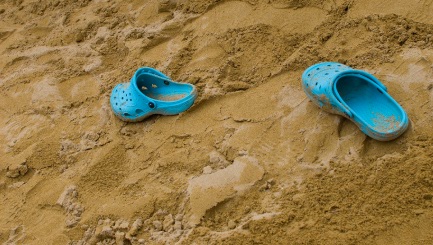
plastic shoes


Plastic shoes have surged in popularity over recent years, but regardless of whether they’re doing your fashion sense any good, they could actually be damaging your environmental wellness. This is according to a study from the Swedish Society for Nature Conservation (SSNC), which has shown that plastic shoes sold widely in at a variety of retailers; contain toxic chemicals that could harm your health and the environment.


More and more people are choosing plastic shoes because they are easily washed, and thrown away when they wear out, but once you understand where they come from, they may not seem so simple and convenient after all. In the manufacturing process, a variety of chemicals are used that could negatively impact your health, as well as the wellbeing of the planet and the employees engaged in manufacturing the shoes.


The SSNC and co-op groups from the Philippines, India, South Africa, Uganda, Tanzania and Indonesia, conducted the study, which involved analysing the chemical content of 27 varieties of plastic shoes. They found that there were phthalates, a chemical that can harm your reproductive system, in 17 out of 27 plastic shoes studied. These included PAH (polyaromatic hydrocarbons), tin organic compounds, heavy metals, mercury, lead and cadmium.


A substance known as DEHP was found in a pair of flip flops from South Africa, and this chemical is currently on the EU list of SVHC (Substances of Very High Concern). However, the DEHP Information Centre states, ‘Although DEHP is classified in the European Union as a Category 2 reproductive toxicant for both fertility and developmental effects consumers can remain assured that its use in everyday products does not pose a health risk.’


A bigger concern with regard to this chemical is from the use of medical devices that contain DHEP, yet the FDA is still working on recommendations about its health risks. The FDA currently says that ‘Exposure to DEHP has produced a range of adverse effects in experimental animals, but those of greatest concern involve effects on the development of the testicles and the production of normal sperm in young animals.’ According to the FDA, there is presently no solid evidence that DHEP harms.


However, according to SSNC President Mikael Karlsson, ‘Consumers simply do not know that there are harmful substances in plastic shoes, and the companies do not take responsibility for controlling the products. It seems clear that authorities need to have more resources from the government in order to examine the presence of chemicals in common consumer products.’ He asserted that the SSNC seeks to raise consumer awareness when purchasing products that could possibly harm your health and the environment.


Are Plastic Shoes Causing Major Damage to the Environment?