Showing posts with label plastic. Show all posts


Written by Jenny Catton


From slicing and dicing to cutting and cubing; chopping boards are one of the most used pieces of equipment in our kitchens. That’s why it’s important to treat them well and ensure good hygiene when using and caring for chopping boards. As a frequently used item, they can be a breeding ground for germs if they are not treated properly.


The first thing to consider when choosing a chopping board is what material to select. For a long time plastic chopping boards were considered to be more hygienic than wooden ones. Plastic boards treated with antibacterial properties have also become popular. However, recent research suggests that wooden chopping boards could be more the most hygienic option. Wood may also be a better option if you are worried about the chemicals that may be present on plastic chopping boards transferring to your food.


Whatever material you choose, it’s important to wash your chopping board in hot soapy water after each use to prevent bacteria. If possible, leave to dry naturally rather than using a tea towel which could spread germs.


Another very important factor to remember when using chopping boards is to avoid cross-contamination between different food types. For example, raw meat should never be chopped on the same board as cooked foods because of the risk of food poisoning. It’s therefore best to keep separate chopping boards for different types of food. Colour coded chopping boards can be useful to keep things separate.


You can find out more information about avoiding food poisoning on the NHS website: www.nhs.uk/Livewell/homehygiene/Pages/Foodpoisoningtips.aspx


We’ve all heard the warnings about how fizzy drinks can damage our wellness and wellbeing, and so it’s no surprise that many of us are looking to bottled water to provide a better alternatives. Even traditional soda companies like Coca Cola, Nestle and PepsiCo are cashing in on this by producing water and marketing it as a healthy alternative.


This has directly lead to the United States consuming more bottled water than any other country (despite having a natural abundance of clean drinking water coming straight out of the taps!) and this in turn leads to serious environmental problems. Every 27 hours, the US throws away enough empty water bottles to run, end to end, around the circumference of the equator.


If it were vital for our health, then perhaps the environmental toll would seem more worthwhile, but in truth, bottled water could be doing more harm than good. Marketers use words like ‘fresh’, ‘pure’ and ‘pristine’ to sell this bottled water, and try to undervalue the health benefits of tap water. At the same time, issues with contamination have led to over 100 different recalls of bottled water batches in recent years. Tap water is tested hundreds of times every day and is constantly monitored, whereas bottled water manufacturers are not required to test the water at all. This is completely unregulated and the FDA has no jurisdiction over the quality of the bottled water sourced.


Some of this water is even the exact same water that comes out of your taps – mined and bottled in the same state where you live, and then sold back to you at a hugely inflated price.


Not only that, but small towns across the United States and the rest of the world are being exploited due to their water resources, feeding the demand of giant corporations and selling public water to make a profit. Poor neighborhoods are even being poisoned by the toxins involved with manufacturing the plastic bottles.

Plastic is both a godsend and a nightmare when it comes to its many uses. There are naturally a number of plastic perks, allowing for lighter-weight car parts that help to boost your mileage, computer housings and even disposable syringes that help to limit the risk of infectious diseases. Even polystyrene is a great insulator and long lasting, so it helps to conserve energy in our homes. However, when we use plastics for unnecessary conveniences, we put the planet and ourselves in danger.


It sometimes harbours other toxic, secret ingredients


A study analysing the black plastic travel mugs that so many people use found that an alarming percentage of them contained brominated flame retardants, which is a toxic class of chemicals that have been previously linked to cancer. Researchers suggest that electronic recycled waste is winding up in our consumer products that we eat and drink from, and increasing our exposure to these chemicals.


It’s exfoliating the Great Lakes


Plastic is added to facial scrubs and personal care products used for exfoliating, in the form of microbeads. This means that they will almost certainly be found winding up in waterways and last for centuries, highlighting the careless way in which we use plastics. A 4.2 ounce tube of facial scrub contains around 356,000 plastic beads – this is as many as 450,000 bits per square kilometre, when sampling the water from the Great Lakes. Using a natural scrub or making your own with sugar and natural oils will save the planet and will arguably be better for your skin.


Your veggies are soaking it up


Plastics are ideal for greenhouses and growing veggies, but they also leech chemicals into the ground and onto the food we’re later eating. Greenhouse plastics are often coated in phthalates to make them last longer in the sun.


It puts guys at risk


Studies have found that a common chemical found in polycarbonate water bottles mimics oestrogen in the body, which could sensitise the prostate stem cells that may promote prostate cancer later in life. Opting for food-grade stainless steel or glass water bottles could reduce this risk.


Some chemicals in bottled water are so potent, they’re like hormone-replacing cancer drugs


A recent study in Germany found 25,000 chemicals in bottled water, some of which inhibited oestrogenic activity by as much as 60 per cent and androgenic activity by as much as 90 per cent. The latter of these hormones is on par with the prostate cancer drug flutamide. Researcher have also found that potent chemicals such as maleates and fumarates are present in some plastic bottles, chemicals used to manufacture the form of plastic resin.


Even fleas are eating it


Plastic pollution isn’t a problem just for humans – it also affects ocean creatures such as sea turtles. Even water fleas are consuming microplastic pollution. Cutting out unnecessary plastic uses could help preserve the planet and all that survives on it, not just the human race.


Plastic chemicals are fuelling adult diseases in kids


According to a recent study, the odourless and colourless plastic additives known as phthalates found in plastics are responsible for the rising blood pressure rates in children and teens. These chemicals are readily available in food containers and mix with the food we eat, meaning its not just the fat and calorie content we need to be concerned about when it comes to our diets. Cutting back on processed foods can help to lower these rates, as well as encouraging a healthier diet along the way.

Environmental wellness journalists, bloggers and enthusiasts all recently came together for a month of going plastic-free, to see what they might learn about taking care of the planet’s wellbeing. One such participant, Emily Main of Rodale.com, who started the inititative, commented, ‘While trying to live plastic free was a struggle, it has produced what we hope are some lasting behavioural changes. Our month was eye-opening, and we discovered, each in our own way, how much plastic had crept into our lives and just how easy it is to accept the disposable approach to living that plastic has helped create.’ So, what lessons can you take away from plastic-free month?


1. Carry your own cutlery: ‘Ever since moving out of New York City a few years ago, the amount of takeout food that I eat—and the associated plastic forks, spoons, and knives—has fallen precipitously,’ Emily notes. ‘That’s a healthier way to eat, but when I do need to grab some takeout, plastic cutlery is usually the only option (unless I want to eat with my hands). To prevent this scenario during the plastic-free challenge, I dug out my big purse and tossed in a set of reusable cutlery, and I’ve been carrying it around with me ever since.’


2. Ditch the shampoo bottle and make your own hair rinse: If plastic is anywhere in your home, it’s in your bathroom. Online editor Leah Zerbe decided to swap her shampoo in a plastic bottle for a bar of Dr. Bronner’s castile soap. She adds, ‘I challenged a creative hair stylist to come up with three styles without using any plastic-encased products.’ Together, Leah and her stylist created a cheap and environmental recipe for sea salt spray: four pinches sea salt mixed into one and a half cups of water. Not only can this give you a great beachy waves, but Leah comments, ‘You can also use this sea salt solution to suck oil out of oily roots on days in between washings.’


3. Go a bit more natural in your garden: Even though gardening has been done for centuries in the great outdoors, it does seem to require a lot of plastic. However, Leah was surprised at how easy it was to get rid of plastic pots and labels, vinyl-coated tomato cages and compost bins, and even plastic mulch. According to Leah, ‘I used a metal soil block maker to start thousands of seeds for my farm without using any plastic pots whatsoever.’ Soil block makers are – as the name suggests – blocks of compressed soil in which you can start seeds and then plant directly into the ground. Another option is to start your seeds in newspaper pots, and you can replace your plastic plant ties with dried lily leaves or natural twine.


4. Eliminate Ziploc or plastic food bags: Dana Blinder, our digital assistant and social media coordinator, asserts, ‘I dare you to find something that is as easily available, fresh-keeping, inexpensive, and simple as my beloved Ziploc bags.’ However, in spite of her love for plastic food bags, Dana has now invested in glass food-storage containers. ‘I’ve started cooking multiple helpings at once, and storing them all in glass containers, instead of tossing half a bell pepper into a baggie,’ she says.


5: Take bags to the supermarket: This is a tip everyone knows but still it’s hard to remember to take bags with you for your weekly shop. This was the case with Senior Editor Rick Chillot, who describes, ‘I was vexed all month because I’m not very good at remembering to bring bags to the grocery store. I also came to realise how many stray plastic bags I pick up during a typical week, just from buying random stuff.’ However, Rick is now trying to remember his plastic bags and tell ‘cashiers I don’t need a bag if I can possibly carry things without one.’

An unusual expedition recently brought environmental wellness experts and artists together to witness and respond to beach trash on the shores of southern Alaska. One such attendee was marine biologist Carl Safina, the founding president of the Blue Ocean Institute and a research professor at Stony Brook University, who came home from the GYRE expedition with good and bad news for the planet’s wellbeing.


Safina details, ‘We travelled from Seward in southern Alaska and headed southwest for about 300 miles, with stops, to the shores at Gore Point on the Kenai Peninsula, Wonder Bay on Afognak Island, Blue Fox Bay on Shuyak Island, and Hallo Bay at Katmai National Park. We met concerned citizens — paid and volunteer — who collect and catalogue trash on some of the more accessible beaches (a very relative term in a roadless region where every beach requires a boat or an airlift). At Katmai’s Hallo Bay, rangers had worked for a week to pile and bag stuff that doesn’t belong on a beach or in a national park; we hauled four tonnes of trash from a four-mile beach. That’s a lot, and on some of the coast there certainly is a lot of trash…Yes, we found soft-drink and plastic bottles (how could we not?). But a lot of it was fishing net floats, fishing nets — old driftnets and new trawl nets — buoys, ship bumpers, and dock lines. There were also cargo nets and products that had spilled from shipping containers washed from freighters in storms.’


With the vast amount of litter on the seemingly deserted beaches, Safina found himself asking the question: If rubbish washes up on a beach so remote that no one is there to see it, does it make a mess? ‘This is not a deserted place,’ Safina asserts. ‘This is the last best megalopolis of life for hundreds of species of bird, fishes, and mammals long since driven from their strongholds farther south by human crowding and destruction of their living places…How we treat our lands and other living inhabitants reflects how we treat other peoples and how we treat one another. That’s why trash, even on a “remote” beach, insults our dignity and sullies our humanity…Before it gets ashore, [plastic] causes harm and suffering to seals, turtles, fishes, and seabirds who die from tangling in it and from the consequences of eating it and who feed it to their young. I’ve seen all of these creatures in trouble with trash.’


Clearly, then, plastic is a problem for animal wellness, as well as human health. Safina explains that plastic ‘greatly resists getting metabolised by bacteria or chemically degraded. It doesn’t go away. It just gets smaller. Animals eat it, and even at the scale of molecules, it’s still plastic. Plastic polymers have been found circulating in the blood of mussels. Some plastics are non-toxic; some have toxic additives like lead and metals. We found both of those additives in some (though not all) of the samples we tested.’ So with what did Safina come away from the expedition? A call to arms.


‘It’s time for environmentalists to stop simply categorising the human-made debris,’ Safina argues. ‘We need to start understanding how and where it gets into the ocean. The US government has observers on fishing boats to monitor catches; why isn’t there a question on the form asking captains how many nets they’ve lost in the last year? Why not a survey asking if they’ve ever dumped an old net because on-land disposal is too expensive? Why no adequate sampling and surveying of rivers for plastic outflow rates, no adequate dialogue with shipping companies to understand rates of container loss? I’d rather not land on another beach where a person with a clipboard is counting how many bottles have Chinese lettering, unless that person has a colleague studying whether those bottles come from rivers or fishing boats, and what can be done about it.’

The environmental health risks associated with plastic are not new, but there is a lot of confusion surrounding them. Many people are unsure about whether or not plastic genuinely poses a risk to their health, but the latest reports seem to indicate that there could actually be quite a strong link between plastic bottles and cancer.


According to many toxicology experts, water bottles that are made from the hard and clear kind of plastic contain a chemical called Bisphenol A, otherwise called BPA, which may be a danger to human health. Studies have been carried out on animals, showing that BPA can be absorbed into living tissues and can then increase the rate of growth of the prostate, leading to prostate cancer. In addition to this, some studies have shown an apparent link between BPA and the onset of early puberty and the development of breasts in girls. This is thought to be a risk factor in the development of breast cancer.


The FDA, Canadian government and UK government have all now banned the use of BPA in baby bottles. The National Toxicology Program has been less clear in its recommendations, first expressing concern about the use of BPA in bottles and other packaging and then later redrafting the report and changing the terminology to express ‘minimal’ concern. Some sceptics believe this is because the plastic industry is huge and that big grocery chains have also been instrumental in defending BPA as they stand to lose personal profits if it is banned.


Other studies carried out recently have also linked BPA to a plethora of other serious health problems, including to abnormalities with liver enzymes, and to a link between poor cardiovascular health and BPA.


BPA water bottles are now available, and the general recommendation is to replace all your bottles with the new versions.

When it comes to anti-aging, plastic surgery is usually seen as the last resort – the trump card when all other methods don’t seem to be working anymore. Although there are ways in which plastic surgery can negatively affect your wellness and wellbeing, it has generally been considered effective. A new study, however, that has just been published in the Journal of the American Medical Association has found that whilst plastic surgery can visually reverse the signs of aging, it cannot increase attractiveness.


The researchers were surprised to find that there were no statistically significant improvements in attractiveness amongst those who had had facial plastic surgery. They looked at date from 37 women and 12 men aged 42 to 73 who had had procedures affecting the face, such as facelifts, brow lifts and neck lifts, and these people were photographed before and after their surgery.


As part of the research, a team of 50 ‘raters’ was recruited, and these were randomly assigned to a rating group. The groups were then shown around 200 photographs of the participants, both before and after their facial surgery. The raters had to note how old they thought each patient was, and rate their attractiveness using a score from 1 to 10.


After surgery, patients were rated on average as being 3.1 years younger, but their attractiveness ratings didn’t change. Around 75 percent of the people in the study were rated between a 4 and a 7 in terms of looks, and the numbers did not change much between their pre and post-operative pictures. Contrary to what you might expect, nobody jumped up from (say) a 4 to a 9 as a result of their facial surgery.


For this reason, most cosmetic surgeons use phrases such as ‘refreshed’ or ‘less tired’ when describing the results patients can experience, and steer clear of claiming to improve attractiveness.

We are often told that the big things tend to come from the little things – and environmental care-taking is no different.


For decades, the booming business of recycling is beginning to take centre-stage – and its players, namely yourself, have the wonderful task of remembering what needs to be propped into where. In recent years, companies have also been given the same lecture and some have taken action.


Today, it is quite common to see the traditional green arrows chasing one another on a carton, as corporations have taken to repackaging their items with biodegradable material. For some however, there are raised brows about whether or not plastic containers are safe for the environment.


Nobody likes something that can crack, shatter and make an unpleasant sound in one go, but for individuals such as the Guardian’s Lucy Siegle, the safer alternative to plastic is glass.


“I urge you to remain a glass purist,” she postulates, “While it’s hard to stem the rising tide of plastic packaging, plastic waste – from bottles to the tiny beads called mermaid’s tears – is wreaking havoc on oceans especially. Nothing against PET, the most widely used and recycled plastic… but glass wins for me.”


Plastic is a hard item to recycle, with material that is unable to be recycled. Furthermore, the creation, let alone the recycling of plastic requires the distribution and use of fossil fuels and water (mostly from cooling power plants) that in turn, pump more problems into the atmosphere.


Glass on the other hand, is a substance built predominantly from natural materials such as sand, limestone and soda ash. Despite its capacity to shatter (mostly from being butterfingered), the material has the capacity to keep everything fresh, whilst doing away with the oiliness that can be sometimes equated with plastic materials.


Overall, glass produces leagues less in carbon dioxide than plastic does – this should not close curtains on recycling materials, but instead, choosing what you can recycle in the first place.

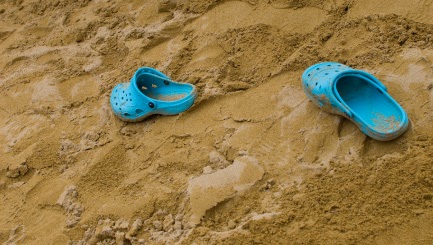
plastic shoes


Plastic shoes have surged in popularity over recent years, but regardless of whether they’re doing your fashion sense any good, they could actually be damaging your environmental wellness. This is according to a study from the Swedish Society for Nature Conservation (SSNC), which has shown that plastic shoes sold widely in at a variety of retailers; contain toxic chemicals that could harm your health and the environment.


More and more people are choosing plastic shoes because they are easily washed, and thrown away when they wear out, but once you understand where they come from, they may not seem so simple and convenient after all. In the manufacturing process, a variety of chemicals are used that could negatively impact your health, as well as the wellbeing of the planet and the employees engaged in manufacturing the shoes.


The SSNC and co-op groups from the Philippines, India, South Africa, Uganda, Tanzania and Indonesia, conducted the study, which involved analysing the chemical content of 27 varieties of plastic shoes. They found that there were phthalates, a chemical that can harm your reproductive system, in 17 out of 27 plastic shoes studied. These included PAH (polyaromatic hydrocarbons), tin organic compounds, heavy metals, mercury, lead and cadmium.


A substance known as DEHP was found in a pair of flip flops from South Africa, and this chemical is currently on the EU list of SVHC (Substances of Very High Concern). However, the DEHP Information Centre states, ‘Although DEHP is classified in the European Union as a Category 2 reproductive toxicant for both fertility and developmental effects consumers can remain assured that its use in everyday products does not pose a health risk.’


A bigger concern with regard to this chemical is from the use of medical devices that contain DHEP, yet the FDA is still working on recommendations about its health risks. The FDA currently says that ‘Exposure to DEHP has produced a range of adverse effects in experimental animals, but those of greatest concern involve effects on the development of the testicles and the production of normal sperm in young animals.’ According to the FDA, there is presently no solid evidence that DHEP harms.


However, according to SSNC President Mikael Karlsson, ‘Consumers simply do not know that there are harmful substances in plastic shoes, and the companies do not take responsibility for controlling the products. It seems clear that authorities need to have more resources from the government in order to examine the presence of chemicals in common consumer products.’ He asserted that the SSNC seeks to raise consumer awareness when purchasing products that could possibly harm your health and the environment.


Are Plastic Shoes Causing Major Damage to the Environment?

When it comes to environmental wellness, cities in China and India have shown that they take the future wellbeing of their world very seriously, as they are aiming to reduce the ever-growing amounts of plastic trash they produce through banning and fining excessive plastic production. The city of Delhi generates 250,000 tons of plastic waste every year. As an attempt to rein in this excessive wastage, authorities decided to ban plastic bags, sheets, films and similar products in November, and the city of Shanghai will not be far behind in 2013.   From February, Chinese authorities will begin to fine manufacturers if they use ‘excessive’ packaging. Though details of the initiative, such as what ‘excessive’ means and who will be the entity responsible for deciding this, are vague, new regulations permit fines of as much as 50,000 renminbi, or just under £5000. It is also unclear whether these regulations in Shanghai and Delhi will be extended to other parts of the countries, and how these regulations will be enforced.   The Chinese initiative also seems to have public support, as a recent poll demonstrated that the vast majority of shoppers in China believe that excess packaging is indeed an environmental problem, as well as a nuisance. However, retailers and manufacturers still seem undeterred by public opinion, judging by the ample and often superfluous wrapping that often swathes goods in many countries, including China.   The utterly huge amount of plastic that is produced and used only once is definitely a problem that needs a solution. More often that not, the plastic produced worldwide ends up in landfills or, worse yet, in rivers or oceans. As use of plastics increase globally, the levels of plastic production in developing Asia, which is currently below our use of plastics in the West, is expected to soar.   There are other solutions that have been suggested, such as turning plastic into goods or fuel, but progress is currently slow, and garbage collection and recycling infrastructures are believed by many to be woefully inadequate to combat the magnitude of the problem. Therefore, the progress of the Shanghai and Delhi initiatives will be well worth paying attention to, and could have significance for the whole world. Asian Cities are Beginning to Ban Plastic Bags

When it comes to environmental wellness, cities in China and India have shown that they take the future wellbeing of their world very seriously, as they are aiming to reduce the ever-growing amounts of plastic trash they produce through banning and fining excessive plastic production.

The city of Delhi generates 250,000 tons of plastic waste every year. As an attempt to rein in this excessive wastage, authorities decided to ban plastic bags, sheets, films and similar products in November, and the city of Shanghai will not be far behind in 2013.


From February, Chinese authorities will begin to fine manufacturers if they use ‘excessive’ packaging. Though details of the initiative, such as what ‘excessive’ means and who will be the entity responsible for deciding this, are vague, new regulations permit fines of as much as 50,000 renminbi, or just under £5000. It is also unclear whether these regulations in Shanghai and Delhi will be extended to other parts of the countries, and how these regulations will be enforced.


The Chinese initiative also seems to have public support, as a recent poll demonstrated that the vast majority of shoppers in China believe that excess packaging is indeed an environmental problem, as well as a nuisance. However, retailers and manufacturers still seem undeterred by public opinion, judging by the ample and often superfluous wrapping that often swathes goods in many countries, including China.


The utterly huge amount of plastic that is produced and used only once is definitely a problem that needs a solution. More often that not, the plastic produced worldwide ends up in landfills or, worse yet, in rivers or oceans. As use of plastics increase globally, the levels of plastic production in developing Asia, which is currently below our use of plastics in the West, is expected to soar.


There are other solutions that have been suggested, such as turning plastic into goods or fuel, but progress is currently slow, and garbage collection and recycling infrastructures are believed by many to be woefully inadequate to combat the magnitude of the problem. Therefore, the progress of the Shanghai and Delhi initiatives will be well worth paying attention to, and could have significance for the whole world.


Asian Cities are Beginning to Ban Plastic Bags