Showing posts with label Flu. Show all posts

If you’ve been dealing with a cough that seemingly refuses to give up, there’s probably a significant underlying reason. Instead of merely dealing with your cough by pacifying it with minty lozenges, find the root cause for your cough and help yourself feel better in a jiffy!


Smoking Cigarettes


If you’re a smoker, you may have never considered the fact that exposing your throat and lungs to tobacco smoke and toxins could be the underlying cause for your cough. What’s surprising is that a cough associated with smoking is more than likely to remain chronic rather than temporary. To get rid of a cough associated with smoking, begin searching out help for your tobacco use.


Household Mold


If your home has sustained any water damage, you might be surprised to find that your cough could be an irritation to a possible mold formation. Mold spores can develop from water damage, and this causes various types of sicknesses and irritations in the body. To clear up this type of cough, be sure to contact a water damage repair company such as Cleanrite-Buildrite Water Damage Repair. Remember that if a mold problem is left ignored, more serious health complications could arise. It’s best to tackle the problem as early as possible because of this.


Nasal Discharge


Nasal discharge is a common culprit behind a pesky cough. Nasal fluids discharge from the nose to the throat, causing irritation. This in turn can cause a persistent cough. Nasal discharge can be controlled by taking over the counter allergy medication or using allergy nose sprays.


Infection of the Lungs


Infections are always a possibility when it comes to narrowing down a cough’s cause. Common types of infections that can bring about a cough are bronchitis, pneumonia, tuberculosis, sinusitis, and more. Infections can typically be cleared up by visiting a physician who will diagnose the condition and, in turn, prescribe an antibiotic medication to cure it.


The Common Cold


Lastly, beware of the cough that comes paired with the common cold. The common cold is a condition that is highly unavoidable, but luckily, it typically only lasts from twenty-four hours to a few days. You can soothe your cough associated with the common cold by using lozenges designed to soothe the throat and suppress coughing, using throat sprays, drinking homemade solutions of salt and water. In most cases, however, a cough associated with the common cold must be waited out.

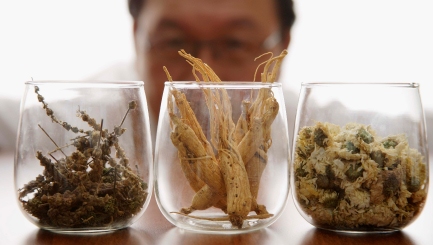
As with the regular flu, seasonal flu is caused by a virus which infects your nose, lungs, sinuses and throat. There are three forms of the flu virus, known as type A, B or C. Type A is the most common form and also the most infectious, which leads to severe symptoms. Type B causes less serious symptoms, and type C is a mild infection which is akin to the common cold. This virus changes from year to year, and can even lead to an epidemic as it is extremely contagious. Because few people have immunity to the new virus, they become infected more easily. Generally, people recover from a flu virus within a week. However, older people, new-born babies, pregnant women and people with additional health problems should be more concerned, as flu can be dangerous to their health. Seasonal flu tends to affect people in the UK during the winter months, from December to March. Flu is characterised by a number of symptoms, including a fever, headache, sneezing, a blocked or runny nose, coughing, sore throat, chills, achey muscles, discomfort in the eyes (particularly in bright lights), and feeling exhausted. While most of these symptoms last for about a week, you may feel achey and tired for a few weeks after the main virus has left your body.


If you’re over the age of 65, pregnant, a child or have other health complications, your recovery from flu may be slower. You may also be at risk of other health concerns, which include problems with your lungs, such as pneumonia or bronchitis; chest conditions, such as asthma; middle ear infections; inflamed sinuses; seizures or fits, known as febrile convulsions, which are more common in children; inflammations in the brain, such as meningitis. If you have heart disease, diabetes, liver or kidney disease, or a long-term lung condition such as COPD, you’ll be more at risk of developing flu.


Most people are able to diagnose flu themselves without the need for a GP, but if you have chest pains or have difficulty swallowing or breathing, you should seek medical advice as soon as possible. The same can be said if your symptoms have lasted longer than a week, and have worsened rather than improved. If you have any of the conditions previously mentioned, you should also speak to your GP. As with the common cold, there is no cure for flu – there are ways you can improve your symptoms though and clear the infection more quickly. You should drink plenty of fluids so that you don’t risk becoming dehydrated. Steam inhalations with menthol may be useful for clearing congestion in your lungs, and hot drinks with lemon can ease the pain in your throat – you may find soup a more soothing alternative to your regular meals, as well. Menthol and eucalyptus can be great for easing a sore throat, so seek out lozenges with these ingredients in to calm a painful throat, and gargle with salt water to clear any infection in your throat as well. Lastly, plenty of rest is advised to give your body chance to recuperate. Painkillers can be useful to clear a headache or sinus pain, if you’re struggling with either of these symptoms. You can prevent seasonal flu by always carrying tissues and using them when you cough or sneeze to limit the spread of the virus, as well as throwing away those tissues immediately after you’ve used them. Basic hygiene, such as washing your hands regularly, can help to stop germs from spreading between people, and use household cleaning products, such as antibacterial wipes, to cleans surfaces and door handles.


You wouldn’t think much of the humble mushroom. Normally flavoursome and delicious in soup or a fry-up, it tends to be the bland addition to any dish – but in new research conducted at Boston University School of Medicine; it has been found that they are an excellent source of Vitamin D. More than that, it has been proven to be just as effective as taking a Vitamin D supplement.


Vitamin D helps to promote bone density, which in turn, helps to prevent osteoporosis, osteoarthritis and osteomalacia. Furthermore, it has been known to help combat the symptoms of flu, cancer, cardiovascular disease, depression and diabetes.


Researchers looked at data obtained from 30 healthy adults who participated in the experiment; they were asked at random to take Vitamin D supplements or Vitamin D2 mushroom powder for 12 weeks. What researchers found was that there was no difference between those taking the supplements to those taking the mushroom powder.


“These results provide evidence that ingesting mushrooms which have been exposed to ultraviolet light and contain vitamin D2, are a good source of vitamin D that can improve the vitamin D status of healthy adults. Furthermore we found ingesting mushrooms containing vitamin D2 was as effective in raising and maintaining a healthy adult`s vitamin D status as ingesting a supplement that contained either vitamin D2 or vitamin D3,” said Michael F. Holick, PhD, MD and the principal investigator of the study, according to Zeenews.


According to their findings, the researchers believe that eating mushrooms serves the same purpose as supplements in enhancing the body’s need for Vitamin D. Furthermore, the mushrooms proved to be more beneficial after being exposed to UBV light, which caused the mushrooms to produce Vitamin D3 and D4.


“Although it has been previously reported that mushrooms have the ability to produce both vitamin D2 and vitamin D4, through our own research we were able to detect several types of vitamin Ds and provitamin Ds in mushroom samples including vitamin D3 which is also made in human skin,” added Holick.


With extra levels of care added to your diet, it is suggested that mushrooms are better, alternative root to chowing down on expensive supplements.


Why burn your money when you can burn your toxins?


Vitamin D: Are Mushrooms the Best Alternative?

herbs diabetesDid you know that herbal tea could help to protect you against getting the flu? You may think that this advice does not apply to you as you have had the flu vaccination and have no need for complementary medicine. This is not quite true: the flu shot only protects against certain strains of the flu, that is, the ones that the manufacturers of the vaccine believe will be most prevalent this year.


In order to protect your wellness against this horrible virus, the best thing to do is to build up your immune system. This does not stop you from contracting the virus, but ensures that you are strong enough to fight off the virus without being too detrimental to your wellbeing.


One of the best ways to achieve this is through a combination of herbal teas and meditation. Keeping mentally strong through de-stressing techniques, thinking positive thoughts, prayer and meditation for around 5 to 10 minutes per day can help to ward off the flu.


As far as tea goes, whole-plant infusions are the best possible kind to keep your body hydrated and well nourished. These types of herbs are packed full of vitamins, minerals, antioxidants and free radicals. Infusions should be made as strong as possible by using up to an ounce of the herb (or herb blend) with every quart of water, and it should be allowed to steep for at least four hours, or overnight if at all possible.


The herbs that are best for boosting up the immune system and fighting viruses are St. John’s wort (proper name Hypericum perforatum) and Echinacea. If you actually have the flu, the dosage that you take should be greatly increased as at that point the herb is having to work harder to fight off the virus.


Soups can also be used to get herbs like astragalus root, eleuthero, dandelion and burdock root into your diet, which also have excellent immune-boosting properties.


How to Use Herbs to Prevent Yourself Getting The Flu

An Easy Way To Fight The Common ColdFrom chicken soup to starving a fever, everyone has a favourite remedy for curing the cold and flu. But how do you separate the old wives’ tales from the reality? Here are 5 myths debunked and facts confirmed.


  1. Feed a cold and starve a fever: the ultimate old wives’ tale, this is just plain old bunkum. When you have the flu, you are likely to lose your appetite naturally because the virus will make you feel nauseous. So long as you maintain your fluid levels and don’t become dehydrated, you can eat as much or as little as you like while you’re stricken with the cold or flu.

  2. Wash your hands to stop viruses spreading: this is a certifiable fact. Viruses are easily spread and you can pick one up simply by touching a door handle or any other object that’s been touched by someone with a cold or flu virus. Wash your hands thoroughly and make sure you don’t rub your eyes, nose or mouth, as this is the quickest way to transmit the infection.

  3. Antibiotics will clear the cold or flu: Antibiotics will have zero effect on the cold or flu virus and the only time your doctor will prescribe them for you is if there is a secondary bacterial infection. So pass the tissues, not the penicillin.

  4. The flu vaccine will give you the flu: There is no truth in this at all. If you get the flu vaccine and then go down with the virus, it’s purely coincidental. The more likely explanation is that you’re suffering from some of the well-known side effects of the vaccine, which include fever, pain and swelling – all of which subside quickly.

  5. Chicken soup is good for more than the soul: Possibly the best home remedy of all, chicken soup is actually scientifically proven to help when you are sick with the cold or flu. The soup acts as an anti-inflammatory and keeps mucus moving so the virus can’t rest.


old saltWhile the idea of a cure for the common cold might be nothing but a pipe dream, many people are still looking for effective relief of the symptoms of cold and flu. But quite often chemicals and drugs are found to quite ineffective which has seen many people choosing homeopathic alternatives such as solutions made with salt and saline.


One non-pharmacological therapy for sinus congestion and sinus infections know as nasal saline irrigation. This treatment has been known for centuries to be effective in preventing and treating these conditions. It has even been promoted by the American Academy of Allergy Asthma and Immunology, which stated that salt can bring relief to these conditions by removing allergens from the nostrils and sinuses.


However, it’s important to use the right kinds of salts as some are less than perfect as a treatment for colds. Salts that contain iodine, anti-caking agents and preservatives can actually irritate the nasal lining and shouldn’t be used. Some of the salts you can use, to avoid these irritants, are pickling salts or Himalayan sea salts. The latter is readily and conveniently available.


Another option using salt to counter the effects of cold and flu symptoms is known as Salt Air Therapy. Salt Air Therapy is the process of breathing in air that contains dry, micronised salt particles which then travel to all areas of the lungs providing a natural cleansing to maintain the respiratory system from within.


This is a safe and natural way to clean the lungs which then promotes the body’s own natural defences to help you get over the cold or flu as soon as possible. If you’re looking for another simple trick try gargling salt water to help keep your throat free from allergens and other problems.


Effective Salt Solutions For Cold and Flu Symptoms

A healthy diet is not only advisable when your wellness has taken a little turn for the worse, but some of the best natural remedies for preventing flu in the first place, as well as a multitude of other health problems and diseases, come from wellbeing-boosting foods, such as garlic and elderberry.   Your immune system responds well to care and attention so look after if by limiting of cutting out refined and processed foods such as white sugar, white flour, white pasta, white rice and any foods made with them, as these are the most damaging carbohydrates. The same goes for chemicals in food, like artificial sweeteners, colourings, flavourings and preservative, as well as unspecified margarine and vegetable oils. This accounts for junk food in particular, as they white flour and vegetable oils, and dairy products should also be limited.   Now you’ve removed all the immune-system lowering foods, it’s time to focus on what to add to your diet to boost it. Fresh fruit and vegetables are essential for your wellness, especially garlic, onion and elderberry, to help you fight the flu itself. Regular consumption of Echinacea and natural vitamin C helps prevent flu, as does getting vitamin D from sunshine to get you through the winter months. Start making your own probiotics, such as kefir and kombucha tea, which will have a greater density and variety than commercial probiotics or probiotic supplements and help keep you healthy. You can ensure you have all the essential nutrients with a blue green algae supplement, and make sure you drink enough, according to the season, your work and your body type.   A few final flu-fighting things you can do are daily, preferably outside, exercises, getting enough quality sleep, and dealing with stress naturally through such tools as yoga, meditation and homeopathy. When it comes to doctors and medicines, medications lead to decreased nutrient absorption, a low immunity and side effects so only take essential medication and try finding a natural health consultant that you are happy to work with, to avoid unnecessary medication. Making wellness a way of life means you may not have to fall at flu’s hands ever again.   How to fight back: Your flu virus verses your diet

A healthy diet is not only advisable when your wellness has taken a little turn for the worse, but some of the best natural remedies for preventing flu in the first place, as well as a multitude of other health problems and diseases, come from wellbeing-boosting foods, such as garlic and elderberry.


Your immune system responds well to care and attention so look after if by limiting of cutting out refined and processed foods such as white sugar, white flour, white pasta, white rice and any foods made with them, as these are the most damaging carbohydrates. The same goes for chemicals in food, like artificial sweeteners, colourings, flavourings and preservative, as well as unspecified margarine and vegetable oils. This accounts for junk food in particular, as they white flour and vegetable oils, and dairy products should also be limited.


Now you’ve removed all the immune-system lowering foods, it’s time to focus on what to add to your diet to boost it. Fresh fruit and vegetables are essential for your wellness, especially garlic, onion and elderberry, to help you fight the flu itself. Regular consumption of Echinacea and natural vitamin C helps prevent flu, as does getting vitamin D from sunshine to get you through the winter months. Start making your own probiotics, such as kefir and kombucha tea, which will have a greater density and variety than commercial probiotics or probiotic supplements and help keep you healthy. You can ensure you have all the essential nutrients with a blue green algae supplement, and make sure you drink enough, according to the season, your work and your body type.


A few final flu-fighting things you can do are daily, preferably outside, exercises, getting enough quality sleep, and dealing with stress naturally through such tools as yoga, meditation and homeopathy. When it comes to doctors and medicines, medications lead to decreased nutrient absorption, a low immunity and side effects so only take essential medication and try finding a natural health consultant that you are happy to work with, to avoid unnecessary medication. Making wellness a way of life means you may not have to fall at flu’s hands ever again.


How to fight back: Your flu virus verses your diet