Showing posts with label Virus. Show all posts

Although most will never know it, four out of five women are likely to be infected with human papillomavirus (HPV) at some point in their lives. Using a condom doesn’t always protect your wellbeing against HPV, which is a major concern – not just to your sexual health, but to your overall wellness. HPV is the cause of virtually every case of cervical cancer, and yet a woman who finds out she has an HPV infection is not likely to tell even her closest friends. But why?


As HPV is a sexually transmitted disease (STD) there is a certain amount of social stigma attached to it, meaning that women would rather keep schtum than get help. However, having HPV is a lot more normal than you may think, so there’s no real reason to stay silent. Plus, knowing your HPV status can help you identify your risk of cervical cancer – which is highly preventable if caught in time. Usually, the virus is harmless, with most of the 6 million new cases of HPV in the United States each year clearing up on their own. If you have HPV, it does not mean that you have had a lot of partners, although having multiple partners does increase your risk. However, unless you have been vaccinated, it’s quite likely that you will get a HPV. A study of women with just one partner found that 50% had HPV infections three years into their monogamous relationships.


That is not to say that having HPV means you have been unfaithful. There is a good chance that you could have contracted the virus years or even decades ago, but the HPV has been hiding out in your system before developing into changes in cervical cells. There are plenty of stories from couples who have been married for 10 or 20 years and found themselves upended by HPV. It is impossible to know when and where you have contracted the disease, so don’t jump to relationship-rattling conclusions. You don’t even need to have sex to transmit HPV; the virus can be transmitted through skin-to-skin contact, meaning that contact with the hands and oral sex can also spread the infection.


You may be worried about letting your teenagers have the HPV vaccination because it opens them up to the idea that they are about to have sex. However, getting the HPV vaccine isn’t about sex; it’s about cancer. The reason why it’s given to young people is to ensure they are vaccinated well in advance of their first sexual encounter, which, for some kids, can be age 13. Moreover, the body’s antibody responses are highest between the ages of nine and 15, which means the vaccine is at its most effective during that window. There are four HPV types that are responsible for 70% of cervical cancers and 90 percent of genital warts, and the current vaccines, which are recommended for young girls and boys, protect against all of them.


We cannot ignore HPV, in spite of the stigma attached. If more people were to turn to the vaccination, we might soon speak about the virus in the same way we do about polio or smallpox. However, letting HPV reign in our lives can be life-threatening. While most infections go away without any treatment, some infections with specific types of HPV can persist and develop into cervical cancer over years or even decades. Therefore, there are many good reasons why you need to talk about HPV – and schedule your annual OB/GYN exam if you haven’t done so yet.

When it comes to health, you are likely to have never considered the effects of poliomyelitis (polio for short) as the disease has largely been eradicated in the western world. Unfortunately, the disease has proliferated in other countries, and a recent epidemic has been seen in India. This has meant that the disease has come to the attention of the World Health Organisation again.


The impact of the virus on children can be very serious, and so the WHO is now charged with the job of making sure that travellers stay as healthy as they possibly can.


Polio comes from a virus, and is very infectious indeed, usually passed from person to person through inhalation. Symptoms begin in a similar way to the flu virus, such as with vomiting, fever, headaches and extreme tiredness. In addition to these fluey type symptoms, many people with polio exhibit some kind of respiratory distress. Polio can leave the sufferer with all kinds of debilitating after effects, such as lower leg paralysis. It can even lead to death in around ten percent of all cases.


Polio generally affects children under the age of five, and can be a very dangerous and debilitating disease. For this reason, if you are planning to travel to a country such as India with your child, you must ensure that all of their vaccinations are up to date, in line with what is recommended by the immunisation programs in the United States and anything else that your GP recommends.


Polio is also more prevalent at certain times of the year, in particular times when the temperatures are volatile, such as in the summer or autumn. There is no cure available for polio, so taking the right preventative measures is extremely important, especially for the very young and those who have underlying health conditions.


It is an unusual environmental event, especially in winter time, but an outbreak of the West Nile virus has wreaked havoc on the wellness and wellbeing of the bald eagle population. This deadly virus has now killed more than two dozen of the amazing birds in Utah, and has also killed thousands of shore birds in the area around the Great Salt Lake. This is according to wildlife officials from the state.


At the last count, 27 bald eagles had fallen victim to the deadly disease, in the northern and central parts of the state of Utah. This is a blood-borne virus, and biologists from the state have reported that there are currently at least five more eagles who are in rehabilitation centres receiving treatment for the disease.


It is believed that the bald eagles have been contracting the disease due to preying on sick and dead shore birds that are called eared grebes, which have been infected by the West Nile virus. These water birds have been dying in their thousands in the area around the Great Salt Lake since early November. An initial series of tests seemed to indicate that the birds had fallen victim to a serious bacterial disease, such as avian cholera, but a more in depth study has now shown that the deaths have been caused by the West Nile virus.


It is important to note that the dead birds are not considered a risk to human health, but at the same time, those who find such dead birds (or sick ones even) are being urged not to handle them if at all possible.


It is unusual for the West Nile virus to cause deaths in the wintertime, as the mosquitoes are usually the prime carriers of the disease from bird to bird (and they are only active during the summer time).

Chickenpox is a skin rash which has associated symptoms that can make your child feel quite unwell. Once the treatment for it begins, it generally alleviates the symptoms until the virus has gone. While there is a risk of serious complications with chickenpox in young children, it is extremely rare and usually only occurs in children who have a poor immune system, such as those on chemotherapy.


Chickenpox is an infection which is caused by a virus known as varicella-zoster and it affects most children at some stage or the other. It is your immune system which makes the antibodies during the infection, and these fight the virus,  providing yoy lifelong immunity. For this reason, it’s very rare for people to have chickenpox more than once in their lifetime. Alongside the most common itchy blister-like rash symptoms, you will also feel a fever, aches and a headache, and a dry cough. Because of the fever, most children will feel quite unwell and this can last for a few days. Although the blisters will fade after a few days, they may take a couple of weeks to disappear completely so you should keep an eye on this.


There are various complications which can occur with chickenpox, such as the spots leaving scars if they’ve been badly scratched. Some of the spots may become infected (seen in 1 out of 10 cases), and this leads to them becoming red and sore. Your child may need antibiotics if this is the case. In 1 in 20 cases, ear infections also develop – as with other infections, this too will require treatment. Rarer complications include pneumonia and inflammation of the brain, as well as Reye’s syndrome, appendicitis, kidney inflammation, inflammation of the heart muscle and arthritis. Although these complications are rare, you should be vigilant to check for the symptoms.


If your child develops breathing problems, convulsions, drowsiness, weakness, pains and headaches which worsen even with painkillers, or rashes which bleed or bruise the skin, you should consult your GP as soon as possible. Shingles is caused by the same virus that leads to chickenpox but it occurs in people who have already had chickenpox – it is an infection of the nerves and the area of skin which supplies blood to the nerves. Around 1 in 5 people suffer from shingles, and it causes a rash and pain which develops in a band-like area around the affected nerve. It’s more common in people who are over the age of 50, but it can happen at any age.


In most children, the treatment usually involves easing the itchy symptoms and making the child as comfortable as possible. A soothing cream can be used on the skin to calm the itching and soothe the rash, such as virasoothe gel. It is often overlooked, but keep your child’s fingernails cut short to stop them from causing damage to the skin with scratching. An antihistamine tablet or medication can also help. As with any other fever, you should ensure that your child’s temperature is kept low, by taking paracetemol (check the age restrictions on the medication before administering it to your children) and keeping them well hydrated. You should also make sure that they don’t have a high body temperature, so remove their clothes if they are getting too hot and open the windows a fraction to let cool air circulate. If you think that your child has chickenpox, seek advice from your GP with regards to treatments that can help remove the virus and limit the infection from spreading.

Shingles is a serious infection which is caused by the varicella-zoster virus. The illness causes a distinguishing rash as well as painful symptoms which develops on the band of skin which is supplied by the nerve. Symptoms tend to dissipate after two to four weeks, but often the pain can linger once the rash has gone. It’s a common illness more in people over the age of 50, but other complications are uncommon. Your GP will prescribe antiviral medication if you are diagnosed with shingles. Although you can’t catch chickenpox twice, the same virus leads to both chickenpox and shingles, so it’s common for people who have had chickenpox in the past to later develop shingles.


Sometimes you can hear shingles being referred to as herpes zoster, though this is a very different condition to the herpes simplex virus. Around one in five people develop shingles in their life, and although it is uncommon to have shingles more than once, this does happen in one in 50 people. Stress can trigger shingles, but they usually appear with no real cause. If you’re immune system is lowered or has aged, this may be a reason behind you developing the ailment. So, if you have HIV/AIDS or your immune system is compromised by treatment such as chemotherapy, you may be more at risk. This virus usually affects just one nerve, on one side of the body. It’s common for two or three of the nerves in the same area to be affected though. Usually, this occurs in the nerves on the chest or stomach, as well as the upper face such as the eye area. The pain is localised and can vary in severity, often described as a dull, burning or gnawing pain. Whatever the level of your pain, the skin on the affected area is likely to be tender. The rash is noticeable as red blotches which quickly move on to become itchy blisters. The tissues under the rash may also become swollen and inflamed.


Shingles is contagious, as is chickenpox, and will remain so until the blisters have scabbed and dry. If your blisters are covered with a dressing, they will stay safe in terms of how contagious they are. In pregnant women, this can be a risk so if you’ve not had chickenpox and are pregnant, avoid those with shingles. It pays to stay safe with regards to the virus, so avoid using towels with others or going swimming if you have the virus, so as to limit the spread of infection. It’s rare to have any complications with the illness though. In the event of a complication, it may be an infection of the brain – this is because of the spread of the virus through the body. Although very serious, these are extremely rare.The general measures used to treat shingles include wearing loose-fitting clothes to reduce the irritations on the affected skin, as well as cooling the area with ice cubes wrapped in a plastic bag. Simple emollient creams can help to reduce itchiness if the rash is becoming a problem.


Shingles can cause very painful symptoms in some people, so painkillers are the best course of action for reducing this side effect. Over-the-counter options are fine and stronger painkillers such as codeine may be useful, but speak to your pharmacist to be sure. If you have shingles, or think you may have come into contact with someone who does and are worried, you should speak to your GP who can advise you and suggest treatment.

Between 40 and 90 percent of people develop flu-like symptoms within a month of the HIV virus entering the body, and this is known as acute retroviral syndrome or ARS. However, this isn’t always the case, with some people not developing symptoms for years or even up to a decade after the infection. Many people who have HIV, for this very reason, don’t realise that they have it, so it’s very important that you get tested regularly. This is especially vital if you’ve had unprotected sex with anyone or use intravenous drugs. There are some signs that you should be aware of so that you can detect the problem early and seek medical advice as soon as possible.


The first and most common symptom is a fever, which is often accompanied by a sore throat, swollen lymph glands and fatigue. During this stage the virus is spreading into the bloodstream and is duplicating in large numbers. The reaction of this is from the immune system which attempts to fight off the virus. The second is fatigue – everything you do will leave you tired and out of breath, even if it something minor or something you used to do regularly. Achey joints and muscles are also common – as previously mentioned, the flu-like symptoms can often get overlooked and passed off as a minor bug or virus. However, if the HIV virus has been contracted, this could well be to blame. A violent, boil-like rash may also appear, which is itchy and inflamed. This is often a sign for many people that they don’t just have a regular cold or flu virus.


Around 30 to 60 percent of people with HIV experience diarrhoea, nausea and vomiting. If these symptoms are unresponsive to treatments, this could be an indicator that you’re suffering with HIV. You may have also noticed weight loss, which was once referred to as AIDS wasting. This is a sign of a more advanced stage of the disease and could be connected to the severe diarrhoea that many people with HIV suffer with. Weight loss is a sign that your immune system is depleted, but antiretroviral treatment has meant that this symptom isn’t as much of a problem for many patients now. A subtle yet prominent symptom is a dry cough, which a lot of people ignore out of habit. If you’ve had a cough on and off for more than a year, this is a sign you should be concerned about.


Around half of the people with HIV experience night sweats as well, which are more common in the later stages of the disease. They’re hard to ignore though, unlike the cough or nausea, being described as similar to those menopausal women deal with. They are unconnected to the temperature of the room and will leave your clothes and bed sheets drenched with sweat. It’s worth paying attention to your nails too, as these can highlight changes which are associated with HIV – thickening, discolouration or vertical black lines on the nail are all common in people with the virus. This is because of a fungal infection which your body is more susceptible to because the immune system is lowered. The same can be said of yeast infections, particularly in women, such as thrush.


If you’re concerned about any of the symptoms you have, or think that you’ve had symptoms which have been present for a long time, it may be worth speaking to your GP to arrange a HIV test. You should get regular HIV tests at your local GUM clinic if you’re sexually active to ensure you haven’t caught the virus.

As with the regular flu, seasonal flu is caused by a virus which infects your nose, lungs, sinuses and throat. There are three forms of the flu virus, known as type A, B or C. Type A is the most common form and also the most infectious, which leads to severe symptoms. Type B causes less serious symptoms, and type C is a mild infection which is akin to the common cold. This virus changes from year to year, and can even lead to an epidemic as it is extremely contagious. Because few people have immunity to the new virus, they become infected more easily. Generally, people recover from a flu virus within a week. However, older people, new-born babies, pregnant women and people with additional health problems should be more concerned, as flu can be dangerous to their health. Seasonal flu tends to affect people in the UK during the winter months, from December to March. Flu is characterised by a number of symptoms, including a fever, headache, sneezing, a blocked or runny nose, coughing, sore throat, chills, achey muscles, discomfort in the eyes (particularly in bright lights), and feeling exhausted. While most of these symptoms last for about a week, you may feel achey and tired for a few weeks after the main virus has left your body.


If you’re over the age of 65, pregnant, a child or have other health complications, your recovery from flu may be slower. You may also be at risk of other health concerns, which include problems with your lungs, such as pneumonia or bronchitis; chest conditions, such as asthma; middle ear infections; inflamed sinuses; seizures or fits, known as febrile convulsions, which are more common in children; inflammations in the brain, such as meningitis. If you have heart disease, diabetes, liver or kidney disease, or a long-term lung condition such as COPD, you’ll be more at risk of developing flu.


Most people are able to diagnose flu themselves without the need for a GP, but if you have chest pains or have difficulty swallowing or breathing, you should seek medical advice as soon as possible. The same can be said if your symptoms have lasted longer than a week, and have worsened rather than improved. If you have any of the conditions previously mentioned, you should also speak to your GP. As with the common cold, there is no cure for flu – there are ways you can improve your symptoms though and clear the infection more quickly. You should drink plenty of fluids so that you don’t risk becoming dehydrated. Steam inhalations with menthol may be useful for clearing congestion in your lungs, and hot drinks with lemon can ease the pain in your throat – you may find soup a more soothing alternative to your regular meals, as well. Menthol and eucalyptus can be great for easing a sore throat, so seek out lozenges with these ingredients in to calm a painful throat, and gargle with salt water to clear any infection in your throat as well. Lastly, plenty of rest is advised to give your body chance to recuperate. Painkillers can be useful to clear a headache or sinus pain, if you’re struggling with either of these symptoms. You can prevent seasonal flu by always carrying tissues and using them when you cough or sneeze to limit the spread of the virus, as well as throwing away those tissues immediately after you’ve used them. Basic hygiene, such as washing your hands regularly, can help to stop germs from spreading between people, and use household cleaning products, such as antibacterial wipes, to cleans surfaces and door handles.

It seems that waxing could soon become more than simply an aesthetic issue now, with new reports claiming that waxing could increase your risk of catching sexually transmitted diseases. Francois Desruelles, a dermatologist, has looked into the link between pubic hair and a viral disease known as molloscum contagiosum, which can be sexually transmitted and produces round, flesh-coloured bumps on the skin. This pox virus is common in children, often spread via swimming pools, as well as in those who have immune systems which are compromised by illness or drugs.


Researchers tested the link in order to determine whether the rise in localised infections in both women and men over the past decade were increased by the rising popularity in Brazilians, and other waxing techniques. In the case study, which was made up of six women and 24 men, 93 percent of the participants had some form of hair removal – 70 percent used shaving, 13 percent clipping and 10 percent opted for waxing. This led researchers to believe that the microscopic tears caused by hair removal open up the skin to be more susceptible to propagating and transmitting the virus. Sexual health experts say that the micro-trauma to the skin provides a prime environment for infections to get into the body – in the case of genital warts, for example, the skin to skin contact makes it extremely easy for infection to spread. If there are tears to the skin, this makes it far easier for viruses to be contracted.


Researchers recommend that anyone who wants to remove their pubic hair more safely should consider an alternative method, such as laser hair removal. This is less likely to cause micro-trauma to the skin, which will help reduce the risk. There are some benefits to hair removal, though, as the lack of hair means there is a less than hospitable environment for public lice to latch on to.


Waxing could increase your risk of STIs

Human papillomavirus is known to cause cervical cancer, but many people forget that it’s a sexually transmitted disease, and so can easily put your wellbeing at risk. According to a hospital release from Dr Katharine O. White, chief of general obstetrics and gynaecology at Baystate Medical Centre, ‘I can’t think of any better way to observe STD Awareness Month than for parents to consider getting their child the Gardasil vaccine to prevent them against the human papillomavirus.’


There is no treatment for human papillomavirus, which, as it is the second leading cause of cancer deaths among women worldwide, is a major wellness concern. More than half of sexually active men and women will become infected at some time in their lives, and White noted, ‘While the vaccine is recommended for both girls and boys ages 9 to 11, studies tell us that women up to age 26 will also benefit from being vaccinated, which is covered by insurance up to that age.’


In March, the Centres for Disease Control and Prevention (CDC) released a new analysis of eight common STIs; chlamydia, gonorrhea, hepatitis B virus (HBV), herpes simplex virus type 2 (HSV-2), human immunodeficiency virus (HIV), human papillomavirus (HPV), syphilis and trichomoniasis. The CDC report showed that up to half of all new infections each year affect the wellness of young people ages 15 to 24. White commented, ‘While this age group is the most vulnerable, anyone with a new partner or with multiple partners is also vulnerable.’


Dr. Patricia Bailey-Sarnelli, director of paediatric and adolescent gynaecologic services at Baystate, added that the need for prevention is greater than ever, but part of the problem has to do with normal adolescent psychological development. ‘Adolescents go through a phase of magical thinking where, basically, they have a sense of invulnerability, that nothing can hurt them,’ she explained. ‘For that reason, they tend to be less consistent about condom use, so that puts them at greater risk.’


Bailey-Sarnelli noted that ‘the girls I am seeing now are somewhat better informed and most talk about learning about sex in their health class at school.’ However, the CDC statistics show that more needs to be done for teen sexual health. ‘I always like to tell them that we are all sexual beings, and that the most important part of that is being a responsible sexual being – responsible to themselves, to their partners, their family, and community – and part of that includes using protection against sexually transmitted diseases.’


Should You Get Your Child a Human Papillomavirus Vaccine?

bee stingA chemical found in bee stings could be used to stop the spread of HIV. Melittin is a potent toxin found in bee venom and shown to be able to destroy the virus by researchers at Washington University School of Medicine in the US.


The researchers say melittin could now be used to create a vaginal gel that would stop the virus being passed between sexual partners.


During their study, they placed melittin in nanoparticles and attached them to special “bumpers” that stopped them destroying healthy cells. They found that melittin actually destroys HIV by puncturing its protective outer layer and stopping the infection from spreading.


The discovery is a potentially major breakthrough in the fight against HIV, the autoimmune disease that can leads to AIDS. Drug treatment for HIV at the moment concentrates simply on stopping the virus from replicating and growing but with a vaginal gel containing melittin, there is the possibility of halting the spread of HIV because the bee venom destroys the structure of the virus to stop infection occurring.


HIV infection is particularly prevalent in sub-Saharan Africa where the focus on stopping the spread of the infection is on promoting a safe sex message. Being able to offer women the chance to prevent infection through the application of a vaginal gel containing melittin would be one of the most encouraging pieces of news to come from HIV research in recent times.


While more research is required, the St Louis team believes nanoparticles filled with melittin could also kill cancer cells.


Can Bee Sting Prevent Spread of HIV by Destroying Virus?

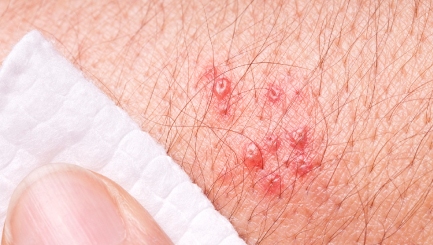
Shingles, or herpes zoster, is a reactivation of the chicken pox virus resulting in a painful rash with lesions.  It does not increase the risk of cancer in the general population

Shingles, also called herpes zoster, is a painful skin rash caused by the varicella zoster virus (VZV). VZV is the same virus that causes chickenpox. After a person recovers from chickenpox, the virus stays in the body. Usually the virus doesn’t cause problems, but it can reappear years later, causing shingles.

Shingles usually starts as a rash on one side of the face or body. The rash starts as blisters that scab after three to five days and usually clears within two to four weeks. There is often pain, itching or tingling in the area where the rash develops.

Shingles is not caused by the same virus that causes genital herpes, a sexually transmitted disease.

Herpes zoster infection is very easy to diagnose, and antiviral medication can be used to treat the infection in the early stages.  While the mechanism by which shingles increases stroke risk remains unclear, the possibility of developing a stroke after a shingles attack should not be overlooked.

Although herpes zoster is more common in patients with cancer than in those without, it is unknown whether the risk of cancer is increased for people with herpes zoster.

Patients with chronic obstructive pulmonary disease (COPD) are at greater risk of shingles compared with the general population.

People with a compromised immune system are at greater risk of developing shingles although it has not been previously studied in patients with COPD.

Patients in Taiwan with newly diagnosed herpes zoster found no increased risk of cancer in patients with herpes zoster.

Research findings show that there is no overall increased risk of cancer among patients with herpes zoster compared with the general population, regardless of sex, age or years of follow-up.

Data on other illnesses in patients with herpes zoster, such as diabetes, chronic obstructive lung disease, autoimmune disease and heart disease indicate that at the time of diagnosis of herpes zoster or enhanced surveillance for cancer after such a diagnosis is unnecessary


Risk of Cancer for patients with Shingles