Showing posts with label cervical cancer. Show all posts

Go to Source


The statistics by the ministry of health show that more males died of AIDS when compared to women who are mostly killed by illnesses that are related to sexual and reproductive health. 


The ministry of health has also made the month of June a males health month to address health issues that affect males.


In 2012, 1 258 men died of AIDS and only 910 women died of the same disease in the same year.


However, in that same year (2012) 3 429 women died due to sexual and reproductive health issues. The issues include complications of labour and delivery, miscarriages and complications following abortions and ectopic pregnancies.


Other contributing factors are barriers women face in achieving timely and effective health care needed to prevent deaths occurring in pregnancy and child birth.


What is most interesting to note is that women are not cited to have fears of seeking medical attention but are barred by factors that are beyond their means.


Males, on the other hand, are said to have fears in seeking medical attention before they get ill. The alarming death toll due to AIDS has probed a question as to why most men died of the illness. Most of the responses from the organisations that deal with HIV/AIDS matters suggest that men have a fear of testing as they fear the unknown.


Stigma


Sipho Dlamini, the Acting Director of the Swaziland Network of People Living with HIV and AIDS adamantly stated that the stigma of the illness was still prevalent hence the reason why most men did not want to test for HIV.


“The stigma that is attached to HIV/AIDS is still very high. I can’t deny that and it’s mainly because of the manner in which HIV was handled in the past. The past connotation was that the virus was only contracted by those who were loose and it’s very hard to erase that,” he said.


He further stated that media also played a part in that by labelling hospital wards that were once believed to be of patients that were dying of AIDS.


“The media’s discriminatory statements, particularly when reporting about a person who had died after a long illness and highlighting that the deceased had died in Ward 18, which was falsely perceived to be of patients who had AIDS, has also made the stigma worse; yet in actual fact, the media can do a lot to assist with destroying the stigma,” he explained.


When asked why most men died of AIDS, he stated that in most cases men tested very late and started treatment (ARVs), shortly after testing and that shows that they were already ill. He also said that they (SWANEPHA) discouraged that and wanted people to test for just about any other health issue and not just for HIV.


Dlamini emphasised that myths and perceptions around HIV were just the main factor as to why males did not test. He said: “The issue of stigma is a global issue and it’s also a human rights issue but once you mention the aspect of that; people think that it’s political or about the struggle,” he revealed.


He also counted fear and an element of inferiority as other reasons why men did not test.


SWANEPHA Regional Co-ordinator Gavin Khumalo also called for a change of mindset in this regard.


“I think all that is needed is a change of mindset and that can assist in many ways. Men in general don’t respond fast to any issue and take too much time thinking about issues before reaching a conclusion or decision,” he stated.


Senior nurse at laMvelase Health Centre Setsabile Mswane also agreed that men tested very late.


“Men seek medical attention very late when the illness has progressed, whilst women seek medical attention at the onset of the illness,” she said and continued, “I think socialisation has a lot to do with it, as males are told to be brave and persevere when ill and also have fear of the unknown especially when one knows his past behaviours,” she stated.


Contrasting Figures


Whilst most men are killed by AIDS, the below graphs show that women die mostly of sexual and reproductive related illnesses. The second illness that killed most women over the past three years are gastro enteritis and colitis that claimed in total 3 818 lives, AIDS that has killed 2737, pulmonary tuberculosis 2593 and lastly cervical cancer that has claimed 405 lives over the past three years.


Males on the other hand died more in 2012 of AIDS that killed 1,258. AIDS is the third killer of females and in 2012 claimed 910 lives. In second position (males) came pulmonary TB that claimed 1,245 lives, yet TB comes in fourth position for females and in 2012 claimed 738 lives. Gastroenteritis claimed 530 lives and came in third place for males, whilst with women the same illness came at number two and in 2012 claimed 1 137 lives. Diabetes also claimed 491 lives of males in the female health graph it does not reflect.


Instead, in fourth position, females died of pulmonary tuberculosis. The last condition that killed males the most in 2012 was hypertension that claimed 311 lives and with women, the last condition is cervical cancer that claimed 405 women.





Smear tests aren’t just a good idea for your sexual health and wellness; they might protect your wellbeing against cancer. This is according to a new study from Cancer Research UK, which has found that women over 50 who fail to have smear tests have a higher chance of developing the disease.


Wellness expert Denis Campbell notes, ‘Women over 50 are being urged to have regular smear tests after research showed that those who do not attend screenings are six times more likely to develop cervical cancer than those whose tests have been normal. A study from Cancer Research UK scientists found women who fail to have smear tests over 50 have a much higher chance of developing the disease compared with other women the same age who have a history of normal screening results. Researchers also found that women with a screening history and normal screening results between the ages of 50 and 64 have a lower risk of cervical cancer at least into their 80s.’


But how did the investigators come to this finding? Campbell details, ‘Researchers examined data taken from 1,341 women aged 65 to 83 who were diagnosed with cervical cancer between 2007 and 2012, and compared them to 2,646 women without the disease. Among those women who skipped smear tests between the ages of 50 and 64, 49 cases of cervical cancer were diagnosed per 10,000 women at the ages of 65 to 83. This compared with just eight cases per 10,000 women among those with an adequate screening history and normal results. Women who had been screened regularly but had an abnormal result between the ages of 50 and 64 had the highest risk of all – 86 cervical cancer cases per 10,000 women at age 65 to 83.’


If you’re a woman aged 25 to 49 living in England or Northern Ireland, you are offered screening every three years. If you’re aged between 50 and 64, you are able to have screenings every five years. No matter what your age, however, you can control your risk of cervical cancer through regular screening, says Professor Julietta Patnick, director of the NHS Cancer Screening Programmes. ‘Any abnormalities that might be found can then be treated in order that they do not go on to develop into cancer,’ she explains. ‘Where a cervical cancer is found through screening, it is usually at a very early stage where treatment has a greater chance of success. It is essential that women are aware of this when deciding whether or not to be screened.’


Sarah Williams, Cancer Research UK’s health information officer, also points out that cervical screening has saved thousands of lives. She notes, ‘This study highlights how important it is to keep an eye on women who’ve had abnormal cells in their cervix. In the UK, these women have follow-up screening tests and tests for the HPV infections that cause cervical cancer, to reduce the risk of the abnormal cells coming back.’ However, this is not the only study that has recently found certain women to be at a higher risk of cervical cancer.


According to a paper on the British Medical Journal’s website, ‘Women previously treated for CIN3 are at increased risk of developing and dying from cervical or vaginal cancer, compared with the general female population. Women previously diagnosed with, and treated for, CIN3 were at substantially increased risk of developing cervical or vaginal cancer when they reached 60. The risk accelerated with further ageing.’ Robert Music, chief executive of Jo’s Cervical Cancer Trust, added that this study highlighted a need to look at the follow-up treatment of women with CIN3.

Although most will never know it, four out of five women are likely to be infected with human papillomavirus (HPV) at some point in their lives. Using a condom doesn’t always protect your wellbeing against HPV, which is a major concern – not just to your sexual health, but to your overall wellness. HPV is the cause of virtually every case of cervical cancer, and yet a woman who finds out she has an HPV infection is not likely to tell even her closest friends. But why?


As HPV is a sexually transmitted disease (STD) there is a certain amount of social stigma attached to it, meaning that women would rather keep schtum than get help. However, having HPV is a lot more normal than you may think, so there’s no real reason to stay silent. Plus, knowing your HPV status can help you identify your risk of cervical cancer – which is highly preventable if caught in time. Usually, the virus is harmless, with most of the 6 million new cases of HPV in the United States each year clearing up on their own. If you have HPV, it does not mean that you have had a lot of partners, although having multiple partners does increase your risk. However, unless you have been vaccinated, it’s quite likely that you will get a HPV. A study of women with just one partner found that 50% had HPV infections three years into their monogamous relationships.


That is not to say that having HPV means you have been unfaithful. There is a good chance that you could have contracted the virus years or even decades ago, but the HPV has been hiding out in your system before developing into changes in cervical cells. There are plenty of stories from couples who have been married for 10 or 20 years and found themselves upended by HPV. It is impossible to know when and where you have contracted the disease, so don’t jump to relationship-rattling conclusions. You don’t even need to have sex to transmit HPV; the virus can be transmitted through skin-to-skin contact, meaning that contact with the hands and oral sex can also spread the infection.


You may be worried about letting your teenagers have the HPV vaccination because it opens them up to the idea that they are about to have sex. However, getting the HPV vaccine isn’t about sex; it’s about cancer. The reason why it’s given to young people is to ensure they are vaccinated well in advance of their first sexual encounter, which, for some kids, can be age 13. Moreover, the body’s antibody responses are highest between the ages of nine and 15, which means the vaccine is at its most effective during that window. There are four HPV types that are responsible for 70% of cervical cancers and 90 percent of genital warts, and the current vaccines, which are recommended for young girls and boys, protect against all of them.


We cannot ignore HPV, in spite of the stigma attached. If more people were to turn to the vaccination, we might soon speak about the virus in the same way we do about polio or smallpox. However, letting HPV reign in our lives can be life-threatening. While most infections go away without any treatment, some infections with specific types of HPV can persist and develop into cervical cancer over years or even decades. Therefore, there are many good reasons why you need to talk about HPV – and schedule your annual OB/GYN exam if you haven’t done so yet.

The internet has a lot of power these days, with any crazy person with a Wifi connection able to target anyone, anywhere. It’s easy to see how this might affect your emotional wellbeing – but what about your sexual health? Wellness expert Shaun Dreisbach notes, ‘Imagine a vaccine that helps prevent cancer. Now imagine that it’s going unused because of myths circulating online. That’s what’s happening with the HPV vaccine: A debunked article from 2009, which claims the shot doesn’t work and that it has led to dozens of deaths, went viral again late last year, and University of Maryland researchers have found that 52% of the HPV-vaccine-related videos they examined on YouTube had a negative, disapproving tone.’ But how can one article do so much damage?


‘Some experts fear these rumours are contributing to “horrifically low” vaccination rates for HPV—a sexually transmitted infection that affects nearly all adults and can cause genital warts and cancer,’ Dreisbach warns. ‘The Centres for Disease Control and Prevention estimates that this lifesaving vaccine could prevent 15,000 cases of HPV-related cancers each year, but a new study says that only 28% of women 18 to 26 report having started the three-dose series. As with any immunisation, there can be side effects, but out of the 57 million doses given in the US, less than 2,000 cases of serious reactions have been documented—and some of those haven’t been conclusively linked to the vaccine.’


Katharine O’Connell White, MD, chief of the division of general obstetrics and gynaecology at Baystate Medical Centre in Springfield, Massachusetts, argues that the HPV vaccine is ‘as safe as the flu shot. The most common side effects are pain and redness at the injection site; “more serious” symptoms include nausea and fainting. You have to balance the vaccine’s risks against what’s possible if you don’t get it, which is cancer.’ Dreisbach admits, ‘Though some deaths have been reported, the CDC has investigated each case and found no evidence the vaccine was to blame. And the shots are effective. Gardasil, the most popular and widely available vaccine, offers nearly 100% protection against the 2 types of HPV that cause about 75% of reported cervical cancer cases. The vaccine also protects against other strains that cause genital warts.’


But you’ve probably missed your chance now, right? ‘You can still get the shot if you’re already sexually active,’ says Dreisbach. ‘The vaccine is usually recommended for girls between ages 11 and 12 because it works best prior to HPV exposure. But some experts say adult women should also get it, even if they’ve already had HPV…While the FDA has yet to officially recommend the vaccine to women over age 26, many doctors do prescribe it.’ Dr. White explains, ‘Your body could naturally fight off the infection, and then you can get HPV again. Getting vaccinated now may safeguard you against future infections…If you’re not monogamous, you’re probably going to see more penises!’


And make sure you get all of your doses, says Dreisbach: ‘One study found that only 17% of women, on average, get all three doses of an HPV vaccine, which are supposed to be administered over a six-month period. Although that’s better than nothing (National Cancer Institute research shows that one or two doses still help women develop higher anticancer antibody levels than unvaccinated women), a partial series may not be enough to keep you cancer-free, so it’s best to follow up and get all the shots.’ And, if you need more information, don’t trust everything you read on the internet. As Dr. White says, ‘If you still have questions about the HPV vaccine, hit up your gyno—not Google.’

Pap tests aren’t exactly anyone’s favourite part of sexual health and wellness. Sure, they can help detect whether your wellbeing has been affected by cervical cancer, but Pap tests are also uncomfortable and a bit scary. Still, as Pap tests are mightily important, we put your Pap-related questions to Dr. Sheila Wijayasinghe, medical director at the Immigrant Womens’ Health Centre and staff physician at St. Michael’s Hospital, to find out everything you need to know about Pap tests.


1. What Does a Pap Test Involve? According to Dr. Wijayasinghe, ‘A Pap test involves gently inserting a speculum, a metal or plastic medical tool, into the vagina to directly visualize the cervix and sample the cells. While it may feel much longer, it should only take a minute or two to complete.’


2. Why Do You Need a Pap Test? ‘Pap tests are an important tool that can pick up early changes in the cells of the cervix that over time can lead to cancer,’ Dr. Wijayasinghe explains. ‘Having regular testing increases the chances of picking up precancerous changes early. Without any history of abnormalities or symptoms, most provinces recommend having a Pap test every three years for women and transgender men.’


3. Should You Go to Any Old Doctor? ‘It’s very important to have trust in your healthcare provider (doctor or nurse practitioner) who is doing your Pap test,’ Dr. Wijayasinghe asserts. ‘If you are seeing a new doctor, let him know that you’re nervous. Sharing your concerns will alert the doctor to take extra time to support you. If you had a previous painful experience, he can take additional steps such as warming up the speculum, using enough lubrication and taking the time to talk you through the test.’


4. What If You’re Not Comfortable with Doctors? Dr. Wijayasinghe advises, ‘If you are not comfortable with your doctor, find a clinic that has expertise in sexual health. Most larger cities will have sexual health clinics that offer Pap tests and STI screening. These clinics will often carry different sized speculums including extra-small versions that can be used if it’s your first Pap or if you’ve had discomfort in the past.’


5. What’s the Best Position to Be In During Your Test? ‘At your appointment, it’s important that you get into a comfortable position,’ says Dr. Wijayasinghe. ‘When we’re nervous, our muscles tense, including the ones in the vagina. This can make inserting the speculum difficult and the test will be more uncomfortable as a result. I encourage my patients to do whatever helps them feel most comfortable. I suggest they breathe slowly and visualize their muscles relaxing. Some of my patients find it helpful to distract themselves by wiggling their toes, talking through the test or having a loved one in the room. Your doctor should use either warm water or lubrication to help insert the speculum more comfortably. While a Pap test may be uncomfortable, it should not be painful. I always tell my patients that they are in control of the situation and the same holds true for you, so if it becomes too uncomfortable either emotionally or physically, tell your doctor to stop.’


6. Can You Do Anything to Make Your Test Results More Accurate? Dr. Wijayasinghe recommends, ‘Don’t use any vaginal douches or creams within 48 hours and limit sexual activity within 24 hours of the test. Don’t schedule the test during your period; mid-cycle is best. If you’re being treated for an infection, book at a later time as it can alter the test results.’

Being diagnosed with cancer is overwhelming news in itself. Moreover, if a woman gets to know that the disease could also prevent her from having children, it could be traumatic.


Gynecological cancers like endometrial cancer or cervical cancer can severely affect a woman’s chances of getting pregnant and having children. This happens because of the surgery carried out to remove the cancer as well as other treatments like radiation. Radiation on the pelvis area can damage the uterus and this might make carrying a pregnancy difficult.


Some types of chemotherapy can affect your heart as well as lungs, an issue which can make your pregnancy quite complicated.


This can be very distressing news for any woman because motherhood is something every woman looks forward to in her life. Most of the women find the fact that their chances of having children might get affected emotionally disturbing, while some women give more importance to having a successful treatment and being alive.


Surgical procedures for cervical cancers and their effect on chances of pregnancy


For patients in the early stages of cervical cancer, fertility sparing surgery can be of help. Cervical conization is a surgical procedure carried out to remove just the central part of the patient’s cervix. This is a minimally invasive procedure and patients have had successful pregnancies after this surgery.


For patients whose cancer is in stage IA2 or IB1, the surgical procedure is little bigger and involves removal of considerable part of cervix as well as some tissue around the cervix, yet the remainder of the uterus is left intact. The lymph nodes in the pelvis might also be removed to prevent the spread of cancer to other parts of the body. This procedure is called radical trachelectomy.


The removal of most of the cervix results in the risk of losing the pregnancy in the early stage or delivering before completing the pregnancy. The patient needs constant monitoring during the pregnancy and might also require a caesarean section for delivering the baby. A cerclage or suture can help keep the pregnancy in the uterus. This procedure is relatively new and not very common. Your oncologist and obstetrician must be consulted and all possible risks discussed in detail.


In case of advanced cervical cancer, the patient needs radiation along with surgery. In such a case, ovarian transposition may be tried. It is a minimally invasive surgery. The ovaries are surgically removed from the pelvis and placed in the abdomen in such a manner that they are out of the radiation field. This procedure cannot help if the patient needs chemotherapy. Moreover, this procedure has a chance of failing because the blood supply to ovaries gets affected.


If you have to undergo hysterectomy, you would not be able to get pregnant after the treatment is over. Same is the case with radiotherapy which affects the working of your ovaries.


Some options available to cancer patients


If you have one ovary, your uterus is not damaged and you are having regular periods, you do have hope of conceiving naturally. If you are having unable to conceive naturally, you can ask your gynecologist about assisted reproductive techniques.


If both the ovaries have been removed, or your treatment has eliminated the possibility of healthy eggs, you can opt for donor eggs or embryos and carry the pregnancy as well as give birth. If you are unable to carry the pregnancy because of medical complications, you can have the embryos planted to a surrogate volunteer.


If your doctor says that you will be unable to carry a pregnancy because of a procedure like hysterectomy, surrogacy might be a good option for you. You can have eggs or embryos frozen before you begin treatment and then have the same implanted to the surrogate.


You must talk to your doctors before your treatment begins and ask them about all your doubts and fears. This might help you find the best possible option for yourself.


Author Bio:


Sameer Gupta is a medical writer who writes well-researched, in-depth cancer articles which provide relevant information to help patients combat the deadly disease. Cancer Treatment Centers of America (CTCA) prides in providing the best cancer treatment solutions to patients who have endured to various cancer types. With cancer centers in Philadelphia, Tulsa, Chicago, Newnan etc., CTCA aims at providing the best treatment options to cancer patients.


Teenage patient vaccination
The HPV vaccine is routinely offered to girls of 12 and 13 to reduce the risk of cervical cancer, but health groups say boys not given the vaccine are at greater risk of viruses linked to other cancers Photograph: Burger/Phanie/Rex


Boys are being denied protection against the risk of cancer because they are not routinely offered the same vaccination as girls, a coalition of 25 patient groups and health organisations has claimed.


The coalition has launched an online petition for a “gender-neutral” approach with the HPV vaccine, which is already offered to girls of 12 and 13 to reduce the risk of cervical cancer.


Several backbench MPs backed the idea last year and vaccination advisers to the UK government have already pledged to consider the move but now HPV Action is stepping up the pressure on ministers to follow the example of the US, Australia and some Canadian provinces.


The vaccination combats a family of viruses that are also linked to a number of cancers prevalent in men including anal and penile cancer and genital warts. Peter Baker, campaign director for HPV Action, said: “Vaccinating girls alone is not enough to tackle HPV. Men can still get the virus from unvaccinated women from the UK and other countries or from other men.


“It is simply unfair to deny boys in the UK the same level of protection as girls or as boys in Australia and other countries where both sexes are now routinely vaccinated. The HPV vaccination is one of the easiest ways of preventing cancer.”


An online poll of 1,336 parents by YouGov for the organisation last month found 64% agreed with boys and girls being vaccinated, with 11% disagreeing and 25% unsure, said HPV Action, which includes the Royal College of Obstetricians and Gynaecologists the British Association for Sexual Health and HIV, the British Dental Association, the Terrence Higgins Trust and the Throat Cancer Foundation.


Teenage patient vaccination
The HPV vaccine is routinely offered to girls of 12 and 13 to reduce the risk of cervical cancer, but health groups say boys not given the vaccine are at greater risk of viruses linked to other cancers Photograph: Burger/Phanie/Rex


Boys are being denied protection against the risk of cancer because they are not routinely offered the same vaccination as girls, a coalition of 25 patient groups and health organisations has claimed.


The coalition has launched an online petition for a “gender-neutral” approach with the HPV vaccine, which is already offered to girls of 12 and 13 to reduce the risk of cervical cancer.


Several backbench MPs backed the idea last year and vaccination advisers to the UK government have already pledged to consider the move but now HPV Action is stepping up the pressure on ministers to follow the example of the US, Australia and some Canadian provinces.


The vaccination combats a family of viruses that are also linked to a number of cancers prevalent in men including anal and penile cancer and genital warts. Peter Baker, campaign director for HPV Action, said: “Vaccinating girls alone is not enough to tackle HPV. Men can still get the virus from unvaccinated women from the UK and other countries or from other men.


“It is simply unfair to deny boys in the UK the same level of protection as girls or as boys in Australia and other countries where both sexes are now routinely vaccinated. The HPV vaccination is one of the easiest ways of preventing cancer.”


An online poll of 1,336 parents by YouGov for the organisation last month found 64% agreed with boys and girls being vaccinated, with 11% disagreeing and 25% unsure, said HPV Action, which includes the Royal College of Obstetricians and Gynaecologists the British Association for Sexual Health and HIV, the British Dental Association, the Terrence Higgins Trust and the Throat Cancer Foundation.


When Michael Douglas announced that he had throat cancer, it came as something of a surprise that he thought there was only one culprit: oral sex. While it might seem at first that Michael Douglas was a delusional man, it become clear that what he saying was actually guided by genuine science. While he later stated that the cancer he had was tongue cancer rather than throat cancer, the point still stands that the evidence is now mounting up that giving oral sex leads to a number of different cancers in men.


There has been a huge spike in the number of head and neck cancers that have been linked to HPV over the past twenty years. It is beginning to raise alarm bells that we may need to worry about the risk of sexually transmitted infections and their potential ability to cause cancer in men. Indeed, according to a new study in the Journal of Clinical Oncology, between the years of 1988 and 2004, head, neck and throat cancers that tested positive for the human papilloma virus were seen to rise an astonishing 225 per cent. This is very worrying news indeed as it seems these levels of cancer are likely to continue to rise.


In fact the authors of the study go so far to argue that within the next decade the number of incidents of such cancers will overtake that of cervical cancer. It’s also true that the majority of those cases are going to be in men and will be caused by giving oral sex.  This is a point that is often missed in public talk about the HPV infection. And also remember that there is a vaccine that can prevent it.


There has been recent controversy over comments that were made by the presidential candidate Michele Bachmann about the HPV vaccine, the major aspect was squarely on young women and cervical cancer. But HPV, and specifically usually a strain called HPV-16, also causes oropharyngeal and anal cancer. This is a fact that is not often reported in the media because medical organizations, the government and academics do not want to get themselves locked into a debate about peoples sexual practices.


Until very recently, cancers of the head and neck were usually diagnosed in older people – in this instance, those with an average age of 60. Those types of cancer were usually caused by smoking or drinking too much alcohol. These types of exposures are likely to take around 20 years or more to cause the disease to occur. And, they typically didn’t test positive for HPV markers. In fact, the incident of HPV-negative head and neck cancers declined by more than 50 percent during the 16-year study period, mostly due to declines in smoking and other forms of tobacco use.


But it now seems that we are seeing the average age of head and neck cancer patients drop as increasingly younger people are beginning to develop HPV-caused cancers resulting from sexual exposure. Oral sex is thought to be one of the serious primary causes of this. Unfortunately one of the solid facts of the problem is that the best way to prevent the spread of HPV-caused cancer is to avoid the kind of practices that put you at risk. These are namely oral and anal sex – and to try to tell people that they can’t have sex in a certain kind of way would be an extremely unpopular move given how these are very mainstream forms of sexual contact. It will be interesting to see if further ideas are produced.

Cervical cancer is threatening to become a major health concern around the world, as the disease is often transmitted through sexual contact. Human papilloma virus (HPV) infection causes your healthy cervical cells to develop abnormal precancerous changes over a period of time, which can potentially develop into cancer. So is your wellbeing at risk to cervical cancer?


The major risk factor for this kind of cancer is exposure to HPV, although only a few of the 100 varieties have been associated with cervical cancer. Only a small percentage of women exposed to the virus actually go on to develop the disease, but exposure to other sexually transmitted infections (STIs), such as chlamydia and HIV, can increase your risk of cervical cancer. Other associated risk factors include:


  • Having sexual intercourse at an early age

  • Having multiple sexual partners

  • Giving birth multiple times

  • Having a lower socio-economic status

  • Smoking

  • Taking oral contraceptives


If you cancer is limited to the lining of the uterus, it is known as carcinoma in situ and has a 100% cure rate. However, your wellness is more at risk if the cancer is not treated in this early stage, as it can go on to invade your cervical tissue. This is known as invasive cervical cancer, and can infiltrate your adjacent pelvic tissues and distant organs in later stages. On average, it takes eight to 10 years for precancerous lesions to progress to carcinoma in situ, and another eight to 10 years to develop into invasive cervical cancer. However, as the five-year survival rates dwindle as invasive cancer progresses, early detection and treatment is all-important.


Half of cervical cancer patients are diagnosed between the ages of 35 and 55, as cancer of the cervix tends to occur during midlife. It’s very unlikely that cervical cancer will affect you before the age of 20, but as women with pre-cancer or early cervical cancer usually have no signs or symptoms, it’s important to get pap smears every three years once you turn 25. When the cancer becomes invasive and spreads, symptoms are more likely to appear. If you’re worried that your wellness has been affected by cervical cancer, ask yourself the following questions:


1. Do you bleed after sex?


2. Have you had irregular bleeding in between your periods?


3. Have you experienced bleeding even after menopause?


4. Do you have foul-smelling vaginal discharge?


5. Does your cervix feel hard to touch?


6. Is there an ulcer or cauliflower-like growth on your cervix? (This occurs with certain types of cancer).


While answering yes to any of these questions could indicate that you have cervical cancer, it is important to note that these symptoms may be caused by other conditions. Still, if you are experiencing any of these symptoms, you should immediately contact you doctor. It is likely that you will need a pap smear, so you should avoid sexual intercourse, vaginal douching, medications, tampons, birth control jellies and foams for 48 hours before the test, as this affects the accuracy of the results.


Before it gets to that stage, there are things you can do to prevent HPV infection and, as a result, cervical cancer. Start by limiting the number of sexual partners you have, as well as having sex with any men who have had multiple partners. You should also use condoms every time you have sex, and get yourself vaccinated against the HPV virus. This protects you against four strains of HPV: HPV-16 and HPV-18 – which cause 70% of cervical cancer cases – and HPV-6 and HPV-11, which cause 90% of genital warts.

According to a wealth of research, gay men and lesbians are less likely to protect their wellness with routine screening tests than heterosexuals. Whether you’re gay or straight, illnesses can affect your wellbeing, so why aren’t you having screening or testing done to check your risk? And we’re not just talking about sexual health here, but other health concerns like cancer. Gay men and women often fear discrimination, or simply don’t think they’re at risk, and so they don’t get tested but the screening process may save your life. It’s vital that certain conditions are detected early, and some, such as breast cancer, may actually be more common in gay people.


For Women Only:


  • Cervical cancer screening: If you have sex with other women, you should have cervical smears every three to five years. Early detection of cervical abnormalities is vital to prevent cervical cancer, which is currently diagnosed in around 2,800 women each year. There’s an urban myth floating around that lesbians can’t get cervical cancer, but in reality your risk is just thought to be lower than straight women. You can still develop cervical cancer, but according to charity Stonewall, 15% of lesbians and bisexual women have never had a cervical smear test compared with 7% of women in general. The NHS Cervical Screening Programme encourages every 25- to 49-year-old woman to have a screening every three years, and women aged 50-64 are invited every five years. Your GP gives the programme your details and sends you a reminder letter when your test is due, so it’s vital to register with a local surgery.


  • Breast cancer screening: Stonewall’s survey of more than 6,000 women found that lesbians are more prone to breast cancer than straight women. This may be linked to other factors that lesbians are more prone to, such as being overweight, drinking more alcohol and being less likely to have children. Compared to one in 20 of women in general, more than one in 12 lesbian and bisexual women aged between 50 and 79 had been diagnosed with breast cancer, and yet lesbians and bisexual women are less likely to attend routine breast screening tests. As the NHS Breast Screening Programme automatically invites 50- to 70-year-old women for screening every three years, and encourages the over 70s to make their own screening appointment every three years, there’s no reason not to get tested.


For Men Only:


  • HIV Testing: As a gay man, you’re more at risk of certain sexually transmitted infections (STIs), such as gonorrhoea, than straight men. This is certainly the case with HIV, as gay men in the UK are the most commonly affected group even though it can affect anyone’s wellbeing. The Health Protection Agency (HPA) notes over a quarter (27%) of people with HIV don’t know they have it, and the number of people with HIV continues to rise. The most common way to spread HIV is through penetrative sex, and so prevention using a condom is key. However, if you do have unprotected sex or think you might be at risk of HIV, your nearest genitourinary medicine (GUM) clinic can give you a free, confidential and anonymous sexual health check.


For Men and Women:


  • General health checks: You’re eligible for NHS bowel cancer screening from the age of 60 and for a blood pressure check every five years or so from the age of 40, although you should be screened more often if you have high blood pressure.


  • Chlamydia screening: As one of the most commonly diagnosed sexually transmitted infection (STI) in the UK, chlamydia can affect men and women, gay or straight, and often doesn’t present any symptoms. You can get a free chlamydia test if you’re under the age of 25, but screening is important at any age as chlamydia can lead to serious health problems if left untreated.

When the human papillomavirus (HPV) vaccine was commercially launched in 2006, the wellbeing of future generations of women was secured against the viruses that cause 70% of cervical cancer cases. However, cervical cancer continues to cause approximately 275,000 deaths every year, with 85% of those deaths occurring in developing countries. So how can we reach the young girls in low- and middle-income countries whose wellness could significantly benefit from a HPV vaccination?


Gavi, which funds vaccines for children in the world’s 73 poorest countries, has now set a target of supporting the vaccination of 30 million girls against HPV by 2020. Gavi-funded pilot projects are due to start in Ghana, Kenya, Laos, Madagascar, Malawi, Niger, and Sierra Leone this year, and in Tanzania in 2014. Countries that can demonstrate their ability to deliver the vaccine will have access to a full rollout of funding.


According to Seth Berkley, Gavi chief executive, ‘There is a triple whammy for women in the developing world: they have a higher incidence of HPV infection, there is usually no good screening programme in place, and if they do get cervical cancer they don’t have good treatment options.’  In Cambodia, for example, the age standardised cervical cancer mortality rate (which minimises the effect of age composition in different populations) is 16.2 per 100,000 and in Kenya it is even higher, at 17.3 per 100,000. By contrast, the rate in the UK is 2.0 per 100,000.


Dr Kimberley Fox of the Expanded Programme on Immunisation at WHO’s Western Pacific regional office in Manila, notes that the 70% level of protection offered by HPV vaccination ‘has lead to a lot of excitement, because countries can be confident of achieving a real impact from a fairly bounded intervention.’ However, she adds, ‘The cost and complexity of implementation is a barrier because it is being delivered through new systems, such as through schools. That seems a very convenient way to reach girls aged nine to 13 but this is not a system that the national immunisation programmes already have in place.’


There is also another big challenge at the local level; communications. ‘This vaccine has been a sensitive issue in many countries, because it relates to reproductive health,’ Fox explains. ‘Communications with communities, schools, teachers, parents and girls are really crucial to ensure acceptance of vaccine. They have to understand what the vaccine is, that it’s about preventing cancer.’


woman attractedHealth is often about more than simply the physical and this is especially true for women. Our wellbeing – mental and emotional as well as social – is every bit as important as being physically well for all of us. And crucially, all those elements are essential too for women’s sexual and reproductive health.


Here are 7 ways for a woman to take control of her body and improve her wellbeing in every way.


1. Know your body: Examine and explore every single part of your own body so if there are any unexpected or unexplained changes, you spot them right away and, when necessary, consult a doctor.


2. Maintain good personal hygiene: This a basic but important message. Washing your private parts regularly is essential to stop any bacterial or urinary infections. When you are menstruating, it’s even more important to wash properly and thoroughly and to change sanitary ware regularly.


3. Take charge of your own reproduction: Prevent unwanted pregnancy by using contraception such as the pill or intra-uterine devices such as the coil. Find the contraception that suits both your physical needs and your lifestyle – some women find it a bind to take an oral contraceptive daily and so look for more long-term contraception such as an implant. When you are in control of your own reproduction, you can decide when is the right time for you to have a child.


4. Always practice safe sex: Always use a condom to prevent the spread of sexually-transmitted infections such as chlamydia, syphilis, gonorrhoea, herpes, HIV, hepatitis and HPV. Using a condom will also help prevent unwanted pregnancies and this form of protection has a higher success rate than other forms of contraception such as the pill.


5. Go for regular smear tests: In the UK, women between 25 and 64 undergo a cervical screening to test for abnormal cells in the cervix that can lead to cervical cancer. Those aged 25-49 are invited for testing every three years with older women invited every five years. Regular screening can protect you against cervical cancer.


6. Go for regular breast screening: Women over the age of 50 are routinely screened via a mammogram to test for cancer-female/">breast cancer. The screening programme works as an early warning system for the disease. All women, regardless of their age, should examine their own breasts regularly and if you feel anything different or unusual, please consult with your GP immediately.


7. Enjoy your sex life: An active, healthy sex life is one of life’s joys so don’t be embarrassed by your physical desire. It’s perfectly natural and it’s supposed to be fun!


7 Ways for a Woman to Take Control of Her Sexual Wellbeing

13,000 Cancer Deaths A Year Could Be PreventedCervical cancer has come more and more into the public eye in recent years, thanks, in part, to the development and availability of the Human Papilloma Virus (HPV) vaccine. But what exactly is cervical cancer and how might it affect your wellbeing?


Your cervix is the part of your reproductive system that connects your uterus to your vagina. During your period, this lower, narrow part of the uterus allows the menstrual blood to flow out into the vagina, and when you’re pregnant, your cervix is closed tightly to prevent the baby from leaving the uterus until he or she is ready to be born.  During child birth, your cervix then dilates or widens to allow the baby to pass from the uterus to the vagina.


So, then, your cervix plays an important role in your reproductive wellness, but where does cancer come in? Although the exact causes of cervical cancer are not known, several risk factors are linked with the disease. The Human Papilloma Virus (HPV), for example, is a group of viruses that can infect your cervix, and this accounts for most cases of cervical cancer. You can primarily contract HPV from someone else during unprotected sexual contact, and so if you start having sex at a young age, or have multiple sexual partners, you are more likely to have HPV. Also, your risk of HPV increases the younger you have sex, because the cells that line your cervix do not fully mature until the age of 18.


Other than HPV, sexually transmitted diseases (STDs), such as gonorrhoea, chlamydia, syphilis or HIV/ AIDS increase your risk, and women with cervical cancer generally have a history of STD infection. You’re also more likely to develop cervical cancer if you’re a smoker, or if you using birth control pills for a long period (over five years), though the risk decreases when you stop using the pill.


When it comes to symptoms, you need to be on the look out for abnormal vaginal bleeding, which can occur at any time during your cycle, and can be heavy or light. This bleeding symptom can also occur when your cervix is irritated, such as during sex or a pelvic exam. Also, you may experience unusual heavy discharge, which might be foul smelling, watery, thick or contain mucus, as well as pelvic pain not related to your usual cycle, and bladder pain during urination. If you do experience these symptoms, consult a doctor so the problem can be treated early.


Cervical Cancer: Do You Know the Causes and Symptoms?

mobileWhen you think that most people use their smartphone to play Angry Birds or download novelty apps, it begs the question; ‘What’s the point?’ However, there is a surprising advantage to having that kind of communicative power at your fingertips has a surprising advantage; bringing healthcare to Third World countries that had previously been too remote and too costly to reach.


Smartphone technology can be used in a surprisingly simple way to improve the wellbeing, and save the lives, of thousands of women. Spearheaded by The Kilimanjaro Cervical Screening Project, the approach involves arming non-physician medical workers with screening kits, treatment tools and mobile phones, so they can visit remote locations in rural Tanzania to screen women for cervical cancer.


These workers will use the phone to photograph a patient’s cervix, instead of performing a typical Pap smear. Once they text those images to a physician, they will receive a diagnosis and treatment recommendation. It sounds simple, and, according to Dr Karen Yeates of Queen’s University, who is the lead investigator of the project, ‘That’s the beauty of it. For early grade cancers, those will be able to be treated right in the field, right in the rural area.’


The World Health Organization (WHO) says that cervical cancer affects women’s wellness 10 times more in Africa than in developed countries, and about 50,000 of the women diagnosed die from it every year. The lower rates of mortality in places like the UK are generally due to regular screenings, which helps you to catch the cancer in its earliest and most treatable stages. In countries like Tanzania, on the other hand, women don’t have access to similar preventative measures and WHO estimates that by the time most African women are diagnosed with the disease, they’ve already advanced into its latest fatal stages.


Thanks to being named one of the 68 finalists in Canada’s Grand Challenges, The Kilimanjaro Cervical Screening Project recently gained a prize of $100,000 funding, allowing it to begin its initial trials, and bring cervical cancer prevention to Tanzania. With technology, the hope is that geography and cost won’t impede the course of wellness as they once did, and soon patients in developing countries will have a real opportunity to survive illnesses that might have otherwise been fatal.


Could Smartphones Lower Rates of Cervical Cancer in Africa?

Could Oestrogen Injections Help To Prevent OsteoarthritisCancer treatment can be a gruelling process and some people are so put off by going through it several times that they may choose to decline procedures if tumours return. It’s important to chat to cancer specialists about our care because they can keep us updated on the latest methods that aim to prolong our life more painlessly.


Cancer immunisations?


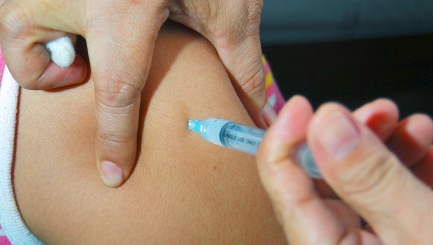
It would make cancer treatment much more tolerable if we could just visit our local clinic and get an injection to prevent the disease from taking hold in our bodies, like we can with flu. This may not be too far into the future, according to experts. The Food and Drug Administration in the US recently gave its stamp of approval regarding injections that target advanced prostate cancer tumours. Other vaccines are also being researched that could shrink ovarian, lung and pancreatic lumps. As well as potential vaccines to rid our bodies of the disease, immunisations to prevent the condition have already been launched via human papilloma virus injections. These counteract strains of the condition that create the majority of cervical cancer cases in the UK.


On target


Radiotherapy is another common treatment option we’re offered when we get a cancer diagnosis, but like chemotherapy it has undergone lots of advancement recently. One of the issues linked to the procedure in the past, is that the high intensity rays could affect surrounding healthy tissue. Instead of using these kinds of rays, radiographers can now target tumours with lower frequency electromagnetic waves via cytotron, which can help to preserve surrounding tissue.


Scientists have also developed techniques that allow them to attack cancers very precisely using a robotic arm. The cancer is imaged and its exact location measured so it can be removed via the mechanical device. These cancer treatments show that we are gradually getting closer to that ideal scenario where cancer can be treated and resolved like other common illnesses.


New Development: Can Your Cure Your Cancer With A Jab?