Showing posts with label junk food. Show all posts

There are more anti-ageing wellness myths than there are products on the shelf, whether they hail from generational Chinese whispers, or their grounding in “modern technology.” However, with the help of wellness experts, doctors and years of research, we’ve separated fact from fiction.


1. You Should Scrub Your Skin Squeaky-Clean: Whether you wash your face more than twice a day, or with products that leave your skin as tight as a drum, you can actually do more harm than good to the wellbeing of your skin. According to dermatologist Dr. Cheryl Karcher, ‘The water-cleanser combo can strip the skin of its natural oils and compromise its barrier, which can set you up for irritation and dehydration.’ Therefore, it’s best to avoid cleansers that contain harsh surfactants – which includes sodium lauryl sulfate (SLS), sodium lauryl ether sulfate (SLES), and ammonium lauryl sulfate (ALS) – as these products rid your skin of too much oil and leave it so dry that it feels taut. Instead, look for gentler cleansers that include ingredients such as coco betaine, cocamidopropyl betaine, coco glucoside, decyl glucoside, and sucrose laurate.


2. Botox Can Prevent Wrinkles: While this is theoretically true, no long-term studies support this claim. Cosmetic dermatologist Dr. Fredric Brandt explains, ‘If you relax the muscles that continually contract, you’ll be less apt to see creases over time. But other strategies, like using sunscreen and keeping up proper skin care, are more reliable and certainly less expensive options for fending off wrinkles.’ If you really must go for Botox, dermatologist Karyn Grossman recommends beginning Botox treatments no earlier than your 30s, which is when fine lines first appear.


3. Oily Skin Doesn’t Wrinkle as Much as Dry Skin: Brandt notes, ‘Oily skin may fend off wrinkles more easily because it tends to be thicker, which affords more natural protection against sun damage.’ Dr. Ruthie Harper, an internist in Austin, Texas, adds, ‘Women with oily skin may have higher testosterone levels, which can help protect against diminished collagen levels and, in turn, wrinkles.’ That said, oil-prone skin can still look old, especially when you consider the fact that factors such as sun exposure and smoking speed up the ageing process and cause wrinkles, regardless of your skin type.


4. Junk Food Causes Acne: Dermotologist David Bank confirms, ‘So far, no studies have shown a direct correlation between junk food and breakouts or acne.’ Yet high-glycaemic foods (typically foods that contain refined carbohydrates) have recently been linked to breakouts among people who are acne-prone. This is because such foods can quickly raise your blood sugar and insulin levels, leading to inflammation and, as a result, acne. Therefore, Harper recommends limiting these possible triggers and balancing them out with foods and beverages that contain anti-inflammatory benefits, such as green tea, broccoli, and fish rich in omega-3 fatty acids.


5. You Should Use Skincare Products From the Same Line: ‘Generally this is just clever marketing,’ says Bank. However, certain ingredients do become more effective when used together, and so some companies spread these factors out amongst their lines. Salicylic acid and glycolic acid, for example, work to unclog pores and prevent future spots, and so companies tend to separate these ingredients into two products – often an anti-acne cleanser and a gel treatment. Grossman admits, ‘If you’re trying to address a specific problem, like acne-prone skin or dark spots, this prepackaged approach may make it easier.’


6. You Can Get Rid of Cellulite: ‘No cellulite fix is permanent,’ warns dermatologist Dr. Howard Sobel. ‘Even liposuction, which removes excess deep-fat deposits, doesn’t necessarily improve the surface of the skin to the degree where the dimpled effect is invisible.’

Whether the stress of the job is making your skin wrinkle like a female Gordon Ramsay, or your recent insomnia has left your skin wellness a little dull and lifeless, there’s a lot of beauty issues that you chalk up to “ageing” when actually there are sneaky, secret causes that are hacking away at your wellbeing. However, for every beauty-damaging cause, there’s also an anti-ageing wellness solution, so here’s some of our favourite tips and tricks:


1. Job Stress and Wrinkles: Whether you’re gunning for a big promotion or just trying to hit your crazy deadlines on time, job stress can take its toll on your skin. This is because your telomeres – the little caps on the ends of your DNA that help protect and keep cells, including skin cells, young – are negatively impacted by stress, and are shortened by work-related exhaustion. Exercising for 40 minutes a day, three days a week, is just what the doctor ordered for work-related stress, but even doing a little but more movement can help you to keep stress at bay. For a beauty fix, Dr. Amy Wechsler, a New York City–based physician who is board-certified in both psychiatry and dermatology, recommends Botox, as research has shown a correlation between Botox and happiness. This may be because freezing your frowning muscles halts the negative emotions that accompany the movement. Wechsler adds, ‘A low dose of Botox will stop small lines from turning into full-blown wrinkles.’


2. Insomnia and Dullness: We’ve all looked a little worse-for-wear after a big night out, but too much sleep deprivation can make dull skin a staple occurrence. Wechsler notes, ‘Transepidermal water loss increases if you’re not sleeping.’ Or, in English, your skin can’t hang onto moisture, and your cell turnover also slows down. Wechsler insists, ‘No stressful TV before bed. You can’t turn off your brain after that.’ If you’re around air-conditioners and heaters all day, this may also be causing the moisture to evaporate from your skin, so run a humidifier at night to stay hydrated.


3. Junk Food and Acne: When you have a bad day, you instantly reach for junk food – after all, when was the last time you saw someone stress-eat a healthy salad? Dr. Josie Howard, a San Francisco psychiatrist and psychodermatologist who studies the relationship between mood disorders and skin, points out, ‘Emotions play a huge role in what, when, and how much we eat.’ However, if you’re eating comfort foods like dairy, white sugar, and fried foods, your insulin levels will rise and cause your skin to produce more oil, which triggers acne. Try to keep junk food out of sight so that you can more easily resist temptation. Washing anything that comes into contact with your face– e.g. makeup brushes, pillowcases and mobile phones – can also help prevent acne, as this stops you spreading bacteria.


4. Break Ups and Sagging: A study of twins has shown that women who went through a divorce looked two years older than their identical twins who hadn’t. The researchers surmised that this was because the drama of relationship break ups elevates your cortisol levels, and this stress hormone causes collagen – the protein that keeps skin plump – to deteriorate. However, meditation can help to lower your cortisol levels. Yoga instructor Kristin McGee asserts, ‘Even five minutes a day helps. Sit, close your eyes, and pay attention to your breathing. Don’t judge yourself—there’s no wrong way to meditate.’ Another way to keep skin plump and tight is to eat more kiwis. This anti-sag beauty food delivers more than a daily dose of vitamin C, which plays a key role in collagen synthesis.

It may seem sometimes like there’s a certain mystery to getting big and lean, but there isn’t. It simply relies on following a set of four rules and you’ll achieve it. You need to be able to simultaneously strip the fat from your body whilst building muscle. If you do it wrong, you’ll wind up tired, sore and unsuccessful. But do it right, and you’ll see the kind of results you’ve been striving for for years. There’s no magic powder or pill that’s going to help you achieve that physique you’ve been desiring for so long, much as marketing companies would love to tell you that there is. Hard work and a set meal plan is the way to go, with a healthy dose of working out in the gym for good measure. You’ll be training ten times in five days with this plan, but you will see results. This method of training twice a day over the course of a working week may seem like overtraining, but that’s what’s required in order to bulk up in such a short space of time. The guidelines you’ll need to follow with this training programme are as such: train one or two body parts twice in the same day; train with low reps and heavy weights in the morning; train to get a pump in the evening, and save at least four hours in between your morning and evening workouts.


Researchers have found that muscle grows from three mechanisms; mechanical tension, metabolic stress and muscle damage. Your morning workouts will account for the mechanical tension to the muscles, then heavy weights on top of this will prime the nervous system for the evening workouts. The evening workouts will deal with the metabolic stress to your muscles, and training twice in the same day will lead to higher levels of muscle damage – those are your three elements. That being said, you still need to let your body recover so you need to sleep for eight hours each day to give your body time to rest. On top of that, you really need to think about what you’re eating. It goes without saying that you’ll need to drink plenty of water to fuel your training sessions, but you also need to ensure that what you’re eating does the same job.


Nutrition goes hand in hand with your workouts if you want to reach your goal of a leaner body, so these are some of the rules you need to consider. Don’t eat junk food until after your evening workout – yes, you can still eat it, but keep it to a minimum and save it until you’ve trained. You should also aim to eat protein with every meal if you can. Take 15g of fish oil supplements every day, so keep your organs working effectively and to minimise joint damage. And, as with any healthy diet, you need to eat vegetables with every meal. You should feel full after every meal – don’t stop eating until you do, as you need to replace the energy you’ve burned at the gym. You also need to eat at least three meals every day – a balanced diet requires a certain amount of calories and this is particularly the case if you’re training this hard. These are simple guidelines, so they’re easy to follow, but they’re also appealing. Junk food, regular meals and a healthy dose of protein keeps your appetite at bay and fuels your body for lots of training.

Heart-healthy eating starts in the kitchen, which means that you need to get your kitchen wellness on track if you want to protect your family from heart problems. Here are seven simple tips to help you do it:


1. Switch to heart healthy cooking oils: It’s better for your wellness if you choose cooking fats that have minimal levels of saturated fat and trans fat, and high levels of healthier fats like monounsaturated fats and omega-3s. Therefore, you should do most of your cooking with canola oil, and then use olive oil in any recipe that works. Olive oil contains the most monounsaturated fat, very little saturated fat, and phytochemicals which are helpful for your wellbeing. You can also use safflower, sunflower, soybean, or flaxseed oil.


2. Switch to a better margarine: When you can’t replace margarine or butter with canola oil, make sure you choose a margarine that’s low in saturated fat (two grams or less per tablespoon) and contains no trans fats at all. For an added bonus, look for ones with omega-3 fats.


3. Have a clear out: Junk food is defined by two characteristics: an absence of nutrients and an overabundance of fat, sodium, or sugar. All these complementary wellness techniques are useless if you have a pantry full of junk food, so clear your kitchen of junk and replace these foods with healthier alternatives. Look at the labels on all the foods in your fridge, freezer and cupboards, and see which are really not worth holding onto.


4. Watch out for calorie boosters: It’s easy to spot junk foods like crisps and chocolate, but some ingredients can really sneak up on you if you’re not careful, and load your meal with fat, calories and cholesterol. You should think “red flag” whenever you come across regular mayonnaise, bacon and bacon grease, heavy and light whipping cream, half-and-half cream, puff pastry, full-fat cheese, sausage, coconut oil, butter, and pie crust dough.


5. Fill your fridge with heart-smart foods you can’t live without: Find out what your favourite frozen and fresh fruits and vegetables are, and then add in wholegrain products that can make for a quick lunch or entrée. Whole-wheat pitas and tortillas, and wholegrain pasta cooked al dente and chilled in the fridge are great options. Then, fill your fridge with lean meats and vegetarian substitutes, low-fat dairy products such as low-fat yogurt, cheese, and cottage cheese, skimmed milk, and sugar-free beverages that you like to drink, such as iced green tea and mineral water.


6. Make your freezer convenience food as healthy as possible: Sometimes you don’t eat fruit and vegetables because you haven’t got any fresh ones in, but this is where the freezer is your friend. If you’ve always got frozen fruit and veg to hand, you’ll never have an excuse to not add them to your meals. Keep frozen blueberries and raspberries for mixing into muffin and pancake batter and for topping oatmeal or waffles, and frozen broccoli florets, baby carrots, or frozen mixed vegetables for a quick side dish or for mixing in with the entree.


7. Make a few sneaky substitutions: If recipe instructions call for unhealthy ingredients, try using healthier alternatives. If you’re making macaroni and cheese from a packet and it calls for butter, for example, add a tablespoon or two of heart-smart margarine and a tablespoon or two of fat-free sour cream to make up the difference. Also, look on the label to see if the product already contains fat, as this may mean you can skip adding fat altogether and instead add – depending on the product – fat-free sour cream (for use in a cream pasta product), low-sodium broth (for use in a stuffing mix), low-fat yoghurt (for use in a muffin mix), strong coffee (for use in a brownie or cake mix) and applesauce.

Junk food might be the tastier option, but it does very little for our health, both mental and physical. Eating too many saturated and trans fats can lead to a high cholesterol, increased risk of coronary heart disease and other health problems. But what many people aren’t aware of is that a poor diet that’s high in these fats can also lead to depression. This is because trans fats cause inflammation in the heart and brain, which can lead to us feeling sad and withdrawn. Though researchers are unsure why these aspects of food lead to depression, there is a definite link to what we eat and how we feel. However, it’s not as easy as blaming it all on the crisps and biscuits. Nutritional deficiencies could also be connected to symptoms of depression.


It seems that the more processed foods we eat, the more depressed we’re likely to become. Researchers believe that people who prefer to chow down on sweets over fruit and vegetables could be skipping vital antioxidants, which help to protect against depression. They will also be skimping on folate which protects the neurotransmitters in the brain. Studies claim that patients with depression have around 25 percent lower folate levels compared to healthy people. While scientists can’t say for sure that eating junk food for dinner is a direct link to mental health problems, there is evidence mounting that it doesn’t aid your emotional stability either. But knowing what to eat for a healthy mind is the difficult part – which nutrients offer the most effective results?


It’s difficult to know for sure which comes first, poor nutrition or depression, as the two are closely linked. It’s no surprise that depression leads to us making poorer diet choices though, so it stands to reason that improving your diet will help you make clearer choices when it comes to meal times. If you’re depressed, then you need to up your intake of vitamins and minerals which can fix the damage caused internally. B vitamins can start this process off, as they are essential for healthy and happy bodies. B12 can help to balance the chemicals in the brain to keep us calm and collected. These are found in fortified cereals and organ meats, such as turkey giblets and beef liver. Folate, which is another B vitamin, can be sourced from dark green leafy vegetables and citrus juices. Omega-3 fatty acids can help to lower the risk of depression and anxiety so make sure you add some fish into your diet, with salmon and mackerel being the best choices. Don’t eat fish? Walnuts, soybeans and flax seeds are great substitutes. Carbohydrates are also important, as these trigger the production of serotonin, which is a neurotransmitter and regulates your mood. You want to add complex carbs, rather than sweets, to have a lasting effect on the chemistry in the brain.


People who eat more processed foods are far more likely to develop depression than those who opt for wholesome organic foods. A balanced diet can do wonders for your overall health and well-being, not least improving your mental health and fending off the blues. You should aim to for plenty of nutrients across the board, paying close attention to omega-3s, folates, B vitamins and complex carbs to make sure that the brain is releasing the hormones and chemicals it needs to stay happy. However, if you’re seriously depressed and your diet isn’t making a difference to your mood, you should speak to your GP who can devise a personalised plan for your treatment.

Looking after you wellness and wellbeing is often a simple matter of nutrition. Unfortunately, many people do not know which foods are their friends and which are their enemies. When it comes to cognitive function, nutrition is even more important as the brain relies on getting the right balance of vitamins and minerals to work properly, and those who consume a diet made up of junk food are depriving their brain of the chance to function to its best ability. Nutritionists advise us to consume brain-healthy foods and also to avoid certain types of food that are known for limiting the activity of the brain. Not many people know about the types of foods that can kill of their intelligence, however, so we’ve made a list of them here.


  1. Sugary foods. Sugar, as we know, is terrible in terms of making us gain weight, but it can also be responsible for declining brain function. Lots of sugar consumption can lead to neurological problems in the long-term, as well as affecting the memory. Sugar also affects your ability to learn, so children and adults alike are advised to steer clear of products that are pre-baked and contain sugar, corn syrup or high levels of fructose.

  2. More well-known for the damage it can do to the liver, alcohol can also have a devastating effect on the brain. It causes something called ‘brain fog’ which results in mental confusion and a lack of ability to think clearly or remember events from the immediate or distant past. High levels of alcohol can lead to this ‘brain fog’, but fortunately, cutting down on your alcohol intake may help restore your brain function to normal.

  3. Junk food is also a key culprit, as a study has revealed that these types of food can actually change the brain chemistry, leading to symptoms such as anxiety and depression. They can also be addictive and can lead to withdrawal symptoms, so are best avoided.

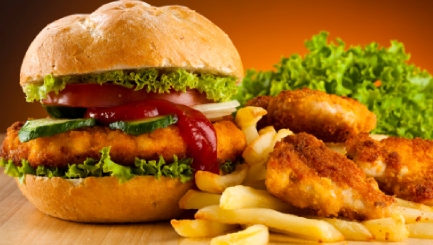
Could Fast Food Be Linked to Child Asthma and EczemaMany parents struggle to keep their children healthy. It’s not their fault – junk food becomes almost addictive to children. Once a child has started drinking Coke and eating McDonald’s it can be a real challenge to try to get them to make healthier choices. This has been illustrated time and time again, and it is getting to become a serious problem.


Unfortunately rhetoric from the mainstream media continues to place the unwarranted blame on mothers and individuals rather than having honest and critical dialogue around the systemic forces that can leave many communities with very few choices in regards to encouraging positive eating habits among children.


Many communities, especially in poorer districts, face a number of obstacles in promoting healthy eating. Many shops are more likely to stock cheaper foods and drinks which are naturally likely to be higher in fat and sugar and lack the key nutrients that our bodies need to survive. Children are often bombarded with images of junk food that is suggested to be a child’s rite of passage and yet parents are often chastised for not provided healthier food for their children.


The rhetoric of the mainstream media and amongst people who live outside of poorer communities often entirely blames the parents and guardians for the food problems surrounding the health of children. Also, very little commentary is given to how easy, cheap and widely available processed and junk food is.


Increasingly science is agreeing with the idea that processed food and junk food can be considered essentially addictive. This shows that we really should be giving it more press coverage instead of just blaming parents as being lazy and not caring about their children. It will take time, but if it is pushed that it is more important to ensure that junk food is less available it will be easier to make people healthier.


Parents Shouldn’t Be Blamed For Junk Food Issues