Showing posts with label Antioxidants. Show all posts


Spices can do much more than make tasty meals, and many don’t realize just how helpful herbs and spices can be when it comes to their family’s health. From stimulating healthy circulation to an improved memory, these four secret spices can be used to improve your health and quality of life.


1. Turmeric


Turmeric has been used for thousands of years both in cooking and as a medicine. One of the most important components of turmeric is curcumin, an antioxidant that has been shown to reduce the risk of heart failure as well as inhibit the growth of certain cancer cells. This specific antioxidant has also been shown to reduce the amount of certain plaques within the brain that have been linked to Alzheimer’s disease.


2. Coriander


Many are surprised to hear that coriander and cilantro actually come from the same plant. While cilantro is the leafy herb on top of the plant, coriander is made from grinding the seeds of this plant. When ground up, coriander can be used much like pepper and has been shown to aid with digestive issues such as irritable bowel syndrome. Ground coriander is a great addition to dressings, vinaigrettes, and cooking oils, and you can find it at grocery stores and natural herb stores.


3. Fennel Seeds


A number of double-blind studies have been carried out on fennel and fennel seeds, revealing that nearly 40 percent of participants had relief from intestinal issues and colic. Fennel can be used to add a flavor similar to licorice, and many cultures eat this herb and its seeds as a post-meal treat. It can also be added to teas or sprinkled over salads and soups for a unique flavor and texture combination.


4. Cloves


When it comes to healing properties, few spices are as powerful as cloves. Cloves are at the top of the list for antioxidants that will reduce one’s chances of developing certain cancers. This spice has been used for 2,000 years and can either be ingested or infused in oils and sprays. Cloves also have anti-bacterial properties, which give it the ability to kill certain forms of fungus such as athlete’s foot. When used in teas or baking, cloves may also aid in digestion and encourages healthy teeth and gums.


Scientists are just now uncovering how powerful many herbs and spices truly are. Whether you are looking to add them to your next meal, to infuse tea, or to apply them topically, these four options are a great way to improve your family’s overall health and well-being.

 

If you’re a man looking to lose a few pounds or just enhance his overall wellness, you might consider – heaven forbid – cutting out beer. There’s a reason why they call it a beer belly, but could you be doing more harm than good to your wellbeing by eliminating beer from your diet? According to wellness writer Dustin Driver, ‘It turns out that beer and fitness really do go hand-in-hand, despite the beverage’s bad reputation (beer bellies, dehydration, public drunkenness, bar brawls, frat boys, etc.). The delicious brew is chock-full of natural antioxidants and vitamins that can prevent heart disease and even help rebuild muscle.’ So which beers can actually be good for you?


‘When it comes to health, some beers are better than others,’ notes Driver. ‘Generally, dark beers pack more of an antioxidant punch than light beers (antioxidants help reverse the cellular damage caused by oxidizing compounds that naturally occur in your body). Researchers at the University of Washington, bless their souls, found that dark beers —specifically Guinness — had greater health benefits than light lagers…Microbrews also tend to harbour more of the good stuff than mass-produced brews. For example, Men’s Health found that Avery Maharaja Imperial India Pale Ale contains 80 times the hops of big-brand lagers. Hops contain polyphenols, compounds that help lower cholesterol, fight cancer and kill viruses.’ So what health benefits can you gain from sipping on a nice pint?


1. Energy: ‘Ounce-for-ounce, beer has one of the highest energy contents of any food or drink,’ says Driver. ‘Only pure fat can top it. So keep that in mind when you guzzle three or four at the local pub. Your average beer has about 120 calories, and four have as many calories as a Big Mac. That many calories can have dire consequences if you’re trying to lose weight. One beer after work probably won’t tip the scales in either direction, though.  Drink beer in moderation and you won’t hold on to all those extra calories. If you’re looking for an energy boost, beer is definitely not the answer. Alcohol is pure caloric fuel, but it does funny (and fun) things to your physiology — it makes you tired and sluggish. Beer and fitness do complement one another — as long as you’re not trying to enjoy both at once.’


2. Recovery: ‘Work your muscles and they’ll start to fall apart,’ Driver points out. ‘Your body rebuilds them, makes them stronger and gets them ready to face the next workout. Protein, carbs, vitamins, and specifically antioxidants help put things back together. The latest research has found that beer has almost as many antioxidants as red wine, which is saying something. So how do beer and fitness go together at the recovery stage? A dark beer a few hours after a workout can deliver a good dose of antioxidants. Still, you’ll probably want to reach for water and a healthy snack — like fruit and yogurt — immediately following your routine at the gym.’


3. Hydration: Driver details, ‘Researchers at the GranadaUniversity in Spain have found that beer can provide better hydration than water in some instances, like after a workout. Professor Manuel Garzon, the head of this study on beer and fitness, asked students to sweat it out in 104°F weather. Then he gave half of the students water and the other half beer. He found that the students who had a pint were slightly more hydrated.  So does this mean that you should slam a cold one after a run? Probably not. While beer is 93% water and appears to hydrate you better than H2O alone, it’s not the best thing after exercise. Drink water and have a piece of fruit instead. However, don’t pass up a pint the night before a big workout for fear of dehydration — seems that some beer won’t dry you out as much as you thought.’

If you, or someone you love, have received, that devastating cancer diagnosis, you probably want to do everything in your power to restore your or their wellness and wellbeing again. One way that you can fight cancer is through your diet and nutrition. Not only can the food you eat help to fight against cancer, but eating the right kinds of food can also help to protect you against getting cancer in the future.


One such recipe is the spicy tuna salad. Fish is fantastic, as it is full of omega 3 fatty acids, which help to boost your health. Salad is also wonderful, as it is packed full of antioxidants and free radicals to help fight against the harmful cancer cells. Brightly coloured fruit, veg and salad is the best as it is the most packed with antioxidants, so the brighter the salad, the better.


For the dressing for this particular salad, you need to mix together two teaspoons of chopped fresh oregano with half a teaspoon of minced garlic, three tablespoons of extra virgin olive oil, half a teaspoon of kosher salt, some freshly ground black pepper, one tablespoon of lemon juice and a tablespoon of red wine vinegar.


For the salad, you need two and a half six-ounce cans of light tuna in spring water. You also need two tablespoons of olive oil, a teaspoon of dried chilli flakes, two finely chopped scallions, two tablespoons of capers, a small red onion, a celery rib (finely chopped), 30 halved cherry tomatoes, two teaspoons, eight slices of thick cut wheat bread and lots of lettuce leaves to garnish.


Combine all of the ingredients together in a bowl and then serve up to six people. Add the other ingredients (mixed together) drizzled over the top as a light and yet tangy dressing. All of the antioxidants in the combined ingredients will make a fantastic, cancer-fighting meal that also tastes amazing.

Everyone wants to feel alert, well-rested and energetic, but sometimes this is easier hoped for than done. The fatigue that everyday life brings can have a disastrous effect on your wellness, wreaking havoc on your immune system and dampening your emotional wellbeing. However, you can have a direct and positive impact on your energy levels by making certain changes to your diet.


1. Eat nutrient-packed foods as much as possible: According to registered dietician Dina Aronson, MS, RD, President of Welltech Solutions, ‘Optimal energy metabolism (the process that converts food to energy) requires an abundance of vitamins and minerals. Every cell in our body can unlock its energy potential with the proper fuel from food. If we don’t get enough nutrients from foods, we suffer from sub-optimal cellular energy metabolism, making us feel tired and sluggish.’ Therefore, you’re going for a good nutrition-per-calorie rate. The best foods for this are vegetables, beans, nuts, seeds, fruits, whole grains, and lean animal proteins.


2. Pick high-antioxidant foods: Colourful juicy fruits like berries and melons, and dark green leafy vegetables like kale, broccoli, collard greens, and spinach, should be high on your list of food priorities as they are high in antioxidants. These little beauties fight against free radicals in your body, which might otherwise tax your system and cause damage to your cells which, in turn, causes fatigue and chronic illnesses.


3. Opt for omega-3s: ‘Studies show that diets high in omega-3 fats improve mood, memory, and thinking, which are related to focus and energy,’ says Aronson. While omega-3 supplements like fish oil can help you out, they’re no substitute for food sources like fish, flax seeds, flax oil, hemp seeds, hemp oil, leafy greens, or walnuts. You should try to get at least one excellent source of omega-3 fats a day.


4. Ditch the diet: Aronson notes, ‘If your “diet” is synonymous with “deprivation,” you’re doing your body a “disservice.” Skimping on calories ultimately decreases your metabolism as your body tries to conserve all the energy it can. That’s why dieters often feel lethargic.’ Moreover, as your metabolism slows down, your body begins to burn even fewer calories, and then you enviably consume more calories later and put all the weight back on anyway – what’s the point? You’re far better off revving up your metabolism and keeping your energy levels high by meeting your calorie needs every day. After all, you’re going to need that energy to exercise, which should form part of everyone’s weight loss plan.


5. Don’t neglect breakfast: As with deprivation, skipping breakfast seems like a good diet tip to follow initially, but you end up hurting yourself in the long-run by doing so. Aronson asserts, ‘Studies show that a good breakfast not only gets your metabolism going, but it will help keep you alert and satisfied until lunch. Bonus: healthy breakfast eaters set the stage for a full day of healthy eating.’ So you shouldn’t skip breakfast, nor should you fill it with processed foods like donuts, pastries, white bagels, cereal, and waffles. Instead, choose fresh fruit, wholegrain hot or cold cereal with nuts/seeds, wholegrain bread with nut butter, or even last night’s casserole.


6. Drink plenty of water: ‘Being properly hydrated is a very easy and effective way to keep your energy high,’ says Aronson. ‘The body needs water, and lots of it, to function optimally.’ Don’t waste your money and calories on vitamin waters and energy drinks – unless you’re an endurance athlete. Rather, have fresh water on hand at all times and drink at least one cup every two hours. If nothing else, all those extra trips to the loo will help you get moving more!

Not every fruit qualifies as a super-fruit, but wellness and nutrition experts do suggest that certain fruits have special powers; antioxidants, fibre, vitamins and minerals, and other nutrients that can help you live longer, look better, and even guard your wellbeing against disease. Of the five to nine portions of fruit or vegetables you should be eating every day, most of them should be super-fruits. So, what do you need to add to your fruit basket?


Açaí berries: Thanks to its weapon-grade level of antioxidants that thrash other super-fruits like blackberries, strawberries and blueberries, açaí actually deserves some of the hype it gets. According to Keri Glassman, R.D., founder of NutritiousLifeMeals.com and author of Slim Calm Sexy Diet, ‘I recommend powdered açaí berry, which can be added into a smoothie. Not only is this an easy way to get super fruits into your diet, but it also helps mask the tart, sometimes bitter taste.’


Apples: Though it may seem a humble fruit, this simple, rustic vibe is just the Clark Kent to the apple’s Superman. As well as being a great source of fibre, the red and green skin on apples contains the antioxidant quercetin, which has antihistamine and anti-inflammatory properties. This means that apples may be able to protect you from heart disease and possibly allergic reactions. Researchers at St. George’s Hospital Medical School have shown that eating five or more apples a week can improve your lung function – I guess it’s true what they say about an apple a day.


Bananas: Bananas make for the best mid-morning snack, as they help to keep you feeling fuller for longer. This is because these superfruits are packed with Resistant Starch, a healthy carb that fills you up and helps to boost your metabolism. However, aside from staving off hunger pangs, bananas are a great source of potassium, which can help to lower your blood pressure.


Blackberries: The USDA state that blackberries are in the top 10 of all time for antioxidant power, as well as being number one for fibre (just one cup gives you a third of your daily target of 25 to 35 grams a day). Plus, these tart and tasty gems are specifically rich in polyphenols, which belong to the same family of antioxidants found in green tea. These antioxidants have been suggested to prevent cardiovascular disease, cancers, and osteoporosis.


Blueberries: While blackberries hold the number one spot for fibre content, blueberries are your go-to super-fruit for brain function and memory. There have been multiple studies linking blueberries’ high levels of flavonoids with a better memory, and even preventing age-related brain dysfunction. According to a recent study, a high intake of berries can delay your cognitive ageing by a whopping 2.5 years. If that wasn’t enough, these super-fruits are also rich in a mineral known as manganese, which is known to rev up your metabolism, keeping you slim and energised.


Cherries: These unsung heroes of the super-fruit world can reduce your inflammation, triglyceride levels and cholesterol, thanks an antioxidant called anthocyanin, which gives them their deep red colour. Recently, researchers at the University of Michigan researchers found that cherries reduced two common markers of blood vessel inflammation in lab rats by up to 50%, as well as reducing weight gain and cholesterol.


Citrus fruits: In any citrus fruit you’ll find a good whack of vitamin C and fibre, as well as other nutrients and disease-fighting chemicals, albeit in smaller amounts. Glassman notes that the vitamin C makes citrus a Super-fruit, because it helps you to overcome the effects of sun damage, regulate your oils glands, and even prevent age spots.

Understanding the active ingredients in the products you buy is important in any area of wellness, but the perhaps most important area is that of anti-ageing. People slather all kinds of things on their face or even take pills in the name of looking younger and fresher, so it’s vital you know exactly what you are subjecting your body and, as a result, your wellbeing to. Let’s take a look at how seven active ingredients can affect your anti-ageing wellness.


1. Peptides: These short chains of amino acids can be synthesized in an infinite order of different combinations, but in skincare scientists add fatty ends to help peptides penetrate the skin. Various peptides can


  • Stimulate your collagen production

  • Regulate your fibroblast collagenase production (which breaks down collagen)

  • Stimulate growth factors

  • Stimulate antioxidant enzymes

  • Enhance matrix proteins

  • Enhance your skin’s wound healing and cell repair

  • Modulate your skin pigmentation

  • Provide antimicrobial activity


However, be sure to check the percentage of peptides on the label as some products only contain enough for marketing reasons, and won’t do anything at all for your skin.


2. Retinol: This is derived from vitamin A and works on your DNA so that it promotes healthy keratinocytes. When you administer retinol on your skin, it causes the epidermis to thicken, collagen and elastin to increase and UV-induced collagenese to decrease. This means that retinol is handy as a treatment for your fine lines, wrinkles, and hyper-pigmentation.


3. Antioxidants: Vitamin C neutralises free radicals in your skin and stimulates and cross links collagen during synthesis. In skincare, it works great for fine lines and course wrinkles, and improves your tone, laxity and dark pigmentation. Vitamin E protects your skin from the oxidative damage of UV exposure, such as erythema, edema, and sunburn cell formation. Like French and Saunders, though these antioxidants work well on their own, they are at their best when used together.


4. Sun cream: You might confine sun cream to the summer months, but it’s actually the most important product on this list. True, modest amounts of exposure to the sun helps your body to produce vitamin D and this is beneficial to your wellbeing, too much UV exposure is detrimental, and injures your skin’s fibroblasts. This means you produce less collagen and elastin, leading to less dense, robust, and elastic skin – with more wrinkles and pigmentation! Use a sun cream that is protective of UVA and UVB and is photo stable.


5. Advanced Glycation End-products (AGE): Wellness experts have joined the dots between glycation and disease and ageing. In the abnormal process of glycation, sugars are joined to fats and proteins your body in a non-enzymatic way, which, over time, influences the metabolism of your cells. The sugars bind to proteins such as collagen, elastin, and cell membranes, which causes the formation of Advanced Glycation End-products. However, some skincare products promote your ability to help protect the skin’s natural collagen from this, so try Prestige-Clinique Youth Surge SPF 15 or Dr. Brandt Lineless Anti-Glycation.


6. Sirtuins: These cellular proteins are thought to be the prime central regulators of ageing, promoting cell repair and production of protective antioxidants. Some products even enhance your body’s ability to turn on these “longevity genes” which helps to maintain the healthy balance of your skin cells.


7. Ceramides: These cellular fats (lipids) are found in between your skin cells, and help keep pathogens out and moisture in your skin. You need this hydration in order for your skin to look healthy and vibrant.

In any beauty store in the country, you’ll find products designed to make you look younger. Be it for your wrinkles or age spots, these products promise anti-ageing wellness in a bottle – but are they making promises they can’t keep? You can’t help but be a little skeptical as to exactly how beneficial these miracle products are to your wellbeing, but it seems that this skepticism doesn’t stop you from forking out the big bucks.


‘Yes, there has been a tremendous anti-ageing craze accompanied by a boom in available products, technology and procedures,’ notes Dr. Elizabeth Hale, a dermatologist at New York University Medical Centre. ‘Increasingly, people are searching for products and procedures that deliver results without the cost, risks and downtime of more invasive cosmetic surgery. There are many great options out there for people seeking results, but the key is to find a doctor that you trust and one that will help you to look natural. One should strive to look like a better, more relaxed, version of themselves; no one should look “done”.’


According to Hale, there are certain products and procedures that she uses personally and recommends on a regular basis. These include a daily broad-spectrum sunscreen (such as Coppertone or SkinMedica Physical Defense), retinol or prescription-based tretinoin (which is found in Roc, Renova and RetinA), stem cell-derived products to stimulate collagen and elastic (like Lifeline Skin Care), Botulinum Toxin injections, Hyaluronic Acid and poly-L-lactic acid fillers and Fractional Resurfacing lasers. Hale explains, ‘With the right sunscreen, topicals and minimally invasive procedures, along with a healthy diet and lifestyle which includes exercise, we can all look… natural and rejuvenated.’


Let’s take a look at the scientific evidence behind the commonly listed active ingredients in anti-aging products:


Peptides – These are small proteins that help stimulate new cells to grow, and the theory goes that they make your skin more plump, which reduces your fine lines. However, Hale asserts that, while this is a nice idea, there’s really no evidence which conclusively proves peptides really do anything to reduce wrinkles.


Alpha-hydroxy acids – The natural ingredients found in fruits and milk sugars, including lactic, glycolic and citric acids, are collectively known as alpha-hydroxy acids. These acids work to exfoliate your skin, which removes dead skin cells and makes room for new, healthier ones. Hale notes these acids vary in terms of impact and what they do. For brighter skin, you want lactic acid but you should opt for glycolic acid if you want your skin to look smoother, as this one reduces fine lines and wrinkles.


Retinol – You’ll find this natural form of vitamin A in a variety of over-the-counter skin creams, and the idea is that it boosts the thickness and elasticity of your skin and reduces the appearance of wrinkles. Hale affirms that this is backed up by ample evidence, but the prescription version tretinoin or Retin-A is much stronger. Still, though it may be more effective than over-the-counter retinol, doctors warn that tretinoin can also cause more side effects, so tread with caution.


Resveratrol – A lot of people like this plant compound, as it is found in red wine and studies have shown that drinking wine in moderation has some health benefits. However, when it comes to the supplement form of this anti-ageing plant, the jury is out. According to research published in a 2008 edition of the journal Cell Metabolism, resveratrol slowed down age-related decline in mice, but subsequent studies have not confirmed similar results from the supplement form.


Antioxidants – It is commonly believed that antioxidants protect your cells from free radicals, which damage your body and increase your risk for diseases. When it comes to age prevention, antioxidants are only effective in certain formulations. The most time-tested combo is vitamins C and E.

There are a limited number of alternative, complementary treatment options when you have rheumatoid arthritis. There are omega-3 fatty acids, acupuncture, and curcumin, but other than that your wellness seems to be in the hands of Western medicine. Yet, one more therapy may be soon joining this exclusive club, as it has been the subject of several recent studies; grape seed extract.


Grapes and red wine are known to benefit your wellness. Studies have shown that they are a good source of antioxidants and one certain phytonutrient, resveratrol, which has beneficial effects on heart disease, aging, and other health issues. But what about the grape seeds themselves? In the seeds of grapes, compared to the skin or pulp, there are extremely high concentrations of vitamin E, linoleic acid, flavonoids, and oligomeric proanthocyanidin complexes (OPCs). All of these are potent antioxidants which help chronic venous insufficiency (accumulation of blood pools in the legs).


So what does the evidence suggest? A recent PLoS ONE study investigated whether or not grape seed proanthocyanid extract could have an impact on bone damage and chronic inflammation associated with rheumatoid arthritis. The researchers discovered that, in mice, grape seed extract relieves symptoms associated with cartilage and bone damage and, in people, stops osteoclastogenesis, a process by which your bone cells break down and destroy bone. Grape seed extract also provided antioxidant benefits in the cells of patients with rheumatoid arthritis, and the researchers concluded that it ‘may be beneficial for the treatment of inflammation-associated bone destruction.’


Another study looked into how grape seed extract’s anti-inflammatory properties work, and whether they could be helpful in reducing symptoms of autoimmune arthritis, such as rheumatoid arthritis. The researchers discovered that, in human cells and in mice, grape seed extract reduced the levels of certain key arthritis related factors. Thus, the investigators concluded that grape seed extract ‘may serve as a possible novel therapeutic agent for inflammatory and autoimmune diseases, including rheumatoid arthritis.’


So what does this mean for you? It’s far too early for anyone to recommend grape seed extract for rheumatoid arthritis, but the nutrient is considered safe and people do take this supplement for a number of other conditions. If you are considering the product, make sure it contains at least a 95% OPC content, or else is standardised to 40 to 80% percent proanthocyanidins. As always, before you take a supplement you should consult your doctor.


Grape Seed Extract: Next Big Thing in Arthritis Treatment?

As you age, you may find your wellbeing is affected by macular degeneration – a chronic eye disease that causes blurred vision and blind spots. However, if you think that taking additional antioxidant supplements on top of your vitamin C, vitamin E and beta carotene will give you an extra wellness boost, a new study suggests that you’d be wasting your time. The US study, appearing in the Journal of the American Medical Association, only noted the extra protective effect of lutein and zeaxanthin in people who started out getting the smallest amount of those nutrients in their diets.


According to Dr Jack Cioffi, head of ophthalmology at Columbia University Medical Centre in New York, who wasn’t involved in the new research, ‘Overall, people were hoping it would be a bigger bang,’ but he would probably recommend people at risk for macular degeneration take lutein and zeaxanthin instead of the previously prescribed beta carotene. The new study found that beta carotene was linked to an increased risk of lung cancer among smokers, and Cioffi commented, ‘If anything, this speaks to the fact that you can use antioxidants other than beta carotene.’


A prior study had shown that a combination of vitamins C and E, beta carotene and zinc could reduce the risk of advanced macular degeneration by about 25%. Lead researcher of the new study, Dr. Emily Chew, of the National Eye Institute in Bethesda, Maryland, explained, ‘We wanted to see if we could improve upon the result – make it a little better, make it a little safer.’  Therefore, some of the original 4,203 study participants, age 50 to 85, who were still taking their initial vitamins and minerals, were given either a combination of lutein and zeaxanthin or two types of omega-3 fatty acids, to add to their supplement regimens.


Yet the researchers found that macular degeneration progressed in 29 to 31% of study participants over the next five years, regardless of whether they were given the extra supplements. Cioffi surmised, ‘It could be that the addition of more antioxidants, and different antioxidants, doesn’t convey any additional benefits, which is probably the truth.’ He added, ‘I think if you’re at all health-conscious and have a well-rounded diet that includes dietary supplements of these antioxidants, you’re probably doing good for more than just your eyes.’

We’d all like a way of making chocolate better for our health, but beauty experts may have found a way to combine this sweet treat with vitamins and health boosting ingredients. Israeli company Carmit Candy have developed chocolate coins which are packed with vitamins, calcium and antioxidants, including astaxanthin. The ‘Grow Strong’ chocolate could be the next big thing in beauty and diet boosters, as well as providing a great treat that’s easy-going on your conscience. It was initially developed as a way of providing a healthier snack to children, so they could get their calcium intake, but the many vitamins and antioxidants within them make them a great choice for adults too. The concept of the coin was to keep the treat portion controlled, so that people can keep a track of how much they’ve eaten. They’re also made with a tooth-friendly ingredient of evaporated cane juice instead of sugar.


Each 6g coin contains 150mg of your daily calcium intake, as well as vitamin D3 which assists the calcium absorption in the body. There is also 15mcg of vitamin K in the coins as well. Dark chocolate is already known to be a great source of antioxidants, which help protect the body from free radicals and prevent the ageing process, but these coins are also loaded with astaxanthin, which is derived from red algae in Israel. It’s thought to be great for your immune system, as well as protecting the body against cholesterol and maintaining healthy joints. In order to get the desired amount of these health-boosting antioxidants you’d need to eat two coins – each one contains 1mg of astaxanthin. The firm has stated that a sugar-free version of this treat is also available, making it even healthier for you. As an addition to a healthy balanced diet, these chocolate coins could be a fantastic treat to boost your health and sate your sugar cravings.

Nutritional supplements for sports are a great way to reach your goals and really benefit from your fitness routine. Fitness enthusiasts and trainers are all in favour of these pills, as they help the body to recover from injury, helping to reduce muscle soreness, stiffness and improve your body’s strength. The higher the intensity of your workout, the more time you’ll need to recover. Post-workout nutrition has skyrocketed as an industry as more and more athletes have sought increasingly high returns from their fitness regimes. With brands such as Gatorade and PowerBar making significant investments in this field, it’s no surprise that we hold post-recovery supplements in such high regard.


This demand has meant that more companies are looking for natural ingredients with which to engineer a boost for the recovery stage. Antioxidants are the key ingredient being used, which are known to combat free radicals and rid the body of harmful toxins. One such supplement is a new addition to the market which used an extract from the bark of the French maritime pine trees, which is loaded with antioxidants. Many people have stated that this supplement can help to increase athletic endurance and help to increase your performance during your workout. With people becoming more educated to what their body needs, at the gym and in everyday life, it’s important that supplements offer natural and effective ingredients.


Antioxidants aren’t just found in supplement form, though. You can get them from your diet as well, with them being found most commonly in fruit and vegetables. They offer a range of health benefits, beyond improving your exercise performance, such as improving your skin and helping to reverse the ageing process. If you’re new to exercise or are unsure how your medical history affects your consumption of supplements, speak to your GP for advice on the matter.

Although you are likely to be aware that fruit is an important part of a healthy diet, it is likely that you stick to boosting your wellness and wellbeing through the traditional favourites such as apples, oranges and bananas. Mangos are still seen as something of an exotic fruit and sales of these are far lower than some other more common types of fruit. New and previous studies, however, indicate that mangos may be highly beneficial, especially if you have diabetes.


In addition to this, mangos can help in the fight against cancer. The recent research highlights an experiment where obese animals were fed 10 grams of mango (free dried) every day for the duration of the 12 week experiment. It was noted that these animals experienced a reduction in blood sugar levels over the course of the experience. This could be breakthrough news for those suffering from type 2 diabetes who need to find ways to lower their blood sugar.


The key to all this may be the mixture of polyphenolic compounds which are included in mangos. These are natural plant chemicals, and there are over 4,000 different known varieties in existence. When it comes to human health, their main benefit to the human body are their antioxidant qualities, which can help to fight against free radicals which cause diseases and damage cells.


During the study, it was found that the free dried mango was very effective, even when compared to common drugs that were designed to fight diabetes. Mangos improved the tolerance to glucose and the lipid profile and actually reduced the levels of fat in the animals despite their high fat diet.


Why Should we All be Eating as Much Mango as Possible?


When wellness experts talk about guarding your wellbeing against disease, you often hear words banded about like “antioxidant” and “free radical”, but what exactly are they talking about, and is it worth listening to all the hype? Let’s settle this once and for all; can antioxidants really prevent or cure heart disease, cancer and other diseases?


Free radicals are a normal part of your body chemistry, occurring when you liver breaks down drugs and other chemicals, exercise, radiation, inflammation and some foods. The reason why they are a concern is because they have a small electrical charge, which has the ability to damage the DNA of your normal cells. When you have free radicals in your body in excessive amounts, you can increase your risk of cancer and heart disease, and, potentially, neurodegenerative diseases such as multiple sclerosis and Alzheimer’s.


Another word for free radicals is “oxidants” and so you can begin to see how the relationship between them and antioxidants might work. Antioxidants neutralise free radicals, and so you would hope that getting plenty of them in your diet would help you to keep the oxidants in check. However, with the chemicals in your food and environment, the stresses of modern life, and an infamous western diet with its emphasis on high (bad) fats, sugar and empty calories, it’s hard to get enough antioxidants to beat all that free radical damage.


So how do you get enough antioxidants to neutralise your body’s free radicals? Firstly, you need to consume a variety of antioxidants as some only neutralise the charge of specific free radicals. There are many vitamins, minerals, herbs, foods and chemicals which have antioxidant activity, and fresh, colourful, organic fruits and vegetables is the best place to begin. This is partially why it’s recommended you get your five-a-day.


After this, evidence indicates that a multivitamin is worthwhile for getting the antioxidant power you need. It’s best to get one with an even 100% of the RDA for ingredients, rather than 20% of this and 2000%. You can also try additional antioxidant supplements, as these are likely to add benefit as well, but there’s no use going over board as high doses of supplements are often not useful, and potentially damaging to your wellness.


How to Get Enough Antioxidants in Your Diet

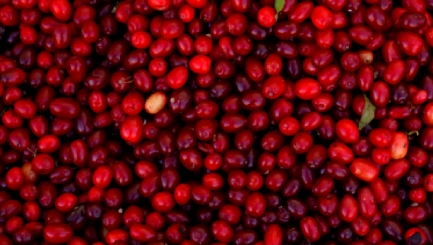
Benefits Of Red Berries On Breast Cancer Now In DoubtAcai berries and mangosteen get all the praise in antioxidant wellness, but another superfood, used by Native Americans for generations, is now set to take the spotlight. Less expensive and easier to eat, aronia berries are packed with antioxidants and could give your environmental wellness a real boost.


Mae’s Health & Wellness are now producing a line of aronia berry products, and Tammy Ross, director of marketing for Westin Foods, who owns Mae’s Health & Wellness, explained why: ‘It’s got kind of an astringent taste to it. It’s very naturally tart,’ she said. ‘It’s very similar in taste to a wine grape. What you’re tasting in that tartness is actually very good for you — a type of an antioxidant and type of a compound that can be found in wine and can also be found in tea.’


Many aspects of daily living create cell-damaging free radicals in your body. Whether it’s due to stress, environmental pollution, x-rays, or even exercise, the natural blend of polyphenolic antioxidants found in aronia berries combat free radicals, as well as diseases caused by oxidative stress such as cardiovascular disease, chronic inflammation, and certain types of cancer. The USDA reports that aronia berries have twice as much antioxidant power as cranberries and four times as much as pomegranates, strawberries, goji berries, and blueberries.


Brett Blumenthal, author of 52 Small Changes: One Year to a Happier, Healthier You, said ‘I think generally speaking over the last five years or so our culture has become more and more educated about nutrition. We understand that antioxidants help fight off the free radicals that are all over. They’re in the air we breathe, they’re in the food we eat, and we really can’t avoid them.’


The dark-purple clusters of aronia berries grow wild on bushes in North America, with several round fruit clumped together on rosy-red stems. Their tart taste has led to the nickname ‘chokeberries,’ but Ross commented that this hasn’t stopped Native Americans from benefitting from their wellbeing-enhancing properties as part of their diet, as preservatives for their meat, and also for dying cloth.


Aronia berries are available as whole fruit, whereas trendy acai berries are usually found mixed into other products or in powdered supplement form. They’re available online, and at almost half the price of goji berries, and nearly a fifth of the price of dried wild blueberries. You can use your aronia berries to make wine, jam, syrups, and tea, or else add them into fresh sauces or on top of your breakfast muffins.


Forget Acai Berries – Aronia are the Berry Best Super-fruits

Superfoods are packed with vitamins and minerals, but the crazy names (and crazier prices) of some of them can leave you heading for the supplements aisle. However, there are certain, ordinary foods that are really superfoods in disguise, and you can find them in your supermarket, or even already in your cupboard!


Firstly, broccoli is thought to boost your immune system and reproductive wellness, and protect your cells from being damaged by free radicals, as it is packed with folic acid, vitamin C and carotenoids. Broccoli can also help you regulate your blood sugar and cholesterol levels, as it contains beta carotene, potassium, chromium, and vitamins B3 and B5, which are responsible for producing energy.


You may think all garlic can do is ward off vampires and give you bad breath, but in fact this superfood is the number one potentially cancer-preventive food on the National Cancer Institute’s list. It’s a great natural source of vitamin C, vitamin B6, manganese, and selenium, and, on top of all that, garlic is a powerful antioxidant and anti-inflammatory food that protects you against heart disease, reduces your blood pressure and lowers your cholesterol levels.


The lycopene is what gives tomatoes their red colour is also a powerful antioxidant and helps them to absorb the damaging free radicals that can harm your cells. Tomatoes may also protect your wellbeing against age-related macular degeneration and breast, stomach and prostate cancer, and they’re packed full of vitamins, such as vitamins A, C and E, potassium and other mineral salts. As a bonus, the refreshing, high water content of tomatoes makes them low in calories.


Next, you may already know that avocados are an excellent source of health monounsaturated fat, but these foods are one of the most nutrient-dense around, being high in fibre, potassium, vitamin E, and magnesium.  Further, avocados are a rich source of glutathione, and this powerful antioxidant is known to block over 30 different carcinogens and, as an added bonus, helps you to fight wrinkles.


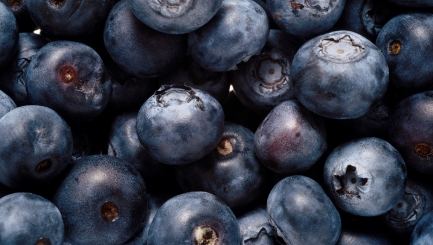
Finally, the anthocyanosides in blueberries help to prevent all types of cancer, and the berries are also a potent antioxidant and anti-inflammatory. Blueberries also contain flavonoids, which help to eliminate cell wall- and DNA-damaging free radicals, and they are said to help with memory loss and help prevent contagious bacteria from sticking to the walls of your bladder, urethra and gut.


Which Foods In Your House Have A Superfood Secret Identity?

When your child’s wellbeing is affected by autism, there are many dietary and lifestyle changes you can make, both at home and at school, to improve his or her social wellness as much as possible. Now, thanks to a new study, you may be able to add vitamin and mineral supplements to your list of changes you can implement help your child.


According to the study, carried out by researchers from Stanford University School of Medicine and Lucile Packard Children’s Hospital, an antioxidant supplement called N-Acetylcysteine (NAC) may help to reduce the impact of autism symptoms. For the study, the team of researchers gave this NAC supplement to 31 autistic children aged from three to 12 years old, and used the Aberrant Behaviour Checklist to measure their progress.


The study lasted for 12 weeks, and during that time the researchers’ focus was on the classic behavioural problems that affect children with autism, and whether or not these became more manageable with the NAC supplement. These behavioural problems include irritability, for example, which can lead to involuntary bouts of kicking, hitting and biting, and study author explained that ‘today, in 2012, we have no effective medication to treat repetitive behaviour such as hand flapping or any other core features of autism.’


However, the results of the study were that, after the 12-week period, the team of investigators noticed that there was a significant decrease in irritability. When you break it down into the core results, the study showed that scores of irritability dropped from 13.1 to 7.2. Further, the team also discovered that there were positive changes too, in terms of improved repetitive behaviour, levels of shyness and ability to communicate.


The results help to prove previous research, as certain studies have already indicated that people with autism are deficient in antioxidants, so this improvement after taking a supplement of an antioxidant gives further weight to that idea. However, you need to bear in mind that these findings, which have been published in Biological Psychiatry, are only the result of preliminary research and so are by no means conclusive. However, the scientists reported that they are looking to expand on their study results in the future.


Could An Antioxidant Supplement Reduce Autism Symptoms?