Showing posts with label Rheumatoid Arthritis. Show all posts


There are many reasons why a miscarriage may happen, although the cause is often not identified.


If a miscarriage happens during the first trimester of pregnancy (the first three months), it is usually due to problems with the unborn baby (foetus). About three in every four miscarriages happen during this period.


If a miscarriage happens during the second trimester of pregnancy (between weeks 14 and 26), it may be the result of an underlying health condition in the mother.


These late miscarriages may be caused by an infection around the baby which leads to the bag of waters breaking before any pain or bleeding, In rare cases, they can be caused by the neck of the womb opening too soon.


First trimester miscarriages


Most first trimester miscarriages are caused by problems with the chromosomes of the foetus.


Chromosome problems


Chromosomes are blocks of DNA. They contain a detailed set of instructions that control a wide range of factors, from how the cells of the body develop to what colour eyes a baby will have.


Sometimes, something can go wrong at the point of conception and the foetus receives too many or not enough chromosomes. The reasons for this are often unclear, but it means that the foetus will not be able to develop normally, resulting in a miscarriage.


It is estimated that up to two thirds of early miscarriages are associated with chromosome abnormalities.


Placental problems


The placenta is the organ that links the mother’s blood supply to her baby’s. If there is a problem with the development of the placenta, it can also lead to a miscarriage.


Things that increase your risk


An early miscarriage may happen by chance. However, there are several things known to increase your risk of problems happening.


The age of the mother has an influence:


  • in women under 30, 1 in 10 pregnancies will end in miscarriage

  • in women aged 35-39, up to 2 in 10 pregnancies will end in miscarriage

  • in women over 45, more than half of all pregnancies will end in miscarriage

Other risk factors include:


  • obesity

  • smoking during pregnancy

  • drug misuse during pregnancy

  • drinking more than 200mg of caffeine a day (one mug of tea contains around 75mg of caffeine, and one mug of instant coffee contains around 100mg of caffeine)

  • drinking more than two units of alcohol a week: one unit is half a pint of bitter or ordinary strength lager, a small glass of wine or a 25ml measure of spirits

Second trimester miscarriages


Long-term health conditions


Several long-term (chronic) health conditions can increase your risk of having a miscarriage in the second trimester. These are:


Infections


The following infections may also increase your risk:


Medicines


Medicines increasing your risk include:


  • misoprostol (used for conditions such as rheumatoid arthritis)

  • retinoids (used for eczema and acne)

  • methotrexate (used for conditions such as rheumatoid arthritis)

  • non-steroidal anti-inflammatory drugs (used for pain and inflammation)

To be sure that a medicine is safe in pregnancy, always check with your doctor, midwife or pharmacist before taking it.


Read more about medicines during pregnancy.


Womb structure


Problems and abnormalities with your womb can also lead to second trimester miscarriages. Possible problems include:


  • non-cancerous growths in the womb called fibroids

  • an abnormally shaped womb

Weakened cervix


In some cases, the muscles of the cervix (neck of the womb) are weaker than usual. This is known as a weakened cervix or cervical incompetence. A weakened cervix may be due to a previous injury to this area usually following a surgical procedure.


The muscle weakness can cause the cervix to open too early during pregnancy leading to a miscarriage.


Polycystic ovary syndrome


Polycystic ovary syndrome (PCOS) is a condition where the ovaries are larger than normal. It can lead to hormonal imbalances inside the womb.


Polycystic ovary syndrome is known to be a leading cause of infertility. There is some evidence to suggest it may also be linked to an increased risk of miscarriages in fertile women. However, the exact role polycystic ovary syndrome plays in miscarriages is unclear.


Misconceptions about miscarriage


An increased risk of miscarriage is not linked to:


  • a mother’s emotional state during pregnancy, such as being stressed or depressed

  • having a shock or fright during pregnancy

  • exercise during pregnancy (but discuss with your GP or midwife what type of exercise is suitable for you during pregnancy)

  • lifting or straining during pregnancy

  • working during pregnancy

  • having sex during pregnancy


The post Causes of miscarriage appeared first on .


There are many reasons why a miscarriage may happen, although the cause is often not identified.


If a miscarriage happens during the first trimester of pregnancy (the first three months), it is usually due to problems with the unborn baby (foetus). About three in every four miscarriages happen during this period.


If a miscarriage happens during the second trimester of pregnancy (between weeks 14 and 26), it may be the result of an underlying health condition in the mother.


These late miscarriages may be caused by an infection around the baby which leads to the bag of waters breaking before any pain or bleeding, In rare cases, they can be caused by the neck of the womb opening too soon.


First trimester miscarriages


Most first trimester miscarriages are caused by problems with the chromosomes of the foetus.


Chromosome problems


Chromosomes are blocks of DNA. They contain a detailed set of instructions that control a wide range of factors, from how the cells of the body develop to what colour eyes a baby will have.


Sometimes, something can go wrong at the point of conception and the foetus receives too many or not enough chromosomes. The reasons for this are often unclear, but it means that the foetus will not be able to develop normally, resulting in a miscarriage.


It is estimated that up to two thirds of early miscarriages are associated with chromosome abnormalities.


Placental problems


The placenta is the organ that links the mother’s blood supply to her baby’s. If there is a problem with the development of the placenta, it can also lead to a miscarriage.


Things that increase your risk


An early miscarriage may happen by chance. However, there are several things known to increase your risk of problems happening.


The age of the mother has an influence:


  • in women under 30, 1 in 10 pregnancies will end in miscarriage

  • in women aged 35-39, up to 2 in 10 pregnancies will end in miscarriage

  • in women over 45, more than half of all pregnancies will end in miscarriage

Other risk factors include:


  • obesity

  • smoking during pregnancy

  • drug misuse during pregnancy

  • drinking more than 200mg of caffeine a day (one mug of tea contains around 75mg of caffeine, and one mug of instant coffee contains around 100mg of caffeine)

  • drinking more than two units of alcohol a week: one unit is half a pint of bitter or ordinary strength lager, a small glass of wine or a 25ml measure of spirits

Second trimester miscarriages


Long-term health conditions


Several long-term (chronic) health conditions can increase your risk of having a miscarriage in the second trimester. These are:


Infections


The following infections may also increase your risk:


Medicines


Medicines increasing your risk include:


  • misoprostol (used for conditions such as rheumatoid arthritis)

  • retinoids (used for eczema and acne)

  • methotrexate (used for conditions such as rheumatoid arthritis)

  • non-steroidal anti-inflammatory drugs (used for pain and inflammation)

To be sure that a medicine is safe in pregnancy, always check with your doctor, midwife or pharmacist before taking it.


Read more about medicines during pregnancy.


Womb structure


Problems and abnormalities with your womb can also lead to second trimester miscarriages. Possible problems include:


  • non-cancerous growths in the womb called fibroids

  • an abnormally shaped womb

Weakened cervix


In some cases, the muscles of the cervix (neck of the womb) are weaker than usual. This is known as a weakened cervix or cervical incompetence. A weakened cervix may be due to a previous injury to this area usually following a surgical procedure.


The muscle weakness can cause the cervix to open too early during pregnancy leading to a miscarriage.


Polycystic ovary syndrome


Polycystic ovary syndrome (PCOS) is a condition where the ovaries are larger than normal. It can lead to hormonal imbalances inside the womb.


Polycystic ovary syndrome is known to be a leading cause of infertility. There is some evidence to suggest it may also be linked to an increased risk of miscarriages in fertile women. However, the exact role polycystic ovary syndrome plays in miscarriages is unclear.


Misconceptions about miscarriage


An increased risk of miscarriage is not linked to:


  • a mother’s emotional state during pregnancy, such as being stressed or depressed

  • having a shock or fright during pregnancy

  • exercise during pregnancy (but discuss with your GP or midwife what type of exercise is suitable for you during pregnancy)

  • lifting or straining during pregnancy

  • working during pregnancy

  • having sex during pregnancy


The post Causes of miscarriage appeared first on .
New research has found that rheumatoid arthritis greatly increases your risk of having both a pulmonary embolism and a deep vein thrombosis. This adds to an already extensive list of health concerns associated with rheumatoid arthritis, and has serious implications for the wellness and wellbeing of suffers of the debilitating disease. Arthritis causes swelling and inflammation of the joints, and it is only now that the associated health concerns of this disease are truly coming to light.


In the most recent study, the researchers found that just having the disease put the sufferer at much greater risk of developing a more serious condition such as DVT or PE, which is when the blood causes clots in the veins in the legs or in the lungs, respectively. For the purposes of the study, researchers in Taiwan looked at data taken from over 30,000 patients whose details were in Taiwan’s National Health Insurance Research Database, which was gathered between 1998 and 2008. Those who were suffering from rheumatoid arthritis were directly compared to people who were healthy and of roughly the same age and gender.


Looking at the data, it became evident that those who had RA were over three times as likely to develop DVT as the people who were completely healthy. They also had almost twice the risk of developing PE as the general healthy population. As part of the research, the team also discovered that patients with RA had an increased chance of developing other diseases too, such as hypertension, hyperlipidaemia, diabetes, heart failure and fractures of the lower leg. The disease appears to attack the body in more ways than just the obvious inflammation of the joints.

If you want to guard your wellbeing against rheumatoid arthritis, all you need to do is get some rays. This is according to a study from researchers at Harvard School of Public Health in Boston, who found that soaking up the sun may reduce a woman’s risk of rheumatoid arthritis (RA) by more than a fifth.


The research, led by Dr Elizabeth Arkema, was based on data from the Nurses’ Health Study. This is a major US investigation which looks at lifestyle factors affecting women’s health, and the scientists examined the conditions where the women lived to work out their likely exposure to UV-B rays. You know that over-exposure to the sun’s ultraviolet (UV) rays can damage your skin and trigger skin cancer, but the results of the study of more than 200,000 women, which was published in the journal Annals of the Rheumatic Diseases, suggests sunshine can also cut your RA risk by 21%.


A sensitive measurement method known as UV-B flux, which takes latitude, altitude and cloud cover into account, was used by the researchers. They expressed their results in terms of R-B units which relate to the impact of exposure over time. For example, 440 R-B units in 30 minutes would produce slight redness in untanned white skin. On average, the study’s volunteers had different R-B ratings, depending on the US state they were from. In the northern states of Alaska and Oregon, the annual average of exposure was 93 R-B units, which ranged right up to 196 R-B units in Hawaii and Arizona.


The study lasted up to three decades, and during that time 1,314 women developed RA, an auto-immune condition that attacks the joints. Those on the higher end of the R-B scale were 21% less likely to develop the disease than those with less sun exposure. However, the association was only seen in older women, which the researchers surmised may be because these women, who knew less about UV damage in their youth as we do know, were less likely to protect themselves from the sun.


According to the scientists, ‘Our study adds to the growing evidence that exposure to UV-B light is associated with decreased risk of rheumatoid arthritis. The mechanisms are not yet understood, but could be mediated by the cutaneous (skin) production of vitamin D and attenuated by use of sunscreen or sun-avoidant behaviour.’ They added that it is unclear whether RA risk is affected by sun exposure at birth, in adolescence or throughout adulthood.


How to Sunbathe Your Way to a Reduced Risk of Arthritis

Rheumatoid arthritis is one of those health concerns that people associate with old age. It seems inevitable that as you get older, the wellness and wellbeing of your joints is going to suffer, and some see the onset of rheumatoid arthritis as an inevitable evil to be suffered.


In the United States alone, around 50 million men and women suffer from arthritis. What may surprise you, however, is that two-thirds of those people are actually under the age of 65.


Given that this condition can affect anyone at any time, it is wise then to be aware of what you can do to help combat it. One of the best ways that you can help to guard against or improve rheumatoid arthritis is through the diet. There are many different foods which can help to reduce inflammation – and, conversely, there are many foods that can make things worse, too.


Omega-3 is probably something you have heard of before, but when it comes to arthritis there is really nothing better for your joints. You can find it in salmon, sardines, fresh tuna and oysters, amongst other foods, and it can make a significant difference to your joints. Foods with vitamin D are also important (such as broccoli, seeds and potatoes), as are foods that are rich in vitamin C (such as sweet peppers and citrus fruits). Another little known fact is that onions and leeks are great for joint wellness, as is green tea, which is rich in antioxidants and can help prevent inflammation.


Some herbs and spices can also be useful to help reduce or prevent inflammation, such as turmeric, cumin and coriander. These can be added to a number of recipes to help improve the wellness of your joints.


By including a few of these foods in your diet, you will reduce your chances of having to deal with rheumatoid arthritis in the course of your life.

There are a limited number of alternative, complementary treatment options when you have rheumatoid arthritis. There are omega-3 fatty acids, acupuncture, and curcumin, but other than that your wellness seems to be in the hands of Western medicine. Yet, one more therapy may be soon joining this exclusive club, as it has been the subject of several recent studies; grape seed extract.


Grapes and red wine are known to benefit your wellness. Studies have shown that they are a good source of antioxidants and one certain phytonutrient, resveratrol, which has beneficial effects on heart disease, aging, and other health issues. But what about the grape seeds themselves? In the seeds of grapes, compared to the skin or pulp, there are extremely high concentrations of vitamin E, linoleic acid, flavonoids, and oligomeric proanthocyanidin complexes (OPCs). All of these are potent antioxidants which help chronic venous insufficiency (accumulation of blood pools in the legs).


So what does the evidence suggest? A recent PLoS ONE study investigated whether or not grape seed proanthocyanid extract could have an impact on bone damage and chronic inflammation associated with rheumatoid arthritis. The researchers discovered that, in mice, grape seed extract relieves symptoms associated with cartilage and bone damage and, in people, stops osteoclastogenesis, a process by which your bone cells break down and destroy bone. Grape seed extract also provided antioxidant benefits in the cells of patients with rheumatoid arthritis, and the researchers concluded that it ‘may be beneficial for the treatment of inflammation-associated bone destruction.’


Another study looked into how grape seed extract’s anti-inflammatory properties work, and whether they could be helpful in reducing symptoms of autoimmune arthritis, such as rheumatoid arthritis. The researchers discovered that, in human cells and in mice, grape seed extract reduced the levels of certain key arthritis related factors. Thus, the investigators concluded that grape seed extract ‘may serve as a possible novel therapeutic agent for inflammatory and autoimmune diseases, including rheumatoid arthritis.’


So what does this mean for you? It’s far too early for anyone to recommend grape seed extract for rheumatoid arthritis, but the nutrient is considered safe and people do take this supplement for a number of other conditions. If you are considering the product, make sure it contains at least a 95% OPC content, or else is standardised to 40 to 80% percent proanthocyanidins. As always, before you take a supplement you should consult your doctor.


Grape Seed Extract: Next Big Thing in Arthritis Treatment?

A new study carried out by Leiden University Medical Centre (LUMC) and INOVA Diagnostics has resulted in the completion of a worldwide license agreement for new technology which could detect antibodies to carbamylated proteins (anti-CarP). For Rheumatoid Arthritis sufferers, this could be a fantastic advancement that could help with diagnoses in the future. Researchers agree that the detection of auto-antibodies in Rheumatoid Arthritis patients could help to provide an important insight into the processes which initiate and progress the condition. Since the anti-CarP antibodies can also be detected in patients who no longer have serological markers, researchers are confident that this new insight could be hugely beneficial.


New treatment options mean that it’s now possible to apply early and aggressive treatments to this condition, and understanding which patients would benefit most from those interventions could help to boost the efficiency of them. In trying to understand the disease, researchers hope to unravel how the presence of auto-antibodies like anti-CarP contribute to the condition and how novel strategies can help to prevent the onset of Rheumatoid Arthritis. Experts believe that anti-CarP technologies represent a significant advancement in the diagnosis of RA, which helps to close the serological gap which currently exists with biomarkers.


A study published last year by the team at LUMC highlighted that IgG and IgA antibodies recognising carbanylated antigens were present in nearly half of the RA patients tested. In addition to this, anti-CarP antibodies were discovered to be predictive of a more severe course of the disease when measured by a radiological progression in ACPA negative RA patients. Rheumatoid Arthritis is a debilitating disease which affects millions of people each day – a new technology which could help identify the problem earlier could be a huge benefit to many people.


An important link has been found between sex hormones and the development of arthritis, and this new information could help protect your future wellness but alerting you to the fact that you are at risk.


Arthritis is a painful condition that affects the wellness of your joints, characterised by painful swelling and inflammation, especially in the knees, as well as other joints in the body. A new study has shown a link between the condition and low testosterone.


Researchers found that men who had lower levels of testosterone in their blood were more likely to develop arthritis in later life. The hormonal change preceded the start of rheumatoid arthritis, and also has an influence on how severely the patient gets the condition, so may prove both a diagnostic indicator and a possible pointer towards treatment, or even preventative measures.


In rheumatoid arthritis, the body’s own immune system attacks the joints, and this is what causes the damage that results in painful swelling. This can result in sufferers finding daily tasks a challenge and having restricted movement to the extent that holding things or walking can be painful. It has now been proved that these people have lower levels of testosterone in their blood, but what is not clear is whether the low testosterone is the cause of the arthritis, or whether people with arthritis end up suffering from a lowering in testosterone as part of their condition.


Whatever way around it is, it still holds true that those with low testosterone are at an increased risk of developing rheumatoid arthritis, thus testing the blood for testosterone levels could give doctors an idea of which patients were likely to develop arthritis in the future, and take preventative action based on the results.


Could Your Arthritis be Caused by Low Testosterone?


This month it has been announced that arthritis wellness in Japan is set to improve thanks to the approval of a new rheumatoid arthritis drug. Made by Manufacturer Pfizer Inc, Xeljanz is a twice-a-day pill which the Japanese Ministry of Health, Labour and Welfare have approved for use in patients whose wellbeing has not improved after using at least one other disease-modifying drug.


When you have rheumatoid arthritis (RA), it means that your immune system mistakenly attacks your body’s tissues, mainly in your joints. This disabling autoimmune disorder limits your mobility and sometimes leaves your fingers bent at uncomfortable angles. RA generally gets worse with time, even attacking your lungs, heart, eyes, skin, blood and nerves. Early, aggressive treatment can slow the progression of the disease


Xeljanz works inside your cells, inhibiting your Janus kinase enzyme’s signalling pathways, which are involved in the inflammation caused by rheumatoid arthritis. This makes Xeljanz one of a new class of medicines called Janus kinase inhibitors, or JAK inhibitors for short, and is the first of this class to be approved for use. On the other hand, other RA drugs, such as Enbrel and Remicade, work outside your body’s cells, broadly suppressing your immune system in order to slow progression of the disorder.


These other RA drugs are expensive, must be injected or infused, and can cause significant side effects. You can experience persistent fevers, flu-like illness, susceptibility to infections and flare-ups of dormant diseases such as tuberculosis. According to Mark Swindell, head of Pfizer’s specialty care business in Japan, ‘RA is a serious and disabling disease and there is a need for new treatment options, as a significant number of patients do not adequately respond to current therapies.’


Pfizer is the world’s largest drugmaker by revenue, and the company commented that Xeljanz will initially only be made available in Japan to medical institutions participating in a programme monitoring the progress of all patients. The drug was approved as for use in the US in November, and now with Japan welcoming Xeljanz it could be a potential big seller for Pfizer. In Japan, 750,000 people are affected by rheumatoid arthritis, and Pfizer asserted that up to one-third of patients don’t respond adequately to current therapies.


Japan Welcomes New Rheumatoid Arthritis Drug


Rheumatoid arthritis comes with certain limitations, such as difficulty holding pens or doing up buttons, and so that nice stationary set or item of clothing you were going to buy for your friend may not be the best thing for their wellness. If you have a friend with rheumatoid arthritis – and a birthday coming up – there are many gifts you can give them that can help improve their wellbeing.


Firstly, get to know about the types of limitation that your friend has to deal with. Does he or she have a problem using regular utensils to prepare meals and to eat, or is that fine but reaching for items in their kitchen cupboards is a challenge? Once you have the low-down on their condition, there are several shops online that provide a wide range of items to help someone with rheumatoid arthritis cope with physical challenges.


Your friend might appreciate eating utensils with special grip handles that make them easier to hold and use or knives that work with a rocking motion – as these will greatly reduce stress on your friend’s hands and wrist. for gardening enthusiasts, tools with special grips or extra-long handles might be a good idea, or your friend might like a reacher or grabber which allows them to extend their reach and retrieve items. You can also buy door knob grippers, which make it easier to turn regular door knobs, special cushions that can be put on pens and pencils, and dressing aids, such as button hooks, zip pulls, and shoe horns.


If your friend struggles buttoning clothing, or has items that are difficult to put on, how about giving them a voucher to have the clothing altered by a professional tailor or seamstress? You could even do the alterations yourself if you are handy with a needle and thread – all you need is a few Velcro brand fasteners. Other vouchers your friend might appreciate include ones for lawn services, cleaning services, maintenance services, food shopping delivery or a catered or home-cooked meal once a month. You could also help them with a voucher for a massage, gym or fitness club membership, tai chi classes, hair salon services or even a spa day.


What Gifts are Good to Give Friends with Arthritis?

If you’re on medications to treat your rheumatoid arthritis, the drug you take may affect your likelihood to have an abortion. This is according to a new study published in the journal Arthritis Care & Research, which found that women with rheumatoid arthritis (RA) taking methotrexate (MTX) – which is a commonly used drug to treat inflammation caused by the autoimmune disease – had lower induced abortion rates compared to women with RA not taking the medication.


However, the researchers from the Montreal General Hospital of the McGill University Health Center (MUHC) in Canada also found that women who took anti-TNF drugs like Enbrel, Humira, and Remicade to improve their joint wellness had higher abortion rates than women not exposed to the drugs. Using Quebec’s physician billing hospitalization databases from 1996 to 2008, the team, led by Dr Évelyne Vinet, evaluated the induced abortion rates in women with RA exposed to MTX. These women were all between the ages of 15 and 45, and MTX exposure was defined as filling a prescription for the drug less than 16 weeks prior to the date of abortion.


Of the 5967 women who had an abortion, the researchers identified 112 RA patients and the rest were controls. The investigators discovered that almost 11% of those women whose wellbeing had been affected with RA were exposed to MTX, as were 22% of the controls. In a journal release, Vinet commented, ‘Our study shows that women with RA who were on MTX had lower rates of induced abortions, while those exposed to anti-TNF medications had potentially higher abortion rates.’


She added, ‘These findings highlight the importance of research on reducing the number of unplanned pregnancies in women with RA taking MTX or TNF inhibitors. Further examination of counselling practices and contraceptive use is warranted to further reduce the need for abortions in women with RA.’ Vinet explained, ‘Women with RA who become pregnant may have disease-specific reasons which might influence their decision to end a pregnancy. Exposure to teratogenic drugs, such as MTX, which can affect the development of the foetus, is one such reason women with RA may choose an induced abortion.’


Does Your RA Drug Affect Your Chances of Having an Abortion?

If you have been advised not to take non-steroidal anti-inflammatory drugs (NSAIDs), a number of alternative treatments can be used.


Alternatives for some of the most common conditions treated with NSAIDs are listed below.


Pain


If you need medication to treat pain, paracetamol can be used in almost all cases. An exception to this would be in cases of severe liver disease because paracetamol will damage the liver.


There are also a number of non-drug-based treatments for pain, such as:


  • physiotherapy

  • acupuncture

  • talking therapies, such as cognitive behavioural therapy, which are designed to help you cope better with pain

Gout


If you have gout, a medication called colchicine is an effective alternative to using an NSAID.


Osteoarthritis


Alternative treatments for osteoarthritis include:


  • codeine – a mild opiate-based painkiller

  • capsaicin cream – which helps block the nerves from sending pain signals to the brain

  • corticosteroid injections – these help to reduce the symptoms of pain and swelling

  • surgery – such as a hip replacement or knee replacement

Rheumatoid arthritis


Alternative treatments for rheumatoid arthritis include:


  • disease-modifying anti-rheumatic drugs (DMARDs) – a type of medication that can help to ease symptoms and slow down the progression of rheumatoid arthritis

  • corticosteroids


Alternatives to NSAIDs

According to the worrying results of a recent study, around five per cent of patients who suffer with rheumatoid arthritis and who received outpatient therapy had cervical arthritis, and about half of those did not receive adequate treatment at diagnosis.


A team of researchers from Germany conducted a cervical screening chart review of 395 patients who have rheumatoid arthritis (RA) at an outpatient clinic over a period of three months. The results admitted that these patients partially overlapped with eight patients who underwent C1–C2 fusion for RA cervical involvement from an orthopaedic surgery department.


The charts for 67 patients (or 17 per cent) did not include reports on cervical spine X-ray films; these included 21 (eight percent) of 257 with disease duration of five years or more. 17 of the 347 RA patients (or five per cent of all outpatient patients with X-rays), however, had an atlantodental distance of more than 3 mm. Four other RA patients from the orthopaedic surgery department fusion cohort were added for a total of 21 patients with cervical arthritis. 12 of them did not have symptoms.


Erosive peripheral arthritis with at least 10 years of disease duration was indicated in all 21 patients who had cervical arthritis and all of them were found to be rheumatoid factor-positive. Around half of these patients were not under adequate therapy when cervical problem was diagnosed, and none were on biological response modifiers.


Despite some unusual therapeutic approaches, we have found cervical arthritis in approximately five per cent of patients with rheumatoid arthritis seen at the division’s outpatient clinic. More than two-thirds of those patients were free form symptoms and erosive seropositive rheumatoid factor with longer disease duration and inadequately controlled disease activity predicted increased risk.


Treatment Not Good Enough For Cervical Arthritis Patients

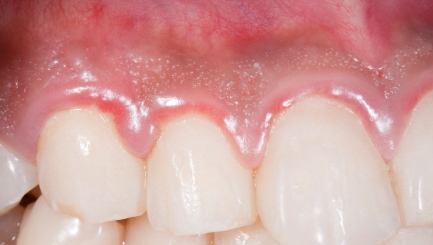
Erectile dysfunction effect on inflamed gumsAt some point or another, the dentist’s chair may have been fuel for your nightmares – but what if gum treatment did more than make you squirm?


If you are a sufferer of rheumatoid arthritis or gum disease, then dentistry may have some good news to make up for the regular reminders to floss.


In the Case Western Reserve University School of Dental Medicine and the University Hospitals of Cleveland; it has been found that treatment for gum disease may prevent or ease inflammation associated with rheumatoid arthritis. Nabil Bissada, D.D.S. at the Dental School, noted that patients suffering from rheumatoid arthritis felt that the pain died down when teeth were pulled out or when they were given antibiotics.


What this suggests is that there is an association with gum disease and inflammation.


Gum disease causes pain by releasing toxins (called tumour neurosis factor-alpha or TNF-α) which promotes infection and painful swelling. Rheumatoid arthritis is worse, since the body is effectively breaking down the joints, leading to chronic agonies. When they grind against one another, the pain is significantly unpleasant. As you might imagine, the combination is not a pretty picture – and that’s an understatement.


All is not lost, however.


When sufferers of rheumatoid arthritis took antibiotics, there was a significant reduction of the pain-inducing toxin, which meant that the pain decreased as well.


Bissada also noted that the majority of patients that suffered from rheumatoid arthritis were more likely to suffer from gum disease as a result.


The research was targeted at four groups of individuals. The results showed that by treating and preventing the symptoms of gum disease alongside a toxin-resistor, the symptoms of other inflammatory diseases were reduced significantly.


As such, the discovery has now been linked to the development of heart disease, diabetes and risk of premature death, yielding an exciting and revolutionary perspective into modern health.


Is Gum Disease Linked To Rheumatoid Arthritis?

Common Treatments Used for Arthritic Knee JointsDo you know someone with rheumatoid arthritis? If you do, have you considered buying them a gift with their condition in mind? Sometimes when people we care about have debilitating conditions it can lead us to ignore it or not pay as much attention to it as we should. One of the best ways that we can connect with people with difficult conditions is to buy gifts for them that relate to their health issues.


Some people who suffer with rheumatoid arthritis experience challenges with everyday activities or situations that could be greatly improved if they had some assistance. The gift is all the better if it allows the sufferer to continue to be independent. The gift that you choose for someone who has the condition should be appropriate for the severity of the limitations they live with every day. For example, some individuals have little or no problem using regular kitchen utensils to prepare meals and to eat, but reaching for items in their cupboards is a challenge.


There are a number of great ideas for what you can get for someone living with the condition. You could go with eating utensils with special grips that make them easier to use or specifically designed knives that reduce stress on the wrist.


If the person loves gardening you could go for tools with special grips or longer handles which could make it easier. You could also choose reachers or grabbers which allow people with arthritis to pick up or extend their reach so that they can retrieve items more easily. If you’d like to go for something to help them with the pain or discomfort they feel on a daily basis you could get a gift card for a gym membership, massage or tai chi classes.


Best Gifts For People With Rheumatoid Arthritis

smart drugA drug called Rituxan is offering hope to sufferers of rheumatoid arthritis. The drug, used in cancer treatment, is the latest weapon in medicine’s fight against the debilitating autoimmune disorder.


Rheumatoid arthritis (RA) occurs when the body’s immune system attacks the joints, causing inflammation and typical symptoms such as stiffness, chronic joint pain and fatigue. Depending on the severity of their condition, sufferers may also experience limited mobility and physical movement.


Many drugs used to treat RA are immunosuppressants that work to stop the immune system turning on the body and so relieve inflammation and joint pain. Rituxan is a biological drug actually more commonly used to treat cancer but found to be effective in relieving the symptoms of RA.


It focuses on depleting certain B cells in the immune system that misfire when an individual has RA and cause inflammation. Used in conjunction with another prescription drug, methotrexate, Rituxan is prescribed when an RA sufferer has failed to respond to other drugs.


Along with osteoarthritis, RA is the most common form of arthritis, affecting millions of people worldwide. However, unlike osteoarthritis where the joints degenerate because of age or injury, RA is an inflammatory condition, which can go on to affect a person’s heart, lungs, nervous system and even their sight. Doctors have not yet pinpointed what causes the condition to develop but believe genetics play a part, probably triggered by environmental factors.


While there is no current cure for any form of arthritis, some medications have been shown to provide long-term symptom relief and even put RA into remission. Corticosteroids are one form of RA symptom relief but as they come with several dangerous side effects such as diabetes, high blood pressure and glaucoma, they are used less often. Disease-modifying drugs are one line of defence, suppressing the immune system and slowing the condition’s progress.


Drugs such as Rituxan are biologic agents, given to patients either via an injection or a transfusion, and considered the most potent treatment to date for reducing joint inflammation and stopping the joints becoming more damaged.


Cancer Drug Offers Treatment Hope for Rheumatoid Arthritis

Salt has Same Effect on Your Wellness, Regardless of PriceIt has been well documented over recent years that eating too much salt can be very bad for you. Salt has been linked the hardening of arteries and to raising blood pressure which can cause a wide range of problems for your wellness. Most healthy-eating diets and nutrition experts recommend eating as little salt as possible and so public awareness for its negative health impact is quite good. However, new research has uncovered a new reason for us to worry about how much salt we’re sprinkling on our food.


A team of researchers has reported that eating a diet laden with salt actually helps the development of autoimmune diseases, where the body’s immune system erroneously attacks healthy cells believing them to be foreign bodies that need to be gotten rid of. Three studies were examined and it was found that salt could indeed increase the risk of multiple sclerosis, rheumatoid arthritis and psoriasis.


This has interesting repercussions for how we view the recent rise in the diagnoses of autoimmune diseases as this research suggests that the increase could be down to environmental factors rather than genetics. This research also shows that salt affects the body in ways that we had not yet recognised. This only adds to the body of knowledge that having an excessively salt-rich diet is very bad for your overall health.


But interestingly it was actually an accidental discovery that triggered the researcher team’s interest in salt. They found out that people who ate at fast food restaurants seemed to have higher levels of inflammatory cells than others. While originally assuming that this was down in increased levels of fat it turned out that salt was in fact the culprit and an increasing risk factor for autoimmune diseases.


Eating Too Much Salt Could Trigger Rheumatoid Arthritis

Could the Right Curry Help You to Combat Type 2 DiabetesSwelling in the joints is a common symptom of rheumatoid arthritis and now we could have more ways to treat it, recent findings suggest. The All India Institute of Medical Sciences recently looked at the effects of a herb on our joint health, with interesting results.


Traditional treatments


Rheumatoid arthritis is a complex condition that can have far-reaching consequences on our wellbeing. It’s known for its effect on the joints, which become inflamed when our immune system is wrongly triggered to attack tissue that acts as protective caps on our bones. This immune response may also target tissue in other places, such as our eyes and mouth. As well as joint issues, we could suffer from fatigue and flu-like symptoms. It can affect us at any age, but is more commonly seen in those aged from 30 to 60. Pain is one of the most difficult symptoms to manage when we have arthritis and although medication can help, the side effects over time can lead to further health issues like osteoporosis. This means that if we take natural-based medications we could protect our health from these kinds of issues.


Herbal help


Doctor Surender Singh from the institute recently investigated the role of coriander in reducing joint swelling. When we have rheumatoid arthritis our joints can get stiff and sore first thing in the morning, or when we don’t use them for a while. Inspired by India’s Ayurvedic medicine, he administered animals with the herb to see if it helped reduce swelling. Dr Singh reveals that the compound helped combat the inflammatory response caused by rheumatoid arthritis. He added that as the condition has a similar effect in animals as it does in humans, meaning the experiment shows how the herbal compound has medical properties. He calls for more research into the herb, which could lead to coriander-based supplements, until then we can benefit from its potential wellness properties by including it in dishes, like curries.


How Eating Curry May Reduce Your Joint Pain

Potent Ginger Can Relief Symptoms Of Arthritis InflammationNatural remedies can be a welcome addition to our stock of medicines as they usually have fewer side effects than drug therapies. Coping with painful joints is a long-term issue for many of us who suffer from rheumatoid arthritis, especially when it comes to mobilising and being active.


Why do joints get painful?


Our immune system helps to protect us from viruses and bugs that enter our system. It’s activated by proteins, but occasionally when it is triggered it turns against our own tissues, believing they are a threat to our wellness. Immune responses of this type can result in lots of different health problems, like multiple sclerosis and type 1 diabetes. Rheumatoid arthritis also falls under this same umbrella. Here, the body attacks the synovial fluid so it becomes inflamed and limits how much we can move our joints. This causes pain that tends to be worse in the morning, but may ease with some movement depending on the severity of the condition.


What helps?


Medication can help us cope with pain and swelling, but some are so strong we need to have regular blood tests to monitor side effects. This makes natural compounds attractive as we can enjoy the peace of mind that comes with taking joint pain medication that does not carry the same health effects. Ginger recently became the focus of researchers at Israel’s Ben-Gurion University when it was administered to participants suffering from rheumatoid arthritis. They were monitored over a six month period in which they regularly took ginger extract. After this period of time, swellings in their knees had significantly reduced. Once the participants stopped taking the ginger then their knee joints became swollen again. This study suggests that we don’t have to just rely on traditional drug therapies to see improvements in our joints.


Fed-up Of Arthritis Meds? Try Cooking With Ginger

Nature’s Own ‘Sponge’ Provides Answer To Heart FailurePain from our health problems can make us focus on the part of our body giving us trouble, although this could take attention away from important other changes in our wellness that indicate additional medical issues. When we get arthritic joints then they may swell, and become hot and painful, depending on the arthritis we have. Treating our affected joints with care is necessary when this happens, but we also need to lookout for changes to our wellness that could be linked to our bone condition.


Not Just Our Bones


Osteoarthritis is a common bone health problem that many of us will get in time. It’s caused by overuse of our joints to the point protective cartilage is worn down. Rheumatoid arthritis can also give us pains in the same joints, but it’s caused by our immune systems targeting our tissues, rather than wear and tear. This doesn’t only occur in our joints but in other areas of our body too. This response can lead to further health problems if we miss the symptoms.


What to look for


When we have rheumatoid arthritis, we can also get anaemia, which is when our blood cells struggle to deliver oxygen to cells. Classic signs of this condition are dizziness, fatigue and shortness of breath. As well as anaemia, we have an increased risk of heart disease, caused by hardening of our arteries. This can be difficult to detect but maintaining a healthy lifestyle can help keep our circulation in top condition. We should visit our GPs if we experience cardiovascular pains or tightness.


In addition to targeting linings in our joints, rheumatoid arthritis can also affect the tissue in our eyes leading to Sjogren’s syndrome. This can cause our eyes to become dry and affect our vision. Our bones can also develop osteoporosis, which is sometimes a side effect of medication. It results in brittle bones that fracture easily and may show as back pain or loss in height.


Your Eyes And Heart: Can They Get Arthritis Too?