Showing posts with label Dental. Show all posts


Sometimes, keeping your mouth clean and maintaining fresh breath are not enough to make you feel your very best. Crooked, chipped and missing teeth or issues with overall tooth alignment are all things that can diminish the appeal of your smile and make you feel less than confident when dealing with others. Following are four ways that cosmetic dentistry can have a significant impact on your self-image and on your overall quality of life.


Gain Increased Confidence and a Positive, Proactive Mindset


Feeling uncomfortable or embarrassed about your smile can make you less than confident in all life areas. People with damaged or missing teeth are often reticent to engage in intimate conversations with others or to make a broad range of facial expressions. This limits their ability to communicate openly and without reservation. Once your cosmetic issues have been corrected, however, you can smile broadly, lean in confidently and express yourself without fear of what others might think about the state of your mouth. Feeling more confident about yourself will also make you far more positive and proactive in both the professional and social arenas.


Make a Better Impression On Others


Not only will you feel better about how you look, but people will respond to you better as well. Your smile is the most noticeable feature that you have and as unfortunate as it may be, people are prone to making snap judgments based upon what they can see. A healthy and complete smile is the best way to show others that you value yourself, your health and your appearance.


Balance out Bite Forces and Preserve Your Smile


In addition to making smiles look a whole lot better, cosmetic dentistry also supplies a number of practical, functional benefits. As you may know as you age, your teeth begin to show signs of wear and tear (Source: Guerra Dental).  Replacing a missing or badly damaged tooth will prevent the surrounding teeth from navigating out of their intended positions. This will also balance out bite forces when you chew, so that your healthy teeth will not be subjected to undue wear and tear.


Fewer Headaches


If you regularly suffer from headaches, missing or damaged teeth could be the cause. Imbalanced and misaligned bite forces place an incredible amount of stress on the jaws and facial muscles. Corrective, cosmetic procedures will make it easier for you to grind up your food without building up tension in the face that will eventually lead to a throbbing headache.


Cosmetic dentistry is not just about looking and feeling good about yourself. These procedures can have a tremendous impact on your ongoing oral health and on your health overall. They can also help you make positive impressions on others when showing off your smile.

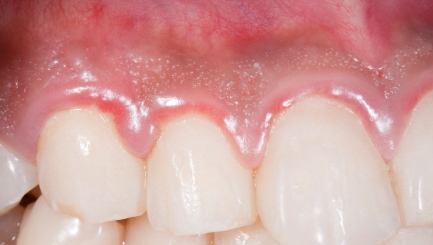


It is common knowledge that sugary candy, coffee consumption, and the unhealthy habit of smoking all cause unpleasant staining on your teeth. These are not the only culprits behind staining, however, and some may be more shocking than others.


1. Pickles

The process of making pickles involves soaking the cucumber in very acidic vinegar. It is this process which makes the pickles sour, salty, and dangerous to your tooth enamel. According to ABC News, a 2004 study showed that pickles were the number one food most closely linked with tooth wear and that eating them more than once a day increases the chances of wearing down, and ultimately staining, your teeth by 85%.


2. Cough syrup

We know that sugar and acid will cause tooth decay and staining, but it may be a surprise that most cough syrups and cough drops have these exact ingredients. The sugars sucrose and fructose are commonly listed ingredients. Additionally, many include citric acids. According to Eastgate Dental Centre, if you take some cough syrup or suck on a cough drop right before falling asleep, it will remain on the teeth and cause even more damage.


3. Regular swimming

Those who swim very regularly in the pool are subject to the chlorine used to keep the water clean. The chlorine will, however, damage the enamel over time by stripping your teeth of its essential minerals. Even those who prefer the ocean need to be cautious as well. The salt water will dry out your mouth.


4. Teeth Grinding

Teeth grinding is known to cause pain and headaches, but it may be a surprise that it also can leave your beautiful teeth more likely to stain. Though teeth are designed to chew and grind food, grinding and clenching your jaws at night over time can result in cracks in the enamel. These cracks make your teeth much more susceptible to decay, staining, and can even wear down pointed teeth.


5. Medications

The most surprising culprit of staining your teeth is your medications. Many common medicines, including some antibiotics, are proven to cause staining. Tetracycline medicine, for example, is not given to children under eight years old or pregnant women due to the child’s developing teeth.


Our perfect smile’s most dangerous enemies can also be the most surprising ones. It’s not easy to resist temptation from indulging in a sweet candy or hot cup of coffee, but preventing staining is made easier by knowing all the causes.


Millions of people suffer from dental office anxiety, and there are many different reasons why. In certain cases, dental office anxiety can be so severe that it prevents a person from visiting a dentist for multiple years. If you’re battling an intense fear of going to the dentist, there are strategies that you can use to help alleviate the distress. These are three simple ways that will help you overcome your dental office anxiety.


Always Schedule Early Appointments


Appointment time doesn’t seem like a big deal, but for the anxious patient, it is. When you schedule a dental appointment for later in the day, you have much more time to worry and ruminate over it. Essentially, the more time you spend worrying about something, the more your anxiety will grow. Schedule appointments as early as possible to avoid overly obsessing about them.


Find a Great Dentist


It might come as a surprise that your anxiety could heavily hinge on who you choose as your regular dentist. Some dentists, like those from Health Centered Dentistry, are better than others at helping their patients feel comfortable when undergoing checkups or procedures. The best way to find the right dentist for you is to ask around with friends and family. You might even want to visit a healthcare facility to find out about the different dentists in your area. Online reviews will also likely allude to whether or not a dentist works well with patients who have anxiety.


Agree Upon a Safe Word or Signal


Before allowing your dentist to get started with your checkup or procedure, talk to them about using a safe word or signal to indicate that you want them to stop what they’re doing. This signal can be as simple as a wave of your hand. This method not only grants you a greater sense of control over the situation at hand, but it also provides comfort for you in knowing that you won’t ever become too overwhelmed while in the dentist’s chair. Simply enough, if you don’t feel comfortable, you can quickly force a break to process your anxiety.


It’s important to keep in mind that no strategy will alleviate your anxiety overnight. However, as you put these strategies to use on a regular basis, your comfort level with visiting the dentist will gradually increase. Anxiety of any type is virtually never easy to work through, but with determination and effort on your part, you can equip yourself with the tools to overcome it.


According to the Oral Cancer Foundation, 43,250 people are diagnosed with oral cancer per year and over 8,000 of those cases will be terminal. The five-year survival rate of an oral cancer diagnosis hovers around 50 percent. This is grim, and the reason the survival rate is so bad is that it often goes undetected until the disease has significantly progressed. Therefore, prevention and early detection are key.


Eat an Antioxidant-Rich Diet


Cancer-fighting foods such as dark leafy vegetables, garlic, cabbage, broccoli, green tea, tomatoes and soy are all lauded for their nutritional content and anti-cancer components. While the occasional unhealthy splurge likely won’t make a difference, your everyday diet needs to be full of antioxidants.


Quit Using Tobacco Products


Whether its cigarettes, a pipe or chewing tobacco, stopping the use of tobacco can reduce your risk of cancer throughout your body and especially in your mouth and throat. Smoking or using other tobacco products is one of the leading causes of cancer, and one of the most preventable. If you’re having trouble quitting, seek out a tobacco cessation program online or in your local area for help.


See Your Dentist Every Six Months


Your dentist or oral hygienist not only cleans your teeth and polishes them, he or she is also inspecting all the tissues on your mouth for any changes. Tiny spots on your tongue or gums can be removed before they bloom into cancer. According to Dr. Bryan Murray, your dentist also looks into your throat and can help spot any changes to the tissues there, as well.


Perform a Self-Exam Monthly


Using a mouth mirror available at nearly any drug store, take the time to check your mouth carefully for any changes. Not only will this help you notice any deterioration in your teeth, it will help you spot changes on your tongue, the roof of your mouth or the lining of your cheeks. Shining a bright light onto a mirror can also help you get a clear view of your throat.


Lower or Eliminate Your Alcohol Consumption


Alcohol is not kind to the delicate lining of your mouth and throat and can also cause dry mouth. Not only can this destroy your teeth, it can damage your tissues and make them more likely to become cancerous. Keep drinks to special occasions or cut them out altogether.


Preventing oral cancer is largely a matter of good hygiene and habits. By following these tips, you can decrease your risk of a diagnosis while also setting yourself up to find any tissue changes quickly, before they have a chance to spread.


Whether you need partial or full sets, getting used to dentures can be difficult at first. If you are patient, your mouth will soon adjust to the dentures and they will feel more comfortable with time. It is very important to take proper care of your dentures so they last a long time. Here are some tips for taking care of your dentures and keeping them in the long term.


Clean Them Every Day

Dentures may not be your real teeth, but it doesn’t mean you shouldn’t take the time to clean them every day. If you don’t clean them regularly, bacteria and plaque can form and weaken their structure. Just gently brush your dentures with a soft bristle toothbrush and mildly abrasive toothpaste.


Handle Them Carefully

Dentures are very delicate, so you have to handle your set with care. When you take them out to clean, place a towel under them in case they fall. You should also keep your dentures away from small children and pets. If children or pets get ahold of them, they can break them.


Use Denture Solution

When you take dentures out of your mouth, they can dry out easily. If they do dry out, they will not fit properly in your mouth anymore. That is why you should soak your dentures in solution every day. This solution will keep your dentures nice and moist. If you take your dentures out before you go to bed, soak them overnight.


Pay Attention for Changes in Fit

If you notice your dentures don’t fit properly in your mouth anymore, don’t ignore the problem. Your gums and bones can change over time, causing them to fit improperly and irritate your mouth. Go to your Insero dentist’s office and have them adjust your dentures or find different denture alternatives.


See Your Dentist Regularly

If you have dentures or implants, it is even more important to see your dentist on a regular basis. Your dentist will examine your sets and make sure they still fit properly in your mouth. They will also check to see if you are taking proper care of your dentures or not.


Dealing with dentures does not have to be difficult. If you follow these helpful tips, your dentures will stay in good shape for a while. If you are very careful there is no reason why they can’t last you many years.


There are now advanced and new options for patients who would like to straighten their teeth but wish to avoid some of the disadvantages of traditional braces. This is why many have turned to invisible braces that can be used to restore both the appearance and function of one’s teeth.


Shorter Treatment Period


Traditional braces can take years on end to fully restore a smile, and this means all of the disadvantages of these metal appliances are that much more daunting for those who would like to restore their smile. Luckily, invisible braces have a much shorter duration of treatment. While metal braces can potentially take upwards of five years to complete, invisible braces can often be done in just 18 months.


Better Comfort


One of the main disadvantages of metal braces is the discomfort that many will experience after they are installed. Instead of metal wires or brackets in one’s mouth, invisible braces are comfortable trays that are custom-made for every single patient and can be taken out at any time and for any reason.


Eat the Foods You Love


There is quite a long list of foods that must be avoided after metal braces have been installed. Clear braces, on the other hand, can be removed just before a meal so that patients can enjoy all of their favorite foods. If you want to brush your teeth or even eat a candied apple, you can remove and replace your invisible braces in just a few moments.


Almost Invisible


A major drawback of braces is the fact that patients will not fully enjoy their smile for years on end due to the appearance of the posts and wires. For those who want to continue smiling with confidence even while their teeth are becoming straighter, these invisible braces can hardly be seen while in the mouth as the clear trays have been designed to slide over one’s teeth and nearly disappear once in place. And regardless of whether you choose Patrick M. Pitts, DDS or a dentist in your particular area, this form of braces is so popular that the chances are high that your chosen provider will offer them.


Peace of Mind


Using traditional braces is often a trial-and-error process that requires constant checkups and adjustments from one’s dentist. With these clear trays, however, patients will know exactly what to expect from start to finish. As the teeth become straighter, custom new trays can be swapped out with a specific time frame of when the treatment will be done.


With these amazing advantages, every patient with crooked teeth or an uneven smile should speak to their dentist about invisible braces. In as little as 18 months you or a loved one could be once again smiling with confidence.


There are several ways a person can achieve the perfect smile quickly and effectively. It is essential that they identify the type of damage which has occurred to their teeth prior to consulting with a dental professional. The length of time a person is willing to wait for results will directly impact which treatment option they select. Below are the most common ways to get the perfect smile.


Dental Implants


Patients with broken teeth, or that have been affected by gum disease or unexpected tooth damage often find implants to be beneficial in helping to return their smile. This treatment method allows for a molding to be taken of affected teeth for reconstructive purposes. The moldings can take several months to become set comfortably in the jaw line. Once they have set they are as strong and durable as real teeth.


Veneers


Veneers are a form of strong tooth covering which can be used to protect cracked and damaged teeth as well as the surrounding area. This method of smile improvement can be used on several teeth in a row without complication. The moldings are simple to make and easily applied to affected areas patients will notice quick visual improvements. Patients who are saving a more permanent solution often find veneers be a fantastic temporary fix while waiting on their more permanent solutions.


Six Month Smile


Six Month Smile programs are a less invasive procedure which focuses on fixing the visual appearance of the most noticeable deformities in a person’s smile structure. Normally opted for by adults with irregularities in the smile, clear braces and 6 months’ time will have your teeth straight and looking good. Patients who are looking for a more time effective treatment option tend to find this procedure preferable to the more invasive traditional process such as braces.


Braces


Braces are the most widely known way of correcting various teeth related problems. Using metal wires in with of conjunction elastic bands can straighten teeth which have grown in crooked or have become damaged due to prior accidents. Braces also help with under and over bite issues. This treatment method is the most extensive, however, it also has an extremely high success rate. Consider getting braces from Mar Orthodontics for a straight smile that will have others doing double-takes as you smile their way.


Having a beautiful smile can become an important part of the formation of increased self-confidence and self-esteem. Depending on the needs of the patient there are both long term and sort term solutions to assist them in looking and feeling their best. Make sure to consider these options and speak and consult with a qualified dental professional before making a final decision. You will be all smiles after the fact.


By Erika Remmington


The discovery of fluoride to aid in resisting tooth decay began in 1901, when a dentist noticed the brown mottling of teeth in residents of a town in Colorado. The teeth of these residents were also unusually resistant to tooth decay. The years of research that followed indicated that a mineral called fluoride that was naturally present in the water was the cause of these effects. This discovery sparked a revolution in dental care that has preserved the dental health of millions of people. Today, fluoride is added to water in many communities. Fluoride treatments can be administered in dentists’ offices as additional protection.


What Are Fluoride Treatments?


Although most people get sufficient amounts of fluoride in their drinking water, some individuals may need extra protection. Fluoride treatments are the direct application of fluoride compounds directly onto the tooth surfaces in the dentist’s office. These compounds are generally in the form of gels or varnishes that are applied and allowed to dry to provide additional protection against cavities. Slow-release devices that release the fluoride over time are also available. These devices are implanted onto the surface of a tooth to provide localized protection against dental caries.


Who Needs Fluoride Treatments?


Individuals who are particularly vulnerable to dental caries can benefit from fluoride treatments. Among these are those who have:


· Braces


· Frequent cavities


· Dry Mouth Conditions


· Gum Disease


· Bridges and Crowns


Benefits


The American Dental Association states that fluoride treatments can reduce the incidence of dental caries and recommend it as a preventative treatment for those individuals who are at high risk for developing cavities. Fluoride not only strengthens tooth enamel to fight erosion; it also helps to reduce the bacteria on teeth that cause dental caries.


Risks


Fluoride is considered safe and effective at recommended dosages. Children under the age of six should not get fluoride treatments because of the risk of dental fluorosis, a condition in which the teeth become discolored. Children should also be monitored in their use of fluoride-containing toothpastes and rinses to avoid this problem. Adults generally do not suffer ill effects from fluoride treatment. However, some individuals may experience nausea and gastrointestinal effects from fluoride treatments.


Should You Get Fluoride Treatments?


If you are among one of the groups of patients that are at particular risk for dental caries, your dentist may suggest fluoride treatments. Dental experts recommend these treatments as a safe and effective method of prevention for those who need extra protection against cavities.


Information provided by Parkland Mall Dental Centre, a Red Deer Dental Clinic.


By Adrienne Erin


The health of your teeth and mouth can say a lot about your overall well-being. Often indicative of an ailment, problems with your teeth can be a warning sign that you may just need to make a visit to the doctor. Here are some health disasters that could be related tocommon dental problems:


Alzheimer’s


Though studies on the link between Alzheimer’s and dental health are still in the works, many are finding that there is, in fact, some link between the decreased brain functioning of Alzheimer’s and poor dental and oral health. This could be due to a decreased ability to care for the teeth and gums as memory loss increases, thus leading to higher amounts of plaque and other periodontal bacteria.


Cardiovascular Disease


The link between oral hygiene and cardiovascular disease is one that is under constant surveillance. The thought behind the studies is that the bacteria that is found in the mouth for someone who has poor periodontal health may get into the bloodstream, thus affecting different parts of the body. In the case of cardiovascular disease, the same bacteria and plaque that cause dental problems can be found in the areas surrounding the heart, leading scientists to believe that there surely is a connection between oral health and heart health.


Diabetes


Research shows that diabetics are more likely to have gum disease than their healthier counterparts. Gum disease has many warning signs but could be worsened by the body’s high blood sugar, or glucose, levels, which are naturally increased when foods containing high amounts of carbs and sugars are consumed. The American Diabetes Association created a list of some of the signs to watch out for, like tender, bleeding gums and moving teeth, which are indicative of gum disease and diabetes.


Obesity


Obesity is another area that can affect the overall health of your teeth and mouth. Generally, those who are found to be in the obese category have poor eating habits and visit the dentist less. There may also be a connection between the need for more prescription medications and oral health, as many medications tend to make the mouth dry. As saliva is a cleaning agent for our mouths, it stands to reason that the less saliva available, the less natural cleaning our body is able to do, thus leaving sugars and bacteria to sit in the mouth for extended periods of time.


Periodontitis


At particular risk for periodontitis are women who are pregnant. Periodontitis begins as gingivitis, but worsens when left alone. Often, the gums become inflamed and begin to bleed. They then are susceptible to infection. If left untreated, periodontitis has been linked to low birth weight and premature labor, both of which have an immediate effect on the health of the baby.


As many different diseases and health conditions can be connected to oral hygiene, it goes without saying that practicing proper brushing and flossing techniques can help prevent the need for emergency dental services. Regular visits to the dentist and careful attention to anything abnormal in your teeth and gums could help reduce your risk of developing any of these health disasters.


Adrienne Erin is a freelance writer interested in doing what it takes to live a healthier life. You can follow her on Twitter at @foodierx and read more of her work on her blog Miss Rx.


Teeth can remain strong and vibrant for a lifetime as long as proper dental care is provided. This means that the teeth need to be brushed, flossed and rinsed daily. A proper diet packed with essential nutrients, minerals and vitamins helps to keep teeth strong and healthy as well.


There are a wide variety of foods that can establish ideal dental health. Consider the five super foods listed below though to get the most out of your nutrition. Also, think about a consultation with a general dentist at http://www.palmbayfldentist.com to make sure that your diet is healthy for your teeth.


1. Milk


Milk is high in both calcium and vitamin D. These nutrients help to strengthen teeth by replenishing nutrients that have been lost during the demineralization process. Calcium helps to strengthen dental enamel as well. A single glass of milk that measures eight ounces is enough to provide your teeth with valuable calcium every day.


2. Apples


Apples contain essential nutrients to help with overall health. Apples are also hard and crunchy. This means that apples actually scrub the teeth as they are eaten. This helps to remove food particles and plaque that have built up on the teeth. The apples help to reduce cavity formation by removing harmful plaque before it has the opportunity to turn into dental tartar.


3. Nuts


Almonds, brazil nuts, walnuts, peanuts and sesame seeds all contain a good deal of calcium. Peanuts also contain vitamin D, and walnuts contain iron, magnesium and folic acid to aid in overall health. Cashews and other nuts also help to produce excess saliva in the mouth to help control demineralization of the dental enamel.


4. Tea


Certain types of tea can help strengthen the teeth by killing harmful bacteria that form within the mouth. Black and green tea offer the most in the way of health benefits. These types of teas contain polyphenols that directly affect the way that bacteria are able to thrive along the gums. Tea also boosts the immune system and it helps to rinse out the mouth.


5. Chocolate


Chocolate contains a variety of health benefits to the teeth. Cocoa in the chocolate contains a substance called tannin that works to reduce dental decay. Antioxidants help to boost the immune system, and chocolate is considered to be quite a tasty treat. Chocolate also helps to limit the amount of plaque that can form on the teeth. Dark chocolate can bring down the acidic conditions within the mouth as well.

In the past, dental insurance didn’t seem like a necessity, but that is changing. Dental insurance helps pay for some of the costs of dental care. Don’t ignore the importance of dental insurance or visiting the dentist to keep your teeth healthy.


You Have Children


If you have children, you definitely need dental insurance. Taking care of teeth early is extremely important, and with laws to protect children, you can even get in trouble if your child has excessive cavities. Insurance provides a means to pay for those routine visits and fillings. In addition, there are many treatments for kids that help protect their teeth, such as sealants and fluoride treatments.


Preventative Care


Preventative care is the most important aspect of dental health. With proper preventative care, you usually avoid more serious problems, such as cavities, infections and missing teeth. Most dental plans cover preventative care at 100 percent, and they are usually not subject to the deductible. With insurance, you are more likely to actually go in for routine exams and cleanings, which play a major role in good oral hygiene and avoiding cavities.


Dental Costs


Dental costs can become expensive. One cavity might only cost you $100 or $200 if you don’t have insurance, but that’s money that could go toward something fun. If you have a more serious problem, such as an infected tooth or a tooth that needs a crown, you end up paying thousands of dollars out of pocket without insurance. Having dental insurance may cover 80 or 50 percent of those costs, saving you hundreds or even thousands of dollars.


Cosmetic Services


Let’s face it: the appearance of your teeth matter. Having a beautiful, white smile is becoming increasingly important. While dental insurance won’t pay for an entire mouth restoration, it can help cover some cosmetic costs, such as an implant for a missing tooth or a porcelain crown. Having dental insurance can make the difference between getting a mental bridge or a porcelain implant that looks and works like your real tooth.


Overall Health


According to Ira J Moin DDS, good dental health isn’t just about nice teeth or a healthy smile. Poor dental care can affect your overall health, leading to cardiovascular disease, dementia, respiratory infections and even diabetic complications. Having dental insurance means you can have routine dental care on a regular basis, keeping your teeth and your body healthy.


Dental insurance is important for helping to pay for the costs of dental procedures. You never know when you might suddenly develop a cavity or lose a tooth, even if you practice good oral hygiene. In addition, having dental insurance allows you to go to the dentist for routine exams and cleanings, ensuring your mouth and body stay healthy.

Many people do not look forward to visiting the dentist, but having an excellent dental provider can make your visits more pleasant and productive. It can be challenging to find the right dentist for your family, and these tips can help lead you to the best person.


1. Check Your Insurance Coverage


If you have insurance, your cost for dental procedures should be greatly reduced. Therefore, it is important to find a dentist that accepts your dental insurance.


You can usually find this information quickly by going to your insurance company’s website and searching for dental providers in your area. Before you arrive at your appointment, it is also wise to confirm with the office staff that your insurance is still accepted.


2. Determine Your Needs


There are many different types of dentists, so determining your needs will help you narrow down your search. If you have young children, you might want to focus on locating a pediatric dentist. If you suspect that you need advanced dental procedures, locating an oral surgeon could be a good choice.


Make a list of the characteristics and qualifications that matter most to you when choosing a dentist. Focusing on the things that are important to you will help you make a wise choice.


3. Ask Friends and Neighbors for Recommendations


Traditional dental marketing techniques focus on telling you why a certain dentist is the right choice for you. These materials can be helpful, but it is easier to trust word of mouth recommendations from people you know well. Instead of just asking general questions, focus on specific questions to get the information that is important to you. For instance, you could ask your friends, “Does your dentist recommend unnecessary procedures?”, “Do you have to wait past your appointment time?” or “Are the hygienists good with children?”


4. Research Before Making an Appointment


It pays to complete your research before you ever make a dentist appointment. Take some time to read the dentist’s website, and carefully note the information about his services, policies and procedures. You may receive postcards from local dentists advertising their new practice. This is one example of traditional dental marketing, revolutionized for modern application. Do additional research into the dentists that send you advertising to make sure they are professionals.


Many websites also provide information regarding the dentist’s educational background and specialties. Understanding a dentist’s focus can help you make a more informed decision. If one dentist in your area has revolutionized the treatment for gingivitis and you have gum disease, that dentist would probably be an excellent choice for you. Spending some time researching does require a bit of extra effort, but it can save you the trouble of having to switch dentists later because you are not satisfied.

Anybody who wants straight, beautiful teeth will have to get braces at some point if they aren’t already perfect. These days, there are several major types of braces that one can choose from. Of the choices available, traditional braces and invisible braces are the most popular. Here are five differences between the two to help you with your decision.


1. Concealability


One of the most attractive aspects of invisible braces is that they stay very well hidden from view. Traditional braces are far more noticeable, and those who have to wear them don’t usually want to be seen with them on. Many people are embarrassed to be spotted in public with braces on, but invisible braces are a great solution to that problem.


2. Comfort


Braces are not very comfortable to wear. The traditional variant is made of metal wiring, studs, and plastic pieces that may have very sharp edges. These pointy parts protrude into the mouth and often irritate gums and the inner cheek. Invisible braces tend to be more comfortable than standard braces because they are designed from a thin plastic that molds to the shape of the wearer’s teeth. There are no sharp edges or points on the invisible braces at all. They are seamless, removable mouthpieces reminiscent of sleek, transparent mouth-guards. Even invisible braces come with some degree of discomfort because they reposition teeth, after all, but overall they are far more comfortable.


3. Wear Duration


Both traditional and invisible braces are worn for an average of two years for a complete dental transformation. However, invisible braces may take a shorter amount of time to straighten less severe dental crookedness. In the end, the time required to straighten the teeth will vary on an individual basis depending on the severity of the problem. For an accurate estimate of how long you may have to wear braces, contact a dental office like Sierra Dental in Calgary or another cosmetic dentist near you.


4. Effectiveness


When it comes to effectiveness, traditional braces reign supreme. They have a long history of being used to successfully fix more severe dental issues. Invisible braces are designed for more typical cases of dental crookedness. They appeal to teens and other individuals who are more concerned with looks, but they won’t solve every dental problem out there.


5. Cost


Invisible braces seem to offer many advantages over traditional braces, and all of that comes at a higher cost. Expect to spend an average of $500 more on invisible braces for each year of treatment. Total costs for traditional braces fall just under $5,000, while costs for invisible braces range from $3,500 to $8,000.


Like with everything else, traditional braces and invisible braces both have their pros and cons. Either choice is a good one, but the decision should be based on your personal needs and preferences. See an orthodontist if you want to learn more about either form of braces.

With the New Year, you have an opportunity to make resolutions to start taking better care of your health, helping you to improve your overall quality of life now and for many more years to come. Now is the time to finally get in shape, to work on lowering your blood pressure,to tend to your dental health, and much more.


The first thing you need to do is make some health appointments to ensure that you start your new healthy journey on the right path. Here are the five appointments you need to make to start the New Year right:


Family Physician


Your family physician can give you a thorough exam to ensure that you are in good physical and mental health. At your physical, the doctor will check your heart rate, blood pressure, weight, reflexes, lymph nodes, glands, and more. Your doctor may order additional tests for any issues you are experiencing.


Dentist


You need to see the dentist twice a year for a cleaning, as well as a checkup of your oral health. Without these regular visits, you are at risk for gum disease, cavities and other dental problems. A dentist can also provide restorative services. Whether you are searching for dental implants Edmonton, cavity fillings or a general checkup, you can visit a professional like Azarko Dental Group for full service.


Dermatologist


You don’t have to suffer from acne or other skin conditions to see a dermatologist. You should see a dermatologist once a year to have your skin thoroughly examined. The dermatologist will check all your moles for signs of any growths that are discolored or oddly shaped, which could be an early sign of skin cancer.


Optometrist


Your eyes health is an important part of your total health. An annual visit to the eye doctor can not only detect changes in your vision to give you the corrective lenses to preserve your quality of life, but it can also lead to early diagnosis of eye disease like glaucoma and macular degeneration, which can impair your health.


Nutritionist


A nutritionist can help you devise a healthy eating plan that will help you meet your goals for weight loss or better health. The nutritionist can review your current eating habits and make a plan to suit your specific tastes and needs.


Keeping these appointments ensures that you are an active participant in your own health care. You can start the New Year right by making these appointments and following through on the advice your providers give you.

There are plenty of reasons to fear a trip to the dentist. Most of these fears are irrational, but one of them is completely logical. That is the fear of over paying for good dental care. No one likes to spend money to sit in an uncomfortable chair and be prodded by a dentist, especially with the outrageous costs of treatment. However, there are ways to be frugal, even when it comes to medical aid.


Cash Discount


Some dentists offer cash discounts. Not everyone has the cash upfront to cover a dental bill, but if you do, you can probably save yourself some money in the long run. Credit card payments take time to fully process, and they can sometimes cause problems for the dental office. Because of this, many dentists appreciate cash payments and sometimes offer rewards for them. You can always talk to your dentist to see if he or she would be willing to practice such a method, if they do not already.


Strategic Appointments


It is possible to separate a major dental appointment into two smaller visits that land on the end of one coverage year and the beginning of another. This way you can avoid exceeding your coverage limit by only adding half of the cost of a major appointment to your current year. Many dentists are willing to work with patients in this way. However, most patients are unaware of this option.


Clinical Studies


Many clinics often ask patients to participate in studies, allowing them to get dental work done for free. If you need to get your wisdom teeth removed, but can’t foot the bill, you might try looking into one of these studies—you could get this procedure done for free! A Salt Lake City wisdom teeth research clinic has been able to offer patients in Utah free wisdom teeth removal—making it possible for them to have this necessary procedure done without breaking the bank.


Revolving Payment Plan


One way to deal with massive dental bills is to break them down into smaller payments that can be dealt with over time. Many dental offices are willing to set up a revolving payment plan that allows patients to pay a portion of the bill every week or month. There are usually no interest fees, and most dentists will be lenient with long time patients.


Preventative Care


The best way to save money on dental care is to avoid it altogether. This does not mean that you should let your teeth rot out of your head. Instead, try to take home dental care more seriously. Brushing twice a day is great, but flossing is the best preventative dental care there is. Most dental problems are related to gum health, so be sure to floss twice a day to keep your gums strong and healthy. This will save you money by preventing gum disease and other health problems.


Medical bills are one of the largest expenses nation wide. There is no harm in trying to find new and innovative ways to save money on your dental bill. The best way to do this is to simply talk with your dentist. If they care about their patients, then they will be willing to offer advise on how to best handle your medical bills.

Medical professionals have to take extreme care when treating patients to minimise the risks of spreading dangerous infections and viruses. So the news that patients of a now-closed US dental practice may have been exposed to hepatitis or HIV will come as a shock to everyone.


The clinic in Arizona was shut down in 2010 but health officials are now contacting more than 170 patients who may have been exposed to blood-borne pathogens because of improperly installed dental equipment.


The equipment in question was an air compressor used to vacuum out patients’ mouths and to sluice their mouths with water. As the compressor was not properly installed, there is a high risk of cross-contamination with patients potentially being infected with the medical waste of other patients.


To date, no cases have been identified but health officials are anxious to speak to every patient from the practice to ensure they undergo screening for hepatitis B and C and HIV.


The Arizona Department of Health Services is carrying out the probe and the US Centres for Disease Control and Prevention are overseeing the investigation. The matter came to light when the equipment was sold at auction to a different dentist and is now the subject of a lawsuit.


Health officials are insisting that the risk of infection is very low and there have only been a handful of cases of HIV and hepatitis B being transmitted in a dental setting with none of hepatitis C.


However, the case does raise worrying questions. Patients have to have complete trust in their medical professionals and be confident that all precautions and procedures are being followed to the letter.


US Health Officials Probe HIV Threat at Dental Clinic

Erectile dysfunction effect on inflamed gumsAt some point or another, the dentist’s chair may have been fuel for your nightmares – but what if gum treatment did more than make you squirm?


If you are a sufferer of rheumatoid arthritis or gum disease, then dentistry may have some good news to make up for the regular reminders to floss.


In the Case Western Reserve University School of Dental Medicine and the University Hospitals of Cleveland; it has been found that treatment for gum disease may prevent or ease inflammation associated with rheumatoid arthritis. Nabil Bissada, D.D.S. at the Dental School, noted that patients suffering from rheumatoid arthritis felt that the pain died down when teeth were pulled out or when they were given antibiotics.


What this suggests is that there is an association with gum disease and inflammation.


Gum disease causes pain by releasing toxins (called tumour neurosis factor-alpha or TNF-α) which promotes infection and painful swelling. Rheumatoid arthritis is worse, since the body is effectively breaking down the joints, leading to chronic agonies. When they grind against one another, the pain is significantly unpleasant. As you might imagine, the combination is not a pretty picture – and that’s an understatement.


All is not lost, however.


When sufferers of rheumatoid arthritis took antibiotics, there was a significant reduction of the pain-inducing toxin, which meant that the pain decreased as well.


Bissada also noted that the majority of patients that suffered from rheumatoid arthritis were more likely to suffer from gum disease as a result.


The research was targeted at four groups of individuals. The results showed that by treating and preventing the symptoms of gum disease alongside a toxin-resistor, the symptoms of other inflammatory diseases were reduced significantly.


As such, the discovery has now been linked to the development of heart disease, diabetes and risk of premature death, yielding an exciting and revolutionary perspective into modern health.


Is Gum Disease Linked To Rheumatoid Arthritis?