Showing posts with label Gum Disease. Show all posts


Just because your child’s first teeth will eventually fall out does not mean you should shirk your duty to teach them the best oral health habits. The sooner they learn how to care for their teeth, the better prepared they’ll be for their final set as it slowly grows in.


Eating Healthy


While brushing and flossing are probably the first things thought about when asked about oral hygiene, eating healthy is just as important. Fast foods, sugars and other unhealthy snacks promote the growth of bacteria and can open up the mouth to serious problems like cavities and gum disease. Teaching your child healthy eating now will ensure that once they start making food choices on their own, they’ll make the right ones.


Flossing Regularly


This is arguably one of the most neglected aspects of dental health when, in reality, it should be one of the most important. Flossing allows your child to disrupt the growth of any harmful bacteria trying to eat through the enamel of their teeth. Dentists recommend teaching kids how to do this only when their primary teeth start growing in.


Brushing Properly


The best brush technique is with soft bristles and a pressure no harder than you would use to brush a tomato without breaking its skin. This is because brushing exists to merely wick away external bacteria. If there is too much pressure, damage is done to the teeth and gums. Also, remember to only use a pea-sized drop of toothpaste. That is all that is necessary to obtain a good clean.


Drinking Water


Saliva is a very important aspect of our mouths that is often overlooked. Made up from water, it keeps the mouth moist, fights germs, prevents bad breath and contains essential minerals and proteins that naturally prevent gum disease and tooth decay. By drinking enough water, your children are making sure their first line of defense is always strong.


Visiting the Dentist


Finally, teach your child that dentist visits are necessary for deep cleans and spotting any potential problems. They are also great resources to discuss your current methods of cleaning your teeth and if what you’re doing is enough. One visit every six months from your child’s first tooth eruption is believed to be the optimal schedule.


Take time to show your kids these healthy daily practices to guarantee they will have nothing but beautiful smiles as they get older. Good dental health habits can be life-long, especially with a good childhood foundation.


Informational Credit to Advanced Family Dental Care LLC


Living a healthy lifestyle requires you to make some conscious decisions. For people who are accustomed to living this way, it becomes second nature. If you are not health conscious, however, it will take some effort and retraining yourself. The following are five habits or practices that healthy people recognize and you should too.


“Occasional” Bad Habits Accumulate


This goes for both positive and negative habits. Many people rationalize unhealthy habits by saying something like “just one or two won’t kill me.” This might refer to cigarettes, alcoholic drinks or junk food. The problem is, if you do these type of things consistently, they have a cumulative effect on your body. That’s why healthy people recognize that it’s better to curb bad habits to a bare minimum.


Taking Care of Your Teeth and Gums is Vital to Your Health


Recent research shows that there is a connection between people’s dental health and their overall health. Cavities, oral infections and gum disease can not only cause problems for your mouth, but they can spread to other areas. That’s why people with gum disease are more likely to suffer from heart disease. That’s why healthy people take good care of their teeth, which includes brushing and flossing daily and scheduling regular appointments with the dentist.


Social Connections Are Essential to a Healthy Lifestyle


Being connected to other people and even animals is beneficial to your health. Isolation, on the other hand, can lead to depression and poor health. Studies show that people who are socially isolated, such as many older retired people, are at greater risk for many illnesses than those who are more sociable. That’s why healthy people make an effort to stay connected with friends, family, neighbors and activity partners.


It’s Important to Get Enough Rest


Lack of sleep not only makes you feel tired and drained, it takes a toll on your health. There is even evidence linking sleep deprivation to obesity. When you don’t get enough sleep, it can disrupt the balance of hormones that regulate your metabolism. Most people need at least seven hours of sleep per night. If you have difficulty getting enough sleep, you can try scheduling a nap in the afternoon or early evening.


Eating Right Can Do Wonders for the Body


People who are serious about their health are often talking about the last meal that they had. They normally use words like quinoa, kale and chicken. Eating right can reduce risk of several diseases like cancer, heart disease, and type-2 diabetes. A great option for a healthy meal would be a nice peanut butter and honey sandwich with some Klosterman Baking Company bread. Controlling you portions has a direct effect on your waistline. Make sure you continue making correct decisions and pick the carrot over the cake.


Stress is Bad for Your Health


Stress is one of the most harmful factors when it comes to your health. When you are tense, angry or frustrated, your body releases adrenaline as though you were under attack. If you are frequently in this type of state, it takes its toll on the body. Healthy people understand the importance of relaxing and letting go of stress. Techniques such as yoga, meditation, aromatherapy and massage can help you reduce stress.


There are quite a few ways that health conscious people differ from their less healthy counterparts. The above guidelines are some of the most crucial areas to keep in mind if you want to enjoy better health and a better quality of life.


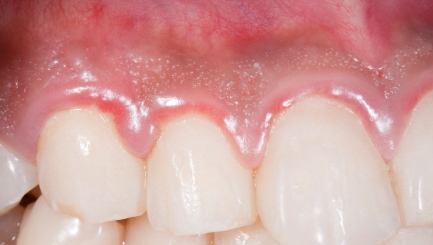
Gum disease is a bacterial infection in the tissues and bones around the teeth. Healthy gums should not bleed easily with brushing. They should appear pink and fit tightly around teeth. Gums that are swollen, tender, red, bleed easily, or are receding from teeth are likely infected with gum disease. It is a serious problem that can affect oral health, lead to tooth loss, and cause infection and ailments in other areas of the body as well if left untreated. There are some steps you can take to help prevent gum disease.


1. Practice Good Oral Hygiene

According to Smith Family Dental, gum disease starts in areas where bacteria is allowed to grow and thrive. The better oral hygiene you practice, the less likely you are to suffer from gum disease. You should brush your teeth twice a day and floss and use a fluoride mouth rinse at least once a day. These basic practices are extremely important.


2. Visit the Dentist

Your mouth produces plaque, which is a clear sticky bacteria filled substance. Brushing at home can help eliminate plaque from your mouth. Plaque turns into tartar, which is a hard substance that cannot be removed with at home brushing. Visiting a dentist every 6 months for a routine cleaning is essential to tartar removal and a key component to good oral health.


3. Watch what you Eat

Watching what you eat is not as simple as just avoiding sticky sugar filled candy, although this is important. It is important to make conscious and intentional decisions about what you eat and try to choose foods that actually improve oral health. Crunchy fruits and vegetables high in water content help trigger the flow of saliva, which naturally washes small food particles away from teeth. Include healthy sources of calcium such as cheese and unsweetened yogurt to encourage strong tooth development. Avoid sugary drinks and stick with water as your primary drink. Eating a diet rich in vitamins and minerals is good for your dental health, as well as your overall well-being.


4. Avoid Frequent Snacking

nearly as important as what you eat is when you eat. Frequent snacking bombards your teeth with sugars, which feed bacteria. Allowing time between meals and snacks gives saliva time to wash food away from teeth. Always follow a snack with a drink of water and brush teeth after snacking when possible.


5. Know your Risk Factors

Certain factors put you at greater risk for developing gum disease. As you age, the likelihood of gum disease developing increases. Hormonal changes in women can also increase your risk. Smoking or use of chewing tobacco both are huge contributing factors to gum disease. Know your risk factors and do what you can to minimize or eliminate them.


Taking good care of your mouth translates into better overall health. Early gum disease often does not cause pain, so it is important to know the indicators and work with your dentist to ensure the best oral health possible.


The mouth is teeming with bacteria. Most of this bacteria is the good sort which helps in the normal function of your teeth and gums, but there is still a chance you may be suffering from periodontal or gum disease.


Gum disease is said to be one of the most common ailments in the world. There’s almost as many people suffering from gum disease as the common flu at any given moment in time. But most people don’t realize that gum disease could have much more fatal consequences. In the past, studies have linked the seemingly benign disease to various other forms of bodily ailments such as- diabetes, heart disease, asthma and, in severe circumstances, cancer.


The Window to Your Health


There is a substantially growing amount of evidence supporting the notion that the mouth is the window to our body’s overall health and wellbeing. Particularly gum disease or periodontal disease has been observed by experts to be closely correlated to other forms of ailments people generally suffer.


The bacteria associated with gum disease was, at first, thought to be the primary contributing factor. It was believed that as gum disease worsened the bacterial growth increased and spread to other parts of the body and created different sorts of issues there. Recently, though, there is a growing consensus that inflammation is the leading cause for this link between deteriorating oral health and overall wellness issues.


Asthma & Allergies


Studies have shown that the most common ailment associated with gum disease is asthma. Researchers in the United Kingdom have found that when adjusted with other factors, such as age, sex, height, weight, smoking habits and lifestyle choices, the patients suffering from gum disease were most at risk for developing asthma.


The debate on whether gum disease is related to other forms of health issues is still ongoing. Whether it’s bacteria or inflammation or both which cause these problems is still relatively unknown. Research is ongoing but there is a lot of evidence to show that the irritants present in the body can migrate to other parts, sometimes leading to minor allergies.


Bacterial infection is considered to be the main cause for gum disease leading to respiratory problems such as asthma. Pneumonia is also said to be caused in certain cases where the bacteria in the mouth is transmitted to the lungs via the windpipe.


Eczema


Asthma is itself closely associated with a sort of skin irritation whose cause has not yet been uncovered – atopic eczema. Eczema is a sort of skin inflammation which cause the skin to redden, dry out, itch and crack. Patients, especially children, suffering from asthma are said to be at a higher risk for this sort of skin ailment. Dry and irritated skin is a fairly common problem and this sort of eczema is mainly triggered by allergens in the body.


Susceptibility to allergies, asthma and eczema are all correlated to developing gum disease. The best way to combat these ailments is to take much better care of oral hygiene.


Preventative Care


Brushing the teeth twice a day, once before bed at night and once in the morning, is a common staple of good oral care. But a lot of people don’t understand the importance of brushing for longer, preferably two minutes, for better results.


Also, a lot of people are unaware of the amount of fluoride their toothpaste contains or the amount that is actually recommended for use. Fluoride is highly effective in protecting your teeth from tooth decay, which is why it is being added to mainstream toothpastes by manufacturers. The element is naturally present in food sometimes and is known to also eradicate your mouth of almost all its bacteria. The recommended level of fluoride is 0.7-0.2 parts for every million parts of water.


Oil Pulling


You’ve no doubt heard about the health craze, oil pulling. Though it’s taken on a new life in the health world these days, it’s not new at all – the practice actually has old roots in Ayurveda Indian medicine.  It simply involves swishing around with a plant-based oil (coconut, sesame, sunflower) for about 15 minutes, which is said to improve oral health and draw out toxins from the body.


A casual perusal of online article on oil pulling will present a whole host of health issues that the practice supposedly cures; everything from hangovers to sinus infections to eczema.  While there doesn’t seem to be definitive proof of any of this, it makes perfect sense that faithful oil pullers would see a variety of health benefits.


Oil pulling is a great way to keep your mouth very clean, and having a very clean mouth helps to maintain health in the rest of your body as well.  So while I’d hesitate to endorse oil pulling as a cure-all for anything, it is one way to ensure good oral health, which has a myriad of benefits.


You can protect yourself from all the issues caused by gum disease by simply brushing and flossing regularly, replacing the toothbrush you use once every 3 months and eating a healthy diet. Regular dental checkups will also be useful in spotting signs of gum disease early and treating it effectively. Detecting gum disease early will be your best chance at avoiding any of the other health issues correlated with it.


About the Author:  Dr. Kimberly Dyoco is a Chicago dentist who founded One Mag Smile, a practice that specializes in both general and cosmetic dentistry.  Dr. Dyoco loves exploring the many links between oral health and the rest of the body and enjoys sharing her knowledge and passion as a guest author on a wide variety of health and lifestyle publications. To find out more, check out www.1magSmile.com.


A bright smile with perfect teeth that are free of gum disease will make you feel better and more prone to smiling, which helps you lessen stress and to promote a positive self-image. The simple fact is that your dental health affects your overall health in numerous ways.


What isn’t so simple are some of the myths floating about pertaining to dental hygiene. Let’s debunk some of the most infamous tooth care myths today.


1. Whitening Harms Your Teeth


Most forms of tooth whitening affect only the pigmentation of the teeth. This means that it doesn’t wear or weaken the enamel. What too much tooth whitening can do is to make your teeth appear translucent. Ensure that you follow the directions of any home whitening system to prevent this from happening to you.


2. Only Inadequate Brushing Leads to Bad Breath


There are numerous causes of bad breath. Only one of those causes marks you as bad at brushing your teeth. If you have bad breath, it could be something as simple as the foods that you eat or a bacterial infection in your throat.


3. Bleeding Gums Shouldn’t be Brushed


Bleeding gums are one of the most prominent signs of gum disease. A little bit of blood and tenderness tends to make people with bleeding gums want to stop brushing altogether. The truth is that brushing bleeding gums is generally a good idea, as it helps to break up bacterial deposits and to ward off the advance of gingivitis into periodontal disease. The dentists at Any Day Dental in Nevada recommend that you brush with a soft brush and to floss gently if you experience bleeding or tender gums. You should also go in for a checkup to ensure that your condition does not progress further.


4. Eating Sugar Will Harm Your Teeth


The simple truth is that only acid and physical trauma to your teeth will lead to your teeth being damaged. Sugar itself is relatively harmless, it’s the bacteria that clings to your teeth that isn’t. When you eat sugar, this bacteria produces acid. It’s the acid that wears down your enamel and eventually causes cavities, which is why those hard-to-reach spots are usually the most cavity-prone. Brushing your teeth and flossing to remove this bacteria will prevent it from producing the acid that hurts your teeth.


Promoting Accurate Dental Knowledge


There are still a myriad of myths out there, but the above four are the most prominent. By following your dentist’s directions and regularly visiting him, you’ll ensure that you can worry less about your teeth and that you will have a brighter smile.


By Karleia Steiner 


Many people know about gum disease, but what they might not know is just how serious it can be. With so many news releases about diseases like cancer, high blood pressure and diabetes, many people think very little of their oral care beyond just a daily brushing. However, for many people, gum disease can threaten their life.


The Two Types of Gum Disease


There are two types of gum disease. Many are familiar with the milder form, gingivitis, what they are not familiar with is the more serious form, periodontitis.


Gingivitis


Gingivitis is caused by plaque and tarter buildup on your teeth. Plaque accumulates on your teeth naturally when you eat. If the bacteria is not removed, it can form into a harder substance known as tarter. Tarter requires professional dental care in order for it to be removed. If plaque and tarter remain on teeth, gingivitis can form. The obvious signs of this gum disease are swelling, bleeding gums, and gums that are red.


Periodontitis


Periodontitis can form if gingivitis is not treated. Though it is uncommon for people under 30 years of age to develop periodontitis, it is not impossible. The gums will recede from your teeth, leaving empty pockets. These spaces can become infected. Nashville Periodontal Group has said there is treatment for receding gums. Also, the body’s immune system will fight the infection. However, the immune system, as well as the bacterial toxins, will destroy the bone and connective tissues that hold your teeth in place. Teeth that are affected by the infection will have to be removed.


Additional Dangers


Beyond losing teeth, there have been case studies that have shown where infections were able to enter the blood stream through the open gum line. These infections can cause cardiovascular disease and even death. These studies can be found in the American Journal of Cardiology (AJC) and the Journal of Periodontology.


How to Prevent Gum Disease


The good news is that gum disease in any form can be treated and prevented. Basic steps that you can take at home include the obvious brushing. Make sure to use a quality toothpaste that dentists recommend. Make sure to visit your dentist twice a year for routine cleaning and examination. During that time, report anything new or alarming that has developed after your last visit. If you smoke, make a strong effort to quit. Smokers have an increased risk of gum disease, along with other chronic diseases.


If your gum disease is more aggressive, medication and/or surgery may be needed to treat it. Surgery can include flap surgery and bone grafts. The flap surgery may be required if pockets still exist after deep cleaning and medication treatments. The surgery will clean the pockets and help you and your dentist keep the area clean. Bone grafts can help repair lost bone and connective tissue.


If you notice any signs or symptoms of gum disease, make an extra appointment with your dentist to discuss treatment options. Early detection and prevention can greatly reduce the pain and frustration of gum disease.


Sources:


http://www.nidcr.nih.gov/OralHealth/Topics/GumDiseases/PeriodontalGumDisease.htm


http://www.perio.org/consumer/types-gum-disease.html


By Lizzie Weakley


Gingivitis is an inflammation caused by plaque buildup that, when left untreated, can become a much worse condition known as periodontitis, or simply gum disease. Poor oral hygiene, smoking, genetics, and certain medications can cause gum disease to develop and worsen through time if habits do not improve. Unfortunately for sufferers, there is a direct link between this condition and the onset of other health complications.


Tooth Loss


The obvious danger of gum disease is chronically bad breath, mouth pain, and the eventual loss of teeth. Eating becomes uncomfortable and often leads to bleeding, swelling, or sores on the gums. According to Smith Family Dental, it may also be noticed that gums begin to recede and expose a greater portion of the teeth. Aesthetically, this can cause problems in relation to self-esteem and put a damper on any type of close intimate relationship.


Uncontrollable Diabetes


Diabetic patients rely on controlling blood sugar to keep immediate complications from arising, including fatigue, nausea, seizures, and coma. Over time, there is a possibility of damage to the kidneys, nerves, bones, and joints. A person with gum disease has a much harder time controlling blood sugar because the body’s natural defenses kick in when bacteria hits the blood stream. This happens when infected gums are exposed to brushing or eating, causing blood sugar to rise.


Heart-Related Conditions


Periodontal disease sufferers typically experience inflammation regularly as the gums are extremely sensitive to trauma. Not only is there a link between worsening existing heart disease, it increases the risk of development. In addition, there is a higher risk of stroke due to blocked arteries relating to periodontitis (Source: SmithFamilyDental.com).


Increased Risk Of Cancers


A study conducted by the research team at Harvard University and London’s Imperia College documented the statistics of gum disease patients with other illnesses. Significant increases were shown between the developments of certain cancers in patients that had pre-existing periodontitis. Kidney was the highest, followed by lung, blood, head, and neck cancers. This is believed to be partially caused by infectious bacteria entering the blood stream, weakening immune system.

Good oral hygiene must be a regular practice to keep the smile healthy and prevent complications related to gingivitis and periodontitis. The symptoms of gum disease may be mild and unnoticed in some cases, making it extremely important for all people to commit to regular oral exams to prevent complications. Diagnosis is the only way to know that oral habits are inadequate and treatment is a necessity.


Anyone who has gum disease suffers from hyper sensitive gums that are inflamed. They can oftentimes bleed and become painful when pressured during eating, flossing and brushing. These individuals are needlessly suffering.


Gum disease occurs when biofilms, or plaque, stick to the surface of teeth. The resulting inflammation might not be noticed by the affected person until a later point in time. Gum disease is treatable but if it is left untreated, it can result in a much more serious condition known as periodontal disease. Let’s take a look at some ways to fix gum disease.


Clean Your Teeth on a Regular Basis


Teeth that are left uncleaned will allow plaque to accumulate. Plaque becomes tartar and negatively impact the gums. If gum disease results, there will be open wounds in your gums that allow the bacteria to enter directly into your blood stream and circulate throughout your body. Don’t let this happen. Be sure to clean your teeth at least two times a day with a thorough flossing and brushing. If you can, clean your teeth after every meal.


Focus on Eating the Proper Foods


Germs are one of the top causes of gum diseases. When you consume foods devoid of vitamins and nutrients, you prevent your body from attacking these germs in your mouth. Try to eat as many organic vegetables and fruits as you can and avoid processed foods that are high in salt and sugar.


Obtain Professional Help


Those who suffer from gum disease should seek the advice of a professional dentist. He’ll be able to clean your teeth in ways that you can’t and give you expert advice as to how to eliminate gum disease. While brushing and flossing removes bits of food, it can’t eliminate all of the plaque and tartar on your teeth. Dentists such as those with Advanced Dental Techniques in Harbor, FL, have specialized tools to comprehensively clean teeth which might be able to reverse or slow the onset of gum disease.


Focus on the Proper Brushing and Cleaning Techniques


Always floss your teeth before you brush them. This way, you’ll loosen up food particles that have become lodged between your teeth and gums. You can then brush them away with a toothbrush and toothpaste. Always use a long string of floss and don’t re-use the same section twice as you’ll be transferring food particles and bacteria into the spaces between your teeth.


If you follow the advice listed above, you’ll reduce your chances of developing a serious case of gum disease. You might not even know that you have gum disease until a dentist tells you so. Keep in mind that problems relating to the teeth and gums can impact the entire body, so don’t take any chances with your oral health.


Staying healthy in today’s world is anything but easy. The good news is that there are several things that you can do to increase you and your family members’ chances of staying well. Below are five quick tips that will keep you and your family healthy:


Encourage Breakfast Eating


You have probably heard that old saying that starting your day without eating breakfast is like trying to drive your car without any gas. Breakfast gives your body the fuel that you need to get through the day. If you skip breakfast, then you are very likely to experience fatigue throughout the day. Studies have also shown that people who skip breakfast are more likely to become obese. That is why you should always eat breakfast and encourage your family members to do the same.
Drink Plenty Of Water


Water should be the beverage that one consumes more than anything else. Water has no calories, sugar or fat. It also helps boost metabolism and suppress appetite. Lemons and oranges can be added to the water in order to enhance the flavor.
Regular Trips To The Dentist


Experts recommend seeing a dentist once every six months. Regular dental examinations will detect gum disease, cavities and other dental problems before they get out of hand. Dental checkups can also improve your overall health. Gum disease can increase your chances of developing heart disease and diabetes. Family Dentistry in Longmont, Colorado is a great place for your family to start their healthy dental habits.
Hand Washing


This very simple habit can decrease you and your family’s chances of developing the cold, flu, bacterial infections and even diarrhea. Many illnesses are spread through direct contact. Everyone will need to wash their hands for at least 15 to 20 seconds with warm water. It is important for you to get the back of your hands and wrists also.
Cook More Meals At Home


A busy schedule may make it difficult for everyone to eat at the same time. However, you should try to have as many meals at home with your family as possible. Eating at home is a lot healthier than eating at a restaurant. Furthermore, eating meals together allows you to bond with your family.

Staying healthy should be one of everyone’s top priorities. You can keep everyone in your household healthy by encouraging them to eat breakfast, drink plenty of water and wash their hands. Regular trips to the dentist are also very important. Furthermore, everyone should try to eat meals together at home as much as possible.

You don’t have to be a genius to work out that stress is a health concern; stress can cause weight gain, problems with your relationships, and but your wellbeing at risk to a whole host of chronic diseases. However, you may not be aware that stress can also take its toll on your oral wellness, causing gum diseases like bruxism, dry mouth, burning mouth syndrome, and lichen planus.


Bruxism: This is the term used for when you grind and clench you teeth. Research in the Journal of Community Dentistry and Epidemiology has linked this condition with work stress, while a personality type study published in the Journal of Behavioural Medicine found that people who are shy, apprehensive and given to worry, are more susceptible to bruxism. This condition can lead to several problems, such as:


  • Cracked teeth

  • Sensitive teeth due to wear and tear

  • Headaches on waking

  • Aching jaws on waking

  • Flattened or chipped teeth


To treat bruxism, your dentist may suggest mouth guards or splints, as well as relaxation techniques like meditation.


Dry mouth: Although stress itself can cause dryness of the mouth, it’s more likely to be caused by the medications you’re taking to treat stress, anxiety or depression. It may not sound like a major problem, but without adequate levels of saliva in your mouth, you can:


  • Be less able to taste your food

  • Have a lower appetite

  • Experience increased tooth decay due to the lack of protection

  • Have problems wearing dentures because you lack lubrication

  • Accumulate more plaque, which increases your gum disease

  • Develop tooth wear and sensitivity as a result


Burning mouth syndrome (BMS): This painful, frustrating condition often feels like a scalding sensation on your tongue, lips, palate, or throughout the mouth. It occurs more often in middle-aged and older women, but BMS can affect anyone so you’re never off the hook. The burning sensation can last for months or even years, often starting late in the morning and peaking at evening times. You may feel constant pain, or pain that comes and goes, but regardless, this pain can cause many to experience anxiety and depression. Moreover, you may be affected by:


  • Tingling or numbness on the tip of your tongue or in your mouth

  • Bitter or metallic changes in taste

  • A dry or sore mouth


So that’s how stress can affect your oral health, but does that mean your pretty smile is forever lost as soon as you freak out about an interview or start clenching your teeth when your mother-in-law comes for dinner? With a little know-how and care, stress doesn’t have to stop you smiling. First and foremost you need to brush twice a day for at least three minutes, and floss every day. Your dentist or dental hygienist can show you the right techniques if you’re worried you’re not doing it properly. Also, make sure your toothbrush bristles are soft and polish, as this is less irritating to you gum tissues. You should replace your toothbrush every three to four months, as old, worn out bristles can damage your gums.


Aside from this, there are lifestyle changes you can make to prevent stress-induced gum damages. Eat a healthy diet devoid of sugary junk and rinse thoroughly after every meal. Cigarettes are cause mouth irritation so don’t smoke, and visit your dentist regularly for checkups and cleanings. You should aim for a dentist visit every six months, as he or she can remove the hardened plaque and tartar that cannot be removed by brushing or flossing.

Oral health concerns seem like small fry in the grander scheme of overall wellbeing, but having healthy teeth and gums is a key component in your wellness, as well as in your dazzling smile. Simple dental care habits, such as brushing and flossing, can be all you need to protect your oral health, but are you getting it right? Let’s take a look at the best tips for preventing gum disease and staving off cavities:


1. Brush twice a day: This seems simple but so many people neglect a night-time brushing. When you are going over those pearly whites, make sure you take the time to do a thorough job. Remember; don’t rush that brush.


2. Use the right tools: These days, there seems to be a myriad of different toothpastes and brushes, but all you need to do is ensure your toothpaste contains fluoride, and your toothbrush has soft bristles and fits your mouth comfortably. Although an electric or battery-operated toothbrush isn’t vital for oral health, it may be a good thing to consider. These kinds of brushes are better at reducing plaque and mild forms of gum disease, such as gingivitis, than manual brushing, as well as being beneficial if you have arthritis or other problems that make it difficult to brush effectively.


3. Sort out your brushing technique: When you brush, your toothbrush should be held at a slight angle so that the bristles are aimed towards the area where your tooth meets your gum. Make sure you brush gently – so you don’t wear away the enamel – and use short back-and-forth motions. You should brush the outside, inside and chewing surfaces of your teeth, as well as your tongue.


4. Take care of your equipment: After brushing, it’s important to make sure your toothbrush is kept clean by rinsing it and storing it in an upright position. This allows your brush to air-dry before you use it again. Don’t get in the habit of covering your toothbrushes or storing them in closed containers, as this can encourage bacteria to grow – do you really want to be putting that in your mouth?


5. Replace your toothbrush when needed: You know it’s time to replace your toothbrush when the bristles become frayed. However, as a general rule, you should invest in a new toothbrush or a replacement head for your electric or battery-operated toothbrush every three to four months.


6. Don’t forget to floss: Daily flossing is important because you can’t reach the tight spaces between your teeth and under the gum line with a toothbrush. It doesn’t matter if you brush first or floss first; the main thing to ensure is that you do a thorough job. However, if you floss before you brush, you might enable more fluoride from your toothpaste to reach between your teeth.


7. Use the right flossing technique: Don’t forget you need to be gentle on your gums, so you should be guiding the floss between your teeth using a rubbing motion. Don’t snap the floss into your gums but gently guide it towards the gum line, and then curve it against one tooth at a time. You should unwind fresh floss as you progress to other teeth, so make sure you have a decent amount of floss to start with, like 18 inches or so. You should wind most of the floss around the middle finger on one hand, and the rest around the middle finger on the other hand. Grip the floss tightly between your thumbs and forefingers before you proceed.

Diabetes is a condition that affects 18.2 million people in America. It can lead to life-threatening complications, but fortunately, you can prevent complications by managing this condition. Below are some tips that will help you manage your diabetes:


Eat Healthy Foods


Eating healthy will make it a lot easier for you to keep your blood sugar within the target range. You should talk to your health care provider about the right meal plan for you. However, health care providers typically recommend that diabetics follow a diet that is filled with vegetables, fruits, whole grains and low in salt, sugar and saturated fat.


Exercise


Exercise helps lower your blood sugar. It also helps increase your body’s sensitivity to insulin. You should try to exercise for 30 minutes per day most days out of the week. Keep in mind that daily activities, such as gardening or housework, can also help lower your blood sugar.


Monitor Your Blood Sugar Frequently


One of the keys to preventing complications is to keep your blood sugar as close to the normal range as possible. That is why it is important for you to monitor your blood sugar throughout the day. You will need to check your blood sugar when you get up in the morning, before and after meals and before and after you exercise. You should also check your blood sugar before and after you take your medication and/or insulin.


Wear the Right Socks


Taking care of your feet will prevent them from becoming injured or infected. Did you know that you an buy special socks for diabetics? Diabetic socks like those at HJ Sock Group help improve blood circulation and keep the feet dry. You’ll also want to pair your socks with a comfortable shoe that doesn’t squeeze or rub your foot.


Keep Your Stress Level Down


Stress is an inevitable part of life, but you should try to keep your stress level as low as possible. Stress can cause your blood sugar level to rise. It can also weaken your immune system. Reading, going for a walk and meditating are some of the ways that you can manage your stress.


Brush And Floss Every Day


You are more prone to gum disease if you have diabetes. You are also more likely to develop diabetic complications if you have gum disease. That is why you want to make sure that you brush and floss regularly so that you can avoid problems with your gums, teeth and mouth. Dentists recommend that patients come for checkups every six months which is especially important if you have diabetes so you can monitor your oral health and resolve any problems that may arise.


Living with diabetes can be hard, but there are things that can be done to make it easier. Of course if your doctor has prescribed you any medications or insulin, you will want to follow the recommended doses on those. In addition to your medical routines, keep in mind the healthy habits listed so that you can avoid complications and live a comfortable life.

In the hubbub of life, it is extremely easy to forget about your own health when there are so many different things to worry about. Even lower on the list of priorities for many people is their oral health. While life might be busy, taking proper car of your teeth only takes a few minutes every day, and this regular care can prevent a variety of different problems and issues. Here is a quick look at 5 reasons why you should probably bump up oral care on your list of priorities.


Reason One: Preventing Gum Disease


Proper brushing and flossing at least twice a day with fluoridated toothpaste not only keeps your teeth healthy and clean, it also helps to prevent a variety of different problems that can occur in your gums. The foods we eat tend to collect below the gumline in tiny pockets around each tooth. When these debris are not removed, they will begin to collect bacteria, which can then penetrate into the open spaces between your gums and teeth. This can lead to large amounts of pain, as well as swelling and bleeding. It is extremely important to visit a Colorado Springs Periodontist if your gums are red and swollen, since it might also be possible that you have cancer, which often has symptoms that are similar to gum disease.


Reason Two: Keeping Breath Fresh


When meeting other people, one of the first things we can notice is if they have bad breath. Foul breath can lead to a variety of different social issues, which can ultimately have an effect on your own mental health. While there are plenty of different ways to get fresh breath, such as by using mints and gum, these methods will usually only cover the odor instead of removing it. Bacteria is usually the main cause of bad breath, though, these foul smelling creatures can usually be removed with proper brushing and flossing especially if you take the time to clean your tongue. You can also use mouth wash, but this product can cause other oral issues, since it also kills the good bacteria in your mouth


Reason Three: Eating Nutritious Foods


If your teeth and gums are in poor condition, then you more than likely will have a difficult time eating a wide range of different foods. Everyone knows that vegetables and fruits are full of nutrients to keep your body healthy. However, individuals with bleeding gums and loose teeth will more than likely have issues eating these foods that can be hard and crunchy. This can lead to them having a poor diet, which has been linked in some way or another to just about every serious disease. Thus, poor oral care can ultimately lead to the suffering of your entire body as it struggles without the nutrients that it needs.


Reason Four: Avoiding Alzheimer’s Disease


Inflammation from gum disease and infected roots may lead to various types of dementia, including Alzheimer’s disease. While the link between poor oral health and Alzheimer’s is relatively new, and there have only been a few studies on the subject, it is something that is worthy of concern. Who wouldn’t spend a couple minutes every day with their toothbrush and floss instead of suffering years upon years with a faulty memory, which will not only cause your pain and confusion, but they can cause your family an immense amount of pain and suffering.


Reason Five: Heart Attack and Stroke Prevention


The bacteria that develop on teeth and gum tissue can also invade the body by entering the throat. Eventually, these infectious pathogens have the potential to enter into vital organs and blood vessels. Poor oral cavity care can lead to individuals having clogged capillaries and arteries that lead to a higher incidence of strokes or heart attacks. While poor oral health might cause a minimal increase of risk for these serious conditions, it is still a risk, and one that is easy to completely remove.

Brushing at least twice daily, for at least two minutes at a time, is important to your overall health. In fact, as the following examples prove, the links between oral hygiene and the health of various parts of the body are often surprising.


Prevent Heart Disease


The condition of your mouth can affect the condition of your heart. Gum disease often leads to increased chances of deadly heart attacks. This is mainly due to the fact that the bacteria that cause gum inflammation can trigger inflammation throughout the body, which often contributes to heart disease, as well as a variety of other problems.


Brushing = Brain Power


When you do a good job brushing your teeth, you can boost your brain activity. According to a New York University College of Dentistry study, senior citizens suffering from gingivitis scored lower on cognitive tests than seniors with healthy gums. Plus, a five-year study from the Institute of Psychiatry at King’s College in London indicated that adults of varying ages — from their early twenties to their late fifties — performed better on the same kinds of exams if their gums were in good shape.


Respiratory Health


Gum disease has been scientifically connected to respiratory disorders like pneumonia and chronic obstructive pulmonary disease (COPD). A study that the American Academy of Periodontology published in January 2011 explained that the bacteria that cause gum disease can travel down to a person’s lower respiratory tract, infecting these sensitive areas and causing problems.


Avoid Diabetes


There’s now evidence to suggest that gum maladies can bring about diabetes as well. Gum disease weakens the body’s ability to regulate its glucose levels. Specifically, the bacteria that bring about periodontal disorders produce substances that can alter the rates at which cells metabolize carbohydrates. It’s also possible that the body becomes more resistant to its own insulin after it combats the bacteria associated with gum disease, and glucose levels thus remain elevated. Over time, that condition can result in diabetes.


Decrease Risk of Premature Birth


Finally, as the staff members at Whiteman Dental could tell you, there’s a relationship between oral hygiene and healthy pregnancies. Scientific studies have reported that women afflicted with gum disease have higher risks of delivering their babies prematurely, since periodontal ailments can prompt the production of labor-inducing fluids.


Of course, there are plenty of reasons to brush your teeth for the sake of your mouth. By brushing thoroughly each day, you’ll have fewer cavities, fresher breath, and brighter smiles. In short, take care of your teeth and your mouth and your entire body will be sure to thank you for your constant efforts.

Your parents always told you to brush your teeth after each meal, and your dentist nags you with each visit to floss. You know that you should take care of your teeth, but why? Why is it so important that you keep your teeth clean? Here are five reasons as to why you should keep your teeth healthy.


Clean Them or Lose Them


You have two options when it comes to your teeth — either clean them, or have them fall out. The plaque on your teeth slowly rots away at them until they fall out of your mouth. Teeth aren’t something that replenishes itself or grows back. Once they fall out, your only option for ever having teeth again is to have implants or dentures, which are both uncomfortable and expensive. Not to mention they look odd.


Nice Smile


There are two areas that people focus on when they first meet you. They are going to be looking at both your eyes and your smile. This is how you make a first impression without even speaking. If you have yellow stained teeth with a few missing, you are going to appear much less attractive and they may be less likely to actually want to speak to you.


Gum Disease


Gum disease is a oral infection that occurs as a result of someone not brushing their teeth. For example, this could happen to someone who lived in Colorado Springs. Gum disease can be prominent in this area if the person doesn’t make use of their dental facilities and doesn’t take care of their teeth, causing their gums to blacken. Not only does it look nasty, put it’s painful and irritating as well. It can make simple tasks such as eating a nightmare. It’s a much wiser decision to just brush your teeth and avoid gum disease.


Heart Disease and Stroke


Although most people don’t know it, your oral health can directly link to the health in the rest of your body. It has been found that oral infections can leak into the bloodstream and cause other serious medical conditions, such as heart disease and strokes. People that don’t brush their teeth are 11 times more likely to have one or both of these occur.


Diabetes


Doctors have noticed a correlation between oral health and Type 2 diabetes. It turns out that preventing oral infections can greatly lower the chances of someone obtaining this health condition. The study conducted by the Columbia University’s Mailman School of Public Health found that people who didn’t have proper oral care were twice as likely to develop Type 2 diabetes compared to their counterparts who did take care of their teeth.

Looking after your child’s pearly whites isn’t just an aesthetic issue; there are many child-related dental issues that, as a parent, you have to prevent. Here are five major issues that can affect your child’s teeth.


1. Tooth Decay


When your child’s teeth accumulate plaque it leads to tooth decay. Acid and bacteria combine, which causes a stick film to form on your child’s teeth and cause dental caries and cavities. The enamel erodes and forms tiny holes in your child’s teeth, thus allowing bacteria to enter and cause teeth sensitivity, toothache and even pus to form.


2. Bad Breath.


Even though this is a family wellness issue that can affect adults and children alike, the principal offenders in kids are cavities in teeth, gum and food problems. This annoying dental issue is known as halitosis, and generally is a sign of disease and infection of the gums.


3. Misaligned Teeth


Your kid looks so cute when she’s sucking her thumb that you can be reluctant to make her stop, but letting it go on beyond the age of five can cause your child to develop dental issues. Her teeth will gradually start protruding and get misaligned, which will cause abnormal formation to occur in her jaw. Your child’s wellbeing may also become affected by malocclusion, which is a dental condition caused due to misaligned teeth. This leads to poor bites.


4. Gum problems.


The moment plaque starts to accumulate, gum disease and infections can begin. Periodontitis is one such gum disease which can return within 24 hours of your child brushing her teeth. This then forms into tartar which no amount of brushing or flossing can fix – only dental cleaning can remove it. Another condition to watch out for is gingivitis, as this can lead to gum tissue invasion, bad breath, inflamed and tender gums and tissue and tooth loss. If your child consumes  too many fizzy drinks or sweets, acid erosion may be a problem.


5. Teeth Sensitivity and Discolouration. If your child’s teeth get thinner, they can discolour and become more sensitive. This may affect your child’s wellness, causing discomfort while eating and drinking.

We all suffer from bad breath from time to time, based on what we’re eating and our health – studies suggest that between a quarter and half of all adults will suffer with bad breath on a regular basis though. Strong foods such as garlic, coffee and onions will make the problem worse, but persistent bad breath is caused by a breakdown of proteins by bacteria in the mouth, usually from gum disease or a dry mouth. Many people aren’t aware that problems with the airways, stomach and oesophagus can also result in bad breath. Smoking can also cause a specific type of bad breath, from the tobacco, dry mouth and increased levels of gum disease. There are certain factors which make the problem worse, such as food stagnation between your teeth, excessive bacterial activity on the tongue, catarrh, and throat or tonsil infections. You may also be suffering with airway infections which can make bad breath worse, such as sinusitis, polyps, bronchitis, pneumonia, mucus flow and dryness. You can test for bad breath with the ‘lick and sniff’ test by licking the back of your hand and letting it dry, then sniffing it – if it smells, you are likely to have bad breath. Your dentist or a hygienist will be able to help treat bad breath, as the problem is usually caused by an issue in the mouth. However, don’t try to mask the odour before you go, as they will need to be able to diagnose the issue. Most bad breath, as previously stated, is caused by gum disease which can be treated by scaling and polishing the teeth to remove plaque build up, as well as topping this up with a good oral care routine at home. This includes brushing after meals, avoiding sugary treats and drinking water instead of fizzy drinks which are packed with sugar that rots your teeth and builds up plaque around the gumline.


You can maintain a good hygiene level at home by brushing twice a day for two minutes each time with a fluoride toothpaste to remove food particles and breakdown plaque. Remember to clean between the teeth using interdental brushes or dental floss, as this is where many food particles get stuck which can lead to bad breath later on. It may be helpful to use a tongue cleaner as well, remembering to clean right to the back of the tongue, as a lot of bacteria can be harboured here. A mouthwash can be beneficial if it has an antibacterial agent, but don’t use it to simply mask the problem – it should be used as an addition to your routine, not as a way of hiding the problem. Try to avoid strong-smelling drinks and foods, such as coffee and garlic, as these will exacerbate the problem. If you do eat or drink something which you think might be a problem, you could chew on sugar-free gum afterwards to combat the problem in the early stages – this is also helpful if your mouth feels dry. A healthy diet that’s low in sugar and fats can also be good for your dental hygiene, as well as for your health overall. As adults, we don’t visit the dentist as often as we should – book a twice-yearly appointment to keep on top of your dental health, as well as tackling problems like bad breath in the early stages before they get really bad.

Your teeth are hard-wearing, but that doesn’t mean that they don’t require some love and care. Soon after you’ve cleaned your teeth, they will develop a thin sticky layer of plaque, which is a bacteria which forms on the surfaces of all your teeth. When you eat sugary foods, this bacteria turns the sugar into acid – this can soften the hard enamel on your teeth, which is a process known as demineralisation. Over time, this process can lead to cavities in your teeth, which is known as tooth decay or caries. Because there are no nerves in the enamel, you won’t feel any pain initially while this process is occurring. However, when you get a cavity, you will feel the pain of it as it will lead to the dentine in the tooth – this is a yellowish substance under the enamel which forms the bulk of your teeth, and this part is sensitive to pain. Saliva helps to neutralise this acid and washes away bacteria in your mouth – it contains minerals which can replace those which are lost in a process known as remineralisation. Every time you eat something sugary, both demineralisation and remineralisation take place. This is why dentists recommend reducing the amount of sugar you consume.


Gum disease is another concern for the health of your mouth – gum disease is the inflammation of your gums which can cause damage to the bone which anchors your teeth to your jaw. This is a common problem, affecting over half of all adults who have their own natural teeth. It occurs by not cleaning the plaque off your teeth properly, which leads to your gums becoming red and swollen – they may even bleed. These symptoms are the early stages of gum disease known as gingivitis – it’s completely treatable, and if you remove the plaque, the health of your teeth will improve quickly. Good dental hygiene can prevent gum disease and gingivitis from developing. However, if you don’t treat gingivitis, the gums may begin to pull away from your teeth which leaves a pocket of space around each tooth. These pockets can lead to plaque getting trapped in places that your toothbrush can’t remove, and over time this develops into hardened tartar. Poor dental hygiene over a number of years can lead to serious problems with your teeth, resulting in them becoming rotten and even falling out. You can combat this by brushing regularly, flossing, giving up smoking and making regular trips to the dentist for check-ups.


Most people don’t brush their teeth for long enough, which means that much of the plaque on your teeth remains there. You should aim to use a synthetic-bristle toothbrush, as well as a fluoride toothbrush which will protect them against tooth decay. Starting at once side of your mouth, brush the surfaces thoroughly whilst you move around to the other side. Brush two times a day, morning and before bed, and allow a couple of minutes to really work the plaque away from the enamel. You should also replace your toothbrush every two to three months, so that the bristles remain firm enough to be effective. Follow this up with dental floss and mouthwash, to clean the areas in between the teeth that your brush can’t reach. In between cleaning, you can keep your dental hygiene in check by chewing sugar-free gum to neutralise acids in your mouth, and avoid sugar treats where possible to stop the plaque from building. You should also avoid excessive alcohol and give up smoking, as these have a negative effect on the health of your teeth.

Homemade products are always cost effective and healthier. I remember when I was a child, I loved to sit beside my granny and watch her making soaps and toothpastes at home. The entire process was very complex and it took her hours to make one bar of soap and a small quantity of toothpaste for a single month.


No one has the patience and time for such things these days. However, we can also not ignore the benefits of natural products. Here are some easy and quick ways of treating your gum disease naturally.


Increase The Intake Of Vitamin D


The anti-inflammatory properties of vitamin D strengthen the teeth and soothe swollen gums. The sun is the richest source of vitamin D. Make a routine of standing below the sunlight for at least 10 minutes twice a week no matter if it’s cold or cloudy. According to the results of research conducted by the National Institutes of Health Office of Dietary Supplements, 20 minutes sun exposure on a weekly basis will give skin and gums enough vitamin D to sustain them.


Use The Right Blend Of Oils


The benefits of herbal oils are known to everyone. However, do you know which blends work? Some oils compliment others and heal more quickly if applied in the form of a blend. Tea tree oil, oregano, manuka, thyme, cinnamon, rosemary, clove, fennel, orange and eucalyptus are some of the most common and easily available herbal oils. Just blend two oils with the same anti-bacterial properties and it will make the treatment more effective. Some of the beneficial blends include wintergreen/peppermint, peppermint/orange/eucalyptus and manuka/tea tree/eucalyptus.


Make Your Own Toothpaste And Mouthwash


Here is a two-minute process for you to make your own toothpaste. Mix baking soda and salt in a 4:1 ratio. Add a few drops of your favorite essential oil blend. Brush with this mixture regularly and see the difference.


You can also make your own mouthwash using the same blend of oils. Make a solution of warm water and sea salt in the same proportion. Add five to six drops of essential oils and gargle with this solution at least once a day. The antibacterial properties of sea salt protect the gum from infections and works as an antibiotic for them. Sea salt contains minerals that are also found in the human body. No other synthetic substance is as beneficial as this natural source of mineral.


Reduce Stress


According to the results of a study conducted at the University of Dusseldorf, excessive stress can lead to plaque and bleeding of gums. As part of this research, a group of students were asked to undergo a professional dental cleaning four weeks before and after an exam. These students were then divided into two groups, one group took the exam and the other did not. After the last assessment, both of the groups had dental checkups. It was found that the former had considerably more cavities, bleeding gums and gingivitis than the latter.


If your gums start to bleed every time you are under stress, then you do not need to visit a dentist. Medicines will only minimize the pain for awhile. You may require a proper stress relieving treatment such as mindfulness meditation, relaxation response or diaphragmatic breathing.


Reduce The Consumption Of Sugary Foods


Like mosquitoes and ants, bacteria are also attracted by the smell and taste of sugar. As soon as your teeth come in contact with any sweet stuff, it triggers the bacterial attacks and causes the formation of plaque. It is not possible to stay away from chocolate and cakes all the time, especially for kids. As soon as you are finished eating sweets, brush your teeth immediately to clean the traces of sugar left on them.


After knowing how to treat gum diseases naturally and the benefits associated with it, won’t you want to try these out? Switch to natural treatments and save yourself from the dentists’ tools.


Author Bio:


Kevin Kerfoot writes about health, nutrition, oral hygiene and skin care for Trusted Health Products’ natural health blog and newsletter. Click here to learn more about gum disease.

Erectile dysfunction effect on inflamed gumsAt some point or another, the dentist’s chair may have been fuel for your nightmares – but what if gum treatment did more than make you squirm?


If you are a sufferer of rheumatoid arthritis or gum disease, then dentistry may have some good news to make up for the regular reminders to floss.


In the Case Western Reserve University School of Dental Medicine and the University Hospitals of Cleveland; it has been found that treatment for gum disease may prevent or ease inflammation associated with rheumatoid arthritis. Nabil Bissada, D.D.S. at the Dental School, noted that patients suffering from rheumatoid arthritis felt that the pain died down when teeth were pulled out or when they were given antibiotics.


What this suggests is that there is an association with gum disease and inflammation.


Gum disease causes pain by releasing toxins (called tumour neurosis factor-alpha or TNF-α) which promotes infection and painful swelling. Rheumatoid arthritis is worse, since the body is effectively breaking down the joints, leading to chronic agonies. When they grind against one another, the pain is significantly unpleasant. As you might imagine, the combination is not a pretty picture – and that’s an understatement.


All is not lost, however.


When sufferers of rheumatoid arthritis took antibiotics, there was a significant reduction of the pain-inducing toxin, which meant that the pain decreased as well.


Bissada also noted that the majority of patients that suffered from rheumatoid arthritis were more likely to suffer from gum disease as a result.


The research was targeted at four groups of individuals. The results showed that by treating and preventing the symptoms of gum disease alongside a toxin-resistor, the symptoms of other inflammatory diseases were reduced significantly.


As such, the discovery has now been linked to the development of heart disease, diabetes and risk of premature death, yielding an exciting and revolutionary perspective into modern health.


Is Gum Disease Linked To Rheumatoid Arthritis?