Showing posts with label hormone. Show all posts

Hormones play a big part in your wellness, doing everything from helping you conceive to ensuring you get a good night’s sleep. However, when these hormones fluctuate, as they inevitably will as you age, they can be more of a health concern than a helping hand. Hormones affect your wellbeing in different ways at different stages of your life, but there are things you can do to manage these hormonal changes and feel good every step of the way:


Your 20s and 30s: According to Mary Jane Minkin, a clinical professor of obstetrics and gynaecology at the Yale University School of Medicine, ‘Hormone levels go through dramatic changes during your menstrual cycle,’ which is at its peak during your 20s and 30. You get a surge in estradiol (a form of estrogen) about 10 days after the onset of your period, which boosts your mood, while you can become irritable in the second half of your cycle due to an influx of progesterone.


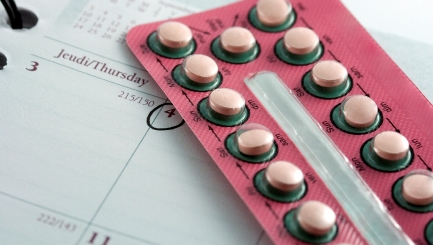
If you use a hormonal contraceptive, like the Pill or a vaginal ring, watch out for a dip in your sex drive. Bat Sheva Marcus, the clinical director of the Medical Centre for Female Sexuality, in New York City, explains, ‘These [contraceptives] contain synthetic oestrogen, which blocks testosterone.’ To feel better, Eva Cwynar, an endocrinologist in Beverly Hills recommends eating cruciferous vegetables, like broccoli and cauliflower, as studies have shown this can help keep your oestrogen and progesterone levels at the proper ratio. You can also try flaxseed oil, and Minkin recommends taking 1,200 milligrams of calcium a day, divided into three doses, for your severe PMS crankiness.


Your 40s: Even though your periods are still regular, your ovaries have begun to produce less oestrogen and progesterone, and your testosterone decreases. This is a period (pardon the pun) known as perimenopause (or pre-menopause), and can last up to five years. Minkin warns, ‘It isn’t a smooth process,’ and she’s right; perimenopause can cause hot flashes, a lag in your sex drive, and vaginal dryness. Kent Holtorf, an endocrinologist in Los Angeles, adds that you produce fewer thyroid hormones during this time, and ‘Thyroid hormones are the key determinants of your metabolism,’ so you might notice weight gain.


Erika Schwartz, an internist and a hormone specialist in New York City, comments, ‘You may start waking in the middle of the night or have difficulty falling asleep. Before turning to a sleep aid like Ambien, get your hormone levels checked. You may need hormone supplementation.’ To combat hot flashes, a study from Tarbiat Modarres University, in Iran, found that taking 400 ‘international units of vitamin E daily can help alleviate them.


Your 50s and Beyond: The average age for menopause is 51; it’s official when you haven’t had a period in over a year. This probably means you have erratic testosterone levels, frequent hot flashes and a zigzagging sex drive. Minkin says, ‘Oestrogen is involved with mechanisms that keep skin moist,’ so you might need a richer cream and conditioner to combat dry skin and brittle hair and nails. Holtorf notes, ‘Both oestrogen and thyroid hormones are needed for optimal brain function. When they drop in menopause, those low levels result in minor memory problems and cognitive dysfunction.’ Hormone replacement therapy (HRT) is considered the gold standard for relieving all those irksome symptoms, including memory loss. Minkin notes, ‘It drives me crazy when women say, “I’ll just deal with my symptoms, and eventually it will be over.” Symptoms of menopause should be a wake-up call to see your doctor.’

A sexual health problem known as HSDD can really take its toll on your wellbeing. HSDD – which stands for hypoactive sexual desire disorder – occurs when you have a persistent lack of desire or absence of sexual fantasies. In other words, you’re rarely in the mood, rarely initiate sex and rarely seek sexual stimulation. According to Drs. Jennifer and Laura Berman, two of the nation’s top experts on sexual health for women, this lack of desire could come out of relationship wellness issues. In their book, For Women Only: A Revolutionary Guide to Overcoming Sexual Dysfunction and Reclaiming Your Sex Life, they write, ‘Communications problems, anger, a lack of trust, a lack of connection and a lack of intimacy can all adversely affect a woman’s sexual response and interest.’ However, there are also medical causes of HSDD, which include:


1. Medication Use: If you’re on prescribed drugs, they could be affecting your sexual wellness in a number of ways. Antidepressants known as selective serotonin reuptake inhibitors, for example, work to combat your depression by increasing the production of serotonin in you brain, but this hormone is known to, unfortunately, dampen your sexual desire. Other prescription medications also affect the balance of your sexual hormones and the transmission of your body’s chemical messengers. Drugs such as antihypertensives and birth control pills, as well as antidepressants, have been known to interfere with sex drive, arousal and orgasm, and may be contributing to your HSDD.


2. Menopause: A lot of the symptoms of menopause are rough, but knowing what causes them can help you to fight back, particularly when it comes to your sexual desire. Whether the onset of your menopause occurs naturally or surgically, it will be due to a gradual decline of your oestrogen, progesterone and testosterone hormones. The Bermans point out that reduced testosterone levels are particularly well-known for leading to a ‘sudden or gradual’ decline in sex drive. You may think that hormone-replacement therapy (HRT) could help to readdress this balance, but you’d be wrong; the ironic fact of the matter is that the conventional hormone replacement regimen of oestrogen and progesterone which is given to relieve menopausal symptoms can make matters worse. This is because a protein called steroid hormone-binding globulin is increased with raised oestrogen levels. When there are higher levels of this protein in your blood, it binds to testosterone, which causes this libido-boosting hormone to become less available to your body.


3. Depression: It’s not hard to see how depression can make you less in the mood for sex, but this diminished sex drive can, in turn, exacerbate your depression, leaving you in a vicious cycle of sexless sadness. Research shows that 12% of all women will experience clinical depression at some point during their lives and, as lowered libido is a common symptom of depression, it’s an issue of mass importance. Plus, as we’ve already covered, using certain popular antidepressants – including Prozac, Paxil and Zoloft – has the much-unwanted side-effect of further inhibiting your libido, meaning that depression packs a triple-threat against your sex life. The Bermans also note that some low-grade forms of depression, such as dysthymia, can also get in the way of your libido. In some ways, this is worse as you can usually function normally with dysthymia, and so it may go undiagnosed and un-addressed. If you’re experiencing dysthymia, you may find that you often feel isolated and overwhelmed, and it is these feelings that cause women to withdraw from sex, as well as social activities. If this or any of the above mentioned causes of low libido may be a problem for you, consult your GP for solutions.

Hormone replacement therapy is one of the most controversial issues in the field of wellness and wellbeing. Many women are prescribed it to deal with the huge sexual and emotional changes that come as part of the menopause, but few can be sure that it is entirely safe.


Commonly referred to as HRT, women have been treated with replacement oestrogen and progesterone in this way for many years, as it provides a good relief for symptoms such as hot flashes and vaginal dryness, as well as reducing the patients chances of suffering from menopause-induced heart disease and other chronic illnesses.


Progesterone is found in both sexes, but predominantly in women. It is very important for health during pregnancy, and women who find themselves having difficulty carrying a pregnancy to term are often prescribed progesterone to help them get over a progesterone deficiency in early pregnancy. Progesterone helps to balance oestrogen in the female body.


As women get older, the progesterone levels naturally start to decrease (usually starting at around the age of 30). A cream form of progesterone is also sometimes used to help combat symptoms that come with falling levels of progesterone, and this is applied topically – such as to the head, for headaches. It is also sometimes used to help lessen the symptoms of PMS, such as cramping, bloating and irritability, and is used in pill form in certain cases to help combat problems sleeping that are associated with hormones.


The safety of progesterone replacement drugs has come to light because of studies that link cancer and heart disease to oestrogen and progesterone supplements, and so the tide of public opinion has steadily started to turn away from this type of treatment. A lot more research is needed, however, before we can be sure that hormone replacement therapy is actually unsafe, and so many women feel that the risks are minor and that the benefits of the treatment outweigh any potential issues.

As a woman, you hear a lot about hormones. From the time you’re told about puberty to until well-after menopause, you’re bombarded with sexual health information and more-than-a-few PMS jokes. Your manlier counterpart, on the other hand, is often squarely in the dark about his hormonal wellness, not knowing a thing about what his own chemical compounds are doing – or not doing – while coursing through his veins. In fact, hormones affect male and female wellbeing in much the same way – with, in some cases, oestrogen and testosterone compounds being set apart by a single atom. The truth is that men are just as affected by hormones as you are, and there are a lot of benefits in keeping male hormones in the proper balance.


1. Balance is vital: While testosterone plays an important role in your man’s health, it’s only one of several hormones in the mix. Men’s hormone levels change from hour to hour, fuelling a complex endocrine system that sends signals to organs throughout the body. When these hormones become unbalanced or start to decline (which happens roughly by the time your man reaches 40), his body begins to store excess fat and prompts him to eat when he isn’t really hungry. Aside from weight gain – which I’m sure neither of you want – this hormonal imbalance could lead to a slippery slope towards metabolic syndromes, such as diabetes. You man will also be less able to fight stress, and consequently be more tired, anxious, irritable and less interested in sex.


2. You can’t always blame testosterone: You often use testosterone as a marker for aggression or strength, but the truth is that testosterone doesn’t really work in this way. If your man has a lot of road rage, you can’t start blaming his hormones. However, if a screaming match does progress into fisticuffs, his testosterone will affect the size and strength of his muscle and bone, which could be handy. Another thing in which testosterone is a prime player is in sexual appetite and sperm production, as well as enabling your man to grow a beard or moustache. Interestingly, testosterone can even impact the way your man feels about technology. This is according to researchers at the University of Bath, who have found that pre-natal testosterone exposure affects the way a man’s brain develops and, later in life, this allows grey matter an easier grasp of new technology. However, too much testosterone can cause acne, male-pattern baldness, high cholesterol levels and liver disease.


3. It’s not just for men: Yes, we’re talking about men’s hormones here, but women also have a natural production of testosterone. This hormone plays a key role in the functioning of your ovaries, as well as boosting your bone strength, elevating your mood and even stimulating your sexual appetite. However, too much testosterone in your system can cause you to experience acne, irregular periods, hair in unusual places, weight gain and acanthosis nigricans, a condition in which patches of dark skin appear on the back of your neck and/or in other areas.


4. His thyroid hormone declines with age: While a whole host of hormones can impact on your man’s emotional and physical wellbeing, his thyroid hormone becomes less reliable after the age of 60, which has been linked to sexual dysfunction. Low thyroid can lead to erectile dysfunction (which is the inability to maintain penile erection), as well as declining sexual desire, weight gain, hair loss, memory loss, constipation and rough, dry skin. Fortunately, there’s good news; synthetic hormone replacement can usually help these symptoms – including erectile dysfunction caused by hypothyroidism – to reverse themselves.

When you are obese, you will know that it is very important for your health to lose weight and improve your fitness. You will most likely be able to reel of a list of reasons why being overweight is damaging for your wellness and wellbeing, but what you may not know is that being obese can have a devastating effect on your body’s ability to sleep. Lack of sleep and obesity are actually linked, and researchers have been finding more and more evidence that proves this in recent months.


Most people today lead very stressful lives, where they are always on the go. People work long hours, do numerous chores in their spare time, try to spend time with their families and do household duties and also try to incorporate their friends into their lives. In this kind of lifestyle, sleep is very important but research has shown that the average person only gets around six and a half hours of sleep every night.


A study that took place at the University of Chicago looked at 12 men who were in their early 20s, and the study spanned several nights. For the first two nights they were only allowed to sleep for four hours per night and after that, for the next two nights, they were allowed to sleep for 10 hours a time.


What the researchers discovered was quite remarkable. The tests showed that a lack of sleep disrupts two hormones in the human body which regulate your appetite. Leptin is the first hormone, and it is the one that tells the brain when it is time to eat. Ghrelin is the other one and this hormone triggers the hunger reflex in the body. The study showed quite clearly that when the subjects of the study had a reduced amount of sleep, the hormones in their body were reduced significantly, meaning that they ate too often.


Not a commonly publicised condition, growth hormone deficiencies can be either a total or partial condition and result in impaired physical development. Growth hormones are created y the pituitary gland (hypophysis) which is a small gland found on the underside of the brain. The amount of hormone produced is controlled by other hormones which are released by a different part of the brain. When this hormone is secreted into the bloodstream, it stimulates the liver to secrete yet another hormone, which develops an insulin-like growth factor – primarily IGF-1. As we age, we naturally produce less growth hormones compared to young adults. There are various reasons for this problem, including an insufficient release of the stimulatory hormone from the hypothalamus, an insufficient production of the growth hormone by the pituitary gland, a decrease in the IGF-1 hormones, as well as problems caused by defects in the receptors which absorb the hormone in the body’s cells. Some people may have a deficiency due to a genetic birth defect, or because it is hereditary, or they may have had a lack of oxygen at birth. Some studies suggest that diseases in the pituitary gland can lead to a defect, as well as abnormalities in the hormone receptors. For most people, though, there is no clear reason – it simply occurs.


If a patient has a total hormone deficiency, it will often be discovered in a child’s infancy. This is because an infant’s height and weight are normal at the time of birth, but between three and nine months the growth rate will be reduced in children with a growth hormone deficiency – this is known as growth disturbance. There will be signs later in life too, including weight diminishing, delayed teeth development, and they may also develop a thick layer of fat under the skin. However, this symptom won’t always be visible if there is just a partial growth hormone deficiency. Although everyone can measure and weigh their children, there will be regular growth examinations carried out by your health visitor and GP, who will follow specific guidelines to check that your child is developing at a normal rate. If you’re worried about your children’s growth rate though, you should seek the advice of your GP. Your GP will measure and weigh your child, then draw growth curves – they will take the parents’ height and weight as adults, at puberty and as infants into account. They will also ask questions about the child’s diet, their appetite, patterns of defecation, exercise habits, and any social problems so as to rule out other health problems. They will be examined for signs of disease, as well as puberty and tooth development if need be. They may also suggest an x-ray of the left hand and wrist, to examine the bone development. If there is a growth hormone deficiency, the ‘bone age’ may be lower than the child’s genuine age.


If this problem is not treated, it can lead to severe growth impairment, particularly their height. However, if the problem is treated in the early phase then it is likely that the child will gain several extra centimetres which will bring them into a normal range for their age. Treatment tends to rely on synthetic growth hormones being injected each day until the child stops growing, and this is done at specialised paediatric units. Parents will be trained to administer the injections so that the correct amount is provided. Though side effects are rare, the child will be monitored closely so that no risks are taken with their health.

Testosterone has many benefits for men, one of which is being touted as the fountain of youth for its anti-ageing properties. Men say that it helps them to build muscle and lose weight, as well as providing energy, but can it really work? In America, testosterone therapy prescriptions are increasing significantly compared to just ten years ago. The study reported that 50 percent of men who opted for this therapy had lower than normal levels of the hormone. However, 25 percent didn’t even have their testosterone levels tested before starting the treatment. Australia has seen similar results, with men looking to long-lasting injections and gels as a way of getting their hormone fix. In fact, studies show that the latest pharmaceutical figures indicate that the number of men using testosterone injections has more than doubled. Doctors advise that this is wasteful and misguided, providing no rational evidence to support the prescriptions. They further state that it can increase the risk of cardiovascular disease and can accelerate prostate disease.


While the reports indicate that this is a frivolous anti-ageing scheme, there are legitimate reasons for men to use testosterone. Men suffering with androgen deficiencies or a condition known as Kinefelter syndrome will use it as a form of treatment, However, there has been no increase in the number of men with those conditions, meaning that more and more people are using it simply for the energy boost and weight loss benefits. It is being promoted as an andro-pause for ‘male menopause’ or for male sexual dysfunction. The growing overuse of this hormone could be for use as an anti-ageing tonic or as a way to boost a man’s performance in the bedroom. There are clinical trials being carried out as to the uses of testosterone as a possible treatment for obesity and diabetes – however, the results of these are yet to be published.

Depression is a serious mental/emotional health condition, which leaves the sufferers unable to lead a normal lifestyle and maintain good levels of wellness. It occurs when the human brain is unable to produce enough of a hormone called serotonin, which is the hormone responsible for keeping your mood elevated and maintaining your sense of wellbeing. When this hormone is lacking, the sufferer can be plunged into depression, leading to symptoms such as appetite changes, fatigue, inability to relax, insomnia and suicidal tendencies. This condition can be hereditary or it can result from a time of trauma or tragedy.


The holistic approach to curing depression involves various forms such as oils, herb supplements, teas and tinctures. As with all alternative forms of medicine, however, you should consult your doctor for standard medical advice too, and make sure that whatever you are taking complements your medication.


One example of a complementary depression medication is 5-HTP or hydroxytryptophan, which is extracted from a plant called griffonia simplicifolia. This helps to produce extra serotonin in the brain, and improves mood, appetite and sleep. This is a very common herbal way of treating depression and is thought to be very effective. A dose of around 50mg is normally taken up to three times per day, but it cannot be taken with other antidepressant medications or medication for migraines, blood pressure or Parkinson’s.


St John’s Wort is also used in the treatment of depression, and the extracts are used in antidepressant drugs. There are ten active ingredients in the herb, which work on the neurotransmitters in the brain to stimulate them to produce the ‘feel good’ hormones. It is most effective for treating mild to moderate depression, and the usual dose is 300mg three times per day. There are some side effects associated with this one, however, such as weight gain and a reduction in sex drive.

One of the most difficult aspects of being a diabetic is the fact that sufferers often have to inject themselves with insulin on a daily basis in order to maintain their wellness and keep their sugar levels stable. Now, a new hormone has been discovered that could help to beat diabetes and restore wellness without sufferers having to resort to these daily injections.


Type 2 diabetes is a serious condition that affects sufferers on an ongoing basis. It occurs when people’s bodies are unable to produce enough insulin to keep their blood sugar stable and it can lead to all kinds of harmful side effects, including death.


Carried out at Harvard University, a new study has identified a hormone called betatrophin, which helps to promote the growth of the types of cells that secret insulin into the human blood stream. When trialled on mice, the scientists discovered that mice who were injected with the hormone produced  these insulin-secreting cells 30 times as fast as they normally did. As a result of this, scientists now believe that this same treatment could be used on humans, to trigger their bodies to make more of the cells the produce insulin and thus increase the levels of insulin in their body.


Type 2 diabetes affects almost 2.5 million people in Britain, meaning that this discovery has the potential to drastically improve millions of lives. If this treatment came to the market, diabetics would be able to forget about daily doses of insulin and instead just take this new betatrophin hormone on perhaps a weekly or maybe even monthly basis, and this alone would be enough to keep the insulin in their blood at an acceptable level.


Could a New Hormone End Your Daily Diabetes Injections?


The University of Copenhagen has drawn a little closer towards understanding what causes diabetes and hormone deficiencies. The group of researchers from the university have been working on the discovery, which centres around the way that the body regulates certain hormones, and the results of the study have been published in PLOS Biology, a scientific journal.


People who are suffering from diabetes or are showing poor growth may well have problems with something called the Pick1 protein, which is a protein in the human body that plays an important role in the production of insulin and also the human growth hormones.


The researchers studied this protein, and looked at what role was played by Pick1 when the brain releases growth hormone and the pancreases releases insulin. During the testing phase of the research, the researchers found that a deficiency of Pick1 directly translates into a deficiency in growth hormone and insulin in mice and in fruit flies, which were tested as part of the research. In mice in particular it was very evident that the mice who were short of Pick1 soon became small, fat and with an intolerance to sugar. There is no reason to suggest that this is not the case in humans, too.


Different cells are responsible for the production of certain kinds of hormones, which they store after production and then secrete into the blood, to trigger the process for which each hormone is responsible. This is not a well-understood mechanism, but it is thought that this process plays a part in both diabetes and poor growth. Now that we know about the effect of the Pick1 protein, further research can be done on how to prevent deficiencies.


Could There be a Hidden Explanation Behind Diabetes?

Ever since the 1960s when the contraceptive pill was released, we have been able to choose from a larger selection of methods to prevent pregnancy and safeguard our wellness from sexually transmitted infections (STIs). Where to start In the UK most people can get contraception for free, giving greater control over when to start families and wellbeing. In fact, there are about 15 different contraceptive methods available from our GPs and local sexual health clinics. With male and female sterilisation providing a permanent form of family planning. This means that you’re sure to find contraception that suits your health, lifestyle and relationship. Hormone methods Pregnancy occurs when sperm fertilises an egg, and contraceptive methods prevent this happening in different ways. There are those that feature hormones, such as the combined pill, progestogen-only pill, as well as patches, implants and injections. These alter the levels of hormones in your body to prevent eggs being released. You may prefer these if you like the idea of taking a pill once a day for your family planning needs. With the other hormonal contraception you have to think about it even less – as you get ‘top-ups’ over months or even years. Combined techniques Some of us fall into risk categories in terms of methods that rely just on hormones, so we may be offered contraception that has been developed to release lower levels of hormones in one specific area. These include intrauterine devices, which sit in the womb and as well as releasing just progestogen, they thicken mucus so sperm have difficulty reaching the egg. Vaginal rings also release hormones locally and are inserted into the vagina and changed by users every 21 days. Just barriers Barrier methods work for people who can’t or don’t want to take any form of hormones to prevent pregnancy. These include the diaphragm, which lies near the cervix stopping sperm from entering the womb. Condoms also work in a similar way, and there are types for both men and women. Health experts say that although all these techniques can help prevent pregnancy, only condoms can reduce the spread of STIs, so using them with other techniques is an effective way of protecting sexual health. Ways to Prevent Pregnancy and Protect Sexual Health

Ever since the 1960s when the contraceptive pill was released, we have been able to choose from a larger selection of methods to prevent pregnancy and safeguard our wellness from sexually transmitted infections (STIs).

Where to start

In the UK most people can get contraception for free, giving greater control over when to start families and wellbeing. In fact, there are about 15 different contraceptive methods available from our GPs and local sexual health clinics. With male and female sterilisation providing a permanent form of family planning. This means that you’re sure to find contraception that suits your health, lifestyle and relationship.

Hormone methods

Pregnancy occurs when sperm fertilises an egg, and contraceptive methods prevent this happening in different ways. There are those that feature hormones, such as the combined pill, progestogen-only pill, as well as patches, implants and injections. These alter the levels of hormones in your body to prevent eggs being released. You may prefer these if you like the idea of taking a pill once a day for your family planning needs. With the other hormonal contraception you have to think about it even less – as you get ‘top-ups’ over months or even years.

Combined techniques

Some of us fall into risk categories in terms of methods that rely just on hormones, so we may be offered contraception that has been developed to release lower levels of hormones in one specific area. These include intrauterine devices, which sit in the womb and as well as releasing just progestogen, they thicken mucus so sperm have difficulty reaching the egg. Vaginal rings also release hormones locally and are inserted into the vagina and changed by users every 21 days.

Just barriers

Barrier methods work for people who can’t or don’t want to take any form of hormones to prevent pregnancy. These include the diaphragm, which lies near the cervix stopping sperm from entering the womb. Condoms also work in a similar way, and there are types for both men and women. Health experts say that although all these techniques can help prevent pregnancy, only condoms can reduce the spread of STIs, so using them with other techniques is an effective way of protecting sexual health.


Ways to Prevent Pregnancy and Protect Sexual Health