Showing posts with label thyroid. Show all posts


Unexplained weight gain is a common symptom that sends a person to the doctor to get their thyroid checked. When levels of thyroid hormone get too low, the body’s processes start to slow down, which can result in weight gain. But there are other, less well-known signs that the thyroid is not doing what it is supposed to do.


Thyroid disease occurs when the butterfly-shaped gland located in the lower front of the neck isn’t working properly. A healthy thyroid gland secretes thyroid hormones that are sent to every tissue in the body. These hormones help you to use energy, stay warm, and keep all of the body’s organs working the way that they should. When the thyroid is not working properly, there is a wide range of symptom that can occur. The symptoms differ based on whether the thyroid is secreting too much thyroid hormone or not enough.


Sensitivity to Cold


Are you always the person in the office who is complaining that it’s too cold? Sensitivity to cold can be a sign of an underactive thyroid, especially if it’s something that you are noticing more lately.


Aches and pains


Have you been experiencing muscle aches, pains or cramping? This is another sign of a possible thyroid problem. Joint pain, especially in the shoulders and hips, is a possible sign of thyroid disease.


Memory Loss


Do you feel like you are experiencing brain fog? If you are finding your job more difficult to perform than it used to be, or feel like you are more forgetful, this can be due to an underactive thyroid. According to the American Thyroid Association, many older people ignore these signs thinking they are just a normal part of aging, when actually they are symptoms of a treatable thyroid problem.


Anxiety


Have you tried to treat anxiety without success? According to the Chicago Weight Loss Clinic, anxiety that doesn’t respond to medication can be a sign of an overactive thyroid.


If you suspect that you have signs of thyroid disease, the only way to know for certain is to take a blood test that measures your thyroid hormone levels. Some of the signs of hyperthyroidism overlap with the signs of hypothyroidism, and some symptoms of thyroid disease are also present in other illnesses. Talk to a doctor to find out whether or not thyroid disease is the cause of your symptoms.

 

vsgd

vsgd


If you are dealing with a thyroid disorder, whether it is hyperthyroidism or hypothyroidism, it can pose unique challenges in your daily life. A thyroid disorder can have a major impact on your well-being, affecting your energy levels, metabolism, your heart rate, your digestive system, and emotional state. When you are faced with the problems brought on by your thyroid, it can be overwhelming. However, you can cope with your disorder when you are proactive.


A Proper Diagnosis is Key

According to the Chicago Weight Loss Center, you need a proper diagnosis in order to take charge of your thyroid disorder. Set up a consultation with your primary physician and describe the symptoms that you have been experiencing. Request testing to get to the bottom of your symptoms. Once you know exactly what you are dealing with, you will be able to treat your thyroid disorder effectively.


Consider Your Options for Treatment

Thyroid disorders can have serious implications concerning your health and should not be treated with solely home remedies. Medication and surgery are the typical solutions to problems with the thyroid. If not managed properly, it can be life-threatening in some cases. When hyperthyroidism is the problem, or an overactive thyroid, the most common treatments involve medications, surgery, and radioactive iodide treatment. These treatments are designed to slow down hormone production in the thyroid. If you are struggling with hypothyroidism, or an underactive thyroid, the only solution is hormone replacement therapy. A doctor will prescribe a synthetic thyroid hormone medication in order to supply your body with the essential hormones that are no longer being produced by your thyroid.


Alternative Options

While alternative medicine cannot replace medical treatment for your thyroid disorder, you may find that a variety of supplements can be helpful in balancing your hormone levels and cleansing your system. You may find relief from some of your symptoms through acupuncture, adjustments at the chiropractor’s office, and through deep massage. Adjusting your diet and including foods that are rich in calcium, the B vitamins, iodine, vitamin C, and vitamin A can be beneficial as well. You should reduce or eliminate your intake of caffeine and cold medications that contain pseudoephedrine. Both can aggravate your symptoms.


Regardless of what path you take to manage your thyroid disorder, you need to be diligent. Pay attention to your body. Eat a balanced diet, get regular, physical activity, and adequate rest. If you choose alternative treatments to address your thyroid condition, it is vital that you see a physician regularly to make sure your thyroid levels are under control. Stay on top of your condition, and you can feel healthy again.


Hypothyroidism is the medical term for an underactive thyroid and describes a condition in which there is a lower level of the thyroid hormone in the body. This hormone is known as thyroxine and causes various symptoms, such as tiredness, constipation, weight gain, dry skin, lifeless hair and feeling cold. The treatment for this condition is usually quite easy, with a tablet provided for each day to replace the missing hormone. In most people, this is usually enough to treat the problem and the symptoms disappear.


The thyroid gland is found in the neck and produces the hormone which travels in the bloodstream around the body. It’s needed to help keep the body’s functions and metabolism working at the right pace, and many cells require thyroxine to keep working effectively. Hypothyroidism results from the thyroid gland being unable to produce enough thyroxine, so the functions in the body slow down. It may also be caused if there isn’t enough of the gland left to make thyroxine, such as after an injury or following a surgery. The less common symptoms include infertility, loss of sex drive, carpal tunnel syndrome and irregular menstrual periods in women. However, it’s important to remember that all of the symptoms can be caused by other conditions, so you should seek medical advice in order to confirm that you do have this condition.


If left untreated, hypothyroidism can increase your risk of developing heart disease, due to the fact that a low thyroxine level causes the blood lipids to rise, increasing your cholesterol. If you’re pregnant it can also increase the risk of complications, such as anaemia, premature labour, low birth weight, pre-eclampsia, serious bleeding after the birth, and even stillbirth. In severe cases, it can also lead to a hypothyroid coma, but this is a rare complication. This condition affects around 1 in 50 women and around 1 in 1000 men. It generally affects adults and becomes more common as you age. It can occur at any age though, and can affect anyone. The most common cause of hypothyroidism is an autoimmune disease known as autoimmune thyroiditis. This causes antibodies to attack the bacteria and other germs in the body, but if you have an autoimmune disease this can make antibodies against certain tissues in the body. Naturally, with autoimmune thyroiditis, this can cause antibodies to attach to the thyroid gland and affect its functioning. Surgery can also be a common cause, as this lowers the functionality of the gland itself. Other causes include side effects to medicines, a problem with your pituitary gland, and iodine deficiency.


The condition is diagnosed by a blood test, and is treated by taking a levothyroxine tablet each day. This works to replace the hormone loss in the body and generally works quite quickly to alleviate symptoms. Ideally, you should take this on an empty stomach as there are some nutrients which can interfere with the efficiency of the medication, such as calcium and iron.


The main facts you should be aware of is that this condition is fairly common and the symptoms develop over time. The treatment you’ll require if you have this problem is usually for life, and you’ll need to have a blood test once a year to ensure that your medication dosage is accurate. If you’re concerned about any of the symptoms you have and are worried that you may have hypothyroidism, you should seek advice from your GP. They will be able to carry out a blood test to determine if you do have the condition.

As a woman, you hear a lot about hormones. From the time you’re told about puberty to until well-after menopause, you’re bombarded with sexual health information and more-than-a-few PMS jokes. Your manlier counterpart, on the other hand, is often squarely in the dark about his hormonal wellness, not knowing a thing about what his own chemical compounds are doing – or not doing – while coursing through his veins. In fact, hormones affect male and female wellbeing in much the same way – with, in some cases, oestrogen and testosterone compounds being set apart by a single atom. The truth is that men are just as affected by hormones as you are, and there are a lot of benefits in keeping male hormones in the proper balance.


1. Balance is vital: While testosterone plays an important role in your man’s health, it’s only one of several hormones in the mix. Men’s hormone levels change from hour to hour, fuelling a complex endocrine system that sends signals to organs throughout the body. When these hormones become unbalanced or start to decline (which happens roughly by the time your man reaches 40), his body begins to store excess fat and prompts him to eat when he isn’t really hungry. Aside from weight gain – which I’m sure neither of you want – this hormonal imbalance could lead to a slippery slope towards metabolic syndromes, such as diabetes. You man will also be less able to fight stress, and consequently be more tired, anxious, irritable and less interested in sex.


2. You can’t always blame testosterone: You often use testosterone as a marker for aggression or strength, but the truth is that testosterone doesn’t really work in this way. If your man has a lot of road rage, you can’t start blaming his hormones. However, if a screaming match does progress into fisticuffs, his testosterone will affect the size and strength of his muscle and bone, which could be handy. Another thing in which testosterone is a prime player is in sexual appetite and sperm production, as well as enabling your man to grow a beard or moustache. Interestingly, testosterone can even impact the way your man feels about technology. This is according to researchers at the University of Bath, who have found that pre-natal testosterone exposure affects the way a man’s brain develops and, later in life, this allows grey matter an easier grasp of new technology. However, too much testosterone can cause acne, male-pattern baldness, high cholesterol levels and liver disease.


3. It’s not just for men: Yes, we’re talking about men’s hormones here, but women also have a natural production of testosterone. This hormone plays a key role in the functioning of your ovaries, as well as boosting your bone strength, elevating your mood and even stimulating your sexual appetite. However, too much testosterone in your system can cause you to experience acne, irregular periods, hair in unusual places, weight gain and acanthosis nigricans, a condition in which patches of dark skin appear on the back of your neck and/or in other areas.


4. His thyroid hormone declines with age: While a whole host of hormones can impact on your man’s emotional and physical wellbeing, his thyroid hormone becomes less reliable after the age of 60, which has been linked to sexual dysfunction. Low thyroid can lead to erectile dysfunction (which is the inability to maintain penile erection), as well as declining sexual desire, weight gain, hair loss, memory loss, constipation and rough, dry skin. Fortunately, there’s good news; synthetic hormone replacement can usually help these symptoms – including erectile dysfunction caused by hypothyroidism – to reverse themselves.

iodineIodine is a vital supplement for the human body, as it is responsible for helping the thyroid produce important hormones. These hormones are, in part, responsible for the body’s metabolic rate and, as such, are vitally important for wellness, as they have an effect on all of the body’s processes.


To take care of your wellbeing, you should ensure that your diet includes a small amount of iodine every day. This can be found in soil, rocks and in seawater – and, with regards to the final item on that list, this means that sea food tends to be a good source of iodine. Make sure that the fish you are eating, however, is sea fish, rather than freshwater fish, as the latter does not contain a source of iodine.


Iodine also occurs to varying degrees in other food sources, such as grains and cereals, but the levels can be widely different depending on the iodine levels of the soil where the crop has been grown. In the United Kingdom, cows’ milk is also a source of iodine, although, again, the levels depend very much upon what the cow has been fed.


Adults should have a daily iodine intake of around 0.14mg, and generally most adults with a healthy, balanced diet have no trouble taking in this amount every day without making any changes to their lifestyle.


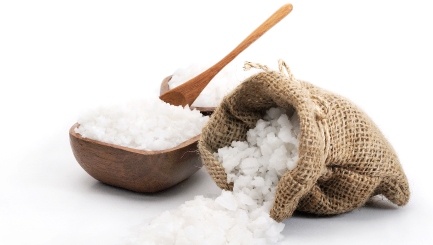
Some people, however, such as some pregnant women and those with certain types of thyroid disorder, may benefit from taking an iodine supplement too, or increasing the iodine in their diet through food types, or through using iodised salt.


This should always be done with caution, however, as high levels of iodine can cause unwanted side-effects, such as excessive weight gain.