Showing posts with label Pill. Show all posts

Breaking news of an exciting scientific breakthrough could be about to rock the world of cancer treatment. Cancer Research UK has indicated that findings from Austrian researchers could show that the scientific community is heading in the right direction to make just such a discovery. Described as ‘tantalising’, the breakthrough could see the development of a pill that helps the body’s own immune system to kill off the cancer cells in a tumour.


The researchers say that they are holding on to the hope of this ‘holy grail’ of all cancer treatments. They have now identified a Cbi-b molecule, which effectively stops tumour metastasis, meaning the spreading of cancer from any organ to the adjacent part. Tumour metastasis is the main reason that people die from cancer, as the disease spreads throughout the body and damages internal organs, causing them to fail.


Using this information, the scientists are hoping to develop a pill that wakes up the immune system’s TAM-receptors and makes them kill the cancer cells. Professor Josef Penninger of the Vienna Austrian Academy of Sciences said that the results that have been discovered hold the promise that it may in fact be possible to develop TAM inhibitors or Cbi-b to empower the body’s own immune system to kill the metastases of cancer.


More research is needed to be done, however, to advance the findings in this field, and also to test for any possible side effects.


The immune system is a powerful tool in the process because its main job is to identify and fight harmful invasions to the body. It does, in fact, have the ability to kill of tumours but is currently held back by so-called molecular ‘brakes’. The study has effectively found a way to take the foot off one of those brakes, potentially allowing the immune system to swoop in and do its job.

No matter how old you are or what level of activity you do, the chances are that your wellness and wellbeing will be affected by some form of pain during your lifetime. Traditional Chinese Medicine is a complementary therapy that is designed to help ease your discomfort, whether you’re suffering from knee pain, sciatica or menstrual pain.


There are several Chinese pain relief medications, with varying functions, indications and dosages. These remedies have already stood the test of time and are based on traditional formulas that date back for thousands of years.


Traumatic injuries can include things like bruising and swelling. These occur when an area of the body experiences trauma of some sort, whether that be a direct contact with an object, a fall, a sprain or something of this ilk.


The Chinese herb Chin Too Tieh Shang Wan (also known as chin koo dyeh shahng wahn) is known in English as the Muscles and Bones Injury Pill (which, let’s face it, is a little easier for Westerners to say!). It is used in cases where traumatic injuries have occurred, such as sprains, swelling and bruising. The pill helps to get the blood moving and also reduces swelling and internal bleeding, plus of course relieves the pain that is usually resultant from such an injury.


Chin Koo Tieh Shang Wan is the main pill that is used in these types of circumstance. The chief herb that makes up the formula for this pill is Panax pseudoginseng (san qi) which is also an active ingredient in the pill Yunnan Pai Yao. Chin Koo also contains the ingredient myrrh and frankincense, two better-known herbs that are used to increase circulation and reduce pain levels.


These herbs have been used as an incense, too, for many thousands of years. They are also available as essential oils, and these work to stimulate the circulation of blood.

In the field of sexual health research, there has been a bit of bad news recently. Women who have been on the oral contraceptive pill for more than five years are facing a serious threat to their wellness and wellbeing through an increased risk of heart disease. The American College of Obstetricians and Gynaecologists have released a bulletin, warning the public about the risks that oral contraceptives could pose.


This report indicates that women who are on a high dose of oral contraceptives have a much greater risk of developing a blood clot in the vein (thromboembolism), the death of a heart muscle (myocardial infarction) or a stroke.


These complications are occurring less and less frequently, however, as a lower dose of hormonal contraceptives becomes more standard. The risk is also being lowered due to better screening of women who are deemed to be high risk. The rates of pill use in women over 35 has also dropped significantly recently, leading to fewer serious side effects.


It is rare to suffer from a pill-related heart attack. They occur in only around one in 14,000 people who take the pill and are aged between 30 and 39. Strike is more common, however, occurring around five times more frequently in women of this age group who are taking oral contraceptive pills.


Even strokes are a rare event, though, affecting around one in 2,700 women who take the pill. The pill can cause a blood clot to occur more often and thus cause heart attacks and strokes, but this is still a very uncommon side effect. Hormonal changes that occur during pregnancy cause far more blood clots than the hormonal contraceptive pill.


Most heart attacks and strokes amongst those who take the contraceptive pill occur in women who also smoke, so to reduce your risk dramatically then cut down on smoking, and quit, as soon as possible.

The birth control pill celebrated its 50th birthday in 2010, a contraceptive that completely changed and revolutionised the world of female orientated contraception. By 1978, birth control was freely prescribed to both married and single women, and since then women have gained waves of independence in being able to have sex free of the worry of unwanted pregnancy.  Today, the pill is the most popular form of birth control for women under 30 and with good reason. The birth control family certainly has seen many additions over the years, from IUDs to patches and implants, but the majority of these are female-focused. But that looks set to change in the coming years. The male birth control pill has still not graced the contraceptive market, but it seems that pharmaceutical companies are looking into a form of long-term, reversible contraception that’s designed for men. So far, they’ve all fallen short. Men aren’t at a loss when it comes to contraception, with five non-medical options to choose from. These include abstinence, condoms, outercourse, vasectomy and the withdrawal method. But some men complain that none of these options allow them to fully enjoy sex, with condoms affecting the sensation in the penis and vasectomies requiring additional surgery if they want to reverse the procedure.


It wouldn’t eliminate the risk of sexually transmitted diseases, much as the female birth control pill doesn’t, but the male birth control pill could be an attractive contraception alternative for a number of reasons. To begin with, it would enable men and women to share the responsibility of contraception a little more fairly. It would also help alleviate the fear of the long term impact on fertility for women. As female birth control also affects the female libido, a male birth control option could be a more stimulating form of contraception for both partners. But how does this medication work in stopping 120 million sperm from being released during the ejaculation process? The female pill works with hormones to stop the ovaries from producing an egg each month, stopping the risk of fertilisation. But pharmaceutical companies have largely given up on this process for men, as testosterone differs from oestrogen or progesterone. The resulting birth control method would require men to combine testosterone implants with the pill, and most men wouldn’t go to such lengths for contraception.


One of the first non-hormonal methods to have a breakthrough is the way of disabling sperm instead of shutting down the production. When sperm are formed in the testes they are immobile, but when they pass through the epididymis they are then able to swim. Researchers believe that blocking the Cs protein, which ‘turns on’ the tails, could immobilise the sperm entirely. There is still much work to be done in forming a pill that men can use. There are risks attached, such as whether men will take the pill and whether women will trust men to take it, but at this stage in the decade-long pursuit for a reversible form of contraception, more research is vital. Recent research suggests that interest in the pill even hitting the market has dwindled considerably. Although people see contraception as a joint responsibility, it seems that not as many men are excited by the concept of the male birth control pill. Only time will tell whether researchers are able to formulate a contraceptive that appeals to both men and women.

If you have had a risky sexual encounter and think that you may be in danger of getting pregnant, you need to act quickly. The realisation that you may be at risk for having an unexpected pregnancy can be quite scary, and can be difficult for your emotional wellness and wellbeing. Fortunately, you can make the experience far simpler with the help of emergency contraceptives, otherwise known as the morning after pill.


Using emergency contraception dramatically reduces your chances of getting pregnant, particularly if you take it soon after the unprotected sex. Older versions of emergency contraception used to contain oestrogen and progestin, whereas the newer ones only contain progestin, and have far fewer side effects than the old style.


The most common side effect to the morning after pill is gastrointestinal problems, such as nausea and vomiting. Around 43 percent of people who took the old style morning after pill reported that they experienced nausea, whereas only 18 percent of people who took the new style progestin only pill suffered from this side effect. Vomiting is also far less common in people who took the new pill – occurring in only 4 percent of those who took the new style as opposed to 16 percent of those who took the old one.


If a woman experiences vomiting within an hour of taking the emergency contraception, it is normally advised that she takes some anti sickness drugs and takes the emergency contraception again, otherwise there is a chance that the medication has been removed from the body too quickly before it has had time to work, and pregnancy could occur.


If side effects do occur, you should take a small amount of highly digestible foods, and avoid dehydration in order to reduce the risks of vomiting. If you feel nausea, there is not much that you can do to reduce the symptom but it will thankfully disappear quite quickly.

The morning after pill is designed to prevent pregnancy when you have a sexual mishap. This may be that you have foolishly had unprotected sex, or that you have had an accident with your birth control, but they can work up to 120 hours after the event. They work as a one off method, and although there have been concerns about the effect that they could have on your wellness and wellbeing, there is really nothing to suggest that they have any adverse effects.


Emergency contraception can cause irregular periods for a couple of months after you take it, making blood flow heavier or lighter, but within 30 – 60 days, your body should be back to normal again.


Emergency contraceptives are similar to the monthly birth control pill in a lot of ways, as they contain many of the same ingredients. Women have been taking these types of medications for years, and studies have revealed them to be safe. Although there are some side effects (which we’ll talk more about later), they do not have any long term effect.


You don’t have to take an emergency contraceptive straight away, but the sooner you take it, the more effective it is likely to be. These pills usually work by preventing the body from releasing an egg, so that fertilisation cannot occur even if there are sperm still hanging around inside the body. If you take emergency contraception at the time that you are ovulating, however, it will be ineffective, as it is too late to prevent ovulation and conception occurring.


Many women use emergency contraceptives without experiencing any side effects at all, but for some, there are unpleasant symptoms. These can include things like severe PMS, nausea and vomiting, headaches, abdominal pain, cramps and dizziness. If you experience a side effect after taking the emergency pill, you should find that it disappears within one or two days.

Men – do you feel that your sexual skills have taken a bit of a downturn? Are you concerned about your sexual wellness and wellbeing, but don’t want to turn to prescription medications such as Viagra. The good news is – there’s a lot that you don’t understand about sex.


Trust us – this really is good news! All of the hype about male enhancement and pleasing a woman is a myth; what nature has given you is the best possible tool at your disposal to becoming a great lover.


Erectile Dysfunction is a medical condition rather than a mental condition, and that is why Viagra exists – because some men do need this medical intervention. However, the idea that there is some pill that you could take to help ‘boost’ your sexual prowess can be very appealing to men who struggle with their confidence in the bedroom. The idea that there is a magic pill that you could take to make you great in bed is certainly intriguing, but it is a myth.


Unfortunately, the prevalence of Viagra has also led to a massive increase in so-called ‘male enhancement products’ from the natural sector, cashing in on this same idea that men would like a magic pill or potion to help them improve in bed. Unfortunately, most of these products are totally ineffective.


There are other, far better ways to improve your sexual prowess if you really want to, including reducing smoking and increasing your exercise. Smoking reduces blood flow to the genitals, so it can be a big cause of sexual dysfunction and exercise can help to boost blood flow all over the body.


No scientific research supports the use of any natural or herbal product that promises to boost sexual prowess, and the use of these is never recommended by medical professionals.

There are so many myths when it comes to sexual health that it can be difficult to know what to do for the best, to protect your wellness and wellbeing. The pill is one area where there are a lot of misconceptions (if you’ll pardon the pun!)


For example, some people believe that brand-name and generic pills are totally interchangeable. Whilst it is true that the quality of the drug between a brand name and generic pill will be equal, the dose variant is much larger in generic pills, with around 10 percent variation as opposed to 3 percent in brand name pills. For that reason, if you are sensitive to the hormones in the pill, you should always stick to a brand name variety.


Another recent scare has been that the pill may cause breast cancer. At the time of writing, there is no evidence to support this whatsoever. Women who have had breast cancer are advised not to take the pill, but there is nothing to say that it actually increases your risk. What’s more, studies have shown that women who took the pill for five years or more had a significant reduction in ovarian cancer and a smaller, but still significant, reduction in uterine cancer, so it may actually be beneficial.


One thing about the pill that is true, however, is that it can interact with other medications. Antibiotics such as rifampin, doxycycline and amoxicillin can all make the pill less effective so you should employ additional methods of contraception whilst on these drugs.


You also don’t really have to take your pill at the same time every day – that is a myth. It’s a good idea to take it at a set time purely because you will be more likely to remember. You can tie it in with an activity such as brushing your teeth, to help it become part of your routine. As long as you take it within a 12 hour window each day, however, it should be effective.

Although condoms are the only birth control method that protects your wellbeing from STIs, they are not 100% effective at preventing pregnancy – and, in the heat of the moment, they can be forgotten altogether. Therefore, it’s a wise idea to take your sexual health into your own hands, and use a second method of birth control. As many women turn to the Pill to guard their wellness against unwanted pregnancies, let’s take a closer look at what the Pill is, what it does, and whether or not it’s a good option for you.


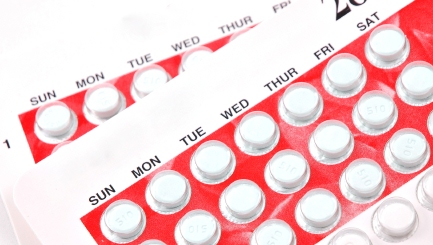
The birth control pill is a pill you need to take every day, to give your body the hormones it needs to prevent pregnancy. The hormones in the Pill control your ovaries and uterus, providing your body with oestrogen and progesterone hormones that stop your ovaries from ovulating. Ovulation is the process in which your ovaries release an egg during your monthly cycle, and so no egg means no baby. The Pill also thickens the mucus around your cervix, making it difficult for the sperm to enter your uterus. Plus, the Pill can sometime affect the lining in your uterus, making it difficult for an egg to attach to the wall and enable a baby to develop.


If you buy the Pill, you’ll find it comes either in a 21-day pack or a 28-day pack. If you have the former, you take a pill every day at about the same time, and then stop taking pills for seven days. If you have the 28-day pack, you will continue to take pills, but the last seven do not contain hormones. This may be a good option for you if you need to stay in your pill-taking mindset, otherwise you might stop for seven days and get out of your routine. When you stop taking the pill for seven days, or use the 28-day pack, you will have your period.


You can also get a variation of combination pill that decreases the frequency of your periods by supplying a hormone pill for 12 weeks and then inactive pills for 7 days. As you can probably work out, this means you’ve have a period every 3 months instead of every month. Then you have what’s known as the mini-pill, which changes the number of periods you have but may be slightly less effective at preventing pregnancy. The mini-pill only contains a low dose of progesterone, rather than a combination of oestrogen and progesterone, and its main job is to change your cervical mucus and uterus lining, but it may sometimes also affect ovulation. You take the mini-pill every day without a break, and it may take away all your periods or still enable some, irregular periods.


For the mini-pill to work, it must be taken at the same time every day, without missing any doses. However, this is really the case for any type of birth control pill, although it becomes more important for progesterone-only pills. On the first seven days of taking the pill, you will also need an additional form of contraception, such as condoms, to prevent pregnancy. After this, the Pill should work on it’s own for birth control, but condoms will still be necessary for stopping the spread of STIs. If you forget to take your Pill one day, you won’t be protected against pregnancy and will need to use a backup form of birth control, or stop having sex for a while. If you find your Pill comes with side effects – such as irregular menstrual bleeding, mood changes, blood clots, nausea, headaches, dizziness, and breast tenderness – speak to your doctor, who may prescribe a different brand of the Pill.

Sex comes with the consideration of contraception, and while it may seem like it’s a burden, it’s surprising how far its developed in just the last century. And with that, there’s even more innovations to come. From the early days of makeshift condoms and crocodile dung to the dry orgasm pill, contraceptives have seen many developments and guises. In the 1950s, doctors knew that a few medications, usually taken from high blood pressure and schizophrenia, could make male patients sterile. But in 2006, researchers finally realised why – both of these medications freeze the muscle contractions that propel sperm through the reproductive tract. The result is the same orgasm, simply without the sperm. Researchers are looking into ways to turn this into a marketable pill, but its still in the early stages. On the topic of male drugs, RISUG is one of the most promising male contraceptives which is currently in development. It simply requires one injection to the vas deferens, which is the tube that carries the sperm from the testes to the urethra. The chemical compound that partially blocks the tube but any sperm that makes it past the blockade is damaged, so that it is unable to fertilise the egg. In fact, just one application of this can last up to ten years.


Phthalates are chemicals which are added to plastic to make it more flexible when it’s being used in products, showing up in everything from shampoo bottles to kids toys. They’re actually a major health concern despite their prevalence, with increasing evidence that they could affect puberty and the human reproductive system. The Population Council are looking to build on this though by changing testosterone levels and lowering sperm counts with them, and in doing so creating a new male birth control method. Men are the future of contraceptives, with plenty of development going into finding new effective drugs and treatments. One possible option being researched at the moment is finding a chemical that stops the sperm from maturing, so that they can’t fertilise eggs. It’s thought to be ten or more years away from being ready, but Adjudin could well be the answer – it would probably be in a patch or implant form, rather than a pill.


Women haven’t been forgotten entirely though. In the future, women may well be able to combine normal birth control with a factor that helps them to stay fertile for longer. This could well mean pushing the menopause back by decades. Each month, dozens of eggs begin to grow in the ovaries of a woman, and usually one fully matures where the others simply die. Fertility expert Dr Roger Gosden believes that a career pill could stop this waste and leave more eggs available as a woman reaches her 30s and 40s. The sponge was also popular among Jewish communities, and was just that – a dried piece of sea sponge wrapped in silk and with a string attached for removal. Women often soaked it in lemon juice or vinegar to kill off sperm. But sometimes the best methods are those which have been around the longest. Originally made out of animal guts or linen, condoms have been a long-lasting contraceptive that has been used for centuries thanks to its reliability and effectiveness. The remains of real condoms, dating back to the 1600s, have been found in the UK; artistic representations have even been found in Egyptian drawings that date back more than 3000 years.

Have you had problems with your sex drive recently? It could be that some common prescription medication is to blame for the drop off in your desire. Having a low libido can have a damaging effect on your sexual health, and can also affect the wellbeing of your partner and the wellness of your relationship.


Ironically, one of the main causes of lack of sex drive is the birth control pill. You could almost believe that it works by making the woman not want to have sex with the man any more, and thus no conception occurs!


Of course, this is not the case for all birth control pills, or all women either. Some women find that the pills increase their levels of a sex hormone called SHBG, which then lowers the amount of testosterone in their blood and makes them not feel like having sex.


A small study from Boston University even found that the pill had an effect on the long-term libido of some women, making them less likely to want sex even after they stop taking the pill, but this kind of long-term effect is thought to be very rare.


If you think that your pill might be lowering your sex drive, the best thing to do is to try another pill, or even another form of birth control.


Antidepressants are another common cause of low libido. Types known as SSRIs, which include Prozac, are the worst culprits. On the other hand, depression itself can cause low libido, so some people are unsure as to whether it is the condition or the medication, and others actually find that antidepressants improve their libido.


Diabetes drugs may also lower libido, as well as reducing sexual pleasure and the ability to orgasm. If you are on diabetes medication – or any of the medications listed above – and feel that your sex life may be suffering, don’t hesitate to call your GP.

As a mother, nothing can be more daunting than approaching the topic of your daughter’s sexual health. You want to assure your little girl that she can always talk to you, without letting on that it’s a little bit heartbreaking every time she mentions having sex. However, it’s important to look out for her wellbeing, as many teenagers today are uninformed about sexual issues, so what do you need to talk about?


Let’s start with contraception. Obviously, the condom is the best protection against sexually transmitted infections (STIs) as well as pregnancies, but your daughter may not be aware that things don’t always go to plan in the moment. Paul Fine, MD, associate professor of gynaecology at Baylor College of Medicine in Houston, notes, ‘A couple may not put on a condom until the last minute, and in the heat of passion, he might not have the control he usually has, so that’s never foolproof.’


Therefore, you need to educate your daughter about other contraceptive methods that are less dependent on calm, clear thinking in the midst of a passionate clinch. The Pill is a classic choice for most women and your daughter may not be aware that it does so much more than prevent pregnancies. Depending on the type of Pill she chooses, the Pill can help to clear up her acne, lessen her risk of uterine infection and ovarian cancer, and reduce period problems such as heavy bleeding, pain and PMS mood swings.


Still, the Pill alone won’t protect your daughter from STIs, and she’s in a very high-risk group for them. Even though 15-24 year olds only represent 25% of the sexually active population, they are the victims of 50% of new STD cases. Jeanne Marrazzo, MD, an STD specialist at the University of Washington medical school, advises annual chlamydia screenings for younger women, while Hunter Handsfield, MD, a clinical professor of medicine at the University of Washington, says, ‘Young people ought to get tested once a year for HIV, syphilis, chlamydia, and gonorrhoea.’ This is because the symptoms of STDs aren’t always apparent. You can have gonorrhoea, chlamydia, hepatitis, HIV, and syphilis without having any obvious symptoms, but these diseases can be very destructive to your wellness over a long period of time. Dr Handsfield adds that women under 26 should consider getting the HPV vaccination.

The contraceptive pill has hit the headlines recently for worrying claims that it could be a harmful medication. In a study carried out by Indiana University, researchers discovered that women taking the contraceptive pill felt less sexy overall, had fewer orgasms and less frequent sex, as well as finding it more difficult to become aroused. There is an increasing list of health risks attached to the pill, from breast tenderness and nausea to more serious claims such as blood clots, high blood pressure and even stroke. However, there could now be new risks which aren’t laid out on the list provided by your local family planning clinic which could make you rethink your method of contraception. Long term use of the birth control pill could increase the risk of artery build-ups in your body, which may in turn increase your risk of heart disease. In a study involving 1300 healthy women aged between 35 and 55, there was up to a 30 percent increase in the prevalence of plaque for every 10 years of oral contraceptive use. The researchers highlighted that the plaques were small and not large enough to block an artery, but any plaque is a risk to your heart health. Around 100 million women around the world use oral contraceptives, all of which could now be risking their hearts for the sake of an easy pregnancy preventative.


There are many health risks which are increased by the use of the oral contraceptive pill. For example, this form of birth control can more than double your risk of fatal blood clots, as well as making your bones thinner and increasing your blood pressure. Some studies claim that it could also increase your risk of developing cervical and breast cancers. Besides the serious health risks, there are also some unpleasant side effects which many women report to suffer from due to the influx of artificial hormones flowing through the body. These include irregular bleeding or spotting, weight gain, mood changes, migraines and nausea, breast tenderness, and yeast overgrowth or infection. Because there are other options for birth control which don’t rely on hormones, many GPs advise choosing an alternative form of contraception. Such methods include barrier methods which are far safer, if slightly less convenient, such as condoms.


With these methods there are no side effects and no toxic chemicals or substances flooding your body every day. There is also the natural family planning method, or NFP, which you should learn from a reliable source but that can leave you empowered by understanding your menstrual cycle better. The temperature method is another alternative, which works by you pinpointing your day of ovulation so that you can avoid intercourse for a few days before and after it. You take your basal body temperature every morning with an accurate basal thermometer so that you can note the rise in temperature after ovulation. Although this method can be unreliable by itself, as your body temperature can change for a number of reasons, when it is combined with the mucus method it can be very accurate in assessing your fertility. The two methods used together can provide a success rate as high as 98 percent. The mucus method works by tracking the changes in the amount and texture of your vaginal discharge. As your oestrogen levels rise in your body, your discharge will alter. Other methods also include female condoms, the diaphragm and cervical cap. Each has its set of pros and cons, but they don’t require hormones which means you can avoid the stress and risk of the damaging side effects.

There are a number of reasons why you may want to make a change to your birth control – maybe you’ve realised that you’re not one for remembering to pop a pill every day, or you’re worried about the side effects of whatever contraceptive you’re currently using. Whatever the reason, it can be daunting knowing where to begin, with so many options on the market. Here are some popular choices among women over the age of 30 which could prove effective for you too.


The combo pill is a surprising choice, as there a number of myths surrounding the side effects for this particular medication. However, there is a growing body of research which suggests this might not be the enemy as we once thought, with 99 percent success rate and the fact that it can ease some of the symptoms of perimenopausal women, such as mood swings and irregular bleeding. Worried about the increase in cancer? New studies claim it could actually help to prevent ovarian and uterine cancers. If you suffer from migraines, though, it’s probably best avoided, as it is thought to trigger headaches and even raise the risk of a stroke in those who suffer with migraines. The same can be said of women over the age of 35 who smoke, as the oestrogen and smoking can increase the risk of blood clots. Women who are breastfeeding may want to try to progestin-only pill, as this won’t affect the milk supply in the mother – this choice is also popular amongst people who have to avoid the oestrogen pills due to blood clot risks or cardiovascular disease. Smokers are also safe with this particular option, but it’s worth remembering that this is slightly less successful than the combo pill. As with anything though, there are downsides – if you struggle to remember things or don’t stick to a routine, this isn’t the best option. It needs to be taken at the same time every day to be effective.


The IUD, or the Intrauterine Device to give it its full name, is great for women who don’t want to think about birth control for a long time. This is 99 percent effective and lasts for up to 12 years, meaning you could get one fitted when you’re 40 and be set until menopause. The IUD is a T-shaped device which is fitted by a GP into the uterus to stop the egg becoming fertilised. There is a risk of mild discomfort for some women, but it doesn’t last and not everyone gets it. The downsides are that your periods and menstrual cramping may increase, but a newer model has potentially put a stop to that. Although Mirena, the new device, only lasts five years it means you can expect lighter bleeding. The implant has a shorter shelf life at just three years, but is a great no-fuss option for women who want a longer-term contraceptive without the fuss of getting it removed – the implant can be removed very easily. It’s a matchstick-sized rod which is inserted into the upper arm to release hormones which curb the release of an egg. It’s also nearly 100 percent effective, so there’s less to worry about. However, if you’re significantly overweight, there is a chance that the implant won’t work for you as well, so you may want to speak to your GP.


There are numerous choices for contraception – these are just a selection of the most popular. Speak to your GP about the options which are suitable for you, and they will be able to advice which route you should take.

An experimental rheumatoid pill that is produced by AstraZeneca’s called fostamatinib only managed to meet one of its two goals in a late-stage clinical trial. This has left the future of one of the group’s few advanced pipeline products uncertain.


Fostamatinib had been touted as a potential competitor to injectable drugs like AbbVie’s Humira and a new pill from the company Pfizer that’s called Xeljanz. The market is thought to be worth a staggering $20 billion-plus. Disappointing results from the tests, however, mean that investor hopes for the medicine are now low.


The latest findings will do little to quell the worries, especially as increased blood pressure and diarrhoea were found to be worrying side effects of AstraZeneca product. Results of another AstraZeneca-funded study found that fostamatinib was actually inferior to Humira in controlling the symptoms of arthritis – suggestion that the drug could be a waste of time.


In the new trial, AstraZeneca’s recent drug achieved a significant improvement at the 24 week mark, when compared to placebo. The test assessed signs and symptoms of the disease – the so-called ACR20 response rate. However, it sadly failed to show an improvement in an X-ray test measuring the progression of joint damage.


The side effects that were seen in patients taking the drug were similar to those that were recorded in the results of earlier studies, including hypertension, diarrhoea, nausea, headache and common cold.


This is bad news for the company financially too. Given the doubts surrounding the product, forecasts among the AstraZeneca analysts for fostamatinib sales are now quite low, averaging just $171 million in 2016. Humira, on the other hand, has annual worldwide sales of around $9 billion.


New Arthritis Pill Performs Badly in Study

Parents of teen girls are more ready to accept their daughters being offered birth control pills and condoms during Doctor visits than other, more effective and long-acting contraceptive methods. The more that a parent respects their daughter’s autonomy, the more likely that parent is to accept a Doctor offering their teen any contraceptive.

Among adolescents, rates of unintended pregnancies and sexually transmitted infections remain high.  Despite increased use of contraceptives by adolescents in the last twenty years, effective methods are still underused and too many sexually active teens do not use condoms to block transmission of sexually transmitted diseases (STDs).

Parents can help improve contraceptive use among teens.  The study explored parents’ attitudes towards seven contraceptive methods their daughters might learn about during a confidential health care visit and examined the factors that influence a parent’s acceptance of different methods.

The study was conducted among 261 parents/caregivers with daughters aged 12 to 17 and completed a phone survey that determined their attitudes towards different contraceptive methods as well as their parenting beliefs. Birth control pills won greatest acceptance (59 percent). In decreasing order of acceptability were condoms (51 percent), injectable contraceptives (46 percent), emergency contraception, also known as the morning-after pill (45 percent), birth control patches (42 percent), implants (32 percent) and intrauterine devices or IUDs (18 percent).

The strongest predictor of acceptability of all methods was parental recognition of their teens’ autonomy.  Clinicians can use these findings to educate parents about STDs and longer-acting methods, which are most effective. One reason parents may not accept this method is that parents might associate long acting contraception, like IUDs, with an ongoing sexual relationship.

Disapproval by the parents of long-acting contraceptive methods may also reflect U.S. historical events.  IUDs aren’t accepted in the U.S. for many reasons, across all ages, concerning societal attitudes towards medicine and the memory.  However, parents need to understand that the risk of pregnancy outweighs the risk of any contraceptive method, including the IUD.


Birth Control Methods for Teens by Parents