Showing posts with label Gender. Show all posts


Traditionally there has been a strong distinction between girls’ toys and boys’ toys. But in today’s modern world, should gender-specific toys be avoided?


Yes – Bethan


The notion that girls should play with dolls while boys play with cars is so out-dated. I don’t think toys these days should be marketed as being either for girls or boys – surely it’s better just to make all toys suitable for anyone. After all, why wouldn’t a girl enjoy playing with cars or forts – just as boys can play with dressing-up sets?


Toys traditionally have reflected the sort of adults we expect children to grow up to be. So a century ago, boys would have been given a toy gun while girls would have had a doll. But we’re not living in the past – today girls can aspire to becoming mechanics or engineers, or join the army just like boys. And most modern men take on their fair share of household chores so toys should reflect the progress society has made in sexual equality rather than just reinforcing outdated stereotypes.


The main problem that I have is that toys that are marketed as ‘girls’ toys tend to suggest that the only things girls should be interested in are make-up, baking, cleaning, and having babies. Meanwhile, boys get to be super-heroes or play with exciting, noisy toys that actually do something. I hate the fact that my daughter’s bedroom is a sea of pink and sparkles – she’s not a Disney princess but all the toys she gets given seem to assume that’s what she should aspire to be.


No – Sheila


We’ve always had different types of toys for girls and boys and that’s simply because they enjoy playing with different things. My granddaughters all love playing with dolls while my grandsons prefer cars. There’s nothing wrong in buying children toys that they will enjoy playing with but it seems to be fashionable now to ignore tradition. Why can’t we simply embrace the differences between the sexes rather than always trying to force boys and girls to like the same things?


Toys are more than just play things – they help to prepare children for adult life. In the past when boys played with guns, it was to prepare them for war. Meanwhile, girls would play with dolls because they would one day become a mother. I appreciate that times have changed but the fundamental differences between men and women still exist.


People seem to object girls’ toys in particular because they focus on being a housewife and mother – but what’s wrong with that? Criticising toys such as kitchen sets, ironing boards and dolls seems to be suggesting that there is something inferior about being a housewife and mother. No-one criticises boys’ toys in the same way. I think it would be better for modern parents to celebrate traditional girls’ toys as reinforcing the importance of women’s roles rather than criticising them.


Finally, from a practical point of view, I know when I buy toys for children, it’s always easier to choose an appropriate gift when they are clearly marketed for boys or girls.

If you ever wondered if there was a difference between male and female mental wellness, a new study suggests there might be. The research, published in the peer-reviewed scientific journal Neuroscience and Biobehavioral Reviews, pooled the results of 126 studies examining the differences in brain size between men and women, and found that, overall, men had larger brains than women. The results of the study also revealed differences between men and women in the volume of many different regions. Men, for example, tend to have larger volumes in brain regions associated with survival instincts, memory and learning, while women often have larger volumes in areas of the brain dealing with language and emotions.


The results of the study, which came from researchers from University of Cambridge and University of Oxford, have many media outlets reporting that men have bigger brains than women, which may imply a certain degree of higher intelligence. However, according to the NHS website, ‘You could make a case that this differing mix of abilities means that it is mutually advantageous for the sexes to co-operate…However the media’s preoccupation with brain size is probably something of a distraction. The link between brain function and brain structure or size is still not clearly understood; so we can’t reliably conclude from this study how the differences in brain size influence physiology or behaviour.’


The NHS continue, ‘Gender is influenced by both biological and social factors and it’s not yet clear how these interact to influence behaviour, personality or disease risk…It is also probably simplistic to assume that there is a direct link between brain size and intelligence. It is thought that it is the complexity of the connections between individual brain cells that underpin cognitive ability and not the total amount of brain tissue. For example, elephants have huge brains, weighing around five kilos. And while elephants are certainly bright creatures, renowned for their memory, it would be a bit of stretch to describe them as geniuses.’


This study is interesting as it is reportedly one of the first to systematically search the global literature to identify published studies that have examined the differences in brain structure between men and women, and then combine these results in a meta-analysis. However, the NHS website points out that the study ‘finds evidence that men have a slightly larger overall brain volume than women, with a brain size around 8% to 13% greater. This may be a result of their larger general size. They also find differences between men and women in the volume of many different regions.’


The NHS add that while the differences found in the brain regions may reinforce some commonly held gender stereotypes about the historical roles of men and women, ‘it would be simplistic to think other factors, such as social pressures and environment, do not also play a role in how each gender may tend to think and behave.’ But what did the researchers say? After examining the results, the researchers were led to conclude that the findings ‘suggest candidate brain regions for investigating the asymmetric effect that sex has on the developing brain, and for understanding sex-biased neurological and psychiatric conditions.’


Moreover, the researchers surmised that there may be differences during different stages of your life, such as when your brain develops during childhood and your teens. Still, the NHS warn, ‘This is not possible to say for certain, given that very few studies have been conducted outside of the adult age bracket. Overall this review contributes to the body of studies examining how the different brain structure of men and women may contribute to their propensity to different neurological and mental health conditions. Findings may suggest that both genders work best when they co-operate on a common goal, rather than engaging in a “battle of the sexes”.’

When you’re having a baby, it’s not uncommon for people to have a preference for the sexual selection of the unborn baby. Obviously, the main thing that all new parents are interested in is the wellness and wellbeing of the baby, but secondary to that, it’s quite common for parents to long specifically for a little son or daughter.


Fuelling this are all kinds of old wives’ tales about how to influence the gender of your baby. Some say that if you want a boy you need to eat meat, for example, and if you want a girl you need to eat lots of sweet foods. There are times of the month that are supposed to be better for conceiving each gender, and positions that you should use.


In these modern times, there are also ways to scientifically choose a specific gender. There are clinics that can screen fertilised embryos to see if they have genetic diseases, and these clinics can also pick up whether an embryo is male or female, allowing parents (in theory at least) to choose the gender of their unborn baby.


What many parents don’t realise, however, is that whilst they may be able to choose the biological sex of their baby, they are not actually able to pick the gender. Sex is determined by chromosome alignment and type of genitalia, but gender is a social construct, meaning a state of being male and female.


Societies have different rules about how men and women should act, dress and behave. People who don’t fit into the societal norms for gender behaviour can make others uncomfortable (such as men who like to dress up in women’s clothes). As a result of these societal rules, gender identity is not well understood. Some think that gender is fixed at a very young age, whilst others think that it remains fluid for a long time.

How do you know that you’re a woman or a man? Does it just come down to the genitals you have, or did you work out your gender identity on more factors? Gender is not a cut-and-dry sexual health issue; it’s not just a case of penises for boys and vaginas for girls. Rather, there is a number of people for whom the body doesn’t match up with what’s going on in the mind, which is commonly known as gender identity disorder. Usually, struggles with gender identity begin in early childhood, but it can happen at any age. Gender identity disorder can be confusing, both for those whose wellbeing is affected by it, and their friends and family. So, let’s clear up the jargon.


1. Transexual: The community of people with gender identity disorder is commonly described as “transsexuals” by medical professionals. This term was coined Dr. Harry Benjamin, one of the pioneering doctors to research and work with gender identity disorders, using the research of Magnus Hirschfeld, of the Institute for Sexual Science, and Alfred Kinsey, of the Kinsey Institute, as his springboard.


2. Transgender: “Transgender” is used as a general, non-medical term to describe anyone whose gender identity is different from their physical sex at birth. If you’re transgender, you may wish to live as a different gender than the one you were born with, and may put your physical wellbeing at risk to do so. You may undergo gender reassignment surgery – or a sex change – to transform your body to reflect who you are underneath. However, you might not think your gender wellness merits these types of surgeries, and that’s OK too.


3. Transman or Transwoman: If you were born as a biological man but you identify as a woman, you are known as a transwoman, or transgender woman. A biologically born woman who identifies as a man is known as transman, or transgender man.


4. Third Gender: You might not want to refer to yourself as male or female, but rather find that your identity lies somewhere along a spectrum. This is sometimes referred to as “third gender”, but some people prefer no label at all.


5. Transvestite: You may have head someone who dresses in clothing more typically worn by the opposite sex labelled as a “cross-dresser,” “transvestite,” “drag queen” or “drag king”. However, the important distinction to make here is that these words don’t describe a person’s gender.


6. Transition: Instead of sticking to the sex you were assigned with at birth, you may decide to move towards the gender you perceive yourself to be. This shift is described as “transition”. Sex reassignment surgery may be part of your transition, but this isn’t always the case.


So how do you know if you have gender identity disorder? Diagnosis involves a consultation with a mental health professional, who performs sessions of psychotherapy and formulates a diagnosis. The DSM-IV breaks gender identity disorders into several types: Gender Identity Disorder of Childhood, Gender Identity Disorder of Adolescence or Adulthood and Gender Identity Disorder Not Otherwise Specified. Additionally, the ICD-10 provides five diagnosis types for GIDs: Transsexualism, Dual-role Transvestism, Gender Identity Disorder of Childhood, Other Gender Identity Disorders and Unspecified Gender Identity Disorder. The ICD-10 states that you are diagnosed as transsexual when you have a desire to live as and be accepted as a member of the opposite sex, along with the desire to transform your body with gender reassignment surgery or hormone therapy. Your gender identity needs to be present for at least two years, and the desire for gender change cannot be a symptom of another disorder or a chromosomal abnormality.

For most guys and girls, gender isn’t something that really gets questioned. Most guys feel perfectly normal being male, and most girls feel very natural being female. However, this isn’t true for everyone. Some people who are born male feel as though they should have been born female, and vice versa. These people are known as being “transgender” and it’s a serious wellness issue. Feeling like you’re living in the wrong body isn’t just a matter of sexual health, but really your mental and emotional wellbeing, as well as your relationships.


What society thinks of as being intrinsically male or female will play a role in how you feel about yourself. These expectations can include things like hairstyles, clothing, and jobs — and how people should act or behave. These aren’t often spoken rules but rather cultural norms which cause you to grow up believing men should act a certain way and women should act a certain way, and you don’t really give this much thought. These assumptions, however, don’t fit with your gender identity if you’re transgendered. Somehow, you know you feel “different” from the time you’re young, from puberty or even later in life. This mismatch may make you feel confused and emotionally conflicted.


As a result of this conflict, you may decide to physically change your body to match your gender identity. This can be done through surgery or taking hormones, but either route you take can be a long, complicated, and expensive process. For this reason, and others, some transgender people decide to keep things as they are, but dress as the opposite gender instead. Then there are those who decide to use a different name and pronouns that go with that name. If your birth name is Anthony, for example, you might ask people to call you Amanda and refer to you as a “she”. You might find you aren’t completely sure what you want to do yet. If you do decide to start living like someone of the opposite gender, it’s likely for certain issues to arise. Filling out forms that ask for your gender and choosing which public toilets to use can suddenly become very complicated decisions to make.


One thing to bear in mind is that being transgender is not the same thing as being gay. Rather, being transgender is about your gender identity, or the way you see yourself and the gender you most closely identify with. Being gay or lesbian, on the other hand, is about your sexual orientation, or the gender you are attracted to. Many gay and lesbian people are completely comfortable with their gender; they are simply a man who is attracted to other men, or a woman who is attracted to other women. However, because sexual orientation is a different thing from gender identity, a transgender person can be straight, gay, or bisexual — just like other people can.


Another important distinction to make is that dressing in clothes typically worn by the opposite sex does not automatically mean you are a transgender person. People who dress in clothes that are usually associated with a different gender are sometimes called cross-dressers or transvestites, and these people can make these clothing choices for a variety of reasons. Yes, this may be because of their gender identity, but people who dress as the opposite sex can also be making a clothing choice for fun, comfort, or as a way to express their personal style — not because they see themselves as the other gender. To find out more, look online for more information, as well as support groups for people going through the same things you are.

It’s not hard to see how being transgender can affect your mental wellbeing; not only do you have to come to terms with your gender identity, but you also face more mental distress as a result of the social disapproval and discrimination you encounter. Research shows that, as a transgender person, you come across harassment, discrimination and even violence in all areas of life, including health provision, corporate wellness, social exclusion and hate crime. This makes you a high risk for depression, self-harm and suicide.


In 2007, a survey of 872 trans people showed that a third (34%) of respondents had considered suicide, which is considerably higher than the general population. This is because transgender people come up against a whole host of difficulties, including:


1. Lack of understanding from your loved ones, employer, medical professionals and others.


2. Trouble finding work or keeping your job once your background becomes known to others.


3. Rejection by your family and friends.


4. Negative or hurtful comments from transphobic people.


5. Intimidation and violence on the streets and outside your home.


6. Being stared at and laughed at when you’re out running errands.


7. Bullying and name-calling


According to Ady Davis, a psychosexual therapist with the North-East Gender Dysphoria Service, ‘The main issues that affect the mental wellbeing of trans people are related to discrimination.’ This discrimination may cause you to feel conflict within yourself, as you may, for example, have certain religious beliefs that discriminate against your trans status. You may also experience conflict in your relationships, be it with your parents, school or workplace. There’s also wider discrimination from society.


‘Some trans people can’t do everyday activities such as going shopping without getting stared at, attracting comments, having their self-esteem knocked or experiencing violence on occasion,’ Davis explains. ‘When you put them together, all these difficulties can have a massive impact on mental health. Trans people may isolate themselves, and they may experience feelings of depression, suicide or self-harm. For example, they may mutilate their bodies by trying to remove the parts they’re not happy with, such as their breasts or penis. They may also start using alcohol or drugs as a way to escape.’


If you are questioning your gender, feeling you should be the opposite gender or feeling that you have no gender at all, there is help available to ensure you don’t fall prey to these mental health problems. Davis notes, ‘If this is a temporary doubt that lasts no more than a few months, it may be something you resolve yourself, but if your feelings of gender discomfort are consistent, you can get support that can help you feel more comfortable with your gender identity.’ Areas of support include:


Your GP: This is the first port of call when you’re questioning your gender, as your doctor can directly refer you to the appropriate service.


Community Support Groups: Look on charity websites such as The Gender Trust, Mermaids and The Beaumont Society to find groups in your area for trans people and their families. Local lesbian, gay and bisexual groups also have information about support for trans people.


Helplines: NHS Direct 111 and the Samaritans (08457 90 90 90), as well as your GP, can give you confidential, non-judgemental emotional support if you are having depressed, self harm or suicidal thoughts.


Psychological therapy: Davis notes, ‘All types of treatment generally aim to get someone to a point where they feel more content in their gender…For example, someone may want to express a female side but fear of telling a partner is preventing them. In this case, a therapist would help the trans person to express those feelings, and to work out how they would be accepted in the relationship. The therapist may talk to the partner as well. If they accept it, that may be enough.’

The biology of sex is an intricate process that sees the body go through a number of changes and adaptations. There are many reasons why people have sex, from improving intimacy and for pleasure to the chance to conceive. Sex has a number of benefits, such as relieving stress and boosting immunity, burning calories and reducing pain. There are many expectant parents who look forward to the 20 week scan, the scan which tells them the gender of their baby, but what happens to get the baby there? This is more than just ‘the birds and the bees’ – what goes on within the body to create a baby? As an embryo develops, it develops what are known as Wolffian and Mullerian ducts; the Wolffian ducts turn into male sex organs and the Mullerian ducts develop into female sex organs. These organs depend on the presence of a Y chromosome. At week eight, the genitalia begin to develop as well. The external genitals continue to develop after the internal organs have formed, which means in men the testosterone produces a penis and a scrotum, and a lack of testosterone will mean a vagina and labia will form. Such organs develop throughout the pregnancy and will develop further in puberty later in life as well.


From an exterior angle, the male body has two visible sexual organs – the testes and the penis. In terms of primary sexual organs, the testicles are the organs which make sperm and produce testosterone. The testicles are housed outside of the body to keep the temperature cool so as not to damage the sperm. Sperm are often compared to tadpoles in appearance and they use their tails to travel, with the heads containing the genetic material. The penis is made from spongy tissue which expands and contracts, becoming stiff and engorged with blood when the man becomes aroused. This makes it easier for the penis to be inserted into the vagina during sex. Sperm gets mixed with the nutrient-rich fluids from the vesicle in the body to create a fluid known as semen which does three jobs. It provides a watery environment where sperm can swim while they are outside of the body, it provides nutrients such as vitamin C and fructose for the sperm, and it protects the cells by neutralising the acids in the female sexual tract.


The two ovaries in the female body are the counterpart to the male testes. They make the eggs and produce oestrogen, the female sex hormone. The oestrogen leads to the sexual characteristics in the female body, such as breast development, pubic hair, depositing fat in the hips and thighs, and widening the pelvis. Eggs develop in the ovaries and are released into the fallopian tube during ovulation – it’s during this time that fertilisation can take place if sperm can find itself within the body during sex. The fertilised egg can then move down to the womb where it develops. It’s made of spongy material that cushions the egg while it grows. The uterus stretches during pregnancy to hold the baby until it has reached full size and is ready to be born. At the base of the uterus is the cervix, which also widens during labour to allow the baby to come out. The vaginal walls can stretch to accommodate intercourse and childbirth, and the final two glands are found here, where they secrete fluids into the labial folds of skin.

We’ve long been aware that the male and female bodies are affected by things in different ways, but did you know that the way in which we smoke is yet another to add to the list? In 2001, a study at the University of Pittsburgh School of Medicine found that women and men are affected by smoking, and likewise quitting, differently. After lighting up, women collectively rates their cigarettes as less satisfying than men did. In another study, women who sampled both standard and low-nicotine cigarettes noted less of a difference in their enjoyment and their perceived nicotine intake than male participants did. These are just some of the findings from this research, which suggests that there is a gap between male and female smokers. The research found suggests that men smoke mainly for the nicotine, whereas women tend to care more about the smell and taste, the hand-to-mouth sensation, the boost to their mood and the weight control. Studies show that both sexes have around the same rate of success with smoking cessation drugs, but nicotine replacement therapy (NRT), such as the patch of nicotine gum, reveal surprising differences. NRT seems to help both men and women get through the first few months of difficulty on an equal level, but after six months women tend to slide back into the habit at a higher rate than men do.


These differences between gender in smoking addictions may also account for an interesting exception to the NRT gender gap – the inhaler, which is a small, plastic cigarette-shaped device that provides a dose of vaporised nicotine when you take a drag from it. A study carried out in 2001 found that inhalers were more effective for women than men, in the short term, whereas men had more success with gum, patches and sprays. When women stop smoking, they lose both the nicotine and the sensory cues which can make things difficult for them. Replacing these cues with an inhaler rather than with a patch which doesn’t resolve the issue can help them to cope more easily with giving up.


More than half of female smokers state in such studies that their weight concerns are a major issue when quitting. This isn’t surprising but research suggests that cognitive behavioural therapy (CBT) could be well suited to women as it helps them to take the leap over the psychological hurdle, accepting that they may well gain a little weight when they quit.  Women may well benefit from combining CBT with a glance at their menstrual cycles as well. Studies suggest that menstruation has a unique effect on tobacco withdrawal symptoms. Women shouldn’t exacerbate hormonal mood swings with their withdrawal symptoms by trying to quit during the middle of PMS. It’s advised to wait until after the first day after a period starts to quit, so as not to make either problem worse.


If you’re struggling to quit smoking, there are a number of resources available to help you. From helplines to smoking cessation devices, you should be able to find plenty of information on how to quit in a way that suits you. Quitting is always the healthier option – smoking causes a number of health concerns, from increasing your risk of lung cancer and heart disease, to accelerating ageing and causing gum problems. Speak to your GP about ways to quit smoking and cut cigarettes out of your life as soon as possible.

There are many differences between men and women, but none more so than in the bedroom if rumours are to be believed. Men want sex all the time, women want commitment; men go for looks, women go for personality…the list goes on. But is it really accurate? According to psychologists, gender-essentialist statements such as these aren’t really true. A new study carried out at University of Michigan found that gender differences aren’t always so clear cut. Here are some gender differences that may not be innate after all, and the reasons behind them all.


Men think about sex more than women


It’s a classic cliche, but do men really think about sex more than women? The belief has always been that men think about sex every seven seconds, and while it may be true that men are more likely to think about the act than women are, they also think about other things more than women too. For example, food and sleep. In a study published in 2011, psychologists asked research participants to record their thoughts for an entire day. The data found that men think about sex, on average, 18 times a day whereas women think about it just ten times. But men also think proportionately about sleep and food more than women too.


Men want more sexual partners than women


If you were to ask men and women how many sex partners they would want in a set period of time, the numbers would average out that men would want more. But it seems that in the past some men have skewed the results for everyone else. Averages don’t always give the clearest figures and this is one such example. In fact, the typical response to such a question was simple and the same: one. Young men are eager to conform to the stereotypical view of masculinity though, which means the figures for everyone else aren’t always what they should be.


Men want ‘sexy’ and women want ‘status’


It’s an evolutionary thought that men want sexy and attractive women to provide them with healthy offspring, whereas women want men who are have a high status and who will be a good provider. And this is generally the case when researchers ask participants this very question. But when people in an actual speed dating event were asked to rate the importance of attractiveness and status, these gender differences disappeared. There was, in fact, no real difference between the way they rated people they were interested in. The real world, it seems, may go beyond these stereotypes we’ve relied on for years. Thinking about the ideal mate elicits more stereotypical thoughts about people, and what men and women ‘should’ do. But when people evaluate each other in real life, this is a little different and the answers show that.


Women have fewer orgasms than men


Studies suggest that men have more orgasms than women, but there is one very large caveat attached to this theory – the difference in one night stands and hook-up relationships. For women in long-term relationships, the results look far more appealing. Furthermore, the studies don’t include the ease that men have in reaching climax, compared to women. Women reach orgasm only about a third as much as men during first time sex, but in committed relationships women have orgasms 79 per cent as often as men. This suggests that a partner who cares about a woman’s sexual satisfaction is more important than biology after all.

You only need to walk into a toy shop to see how we’re pigeon-holing our children into a certain set of interests. Over the past couple of decades, the gender-divide in the toy industry has expanded into a great yawning chasm spilling over with “boys toys”, such as Lego and dinosaurs, and, for the girls, sparkly tiaras, make-up kits and hot pink scooters (which don’t go as fast as the blue ones).


However, parents – and children – have recently put their foot down in the name of family wellness; demanding a change in the way toys are marketed. Apparently, the retailers are even paying attention. Just last week, shoppers expressed their anger at the high-street pharmacy chain Boots for putting Science Museum-brand toys in a section branded for boys, and the store admitted it was wrong to do so and announced that it would be removing signs designating toys between genders.


This change, and others, comes at a time that a compelling campaign called Let Toys Be Toys (LTBT) is gaining momentum. The aim of the LTBT campaign is to persuade retailers to organise toys by theme and stop promoting some toys as only suitable for girls and others only for boys, as this could have implications for a child’s emotional wellness, self-image and overall wellbeing. Deborah Saward Arav, a mother who has signed the LTBT petition, commented, ‘My girls love Lego, trains, swords and pirates. Now they hesitate to play with ‘boys” toys as they feel they’re doing wrong. I hate having their options limited by retailers and the media.’


According to Lise Eliot, neuro- scientist and author of Pink Brain, Blue Brain: How Small Differences Grow Into Troublesome Gaps – And What We Can About It, ‘Ideas of gender are limiting to children. Children are very black and white in their attitudes. They perceive gender as opposites because we often present it very simplistically as such. This is not the case, though: we are not opposites. Psychologically and neurologically there are far more similarities than differences, particularly in children. By imposing these categories on children through the options we present them with, we limit their interests what they might become.’


Pretty in Pink and Boys in Blue: Why are Toys Gendered?

The emotional health of those who suffer with post-traumatic stress disorder (PTSD) is at risk to other mental wellness issues. This is according to new research, published online in June in the Journal of Traumatic Stress, which found that at least half of people with PTSD also suffer from depression.


Based on the findings of 57 studies that included more than 6,600 civilians and military personnel who suffered from PTSD, the researchers found that 52% of those studied also had symptoms of depression. When your wellbeing is affected by PTSD, you can experience symptoms of avoidance behaviours and flashbacks to bad memories. This anxiety disorder usually stems from a traumatic event, but there are multiple causes of depression. In addition to the harrowing effects of PTSD, depression can add symptoms of lingering and overwhelming sadness and hopelessness, and even thoughts of suicide.


Up until now, it was estimated that anywhere from 20% to 80% of people with PTSD also had depression, but the researchers in Case Western Reserve University’s department of psychological sciences have narrowed this number down. The research team also reported that their new analysis is proof that rates of depression are similar among men and women with PTSD, and shows the need to routinely assess patients for both depression and PTSD.


In a university news release, lead investigator Nina Rytwinski commented, ‘If individuals do not get a comprehensive assessment of what’s bothering them, one or the other can be missed.’ She added that the study results show that the way in which men are treated needs to be improved. As it stands, wellness experts tend to more frequently identify depression in women, and often misattribute the same symptoms to PTSD in men. Rytwinski noted, ‘The biases against men with PTSD symptoms put them at risk for underdiagnosis and undertreatment of a major depressive disorder.’


This study comes after the recent announcement that people who experience post-traumatic stress disorder following a heart attack may find it hard to get a good night’s sleep. The researchers from Columbia University Medical Centre noted that poor sleep is typical among PTSD patients, which may help explain the association between heart attack-induced PTSD and worse sleep quality. However, this study, which was published in the Annals of Behavioural Medicine, did find a difference in gender, as it revealed that women were more likely to be affected by poor sleep following a heart attack.

When it comes to your sexual health and wellness, you want to appear normal, and will even lie to make sure you do. This is according to new research appearing in a recent issue of the journal Sex Roles, which found that both men and women fib about their sexual behaviour to match cultural expectations.


According to Terri Fisher, author of the study and professor of psychology at Ohio State University, ‘There is something unique about sexuality that led people to care more about matching the stereotypes for their gender.’ Men wanted to be known for having many sexual partners and a lot of experience, while women lied about having less sexual experience than they actually had, to match cultural stereotypes. However, this was the only area in which gender stereotypes reigned supreme.


For the study, the researchers identified typically male and female behaviours, such as wearing dirty clothes, telling obscene jokes and singing in the shower (male) and writing poetry, lying about your weight (female). Then they asked 293 college students between the ages of 18 and 25 how often they engaged in 124 different behaviours (from never to a few times a day). Some of the participants were hooked up to a “lie detector”, which wasn’t switched on, and were asked the questions again.


Fisher noted, ‘Sexuality seemed to be the one area where people felt some concern if they didn’t meet the stereotypes of a typical man or a typical woman,’ as men were willing to admit that they sometimes engaged in behaviours seen as more appropriate for women, such as writing poetry, and women didn’t hide the fact that they told obscene jokes, or sometimes participated in other ‘male-type’ activities.


Generally, men reported more typical-male behaviours and women reported more typical-female behaviours, regardless of whether they were attached to the lie detector or not. However, for non-sexual behaviours, the participants didn’t seem to feel any added pressure to respond in stereotypical ways for their gender. ‘Men and women didn’t feel compelled to report what they did in ways that matched the stereotypes for their gender for the non-sexual behaviours,’ Fisher explained. ‘Men and women had different answers about their sexual behaviour when they thought they had to be truthful.’

An analysis from researchers at Oxford University has found that women are up to 40 percent more likely than men to develop a mental illness. Based on epidemiological studies from the UK, Europe, US, Australia and New Zealand, these findings will have a significant effect on public health, according to Professor Daniel Freeman, as millions of people in the UK alone have been affected by mental illness and the consequences of gender disparities are widespread. As such, GPs need to be made aware of this when deciding on treatment and support for their patients. The study suggests that women are as much as 75 percent more likely to have suffered from depression and up to 60 percent more likely to report an anxiety disorder. Men are supposedly more likely to report a substance misuse disorder – more than two and a half times more frequently. There were no significant results for the report of conditions such as ADHD or schizophrenia between genders.


The results make for interesting reading, as the pattern they show indicate that women suffer more from ‘internal’ problems, such as depression or sleep disorders. Men have external issues from their environment, such as alcohol or anger problems. The complex factors which contribute to these differences are not only related to physiological or biological factors, but also society. Mental health conditions are common in today’s society and are seriously damaging to one’s lifestyle and health. The issues are complex and this study shows that our environment is a strong contender for influencing the symptoms and disorders we develop. For example, women tend to have more issues with their self-esteem and view themselves more negatively than men do. Mental health disorders can be damaging to our health, so if you think you may be suffering with a condition, speak to your GP who can advise you further.


gender mythsAre the assumptions that generally surround men and women actually accurate? Some psychologists are now questioning previously commonly held beliefs, such as men want more sex than women, and men value physical attractiveness whilst women value social status.


Sexual health is rooted in having a clear understanding about the opposite gender. In order for that to occur, the truth behind gender myths has to be discovered.


A new review carried out at the University of Michigan has looked at gender differences, and discovered that they are not always as clear-cut as they may seem.


For example, the cliché that men think about sex every six seconds is simply not true. Male wellbeing is not rooted solely in sex, and their thoughts vary as much as women’s’ do during the day. Whilst it has been proved that men do think about sex more than women do, they also think about other bodily functions such as eating and sleeping more often during the course of the day than women do. On average, men think about sex 18 times during the day, whereas women think about it ten times.


It has also been shown to be untrue that men want to have more sexual partners than women. Whilst some men do equate multiple partners with sexual wellness, most men want approximately the same number of partners as women do. It is also worth bearing in mind that there is a certain expectation on men to answer sexual questions in a certain way, so when studied they may feel compelled to pretend that they are more sexual than they are, as some kind of test of their masculinity.


Men and women tended to follow the stereotype on paper that men like attractive women whilst women like men with social status but, interestingly, when meeting up with real people at a speed-dating event and then rating attraction afterwards, looks and social status were not reflected in the same way as they would have been in theory, suggesting that this, too, is a myth.


What Everyone Should Know About Gender Myths

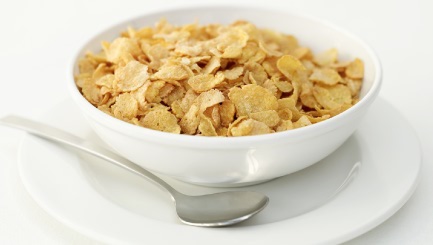
sex cerealWellness experts are always imploring you to eat a healthy breakfast. Breakfast gives you energy to last the day, aids weight loss and keeps you going until lunchtime, but now your breakfast cereal could keep you going in other areas too; namely, the bedroom. This is according to manufacturers of Sexcereal, the world’s first gender-based breakfast cereal that has increased in popularity since it appeared on the US Dragons’ Den in January.


So what makes this cereal so sexy? In the ‘male’ version of the product, you’ll find a good dose of testosterone-supporting ingredients, such as bee pollen, wheat germ, black sesame, camu camu and more! According to the Sexcereal website, wheat germ is also high in vitamin E, which is known to support male vascular health and increase your circulation.


For the ladies, hormonal imbalance will be a thing of the past, allegedly, due to the cereal’s combination of ginger, sunflower seeds and almonds. Ginger has an ancient reputation as an aphrodisiac, whilst the website says that flax seeds, another female-cereal ingredient, contain phytoestrogens, helping to balance oestrogen in the female body. Both cereals list rolled oats as their first ingredient, also sharing elements such as coconut sugar, cacao beans and chia seeds.


However, as federal regulations prohibit food producers from making certain ‘out-there’ promises, the Sexcereal doesn’t overtly boast that it can boost your libido or the amount of sex you have. Therefore, you have to read between the lines, with catchy phrases such as ‘Fuel your fire’ and ‘nutrition with passion!’ Sexcereal founder, Peter Ehrlich, said ‘All Sexcereal is is a collection of whole foods that point the way to sexual health.’


In terms of the rest of your wellbeing, Sexcereal does seem to have the makings of a nutritious breakfast. It’s low in sodium and sugar, and contains plenty of vitamins and minerals, protein and fibre. However, when it comes to your sexual wellness, Andrea D’Ambrosio, a registered dietician and nutrition counsellor in Mississauga and Waterloo, commented, ‘I think it’s definitely possible that foods can support sexual health. I think this is more-so a product with very good intentions, and the marketing really takes over to sensationalise nutrition on it.’


Start Your Day Right: Could Cereal Improve Your Sex Life?